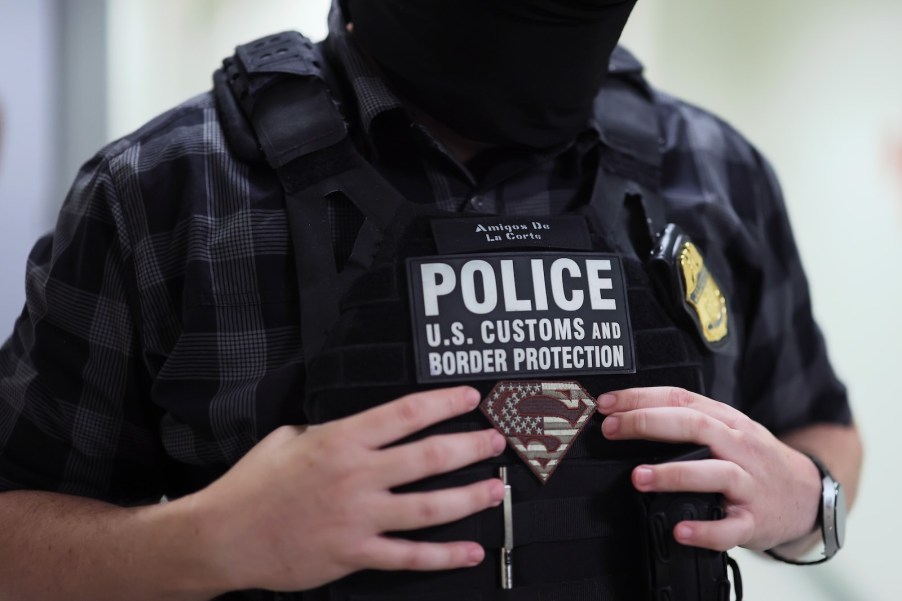
ICE Finds 400 Mexico-Bound Guns in Secret Trailer Compartments
Customs and Border Patrol police officers expect to find contraband hidden in vehicles. Even so, agents were likely stunned when they pulled down a false trailer wall and found roughly 400 guns, including hundreds of rifles.
Customs and Border Patrol agents stopped a father and son attempting to cross into Mexico. Each man drove a separate vehicle. Both were towing enclosed trailers with hidden compartments built into the walls. After stopping the men, officers called in Homeland Security Investigations agents.
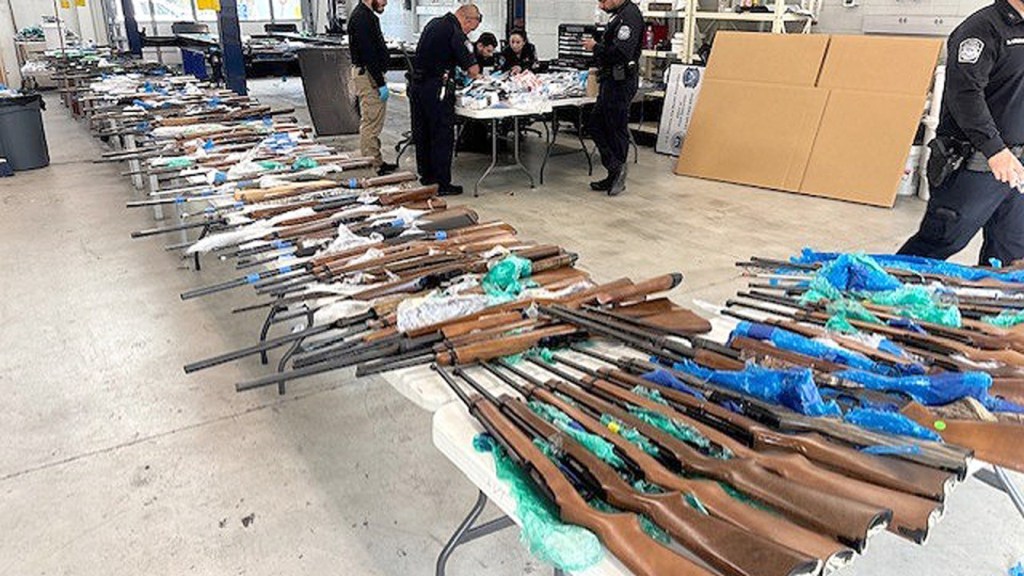
HSI later released photos of the box trailer. The enclosed trailer resembled a high-end car hauler with plywood walls. Agents removed one wall and uncovered dozens of rifles. The guns were wrapped in plastic and stacked neatly behind the metal frame.
HSI said it found firearms of various calibers, high-capacity magazines, and thousands of rounds of ammunition. Photos also showed tables covered with wooden hunting-style rifle stocks. Many of the firearms appeared new and lacked upper receivers.
Why U.S.-sourced guns fuel cross-border smuggling
“Another example of how nations working together deliver results for the people. U.S. authorities seized 400 firearms that were headed to Mexico — and arrested those responsible. Firearms that will not reach criminal hands. Shared security in action. Delivering results.” — U.S. Ambassador Ronald Johnson
Authorities identified the drivers as lawful permanent resident Emilio Ramirez-Cortez and his son, U.S. citizen Edgar Ramirez-Diaz. Agents arrested both men and turned them over to the U.S. Marshals. Prosecutors charged them with federal firearms smuggling offenses.
Mexico has far stricter gun laws than the United States. Civilians may only legally purchase firearms through a single army-controlled store in Mexico City. That imbalance has fueled a black market for U.S.-sourced weapons. U.S. guns are linked to at least 70% of the firearm crimes in Mexico, and it is the final destination for 59% of the guns shipped out of the U.S. Some experts and the Mexican government estimate that 200,000-250,000 new ones cross the border every year.