How U.S. Aircraft Carriers Navigate the Suez and Panama Canals
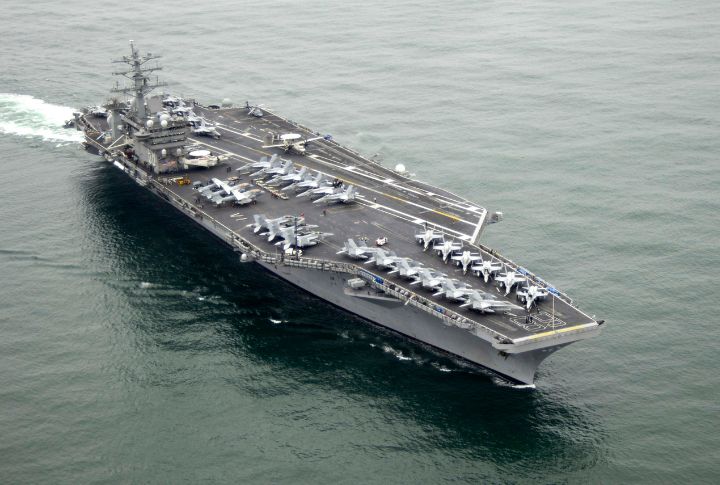
U.S. aircraft carriers are floating air bases that project the American military’s might globally. These colossal vessels, including the Nimitz-class and the Gerald R. Ford-class, are among the largest warships ever built. Given their varying sizes, how do the U.S. aircraft carriers navigate the Suez and Panama canals?
Importance of the Suez and Panama Canals
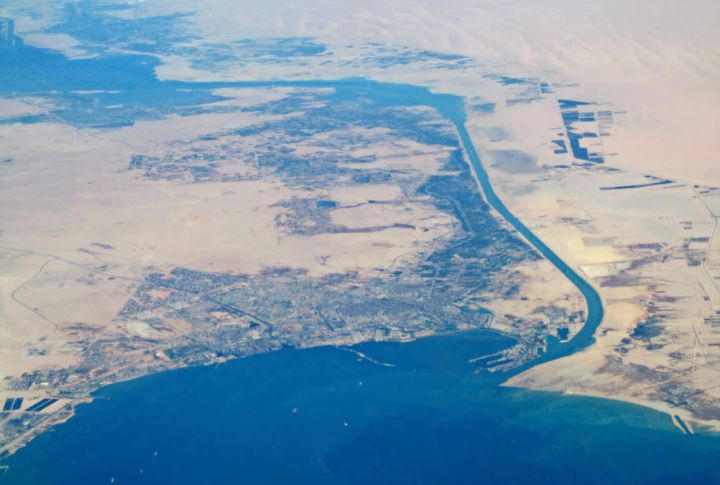
The Suez Canal connects the Mediterranean Sea to the Red Sea, while the Panama Canal links the Atlantic and Pacific Oceans. For the U.S. Navy, these canals are critical for rapidly deploying naval forces to various global hotspots
Dimensions of the Suez Canal
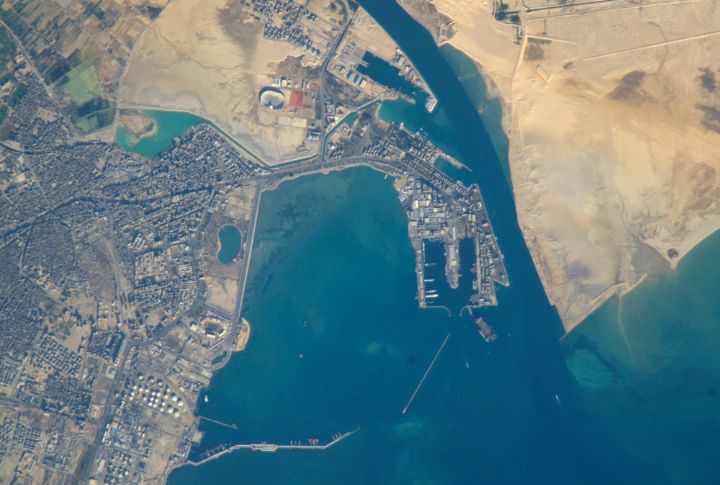
Since opening in 1869, the Suez Canal has undergone several expansions. It is approximately 120 miles long, 205 to 225 feet wide at its narrowest points, and 79 feet deep. The absence of locks makes the Suez Canal accessible to large ships.
Challenges of Navigating the Suez Canal
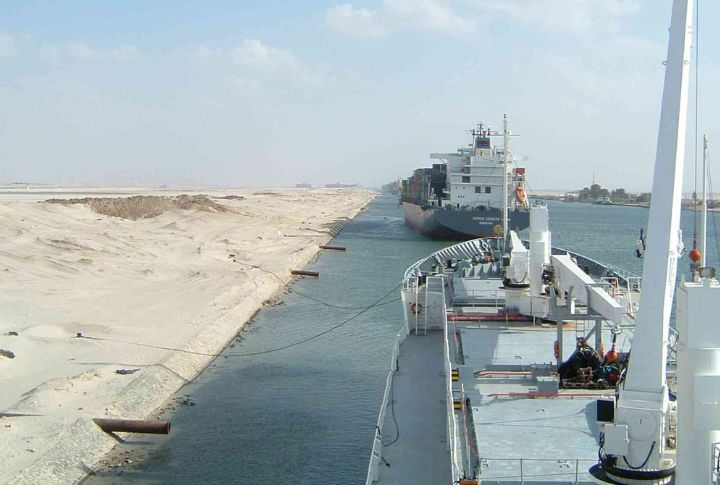
Navigating the Suez Canal is challenging for large vessels like aircraft carriers. The canal’s narrowness and erosion-prone banks affect their passage. Moreover, the Suez Canal is one of the busiest waterways in the world, with heavy traffic that requires careful coordination.
U.S. Aircraft Carrier Compatibility with the Suez Canal
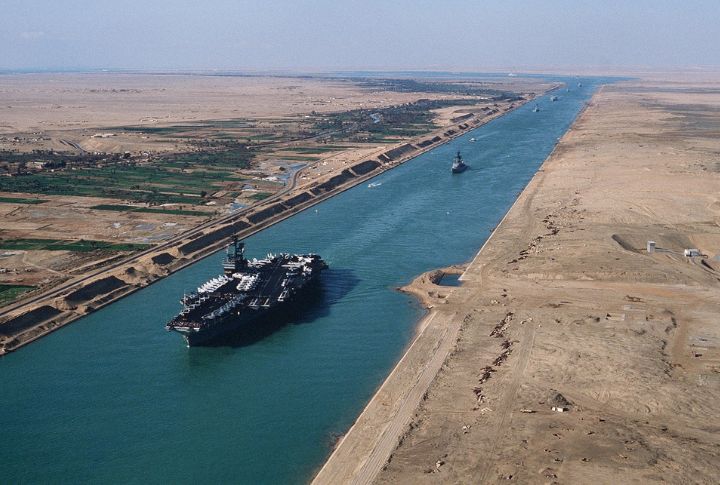
The Suez Canal is capable of accommodating U.S. aircraft carriers to a large extent. Though its depth and lack of locks allow the passage of carriers, its width is a limiting factor, particularly in its narrower sections.
Historical Transits of U.S. Aircraft Carriers through the Suez Canal
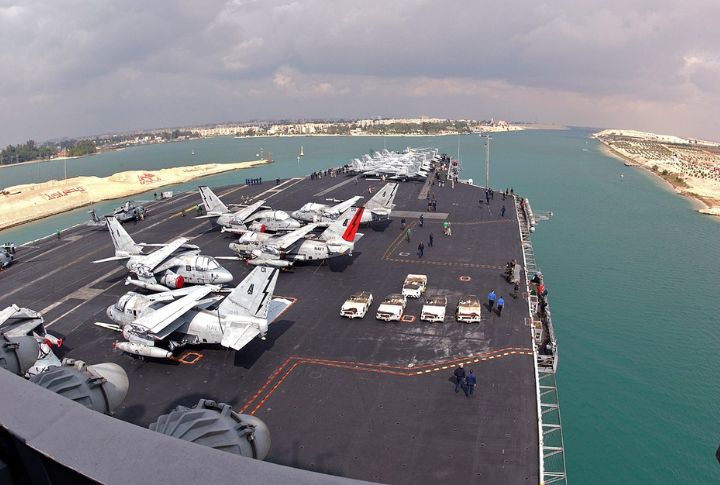
Despite the challenges of the canal’s narrow width, some U.S. aircraft carriers have historically successfully transited the Suez Canal. These transits have included vessels from the Nimitz-class and the earlier Kitty Hawk-class.
Impact of Suez Canal on US Naval Operations
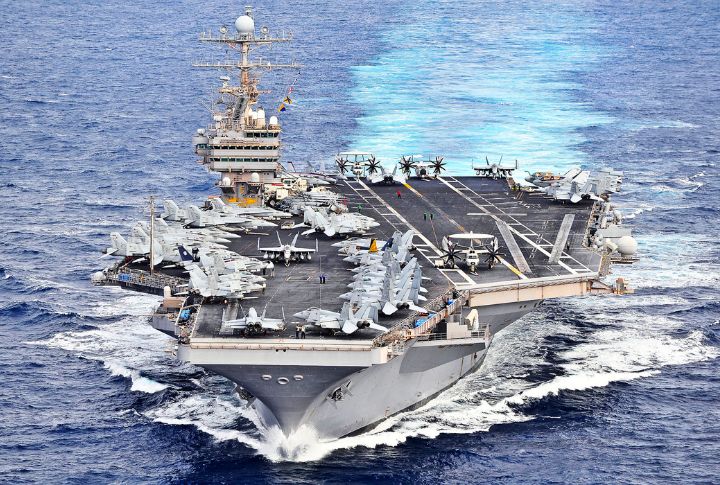
This critical waterway provides quicker movement of carriers between the Mediterranean and the Arabian Sea. This easy movement facilitates rapid response to crises in the Middle East, North Africa, and South Asia and enhances the U.S. Navy’s global reach.
Panama Canal Dimensions
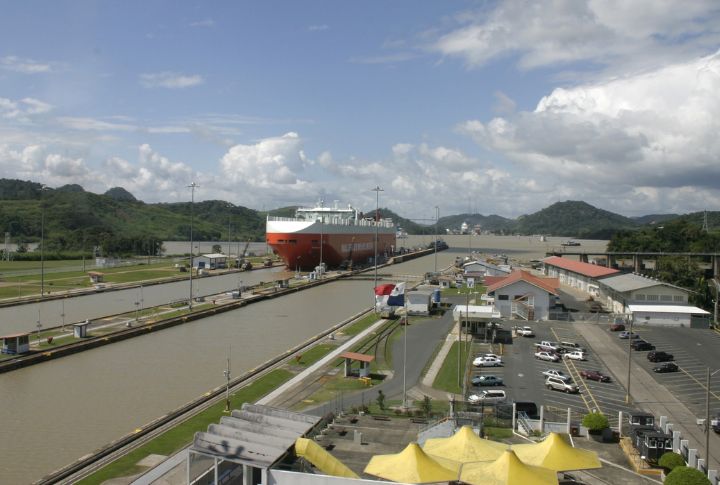
Initially, the Panama Canal had 110-foot-wide, 1,000-foot-long, and 41.2-foot-deep locks, which limited ship passage. However, in 2016, the locks were expanded to a length of 1,400 feet, a width of 180 feet, and a depth of 60 feet to accommodate larger ships.
Dimensions of U.S. Aircraft Carriers
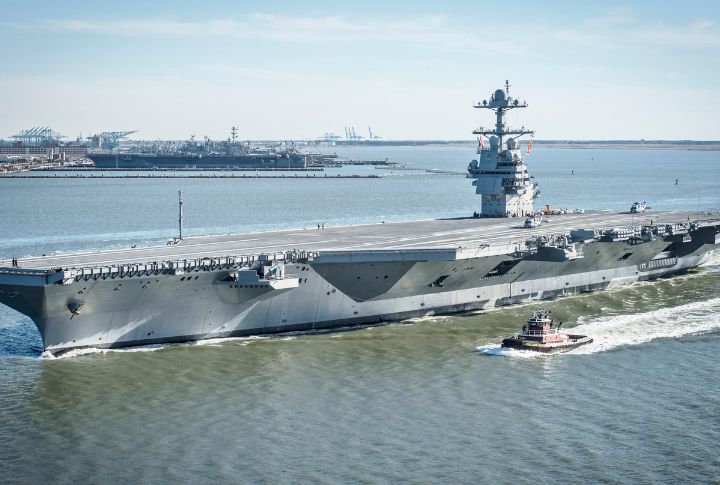
US Nimitz-class and Gerald R. Ford-class carriers are among the largest ships. They are 1,092 feet long, with a beam of 134 feet at the waterline and over 250 feet at the flight deck. Each has a draft of about 37 feet.
U.S. Aircraft Carrier Compatibility with the Panama Canal
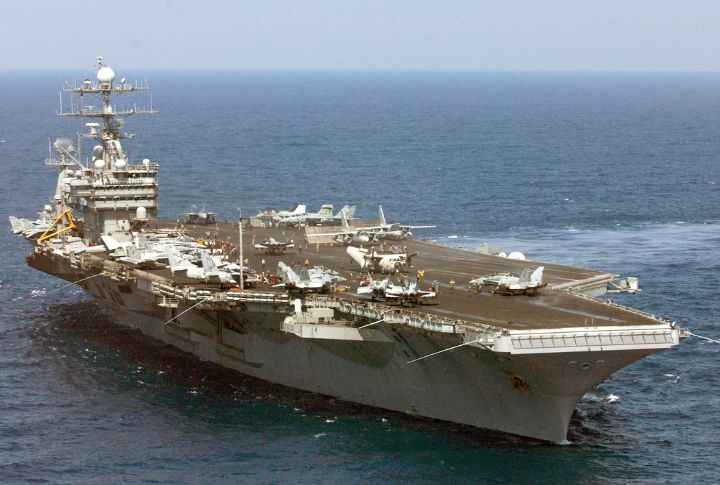
Transiting the Panama Canal is challenging for U.S. aircraft carriers. Even with the expanded locks, the width of the Nimitz-class and Gerald R. Ford-class vessels at the flight deck exceeds the 180-foot width of the new Panama Canal locks.
Historical Transits of U.S. Aircraft Carriers through the Panama Canal
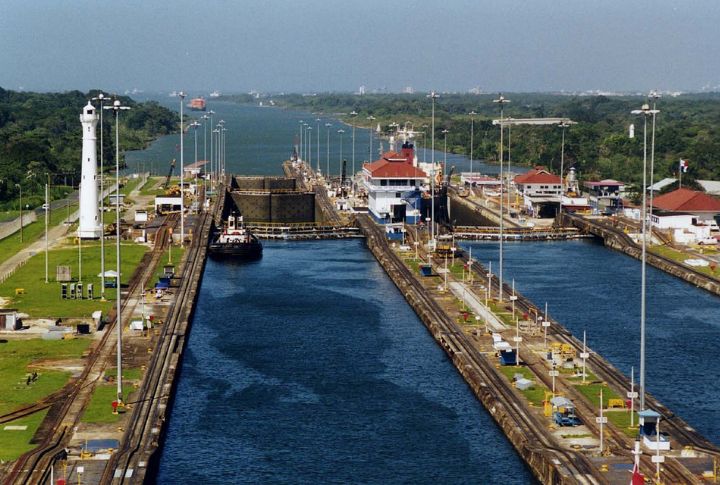
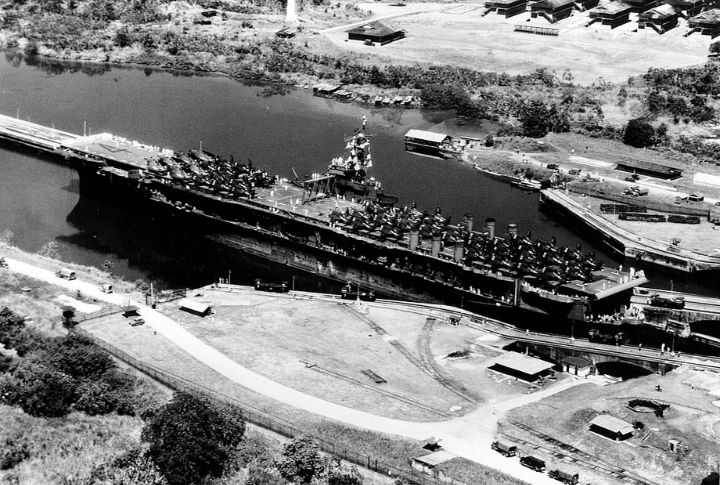
Historically, smaller aircraft carriers, such as those from the World War II era and the early Cold War, could transit the Panama Canal. Though still substantial, these vessels were within the dimensions allowed by the original locks.
Impact of Panama Canal Limitations
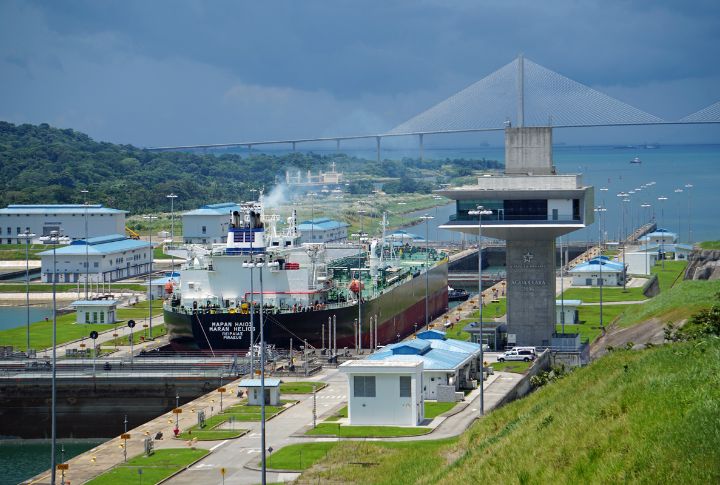
The inability of larger carriers to transit the Panama Canal has impacted naval operations. Without access to the canal, these carriers must navigate around the southern tip of South America, which means extra time, money, and distance to places between the Atlantic and Pacific Oceans.
Challenges of Navigating the Panama Canal
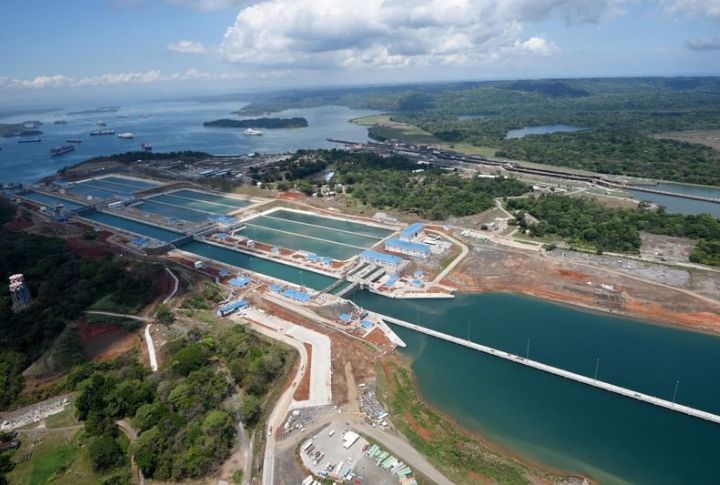
The narrow width and tight turns of the canal’s locks are significant obstacles for ships with modern carriers’ enormous beam and length. The canal’s limited draft also requires precise control to prevent grounding.
Operational Strategies for Canal Transits
When transiting canals like the Suez Canal, the U.S. Navy employs specific operational strategies to ensure the safe passage of its aircraft carriers. These strategies include using specialized tugs to assist in maneuvering and deploying canal pilots who are experts in navigating the specific waterway.
Potential Alternatives to Canal Transits
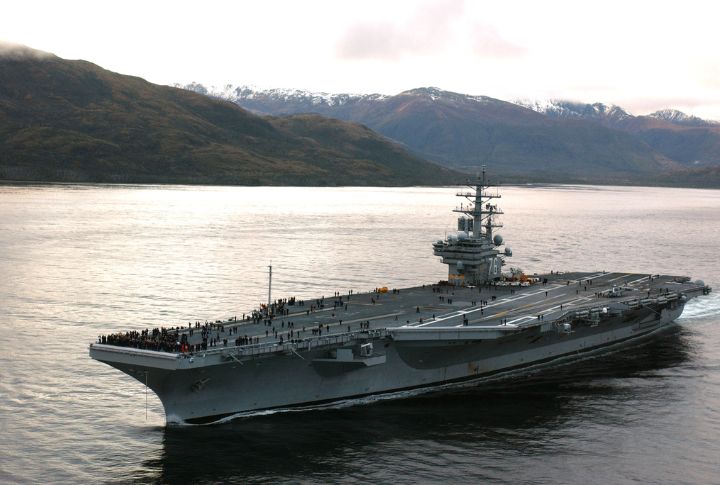
Given the limitations of the Panama Canal for U.S. aircraft carriers, alternative routes and strategies are essential. One alternative is the Strait of Magellan, located at the southern tip of South America, which offers an unrestricted, albeit longer, passage between the Atlantic and Pacific Oceans.
Future Developments in Canal Infrastructure
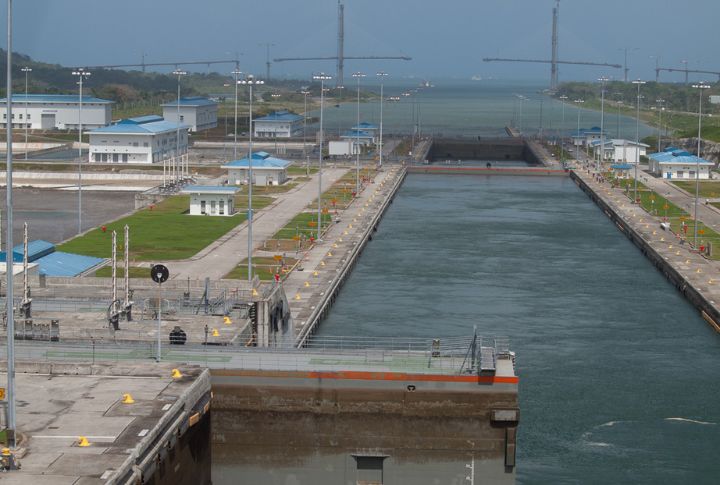
As global shipping trends evolve, ongoing discussion exists about expanding the Suez and Panama Canal. The Panama Canal Authority, for instance, has considered increasing its capacity and allowing larger ships, though the feasibility of accommodating supercarriers still needs to be determined.