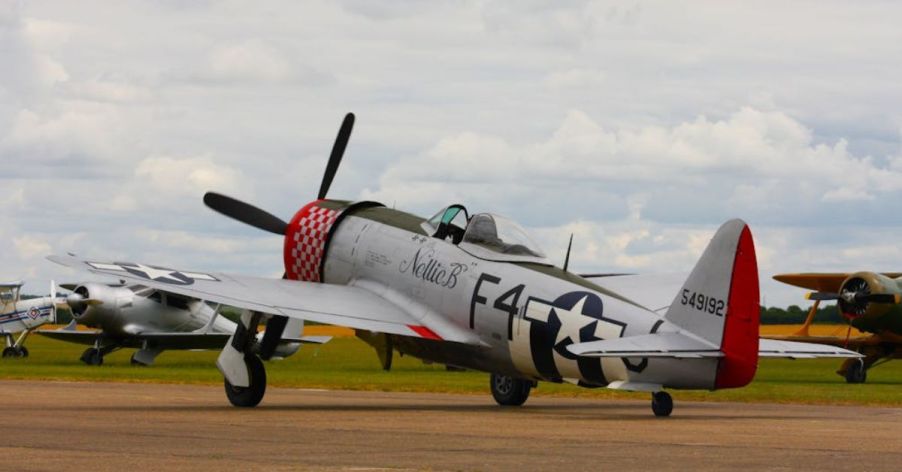
How The P-47 Thunderbolt Became A WWII Legend And Beyond
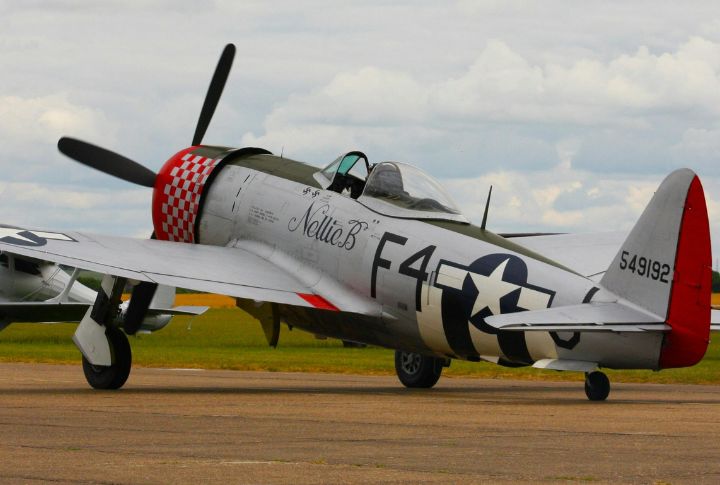
German troops called it “The Juggernaut,” and for good reason. The P-47 Thunderbolt brought relentless power and engineering muscle to the skies of WWII. It wasn’t just another fighter—it reshaped aerial combat. And even today, its legacy continues to roar. Here’s what made the Thunderbolt unforgettable.
Firepower That Roared Like Thunder
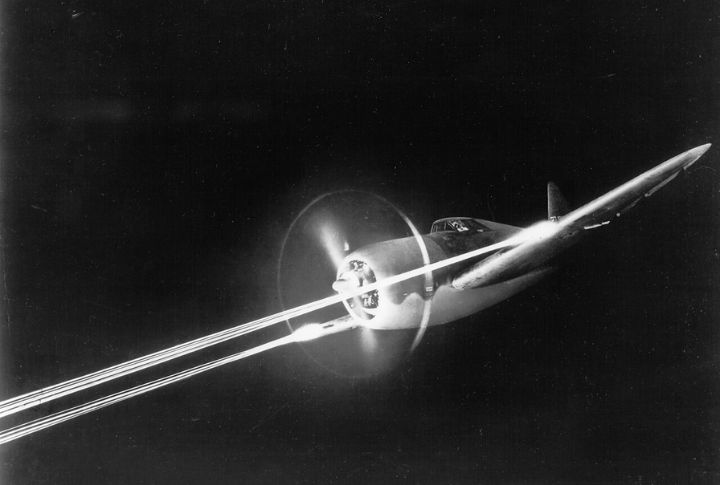
Enemy trains, tanks, and bunkers didn’t stand a chance. Fitted with eight .50-caliber guns and up to ten rockets, the Thunderbolt delivered destruction with unmatched force. As a result, ground targets usually disappeared before they even saw what hit them.
Unmatched Kill Count In Ground Attack Missions
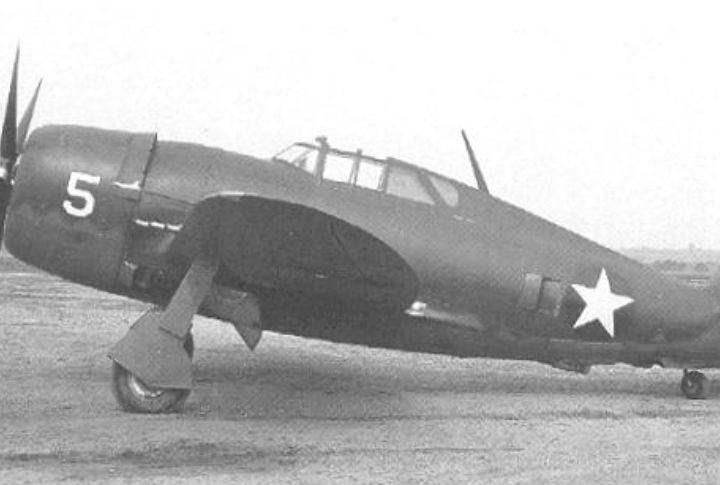
The P-47 destroyed more ground targets than any other Allied fighter in Europe—over 86,000 railway cars, 9,000 locomotives, and 6,000 armored vehicles. Its firepower and battlefield presence turned it into a relentless ground-attack machine that left German supply lines in ruins.
Ruler Of The Sky’s Thin Air
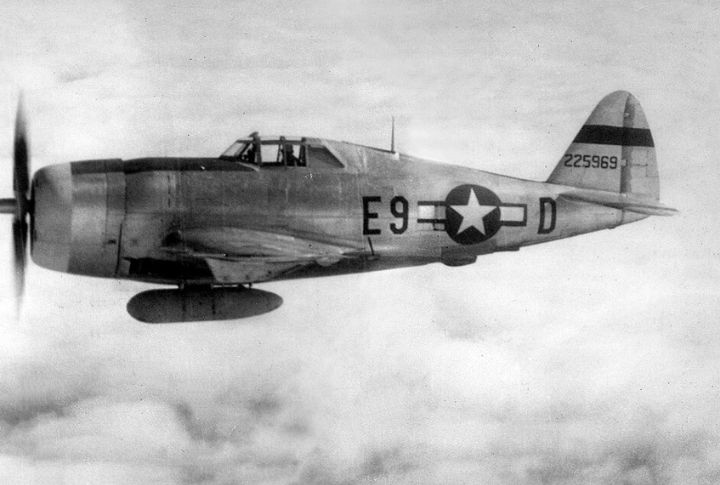
At 30,000 feet, many fighters stalled, but not the P-47. Thanks to its turbo-supercharger, it excelled in thin air. In fact, it could escort bombers far above enemy flak. When others faltered up high, the Thunderbolt climbed like a sky king.
Dives That Shook The Ground
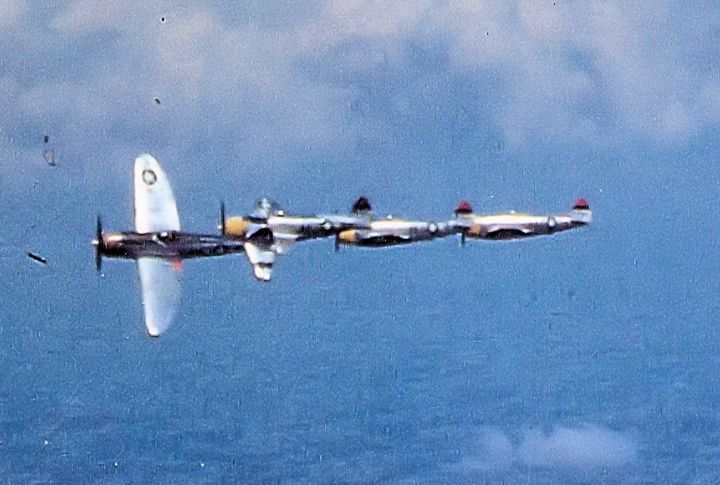
When the P-47 went into a dive, it plummeted at over 500 mph without flinching. Its rugged frame absorbed the stress that other planes couldn’t handle. Each descent turned into a thunderclap of precision and force, earning it a brutal reputation as a high-speed war hammer.
The Biggest Of The Bunch
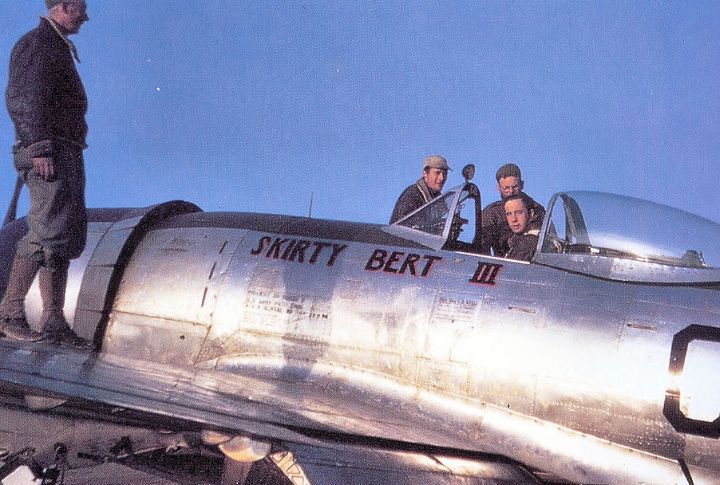
It weighed over 10,000 pounds, more than any other single-engine WWII fighter. Yet, this flying heavyweight still hit 426 mph. Few enemy aircraft could escape it. Large and lethal, it made brute force look graceful.
Devastating Energy Retention In Combat
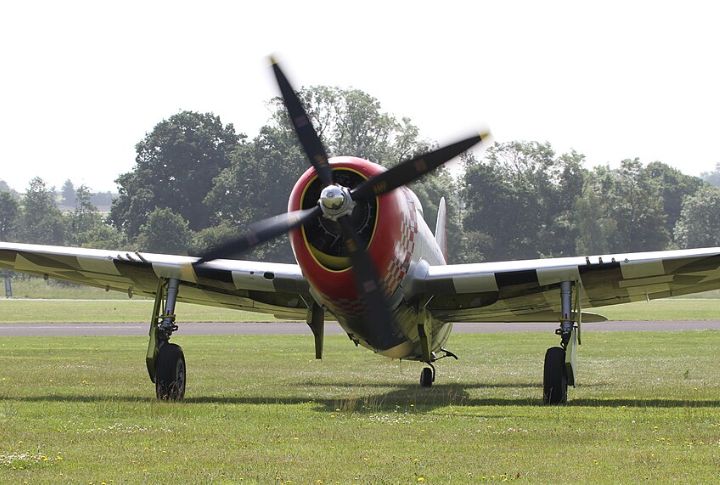
The P-47’s weight and turbocharged engine gave it impressive energy retention in combat. It could dive fast, climb quickly, and reset the fight. Pilots used this to strike hard, break away, and return with speed, leaving slower enemy fighters at a constant disadvantage.
Master Of Many Missions
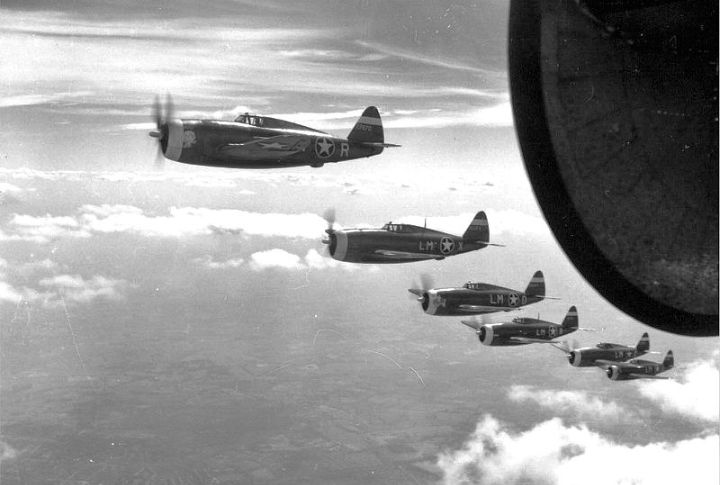
Whether escorting bombers, snapping recon shots, or hammering targets, the P-47 did it all. Moreover, it excelled across Europe and the Pacific with equal ferocity. Its adaptability outshone most aircraft. No wonder it served as the ultimate multi-role fighter.
Shield Above the Bombers
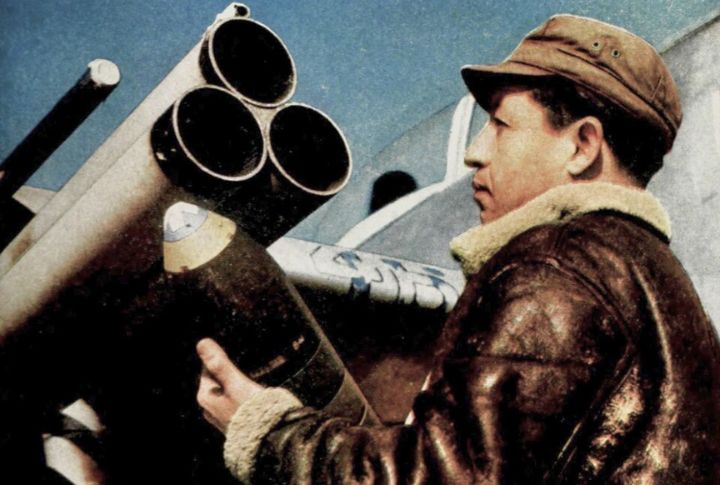
Before Mustangs came along, the Thunderbolt was the top bomber escort. It protected B-17s and B-24s deep into enemy territory. Unsurprisingly, its presence above bomber groups made long-range missions far more survivable. The sky felt safer under the shadow of these wings.
Psychological Warfare In The Sky
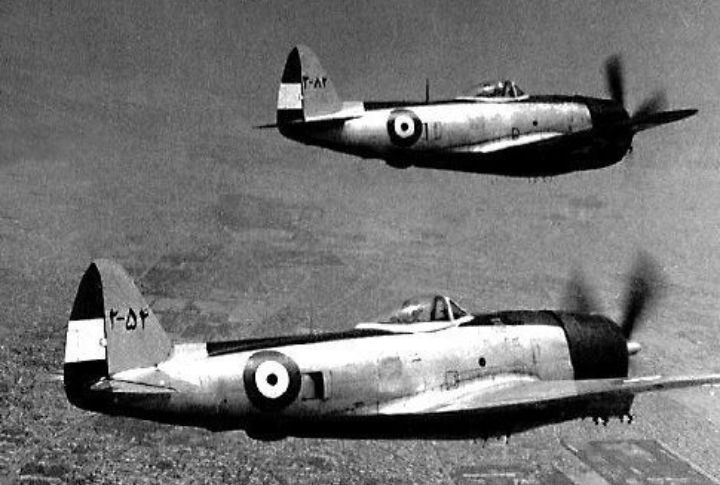
The P-47’s size, sound, and firepower made it terrifying before it even appeared. German troops recognized its roar instantly, often reacting with fear. Its presence disrupted morale and sowed hesitation in enemy ranks, proving that fear alone can be a powerful weapon in combat.
Still Flying, Still Feared
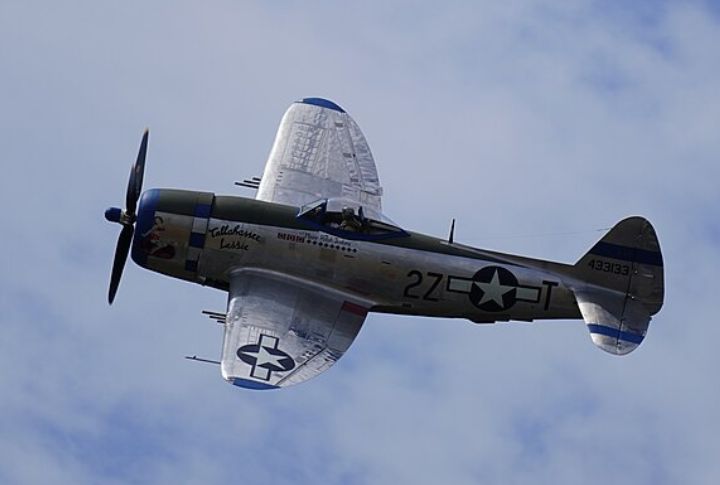
Over 15,000 P-47s were made, and some still fly today. Even decades later, this warbird holds up in airshows and aviation circles. It stayed in service into the 1950s. The legend never retired but rather just changed runways.