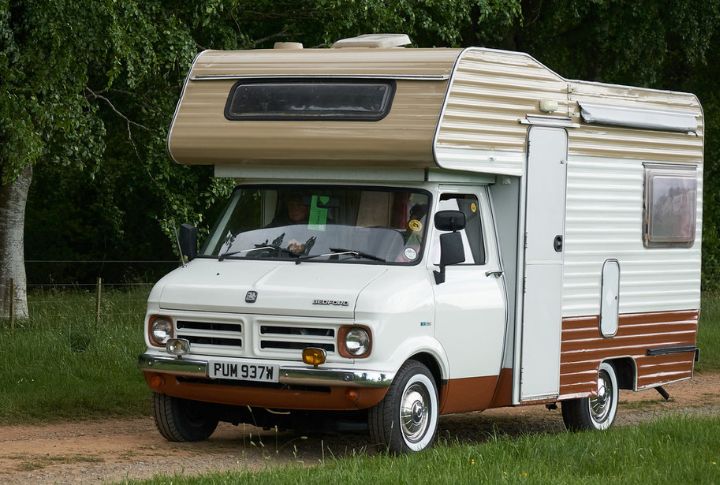
How RVs Have Evolved In The Last Century
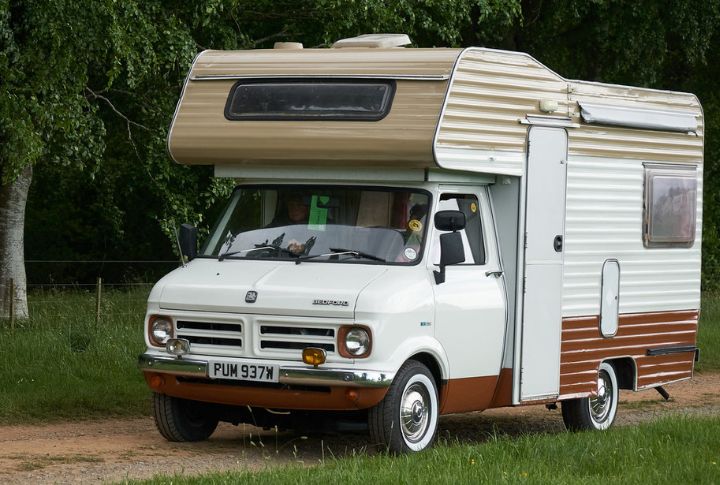
The modern recreational vehicle (RV) we know today has come a long way since its humble beginnings, evolving from horse-drawn wagons to luxurious motorhomes. But this transformation didn’t happen overnight. It’s a journey shaped by innovation, changing lifestyles, and a desire to adapt to the needs and dreams of generations of travelers. Here’s a walk through how it all started.
The Birth of RVs
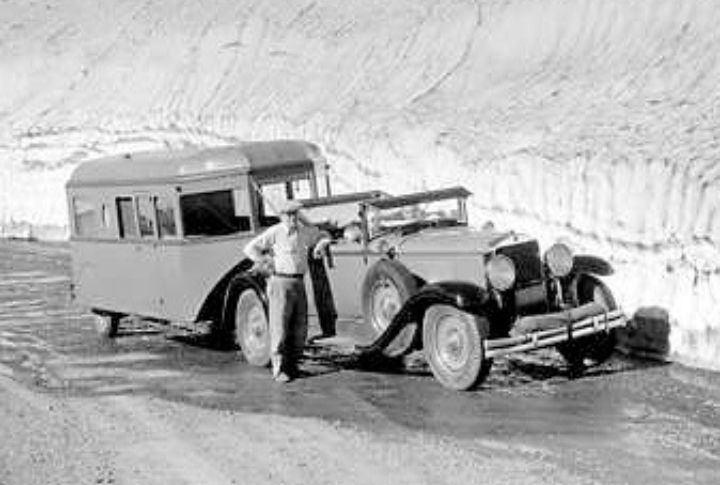
Reports of the first Recreational Vehicle link back to England. It was named “The Wanderer,” a horse-drawn caravan from 1884. The USA caught up with the McMaster Camping Car in 1889, and by 1896, the world’s first powered RV, Prince Oldenburg’s Grande Diligence, was built in France.
Introduction of Motorized RVs
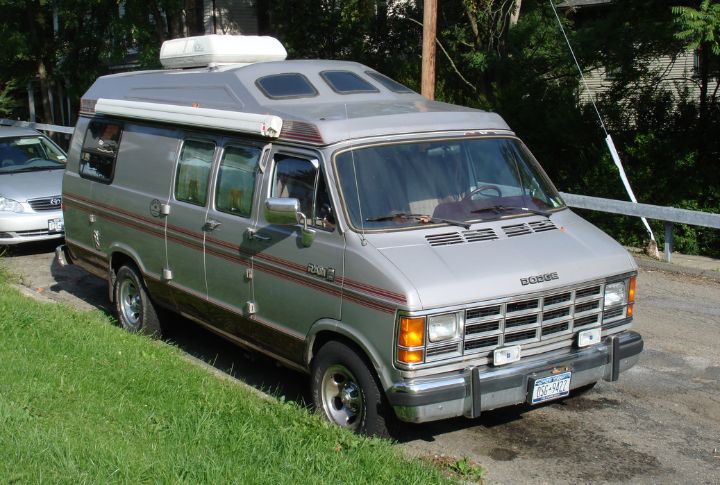
It was not until between 1904 and 1906 that motorized RVs for leisure camping were introduced. They were the camp cars by Roy Faye and Freeman Young. The 1910 Pierce-Arrow Touring Landau, often cited as the first RV, was reportedly a luxury touring vehicle rather than a true RV designed for sleeping.
Early RV Features
Early RVs pioneered basic amenities that, while seeming old-fashioned today, were groundbreaking. Features like folding beds, rudimentary cooking facilities, and primitive sanitation systems were the norm. Some models had innovative storage solutions and collapsible furniture. However, early RV designers faced challenges balancing comfort with weight and aerodynamics.
The Rise of Travel Trailers
In the 1930s, there was a boom in travel trailers. Companies like Airstream introduced streamlined, aircraft-inspired designs that reduced drag and improved fuel efficiency. Innovations in hitches and suspension systems made towing more accessible and safer. The Covered Wagon Company mass-produced affordable trailers, making RV travel accessible to more Americans.
Post-War RV Boom
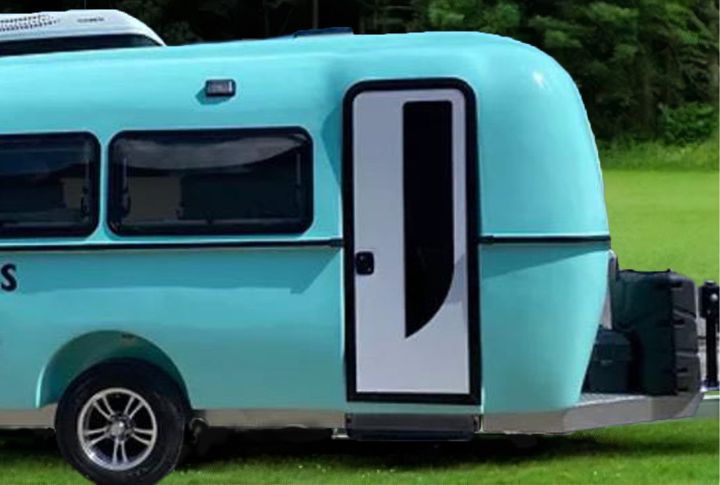
A few years after the Second World War ended, improved chassis designs and suspensions from the automotive industry enhanced ride quality. RV manufacturers adopted lightweight materials and aerodynamic shapes. Features like propane refrigerators, onboard water tanks, and improved electrical systems became standard, and the iconic “canned ham” trailer shape emerged.
The Rise of the Motorhome

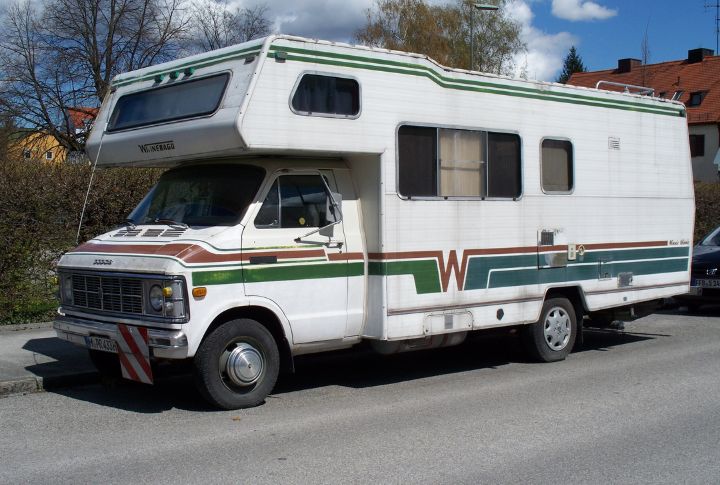
Then, in the 1960s, Motorhomes integrated living spaces with driving compartments, offering a more seamless transition between driving and camping. Brands like Winnebago pioneered designs that maximized interior space while maintaining drivability. These all-in-one RVs had better layouts, improved insulation, and more powerful engines that set a new standard for RV comfort and functionality.
How One Brand Changed the Game
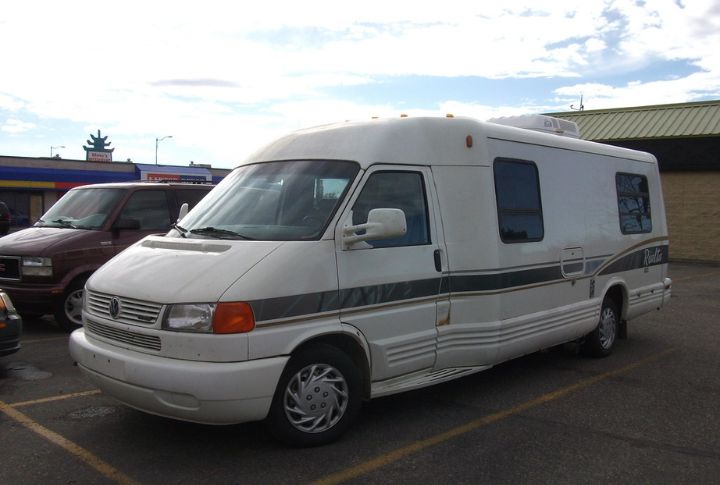
Winnebago transformed the RV industry in the late 1960s-1970s through assembly-line production. This approach reduced costs and made RVs more accessible. Standardized components improved reliability and ease of repair. The brand’s signature boxy design became popular with motorhomes and influenced competitors. Hence, this brand earned a place in American culture.
The Evolution of RV Engines
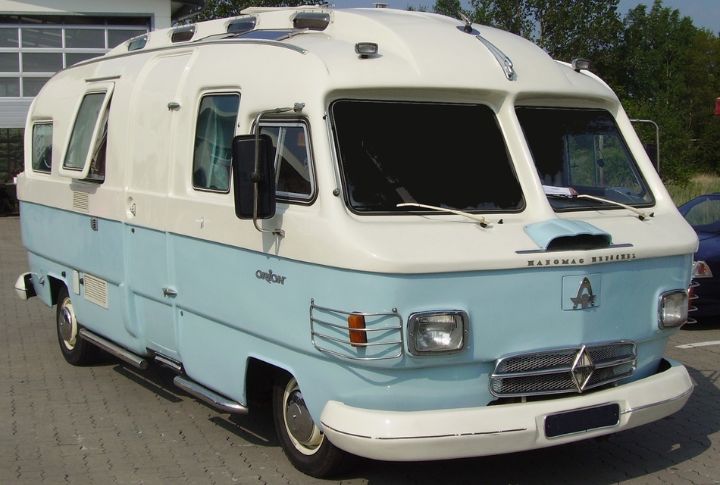
Initially gas-guzzling behemoths, RV engines transitioned to more efficient power plants when manufacturers adapted truck engines for RV use. This shift towards more efficient engines directly responded to the oil crisis of the 1970s. Diesel engines gained popularity for their torque and efficiency, and modern RVs now benefit from advancements like turbocharging and direct injection.
When RVs Went Luxury
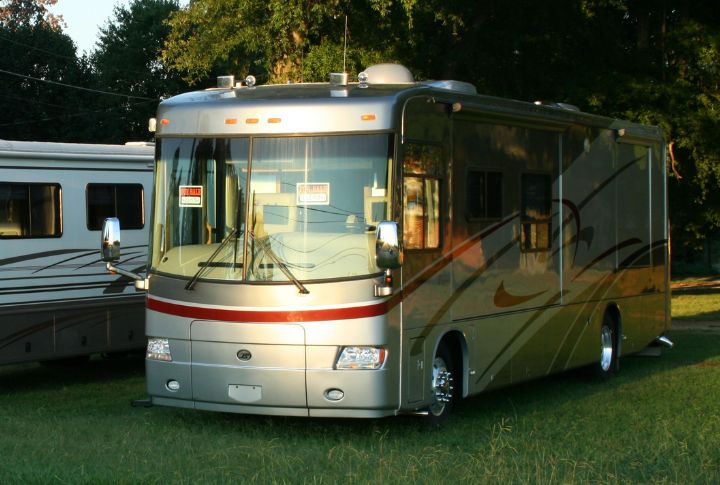
High-end RVs soon began incorporating car-like amenities, blurring the line between mobile homes and luxury vehicles. Air conditioners, full bathrooms, and entertainment systems became standard, pampering travelers. Some luxury models also had marble countertops, hardwood floors, and state-of-the-art sound systems. These rolling palaces catered to discerning travelers seeking comfort on the road.
Slide-Outs and Expansion
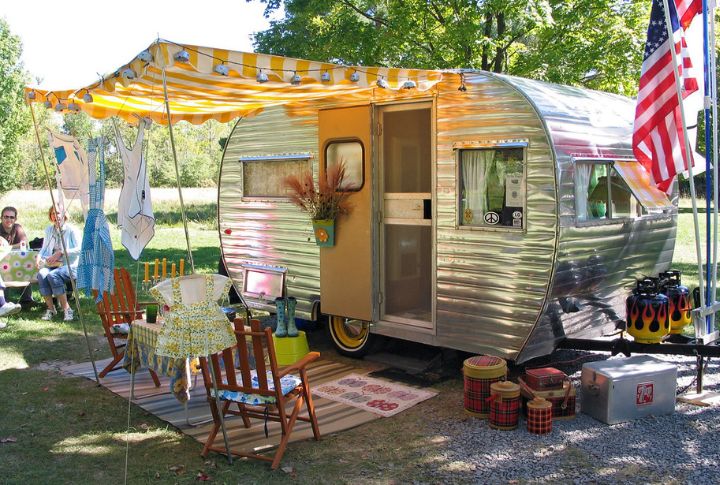
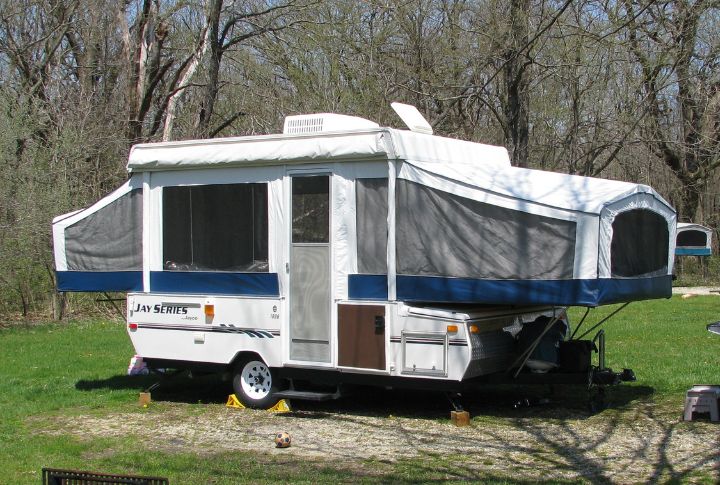
To maximize interior space without compromising road-legal dimensions, manufacturers introduced slide-out rooms. Powered by hydraulics or electric motors, these expandable sections increase living space when parked. Pop-up campers and expandable trailers offered compact towing with spacious campsite setups and appealed to those with smaller tow vehicles.
Towing Redesign
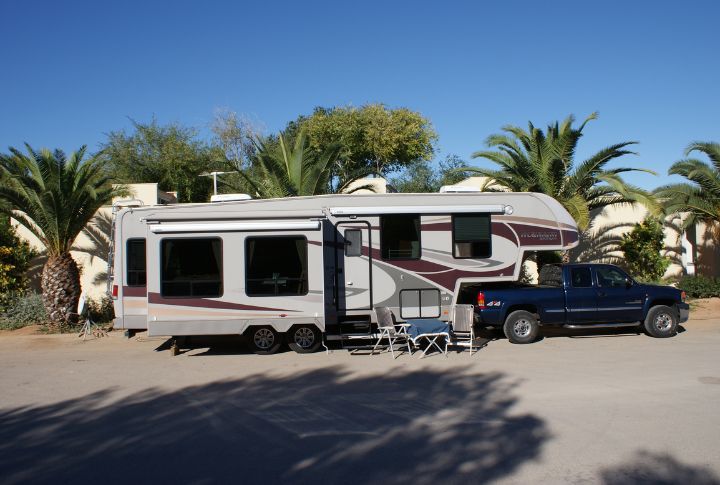
Advanced hitches and stability control systems revolutionized Recreational Vehicle towing. Weight distribution improved handling and reduced strain on tow vehicles. Electronic sway control systems enhance safety by automatically applying brakes to individual trailer wheels, and backup cameras and trailer angle sensors make maneuvering easier, even for novice RVers.
Off-Road RVs
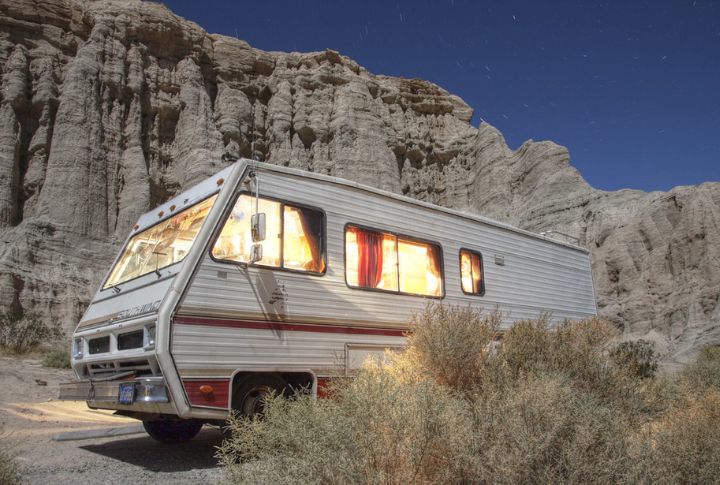
Rugged designs emerged for adventure lovers seeking to explore beyond paved roads. These off-road RVs feature reinforced chassis, increased ground clearance, and all-terrain tires. Some models incorporate active suspension systems adapted from off-road racing. Solar panels and large water tanks extend off-grid capabilities.
Smart RVs
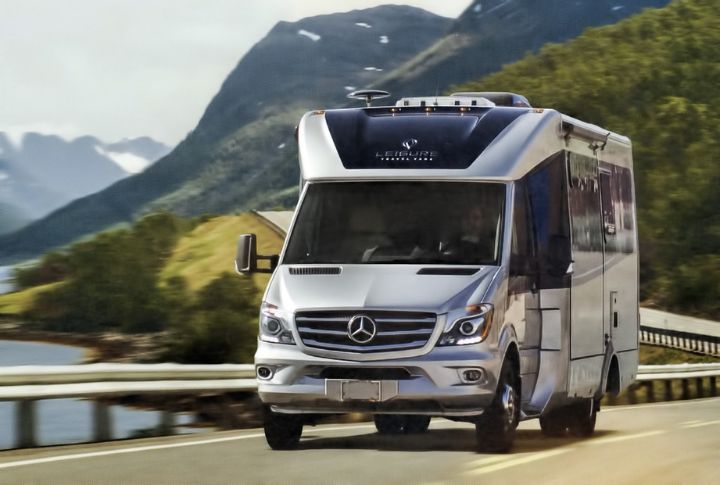
Some high-end models feature voice-activated controls and automated leveling systems. Wi-Fi boosters and satellite internet keep RVers connected, even in remote locations. The integration of modern technology transformed RV functionality and allowed owners to control lighting, climate, and security from smartphones. IoT sensors monitor tank levels, tire pressure, and battery status.
Custom RV Builds
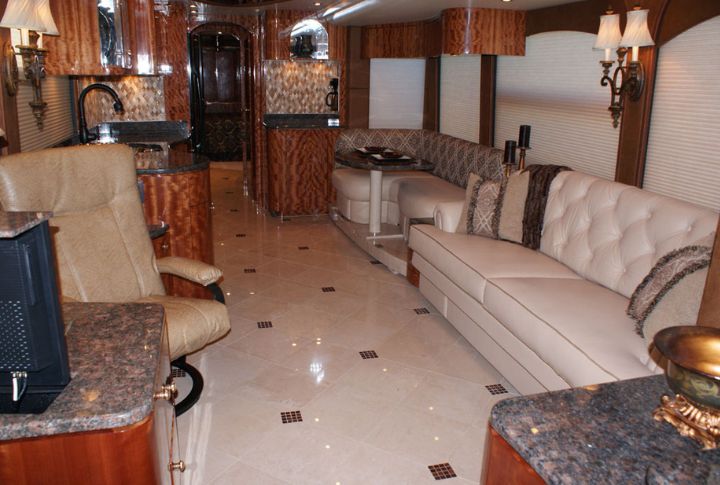
The world of custom RVs caters to niche enthusiasts—race car haulers double as luxury living spaces for track days. Mobile man caves have built-in entertainment systems and bars. Some designs incorporate garages for motorcycles or ATVs. These bespoke creations show the convergence of automotive passion and RV functionality, limited only by imagination and budget.
The Future of RVs
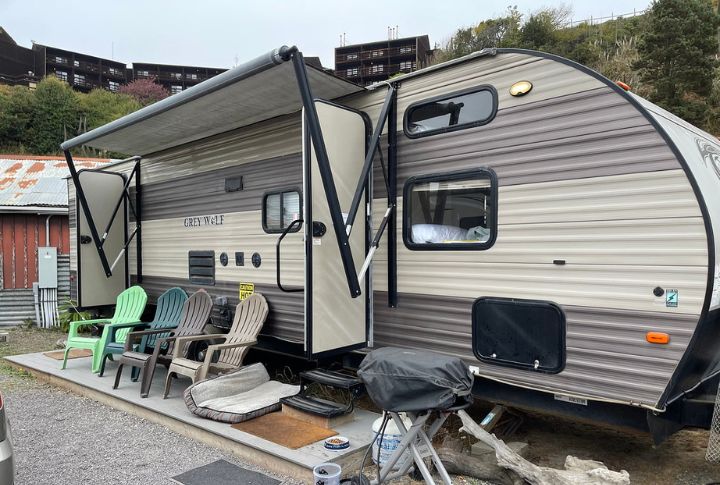
Autonomous features are set to change RV travel. Self-driving capabilities could make long journeys more relaxing. Concept designs explore modular RVs that can separate living spaces from driving units. Alternative energy sources like hydrogen fuel cells may power future RVs. As automotive technology evolves, RVs will continue to innovate with exciting developments for road trip enthusiasts.