How Pontiac Revolutionized American Muscle Car History
In the world of muscle cars, few brands have left as profound a mark as Pontiac. With its unapologetic approach to power and performance, Pontiac didn’t just follow the rules—it rewrote them. Let’s take a trip through the past and explore how this legendary automaker changed the face of American muscle cars forever.
The Birth of Pontiac
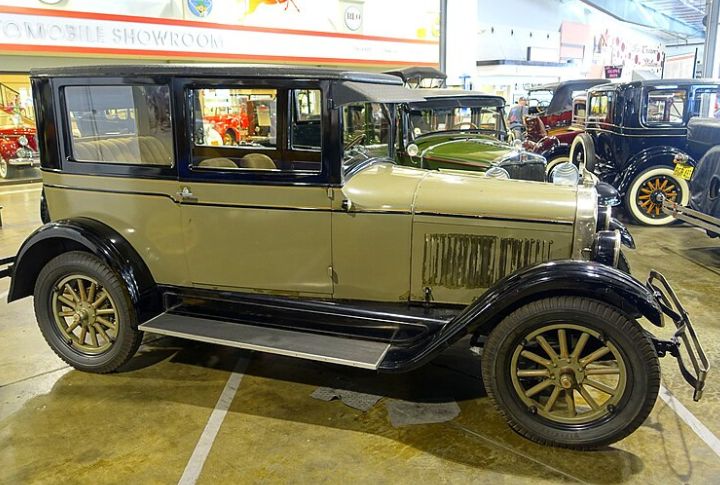
Pontiac originated in 1926 as a companion brand to Oakland. It quickly gained popularity and surpassed Oakland to become its own division by 1933. Named after the Odawa chieftain, they focused on performance and practical transportation.
Pontiac’s Early Innovations

In the 1930s and 1940s, Pontiac made significant advancements, notably introducing the overhead valve engine. This innovation marked a shift towards performance-oriented vehicles, and these early innovations laid the groundwork for its later success in the muscle car market during the 1960s.
Pontiac’s Contribution to the Muscle Cars Era
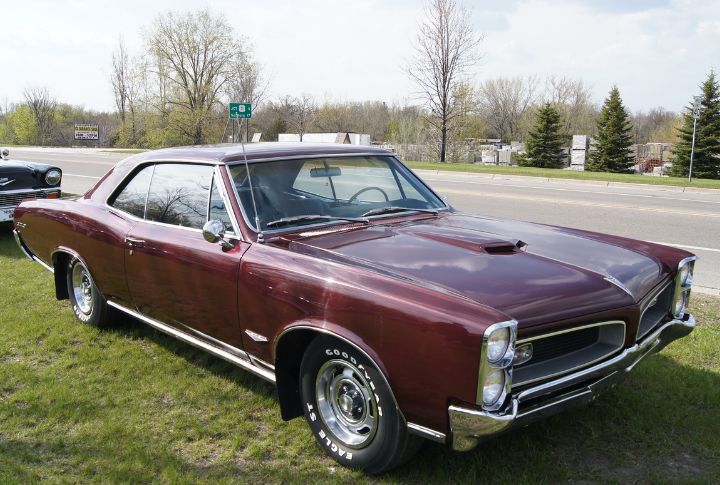
Pontiac played a pivotal role in shaping the American muscle car era. Known for its bold designs and powerful engines, the brand introduced iconic models like the GTO and Trans Am, which not only captured the spirit of the era but also set new standards for speed and style.
Pontiac’s Design Philosophy
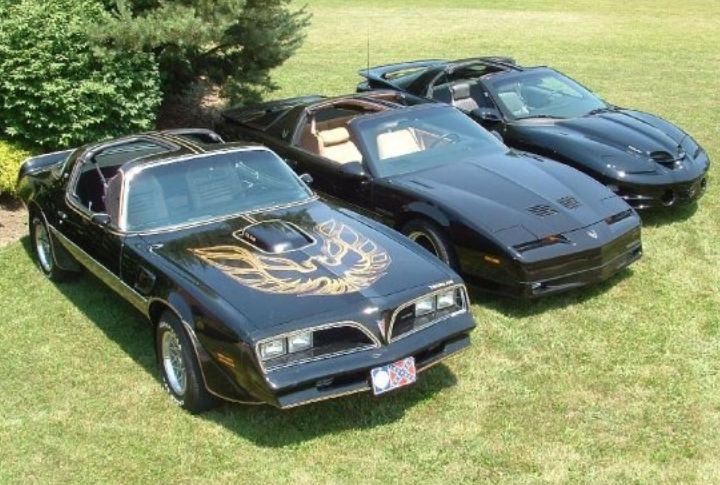
Their design focus was on power, a sporty look, and comfort. For example, the GTO had strong engines in lighter bodies to attract younger drivers. Meanwhile, the 1969 Grand Prix mixed muscle car strength with luxury, and the Firebird offered designs for driving and racing.
The Pontiac LeMans and Its Muscle Car Revolution
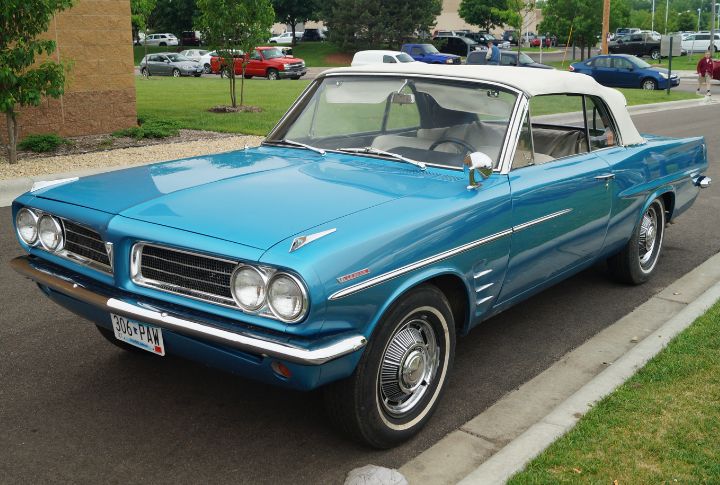
Introduced in 1961 as a replacement for the Star Chief, the Pontiac LeMans quickly became significant in the muscle car era. The 1964 GTO performance package transformed it into a powerful contender and enhanced its performance reputation.
The Pontiac GTO Legacy
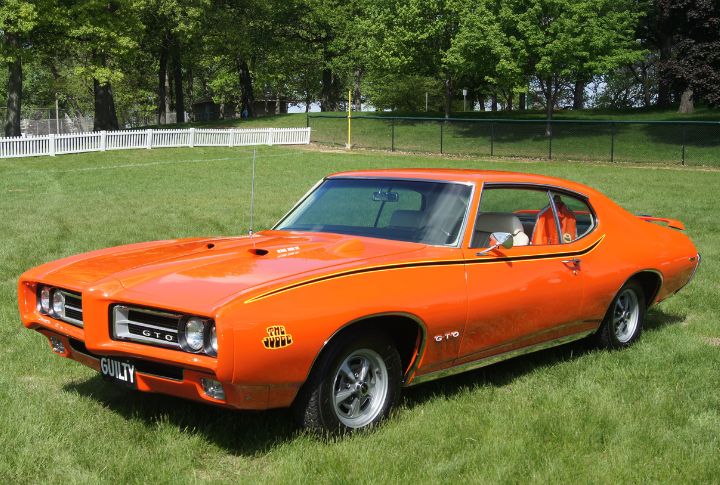
The Pontiac GTO, produced from 1963 to 1974, helped popularize the muscle car segment. Initially an option on the LeMans, it became a standalone model, showcasing powerful V8 engines. Its success sparked competition among automakers.
The Firebird Trans Am
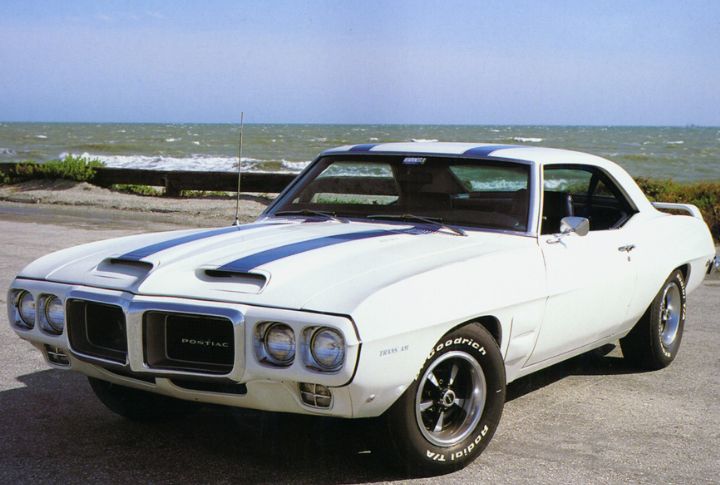
Introduced in 1969 as a performance variant of the Firebird, the Trans Am featured aggressive styling and powerful engine options. Later, it became a cultural icon after its appearance in the films Smokey and the Bandit.
The Pontiac Grand Prix GTP

Built from 1997 to 2003, the Pontiac Grand Prix GTP was a high-performance variant featuring a supercharged 3800 Series V6 engine with 240 horsepower. With a sportier suspension and aggressive styling, it was often seen as a sleeper car.
Pontiac’s Legacy of Customization
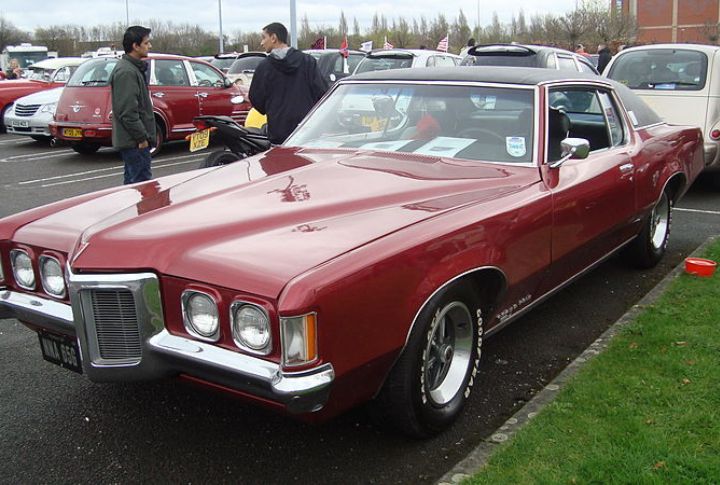
Pontiac muscle cars brought a rich legacy of customization. The iconic GTO set the standard, while models like the 1969 Grand Prix blended power with luxury. Their unique styling and innovations, like the 1959 model’s wider track, further solidified this legacy.
Pontiac’s Marketing Strategy
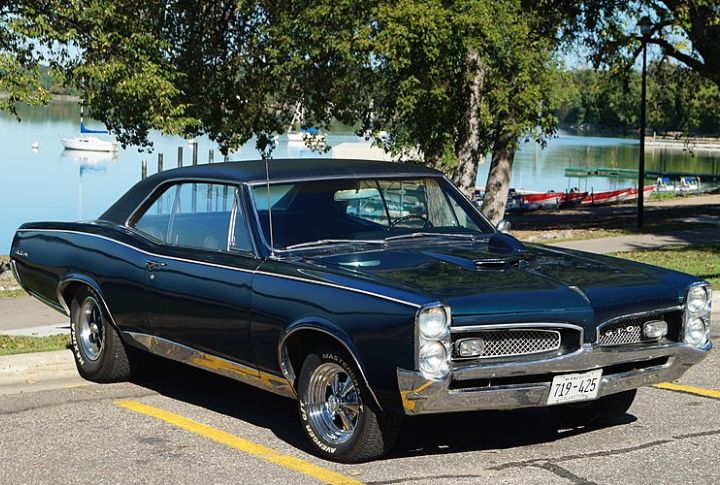
During the 1960s, Pontiac’s marketing shifted focus to performance and excitement. With the tagline “We Build Excitement,” the brand emphasized a lifestyle associated with owning a Pontiac. This strategy effectively connected with younger buyers.
Engine Options and Performance

It offered many engine options for its muscle cars, including the potent 400 and 455 V8s. These engines provided impressive horsepower and torque, allowing Pontiac vehicles to deliver exhilarating performance on the road.
Safety Features
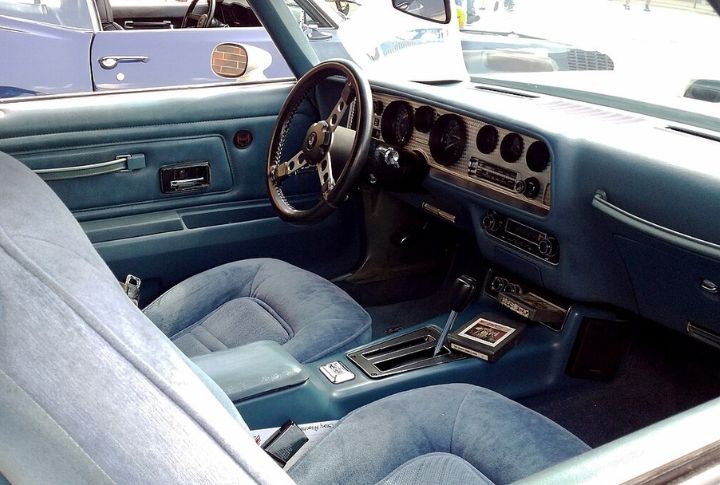
The company made significant strides in safety features for performance cars and introduced anti-lock brakes and airbags. They also focused on reducing pollutants by modifying designs, such as lowering rear axle ratios and removing chrome elements.
Pontiac’s Cultural Impact
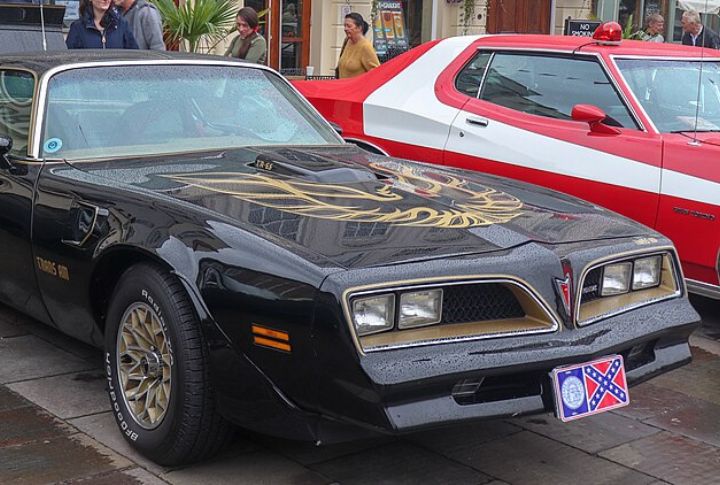
Pontiac’s muscle cars, especially the Trans Am, became cultural icons of American power and style. Featured prominently in films like Smokey and the Bandit and Two-Lane Blacktop, models like the GTO also symbolize the muscle car era.
Competition with Other Brands
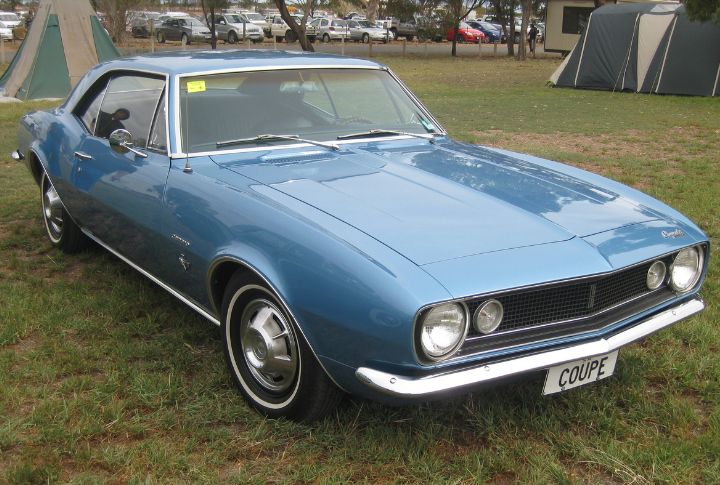
One of its biggest rivals was Chevrolet, another division of General Motors. Models like the Camaro and Corvette gave Pontiac’s GTO and Firebird a run for their money. While Pontiac carved out its niche with powerful, stylish cars, the brand struggled to maintain its market.
Pontiac’s Muscle Car Decline

Pontiac’s muscle car era declined due to various factors, including a changing market and falling sales since the 1980s. General Motor’s restructuring weakened Pontiac’s performance image, while poorly received models like the Aztek further damaged its reputation.