How Diesel Took Over Trucking and Transformed Global Transport
Diesel started as an experimental idea in the 1890s but went on to revolutionize the freight world. What began as a fuel-saving invention quickly became the go-to power source for trucks, ships, and machines that built modern economies. Here’s how diesel trucking evolved—and why its legacy still matters today.
Rudolf Diesel Patents A New Combustion Concept In 1892
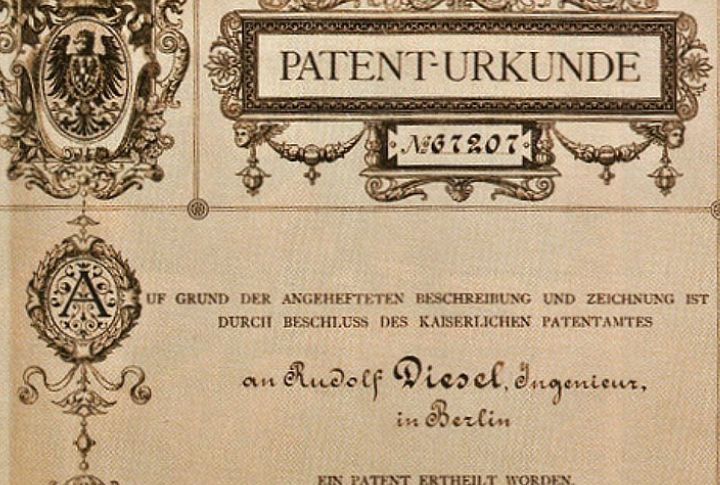
In 1892, Rudolf Diesel secured German patent DRP 67207 for a compression-ignition engine using high-pressure air to ignite fuel without a spark. He aimed to create an engine with superior fuel efficiency, especially compared to steam and gasoline engines common at the time.
Prosper L’Orange’s Precombustion Chamber Solved Diesel’s Portability Problem
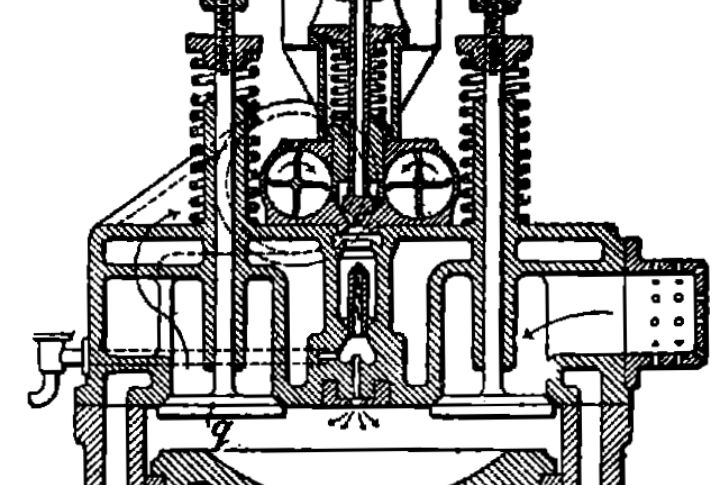
In 1909, Prosper L’Orange patented a precombustion chamber that made diesel engines viable for vehicles. It enabled better fuel-air mixing and smaller engine builds. This innovation was key in transitioning diesel from stationary applications to mobile platforms like trucks and buses.
Benz & Cie. Unveils The First Diesel Truck
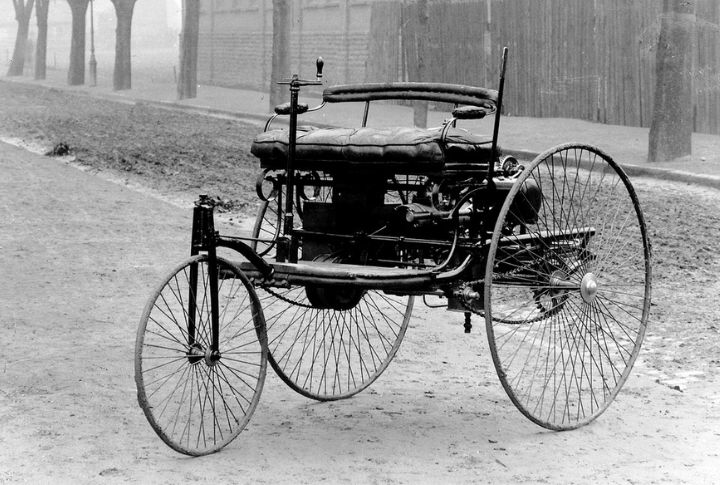
Benz & Cie. debuted the first diesel truck at the 1923 Berlin Motor Show. Powered by a four-cylinder OB 2 engine producing 33 kW at 1,000 rpm, the five-tonne hauler consumed about 25% less fuel than gasoline rivals, which drew quick attention from commercial transport sectors.
Diesel Engines Emerged As The Better Fit For Heavy Freight Demands
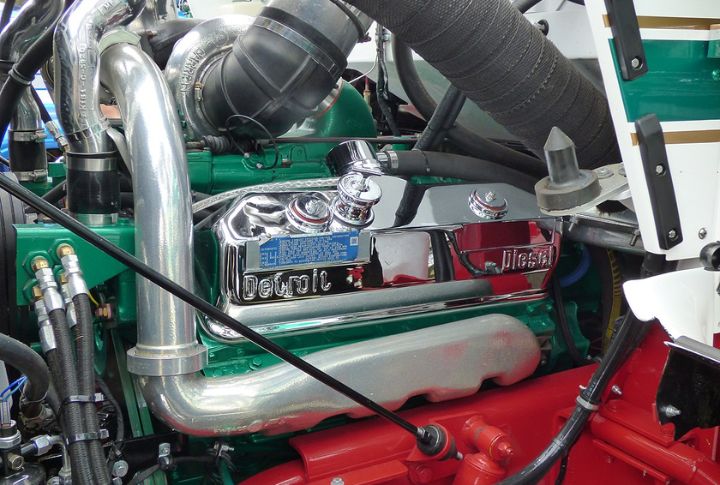
Early gasoline engines offered about 20% thermal efficiency but overheated often and wore out fast. Their volatility raised costs, especially under heavy loads. Diesel engines brought high compression ratios up to 25:1 and peak torque at low RPM. Many lasted over 930,000 miles before overhaul—perfect for long-haul freight.
Germany Turned To Diesel As A Cheaper Alternative After WWI
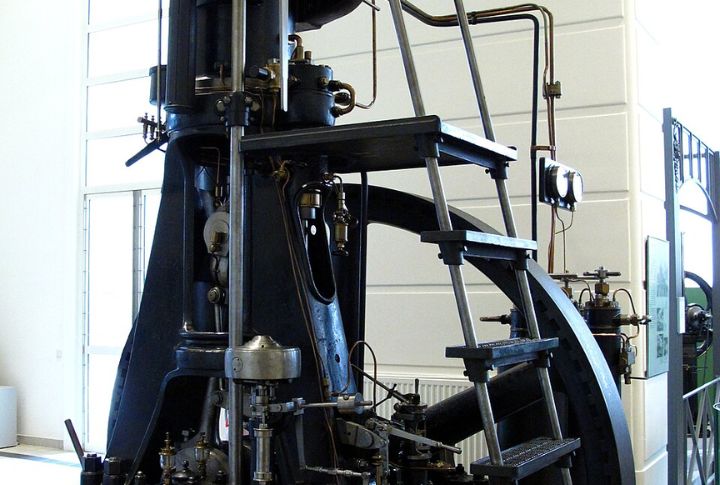
After WWI, Germany’s fragile economy and costly gasoline imports forced a pivot. Diesel engines, able to run on low-grade oils, offered a lifeline. Their rugged design and fuel flexibility helped industries stabilize during hyperinflation and made them a smart choice for early commercial fleets.
Diesel’s US Entry Lagged Behind Europe Until The 1930s
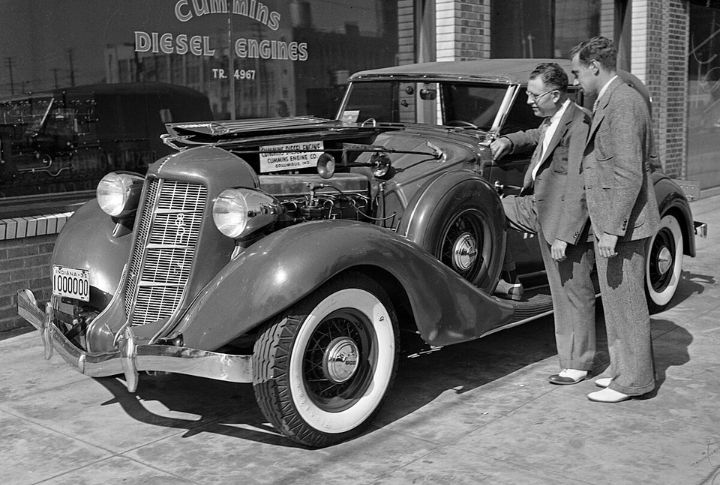
American freight favored gasoline through the 1920s due to its abundant supply and service infrastructure. Diesel gained traction only after Cummins demonstrated a diesel truck’s coast-to-coast drive in 1931. The trip required just one fuel stop. This proved unmatched efficiency and endurance.
World War II Logistics Cemented Diesel As A Military Standard
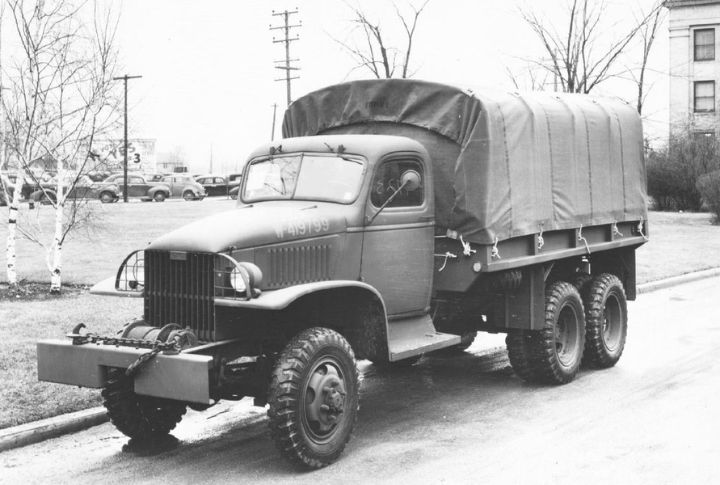
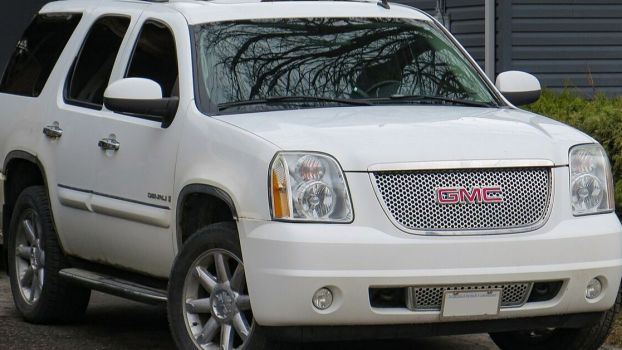
During World War II, diesel engines were favored for military trucks and fuel carriers due to safety and fuel economy. The US relied on vehicles like the GMC CCKW. Diesel’s lower volatility simplified fueling logistics and made convoy operations less vulnerable to combustion hazards.
By 1950, Diesel Trucks Dominated European Freight Markets
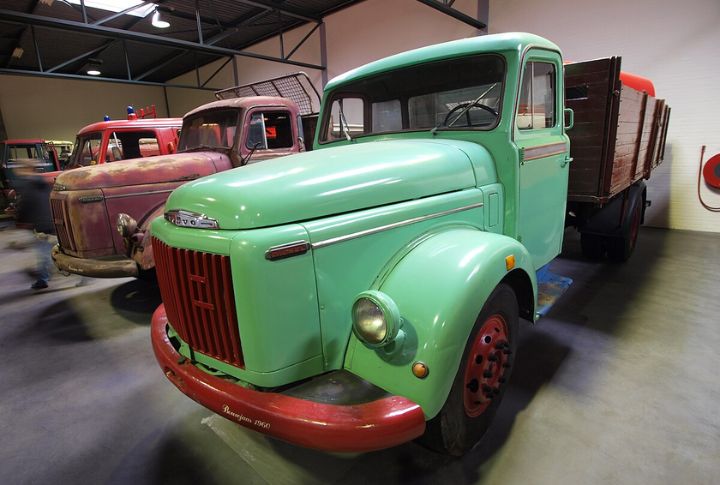
By the 1950s, diesel trucks had taken over Europe’s freight scene, powering more than 60% of commercial haulers. Fuel efficiency and long-distance durability became core priorities. Companies like Mercedes-Benz and Volvo ramped up production, making diesel the continent’s dominant choice for heavy logistics.
Diesel Engines Shaped Global Infrastructure
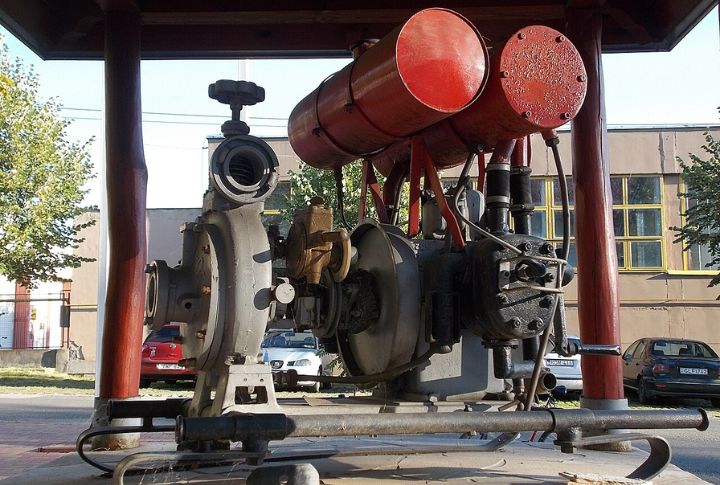
Beyond trucks, diesel engines have become essential to global infrastructure. Their durability and fuel economy made them ideal for powering ships, locomotives, and heavy equipment. As industries rebuilt after World War II, diesel technology helped drive construction, mining, and agriculture across continents.
From Efficiency Pioneer To Phase-Out Target
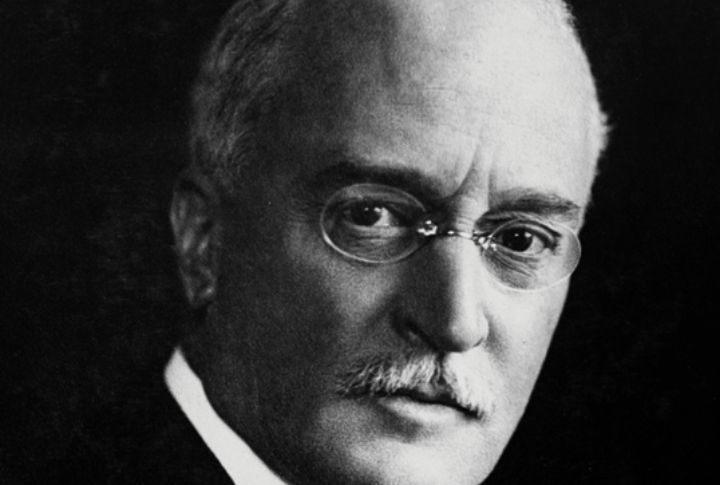
Rudolf Diesel once envisioned alternative fuels like vegetable oil. A century later, diesel faces bans due to nitrogen oxide and particulate emissions. With electric truck adoption rising—projected at 30% of European sales by 2030—diesel’s dominance now contends with a transition to cleaner technologies.