How Air New Zealand’s 23,000-Ton Fuel Order Advances Sustainability
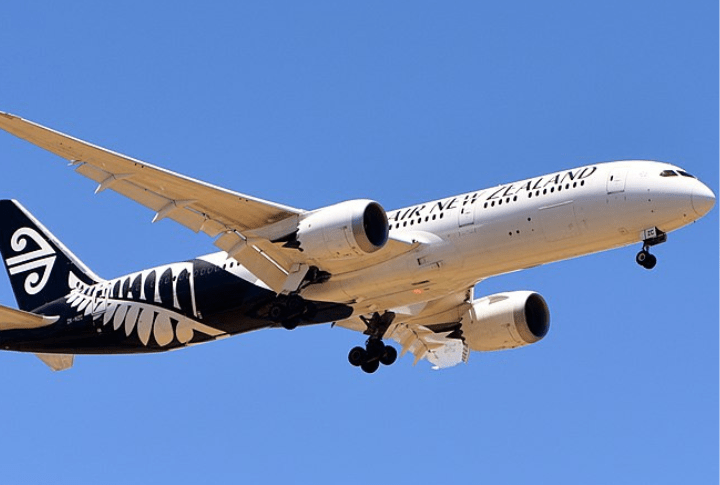
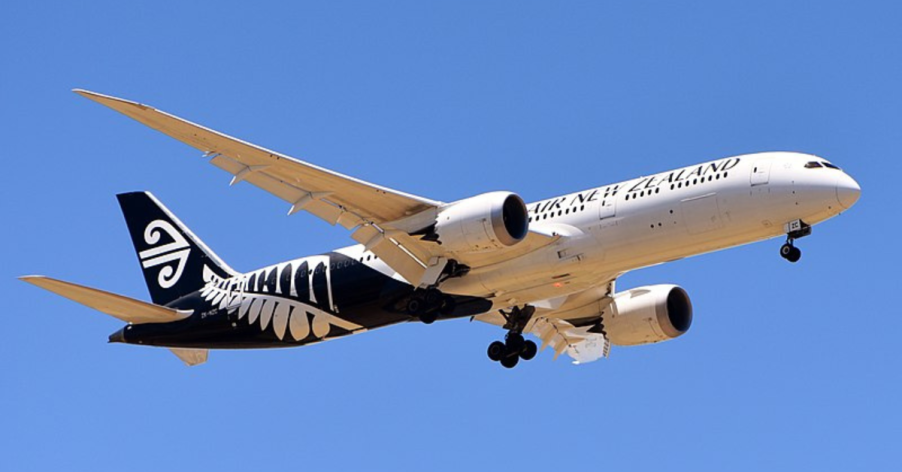
Air New Zealand’s unprecedented fuel order stands out as one of the largest in airline history. While the size of the purchase alone is impressive, the reasons behind it and its impact on operations and sustainability efforts make it even more noteworthy. Here’s a closer look into this record order.
Air New Zealand’s Largest Sustainable Aviation Fuel Purchase
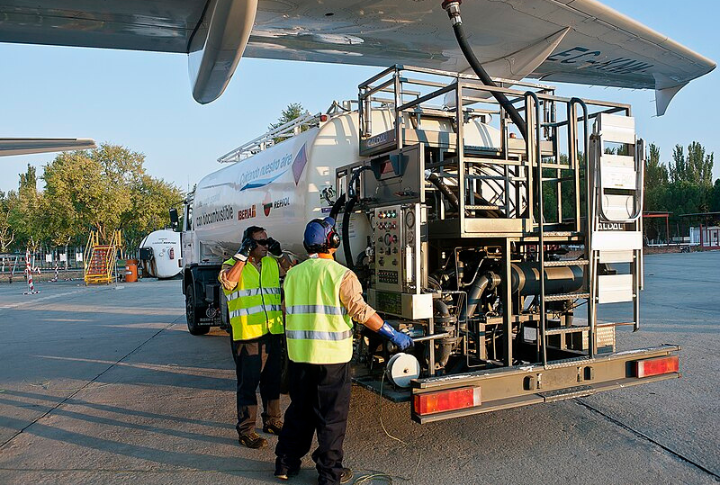
Securing over 30 million liters of sustainable aviation fuel (SAF), Air New Zealand made its most significant move toward reducing carbon emissions. The fuel, supplied by Neste, supports the airline’s commitment to cleaner air travel. This purchase reinforces the growing demand for sustainable alternatives in the aviation industry.
Strategic Deployment At U.S. Airports
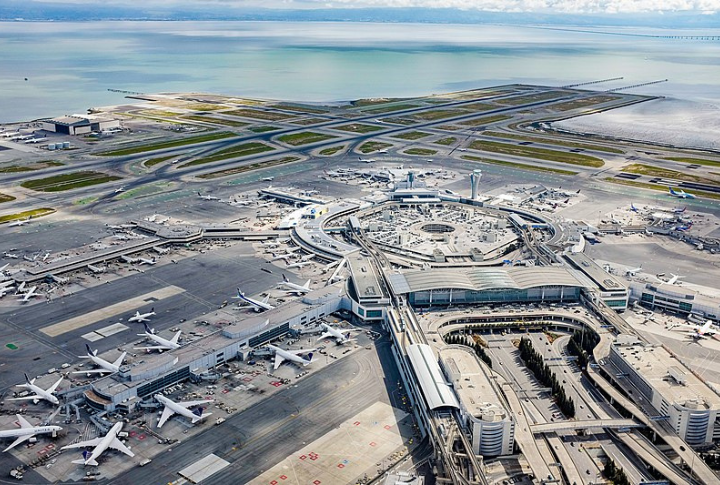
Los Angeles (LAX) and San Francisco (SFO) will serve as key fueling stations for Air New Zealand’s international routes. The decision to utilize U.S. airports enhances the airline’s logistical efficiency. Notably, fueling long-haul flights with SAF integrates sustainability into regular operations without requiring new infrastructure.
Incremental Increase In SAF Usage

A fourfold rise in sustainable fuel usage marks a key step in the airline’s transition. This purchase accounts for 1.6% of Air New Zealand’s total fuel needs for 2025. As SAF production scales up, this percentage is expected to grow, further supporting the company’s environmental goals.
Significant Reduction In Carbon Emissions

Burning SAF reduces greenhouse gas emissions by up to 80% compared to conventional jet fuel. The substantial cutback aligns with global aviation sustainability targets. Airlines face increasing pressure to lower their environmental footprint, making SAF a viable solution for reducing long-term climate impact.
Production From Renewable Waste Materials
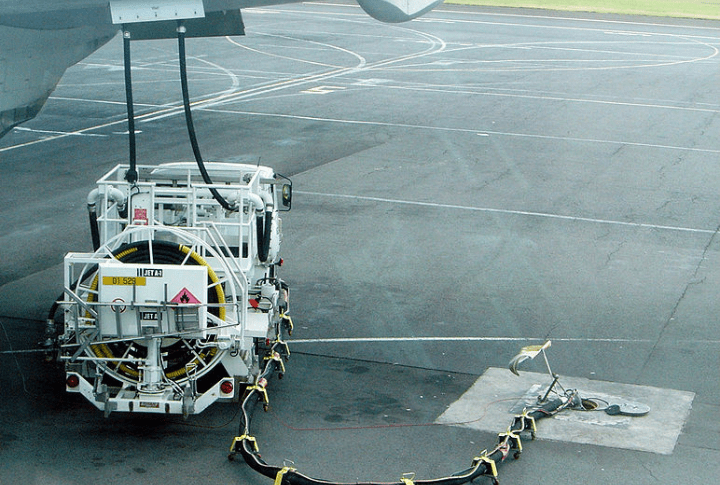
Refined from used cooking oil and animal fat waste, Neste’s SAF exemplifies circular economy principles. Instead of relying on fossil fuels, Air New Zealand leverages renewable sources. Sustainable alternatives like this help reduce dependency on crude oil and support global waste-reduction initiatives.
Compatibility With Existing Aircraft Systems

Mixing SAF with traditional jet fuel ensures smooth integration into current airline operations. No engine modifications are necessary, which makes the transition seamless. This drop-in fuel solution allows airlines to adopt sustainability without altering aircraft design, minimizing costs and technical challenges.
Impact On Ticket Prices And Operational Costs

Sustainable aviation fuel comes at a premium, often costing three to five times more than traditional jet fuel. Although Air New Zealand absorbs some of the cost, questions remain about whether this investment will eventually impact ticket prices or lead to government subsidies for greener air travel.
Challenges In Scaling SAF Production
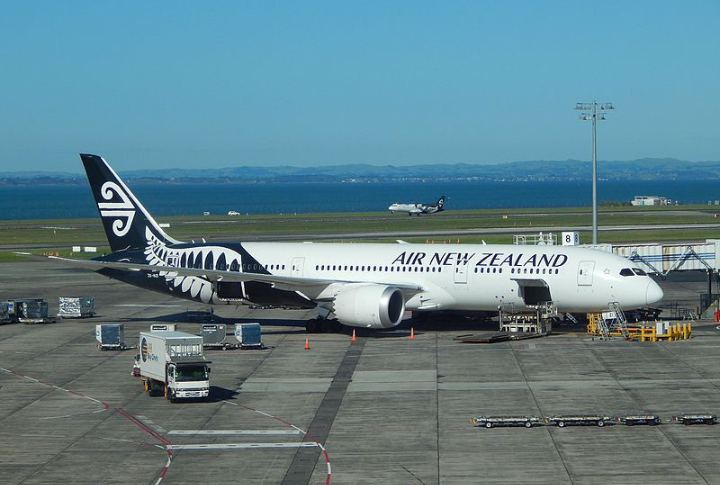
While Air New Zealand’s record SAF order marks progress, scaling production remains a significant hurdle. Limited refining capacity and supply chain constraints restrict how much SAF can be produced globally. High production costs—three to five times higher than conventional jet fuel—make it difficult for airlines to transition fully.
Advocacy For Supportive SAF Policies In New Zealand

Domestic production of SAF remains a challenge due to high costs and policy limitations. Air New Zealand urges the government to create incentives that make sustainable fuel more accessible. National strategies must align with international climate commitments to ensure long-term environmental and economic benefits.
New Zealand’s Role In The Asia-Pacific SAF Market
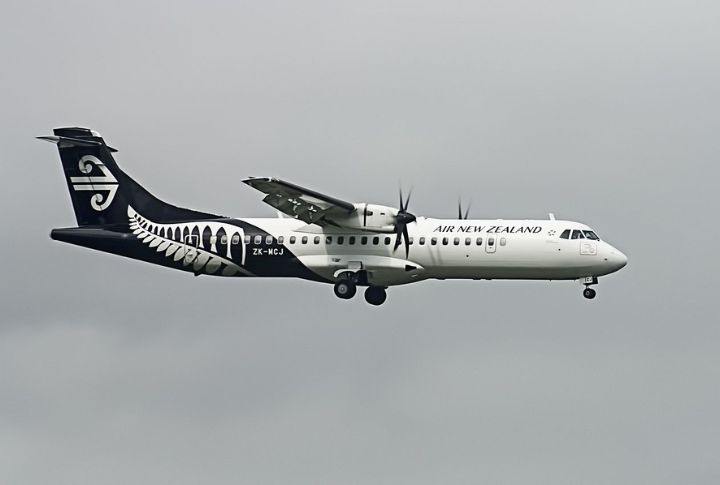
With Asia-Pacific air traffic projected to grow rapidly, New Zealand has the potential to become a regional leader in SAF adoption. However, infrastructure, policy support, and investment will determine if the country can scale up production to supply airlines beyond its borders.