Hit 100 mph in Connecticut, and you’ll earn more than just points
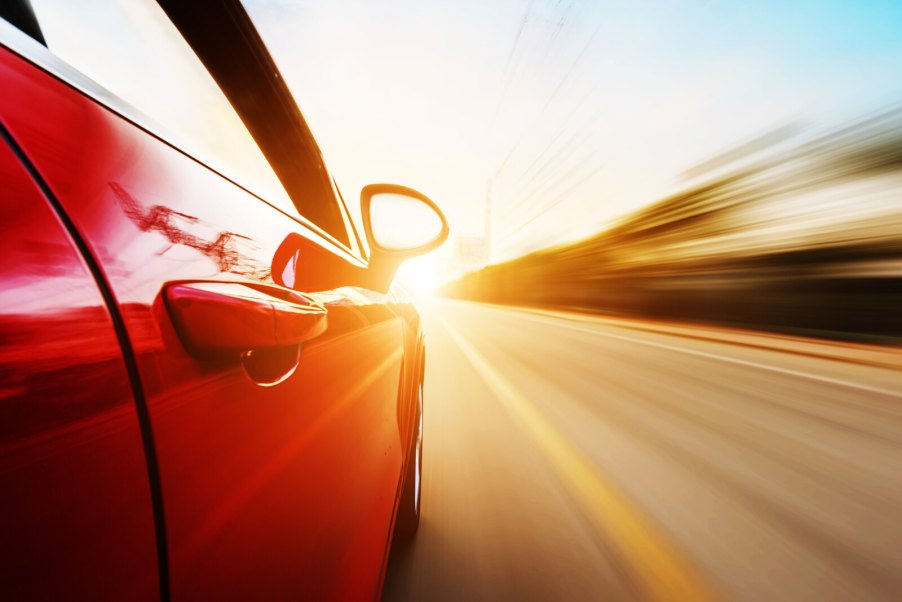
A new bill aimed at drivers caught “super speeding,” or going over 100 mph, would bring some of the state’s toughest penalties yet. The proposal, known as House Bill 7260, passed the state House with unanimous support. It’s now heading to the Senate.
If signed into law, the bill would allow police to issue fines of up to $1,000 to drivers caught super speeding
Offenders could also have their vehicles impounded for up to 48 hours, even if the violation happens in a parking lot or on private property. In more severe cases, drivers could face up to 30 days in jail, The Sun shared.
Lawmakers say the move is in response to a growing number of speed-related crashes on Connecticut roads. According to the University of Connecticut, there were more than 5,600 such car accidents statewide over the past year. At least 55 of those resulted in fatalities.
The legislation combines elements from two earlier proposals. One suggested penalties starting at 87 mph, while the final version focuses on violations above 100. For drivers speeding between 87 and 99 mph, the bill calls for a minimum $500 fine and two points on their license. For those caught above 100, the penalty rises to four points.
Representative Donna Veach, one of the lawmakers backing the bill, said she regularly sees dangerously fast drivers during her daily commute. She described Connecticut’s roads as increasingly unsafe and said stronger enforcement is needed.
Some lawmakers are also looking beyond fines and license points
With studies showing that many people continue to drive even after having their licenses suspended, there’s growing interest in using technology to help reduce extreme speeding.
One option being discussed is Intelligent Speed Assist, or ISA. These systems use GPS to track speed limits and can restrict how fast a car can go. Some versions can even prevent drivers from accelerating past a certain point.
If approved, the new rules would give Connecticut some of the strictest speeding laws in the country. Lawmakers hope it will make drivers think twice before pushing the limits.