Here’s Why the Subaru Crosstrek Is Loved (And Hated) in America
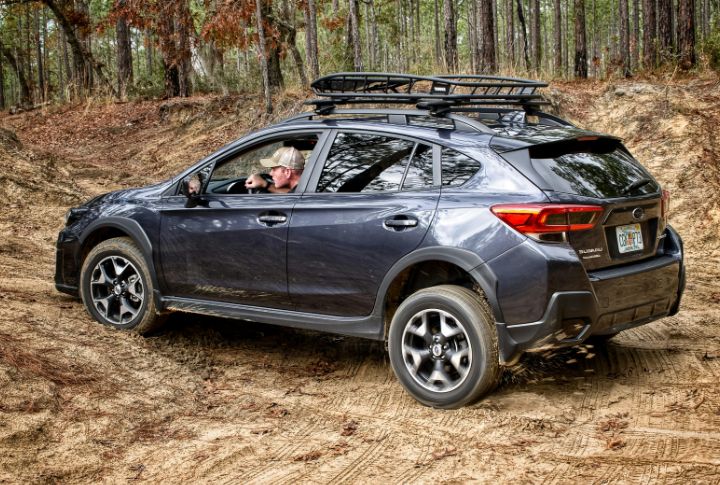
Introduced in 2012, the Subaru Crosstrek became a favorite among American drivers. Built on the Impreza platform, it offered the practicality of an SUV in a smaller, more agile package. However, the Crosstrek isn’t without its detractors, with critics complaining about several perceived drawbacks. Let’s explore why some people love the car, and others don’t.
All-Wheel Drive (AWD) Capability
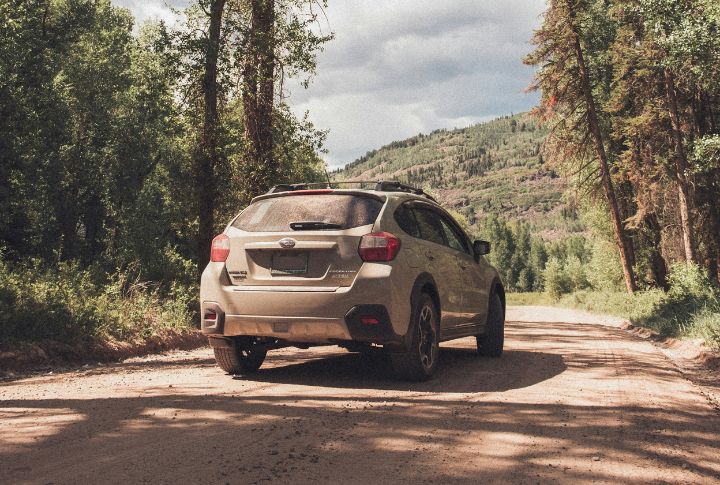
Americans love the Subaru Crosstrek because of its standard all-wheel drive (AWD) system. This feature provides excellent traction in various weather conditions, including rain, snow, and off-road environments. For drivers in regions with unpredictable weather, the AWD system enhances safety and control.
Fuel Efficiency
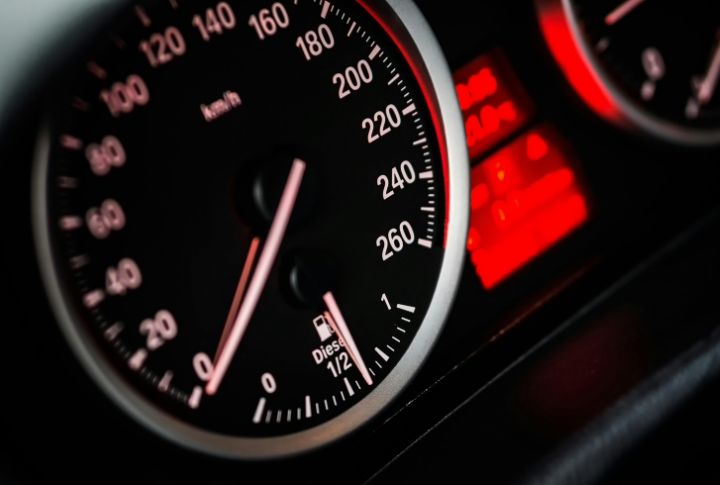
Despite its AWD capability, the Subaru Crosstrek offers impressive fuel efficiency, particularly with the hybrid model. The non-hybrid version provides around 27 mpg in the city and up to 34 mpg on the highway. For the hybrid variant, it further boosts these figures with an efficient alternative to other crossovers.
Affordability

This car is relatively affordable compared to other vehicles in the same category. It offers much value for its price, with a starting MSRP lower than many competitors. Still, it has many desirable features, including safety tech and driver assistance systems.
Off-Road Capability

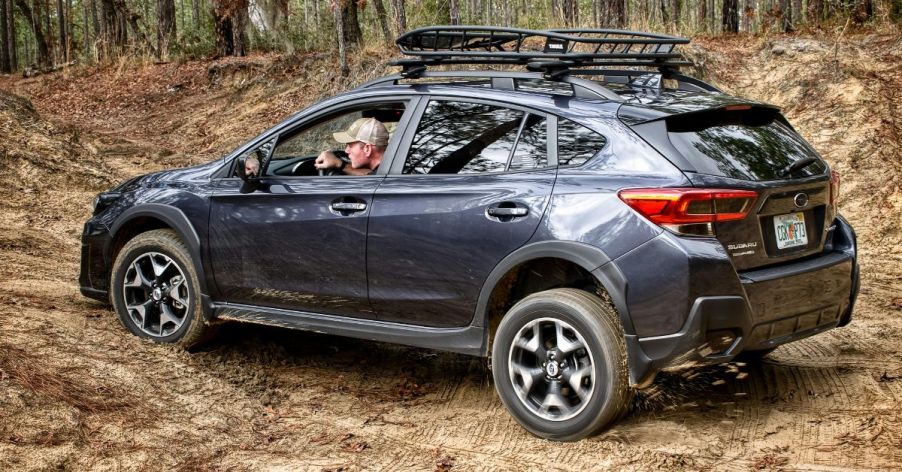
The Crosstrek’s higher-than-average ground clearance (8.7 inches) is another draw for Americans who enjoy outdoor adventures. It is ideal for driving through rugged trails or simply tackling uneven terrain. This ability makes it a popular choice for weekend warriors and those who like to explore nature.
Safety Features

Subaru is known for prioritizing safety, and the Crosstrek is no exception. It comes equipped with Subaru’s EyeSight Driver Assist Technology which provides adaptive cruise control, pre-collision braking, and lane-keep assist. These features and strong safety ratings make the Crosstrek appealing to families and safety-conscious drivers.
Underpowered Engine
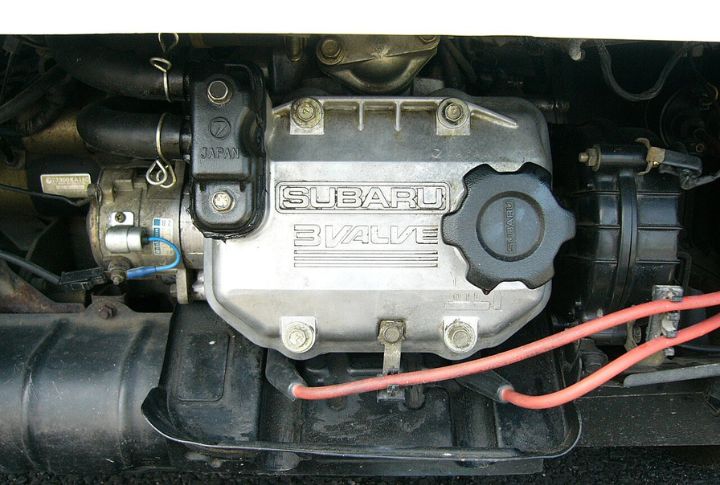
Despite these advantages, some Americans still find fault with the Crosstrek. One of the most common complaints is its lack of power, particularly in the earlier models. The base 152-horsepower 2.0-liter engine is often criticized for being sluggish, especially when merging on highways or carrying heavy loads.
Noisy Cabin
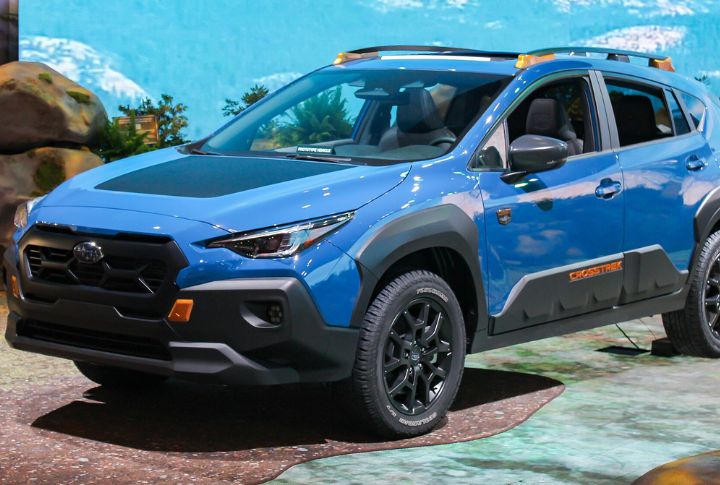
Some owners have reported that the Crosstrek’s cabin can be noisy, particularly at highway speeds. The engine tends to get loud under hard acceleration, and road noise can become intrusive on rough surfaces. This detracts from the comfort of long drives, especially for those used to quieter vehicles.
Limited Cargo Space
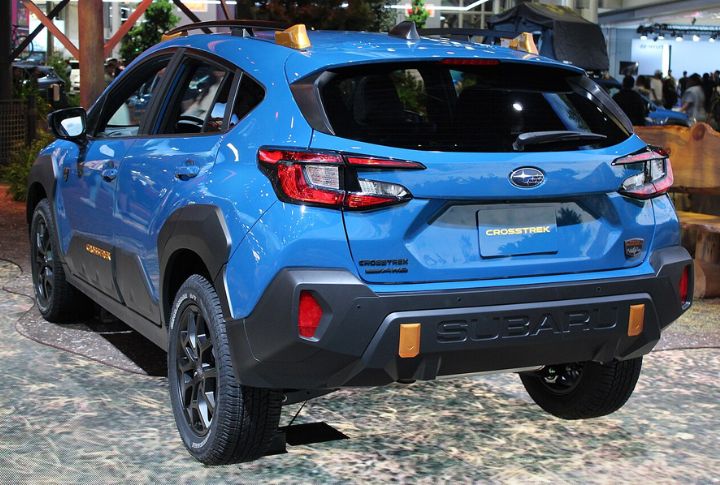
While the Crosstrek is classified as a crossover, it falls short in cargo capacity compared to some competitors. When the rear seats are in an upright position, the vehicle offers just 20.8 cubic feet of space, which can feel cramped for those needing ample luggage room.
Slow Acceleration with CVT
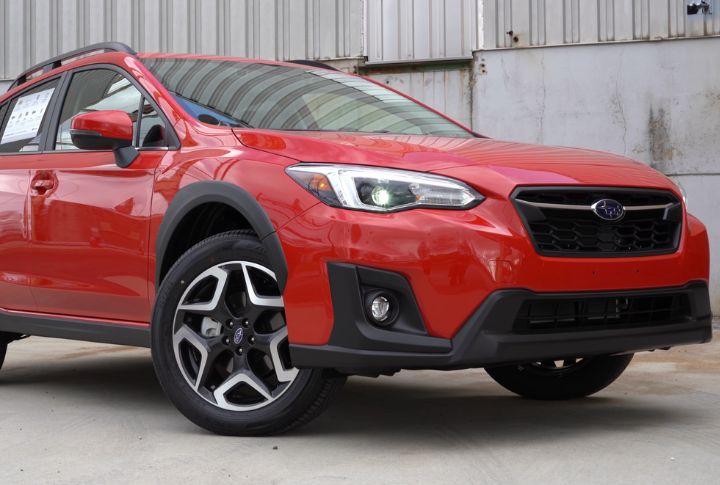
Another point of contention is the Crosstrek’s continuously variable transmission (CVT). Although the CVT improves fuel efficiency, it reduces acceleration and can make the driving experience less engaging. Some drivers report that the CVT makes the vehicle feel sluggish and less responsive.
Interior Materials and Design
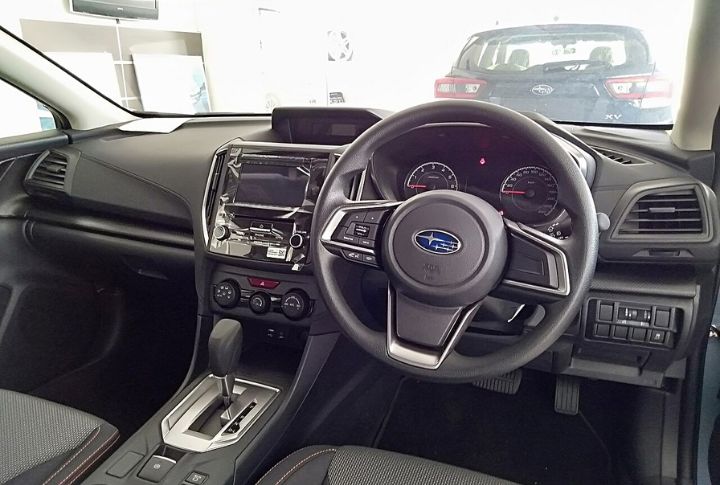
Though functional, the Crosstrek’s interior materials and design are sometimes seen as underwhelming. The cabin is built for durability, but the materials used, like hard plastics, can feel less premium. Drivers seeking a more luxurious interior may feel unsatisfied even with a higher Crosstrek trim.