15 Harmful Practices That Could Be Damaging Your Vehicle
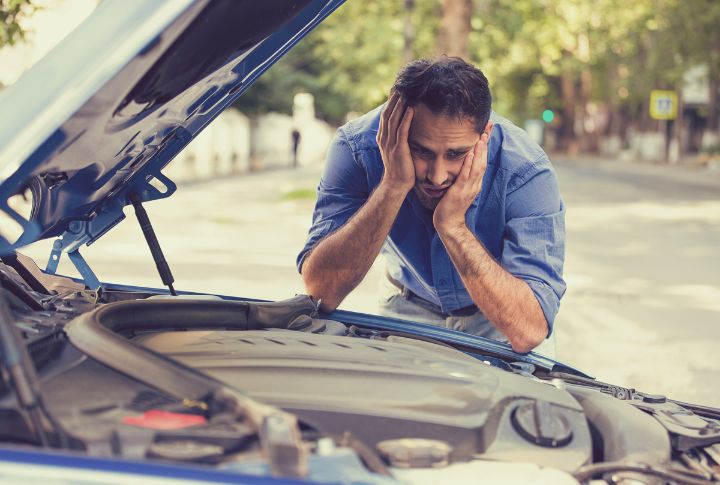
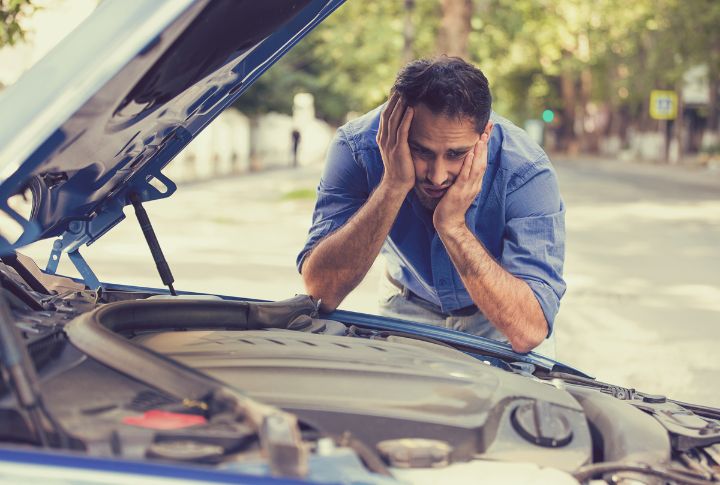
As a car owner, you’re not just responsible for enjoying the ride; you’re also the caretaker of your vehicle. While you might think you’re doing everything right, there are everyday habits that could inadvertently harm your engine. This list explores how everyday mistakes could be causing damage under the hood.
Skipping Routine Maintenance
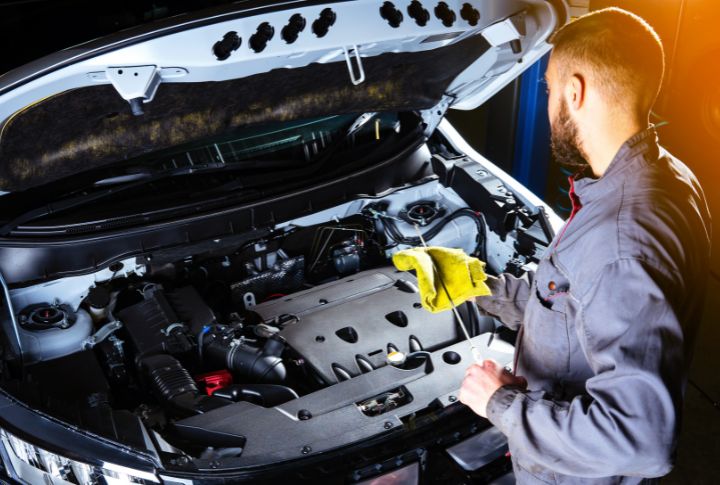
Car owners often overlook replacing air filters, spark plugs, and timing belts, mistakenly thinking they can be postponed without consequences. However, skipping maintenance can lead to declining engine efficiency and performance. Dirty air filters restrict airflow, causing the engine to work harder. Worn spark plugs can result in misfires and poor fuel combustion. Neglected timing belts can break, causing catastrophic engine damage.
Driving on Low Fuel
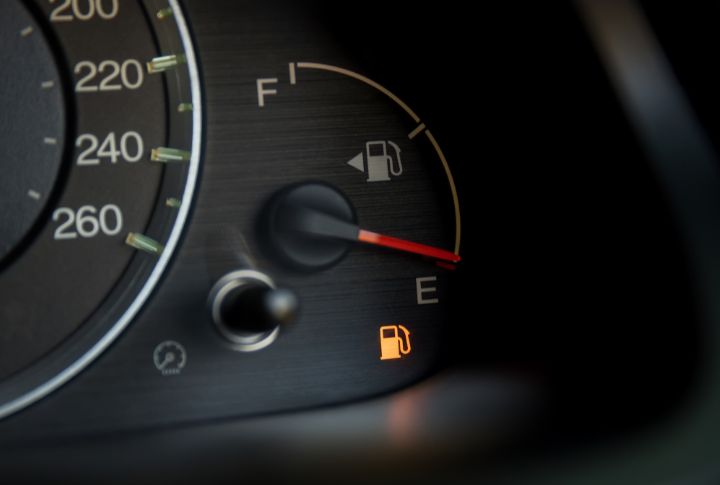
Many drivers habitually let their fuel level drop close to empty before refueling, often out of convenience or to stretch the time between fill-ups. The fuel pump relies on gasoline to stay cool and lubricated. When the fuel level is low, the pump overheats, leading to premature wear and eventual failure. Additionally, sediment and debris at the bottom of the tank can get sucked into the fuel system, potentially clogging fuel filters and injectors.
Hard Acceleration and Braking
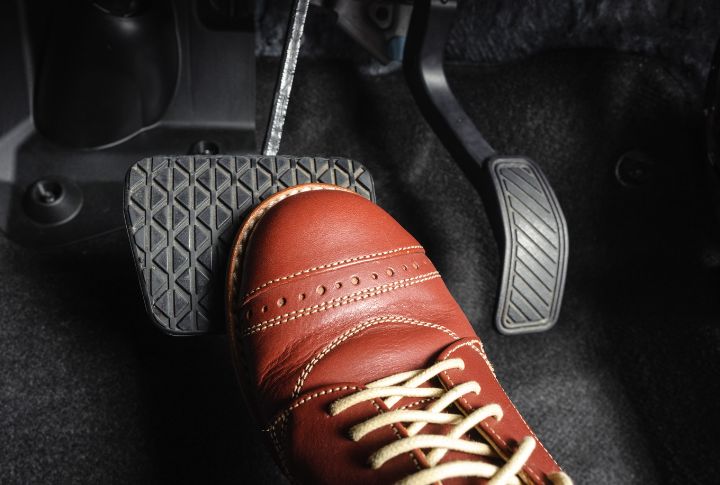
Aggressive habits, such as rapid acceleration and hard braking, are often the result of impatience or the desire for a more thrilling driving experience. Hard acceleration increases wear on internal parts, frequent hard braking can lead to faster wear of brake pads and rotors, and sudden shifts in momentum can stress the engine mounts and suspension system.
Ignoring Strange Noises

Some drivers may ignore unusual noises from their vehicles, hoping they will go away alone. These noises can early indicate underlying problems. For instance, knocking or pinging sounds can indicate issues with the engine’s combustion process, while squealing or grinding noises can point to issues with the belts, brakes, or bearings. Ignoring these sounds can allow minor issues to develop into major repairs, potentially leading to engine damage or failure.
Overloading the Vehicle

Frequently overloading your vehicle with heavy cargo or passengers can significantly strain your engine, transmission, suspension, and brakes. The engine has to work harder to move the additional load, leading to increased fuel consumption and wear on internal components. The added weight can also impact the vehicle’s handling and braking performance, making driving less safe.
Neglecting Regular Oil Changes
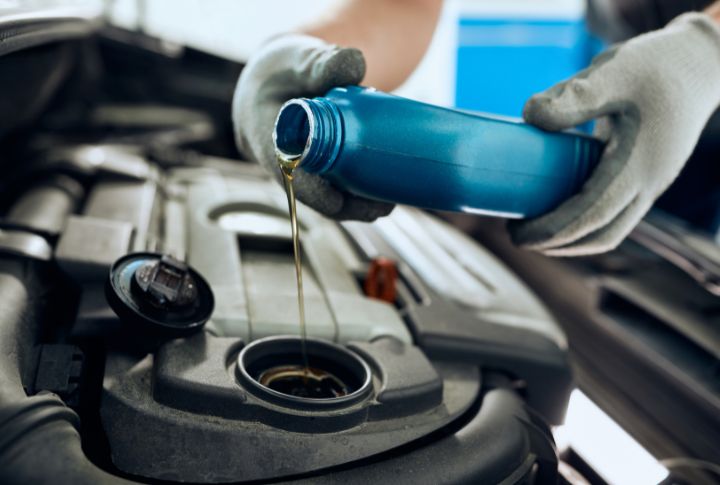
If the car runs fine, you can postpone an oil change, right? Not really. With time, oil breaks down and gets contaminated with debris, losing its ability to lubricate the engine effectively. This increased friction causes the engine to work harder, leading to overheating and accelerated wear on critical components. In the long run, this can result in significant engine damage and expensive repairs.
Ignoring the Check Engine Light
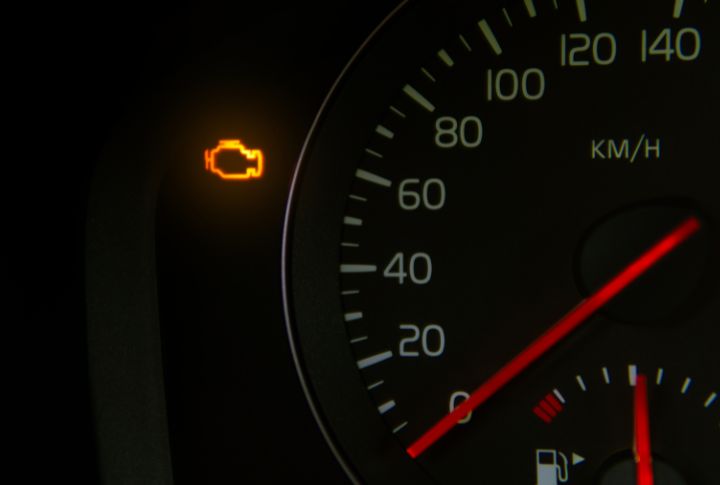
When the check engine light illuminates, dismissing it as a minor issue or assuming it’s a false alarm is easy. However, ignoring it can allow minor issues to escalate into major ones, such as engine misfires, catalytic converter failures, or oxygen sensor malfunctions. Addressing the check engine light promptly can save you from expensive repairs.
Revving the Engine When It’s Cold
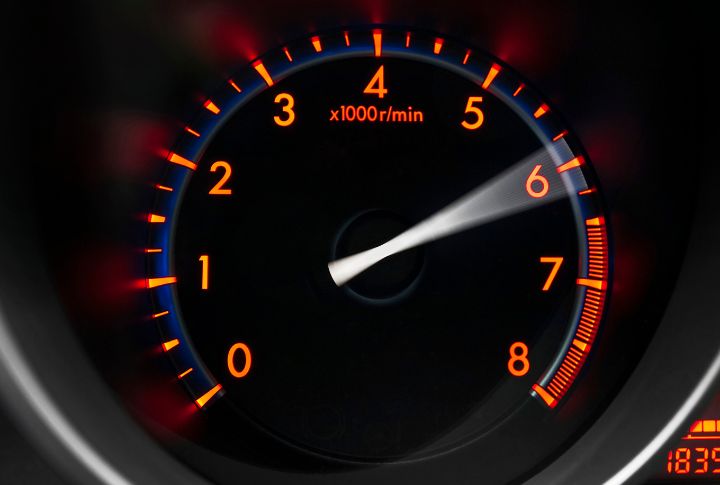
Some drivers believe that revving the engine when starting the car helps warm it up faster, especially on cold mornings. When an engine is cold, the oil hasn’t had a chance to circulate and reach all the necessary components. Revving the engine immediately after starting causes sudden temperature spikes and increased stress on the engine parts, which are still cold and more susceptible to damage.
Using the Wrong Fuel
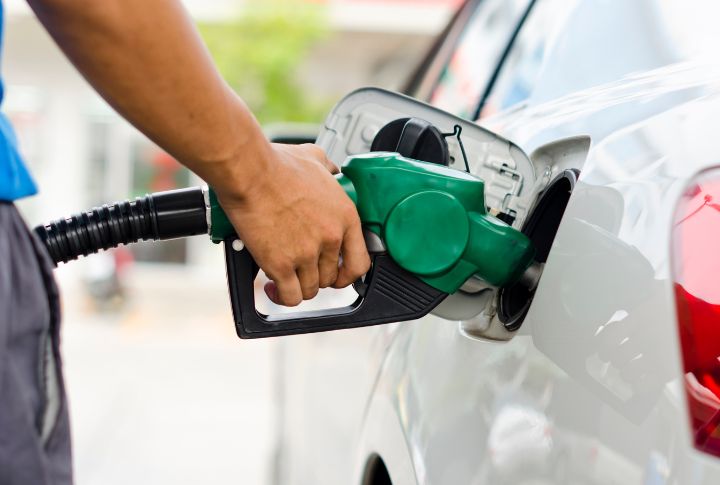
Choosing the incorrect octane level or low-quality gasoline is a common mistake. Some drivers opt for cheaper fuel to save money, not realizing the potential harm it can cause. Using the wrong fuel leads to engine knocking, reduced performance, and increased emissions. In severe cases, it can damage the engine’s internal components, such as pistons and valves.
Using Inexpensive, Low-Quality Oil and Filters
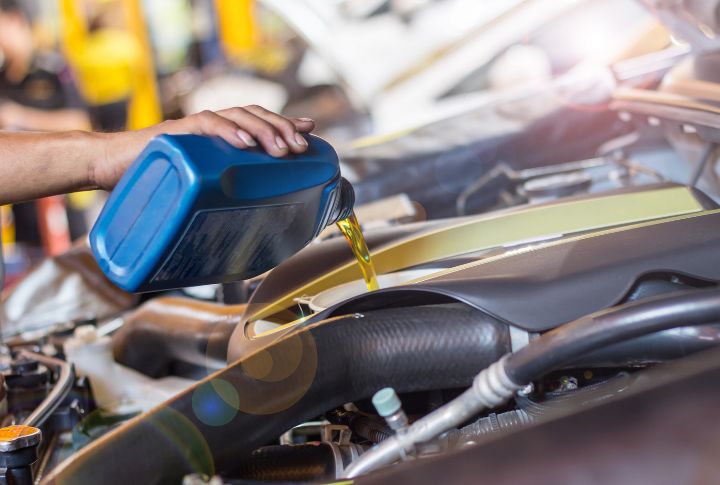
Trying to save money by using cheaper, lower-quality oil and filters might seem cost-effective, but it can cause poor engine performance and increased wear. Low-quality oil may not provide adequate lubrication or may break down more quickly under high temperatures. Similarly, cheap oil filters may not effectively capture contaminants, allowing dirt and debris to circulate through the engine.
Shifting Gears Improperly in Manual Transmissions
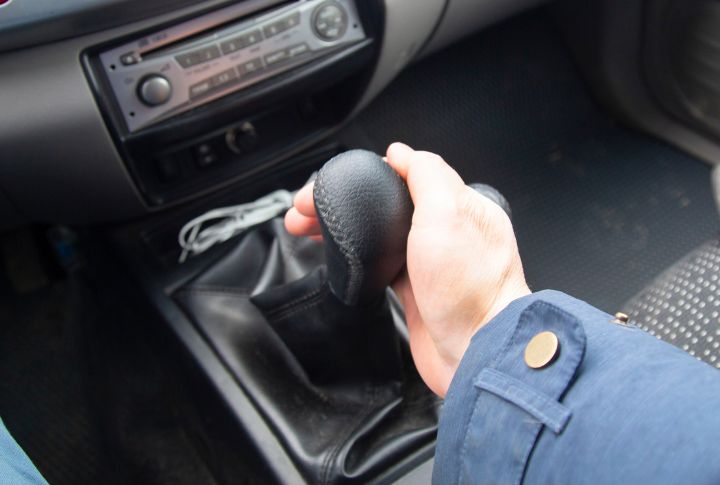
Driving a manual transmission requires proper gear shifting to avoid damage. Common mistakes include shifting without fully engaging the clutch, riding the clutch, and downshifting at high speed. These habits can cause premature wear to the clutch, transmission, and engine. Proper gear shifting techniques are crucial for maintaining the health of your transmission and engine.
Letting the Engine Idle for Extended Periods

Prolonged idling can lead to incomplete combustion, which causes carbon buildup in the engine. Although it may seem harmless, this can result in poor fuel efficiency, reduced performance, and increased emissions. Additionally, idling consumes fuel without moving the vehicle, wasting resources. It’s better to turn off the engine if you will be stationary for a minute or two.
Driving with a Heavy Foot

Constantly driving at high speeds and flooring the accelerator can be fun for some, but it’s detrimental to your car’s engine. Rapid acceleration and driving at high RPMs put a lot of stress on the engine, leading to increased wear and tear. This driving style also reduces fuel efficiency and can cause overheating.
Skipping Cooling System Maintenance
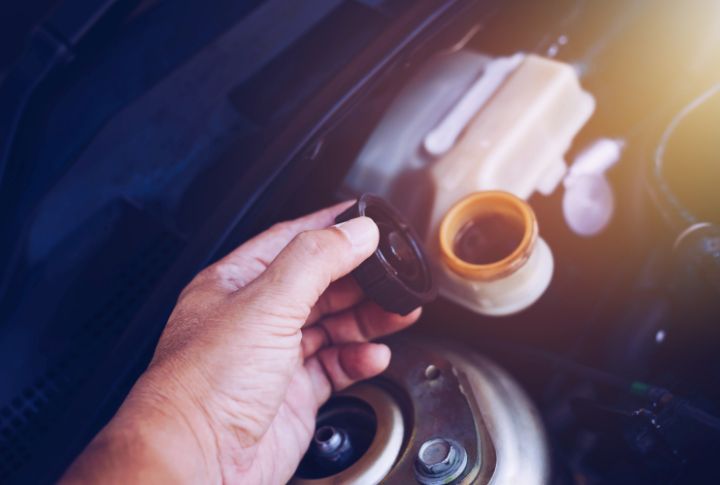
The cooling system plays a major role in regulating the engine’s temperature. Over time, coolant can become contaminated or lose its effectiveness, resulting in poor heat dissipation. Regularly checking the coolant level and replacing it according to the manufacturer’s recommendations helps prevent overheating and extends the life of your engine.
Using High-Pressure Water on the Engine Bay
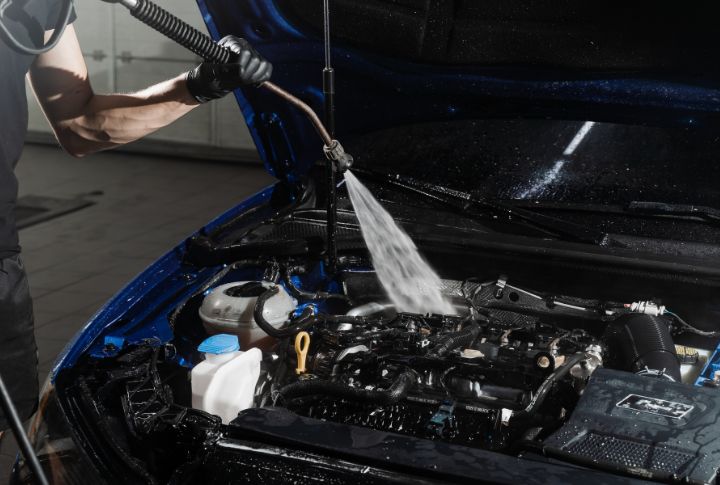
Cleaning the engine bay is a good practice, but high-pressure water can force its way into electrical connectors, sensors, and other delicate components, leading to corrosion, short circuits, and additional electrical issues. Additionally, it can wash away necessary lubricants from moving parts. To avoid damaging components, it is better to use a gentle spray and appropriate cleaning agents when cleaning the engine bay.