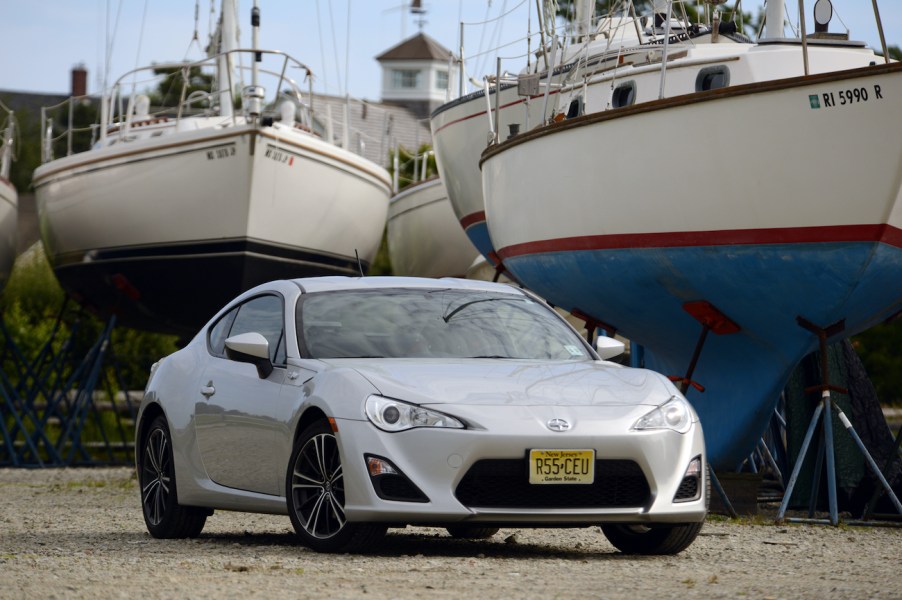
Is It a Good Time to Buy a Scion FR-S?
Before the Toyota 86 and the Toyota GR86, there was the Scion FR-S. Yes, it’s basically the same car. But if you can’t afford the new GR86 and don’t want to spend a good amount on a late-model Toyota 86, then you can scour the classifieds for a good deal on a Scion FR-S. But is it really a good time to buy one?
How much should I pay for a Scion FR-S?
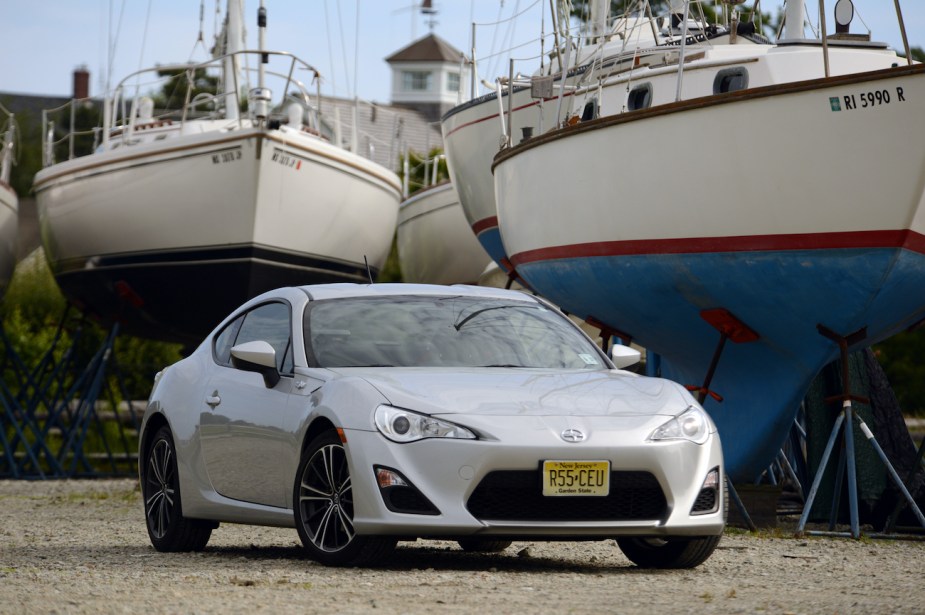
A nationwide search on Autotrader shows many 2013 Scion FR-S models selling for under $15,000, which is a good price to pay. However, keep in mind that many of them have over 100,000 miles on the odometer. For cleaner, lower-mileage examples, you can expect to pay around $20,000 to $25,000.
Is that really worth it? No, not really. Considering the original MSRP for the Scion FR-S back in 2016 was around $27,000 with the destination charge, according to KBB. Also, you can currently pay a little more than $28,000 for a brand-new, entry-level 2022 Toyota GR86. In that case, it’s not a good time to purchase certain Scion FR-S models that are priced over $20,000. The elevated used car prices across the board could be to blame.
Is it worth it to buy a high-mileage Scion FR-S?
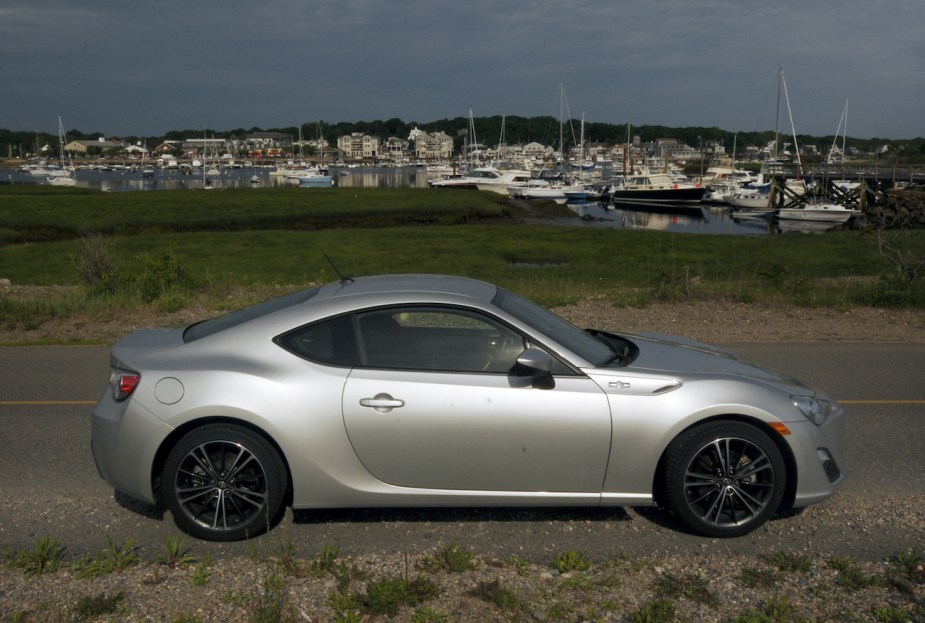
Yes. Many Scion FR-S owners are extremely satisfied with their cars even after years of use, according to Cars.com. There are plenty of owners that laud the FR-S’ “exceptional handling and reliable engine.” There are also many other owners with positive reviews like “Most fun, dependable car I have driven” and “the most reliable and comfortable sports car.” No matter which way you cut it, it looks like the Scion FR-S can provide owners with many years of affordable fun.
For the uninformed, the Scion FR-S made its debut in 2013 as the sister car to the Subaru BRZ. It was powered by a 2.0-liter, flat-four engine that made 205 hp and 156 lb-ft of torque. That power was transmitted to the rear wheels via a six-speed manual or automatic transmission. However, the former transmission was the better way to go. Otherwise, the FR-S was primarily known for its superb handling capabilities, which was further improved upon in the current Toyota GR86.
Common 2013 to 2016 Scion FR-S problems
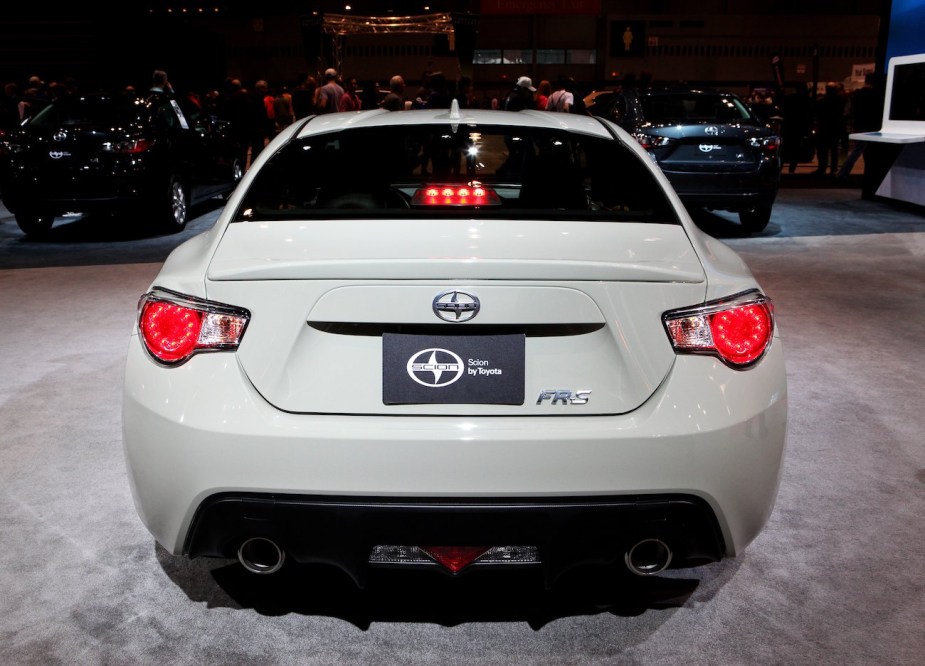
While there is a lot of praise for the Scion FR-S, it’s important to note the potential major problems with Toyota’s rear-drive sports car. Some of the most notable problems include a bad fuel pump, a potential clutch-release bearing failure, and the engine control unit (ECU) not being programmed properly. Other issues include a disabled interlock system, which can cause the key to slip out of the ignition when the transmission is not in “park,” and a cracked oil drain plug from over-torquing.
These major issues aside, prospective owners can look forward to a mostly trouble-free FR-S ownership experience for many years. However, if you’re currently thinking of buying a Scion FR-S, you may want to wait until the used car market subsides as prices are a little high right now.