GM L87 V8 Engine Class Action Lawsuit Moves Forward in Michigan After 28,000 Driver Complaints
The reports started coming in to the NHTSA quietly, then hit like an avalanche. Drivers from around the country said their brand-new GM trucks and SUVs were acting like they’d swallowed a bag of bolts. And things were getting dangerous.
In the last few years, some of these drivers coasted to the shoulder without power. Others reported worse outcomes. Now those stories are headed into federal court in Michigan.
A judge has allowed a consolidated class action to proceed against GM over failures linked to the company’s 6.2-liter L87 V8 engine
According to CarComplaints.com, the case folds together more than 10 separate lawsuits filed between February and June of this year.
Now it carries the name “Powell v. General Motors in the U.S. District Court for the Eastern District of Michigan.”
The filings cover a long list of GM cars
They include:
- Cadillac’s 2021 to 2024 Escalade and Escalade ESV
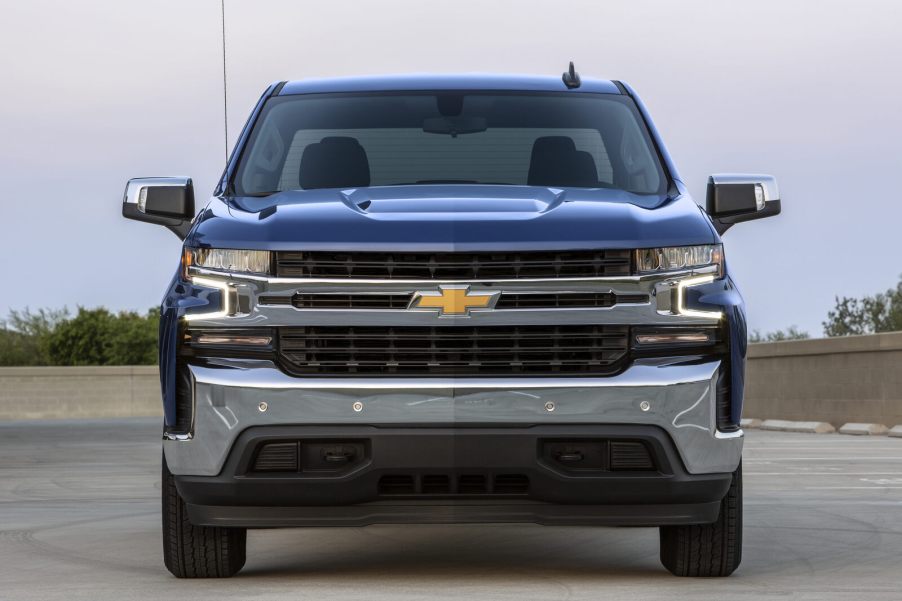
- Chevrolet’s Silverado 1500, Suburban, and Tahoe from 2019 through 2024
- GMC’s Sierra 1500, Yukon, and Yukon XL for the same period
Owners claimed their engines failed because of crankshaft, bearing, and connecting-rod defects serious enough to stall a large vehicle in motion.
The lawsuits intensified after federal investigators began looking into the failures
By late April, GM announced a recall for nearly 600,000 vehicles after the company logged at least 28,102 field complaints. The government also tracked at least 12 crashes and 12 injuries tied to sudden engine loss.
Plaintiffs argue that recall repairs do not fully address the underlying defects
In its eventual recall, GM instructed dealers to replace engines where necessary, following VIN-specific repair bulletins and strict stop-sale orders that took effect on April 24. If engines weren’t flagged as failing, they’d get higher-viscosity oil, a filter change, and an updated oil cap.
Inside the L87 Engine
GM’s 6.2L L87 is a gasoline V8 used in the company’s largest SUVs and half-ton pickups. It delivers strong torque and uses modern features, like cylinder deactivation.
Cylinder deactivation is a fuel-saving trick built into some modern engines, especially big V8s. When you’re cruising and the engine doesn’t need full power, the computer temporarily shuts down half the cylinders. In a V8, it usually runs on four.
The valves for those cylinders stay closed, the fuel injectors stop spraying, and the engine control unit smooths everything out so you barely notice the change. When you press the gas pedal harder, the system wakes those cylinders back up in a fraction of a second.
Automakers use it to squeeze better fuel economy out of large engines without sacrificing the muscle drivers expect when they push for more power.
According to complaints and federal investigators, some engines left the factory with defective connecting-rod and crankshaft components. Those issues can cause internal damage that leads to loss of propulsion at speed.
Some say GM knowingly waited too long before issuing its recall, which might still leave some owners and occupants at risk of engine failure anyway.
The court selected four law firms to lead the litigation after competing bids. With leadership now settled, the L87 case will move ahead.