15 Game-Changing Cars of the 1930s
The 1930s was a decade of remarkable innovation in the automotive world. Despite the economic challenges of the Great Depression, car manufacturers pushed the boundaries of design, performance, and technology. This era saw the emergence of iconic models that defined automotive excellence and set the stage for future advancements. Let’s take a journey through 15 cars from the 1930s that made a lasting impact on the industry.
General Motors Cadillac V-16
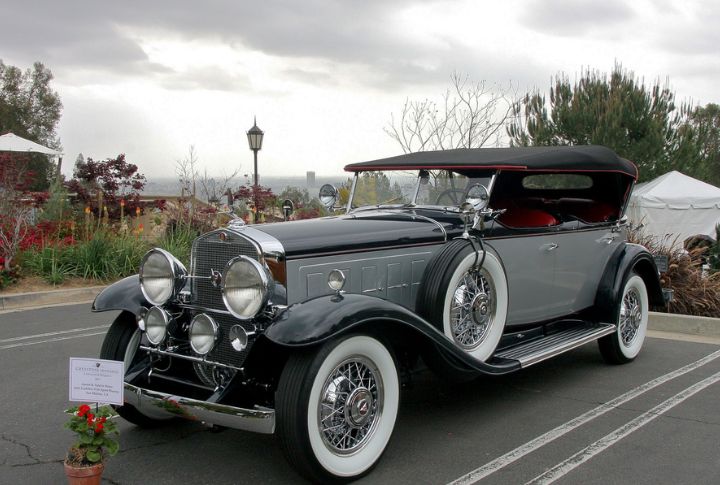
The Cadillac V-16, introduced in 1930, was a marvel of engineering and luxury. With a 7.4-liter V16 engine, it was the peak of power and elegance. This model was Cadillac’s response to the demand for high-end luxury cars featuring exquisite craftsmanship and unmatched performance. The V-16 quickly became a symbol of opulence, attracting wealthy buyers even during the economic downturn. Each car was custom-built, ensuring that no two were identical, enhancing its exclusivity.
Chrysler Airflow
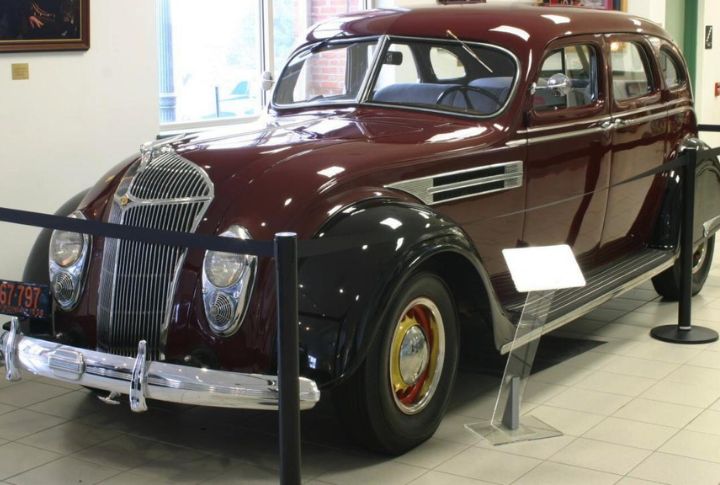
This car was the first mass-produced car to emphasize aerodynamics, with a streamlined body that reduced wind resistance. The innovative approach improved fuel efficiency and performance, setting new standards for the industry. Its Airflow’s design included a stronger, more rigid body structure, enhancing safety and handling. Despite its groundbreaking design, the Airflow initially struggled in the market due to its unconventional appearance.
Ford Model 18

In 1932, Ford introduced the Model 18, the first car to feature a V8 engine as standard. This affordable performance vehicle made powerful engines accessible to the general public. The V8 engine provided unprecedented power and speed, making the Model 18 a favorite among enthusiasts. Its introduction caused a significant shift in the automotive scape as competitors rushed to develop their own V8 models.
Duesenberg Model J
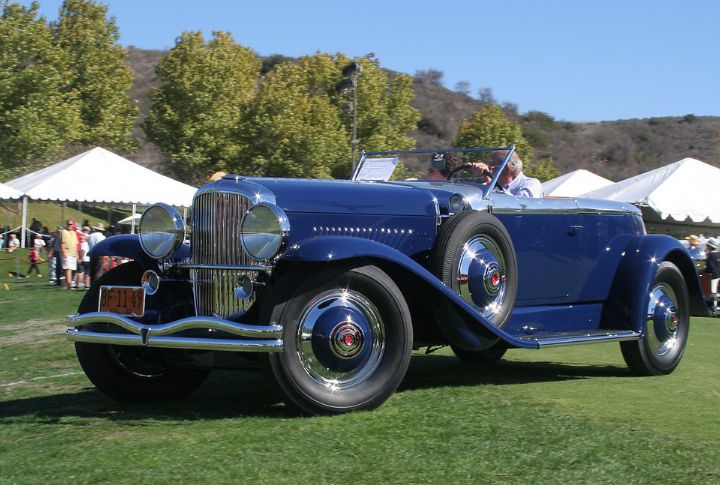
Launched in 1928 but produced throughout the 1930s, the model was the ultimate luxury car. Known for its superb engineering, it featured a 265-horsepower straight-eight engine, making it one of the most powerful cars of its time. The Model J was a favorite among celebrities and royalty, symbolizing wealth and prestige. Its impeccable craftsmanship and advanced technology, including hydraulic brakes and dual overhead camshafts, set it apart from its contemporaries. Each Model J was custom-built, with buyers selecting bespoke interiors and body styles.
Packard Twelve

Packard’s Twelve, reintroduced in 1933 after discontinuation in 1923, was a masterpiece of luxury and performance. Powered by a smooth and silent V12 engine, it offered unparalleled refinement and comfort. The Twelve’s sophisticated engineering and elegant design made it a top choice among the elite. Its advanced suspension system provided a smooth ride, while the interior featured the finest materials and craftsmanship. Packard’s commitment to quality ensured that the Twelve remained competitive throughout the decade, cementing its status as a classic luxury car.
Bugatti Type 57
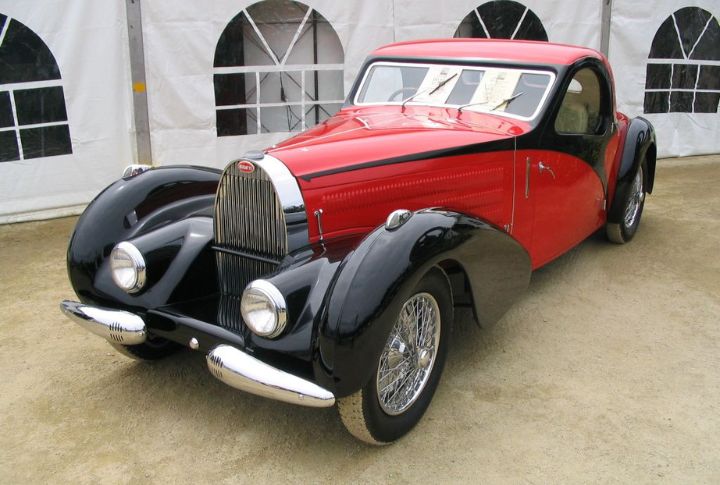
Introduced in 1934, the Bugatti Type 57 is a masterpiece of performance and artistry. A powerful straight-eight engine and advanced suspension highlight its exquisite design and engineering. The Type 57 came in various body styles, including the iconic Atlantic coupe, which exemplified Bugatti’s dedication to both beauty and speed. Its success on the racing circuit, including wins at prestigious events, further cemented its reputation. Today, it remains one of the most celebrated cars in automotive history, revered for its elegance and performance.
Alfa Romeo 8C 2900
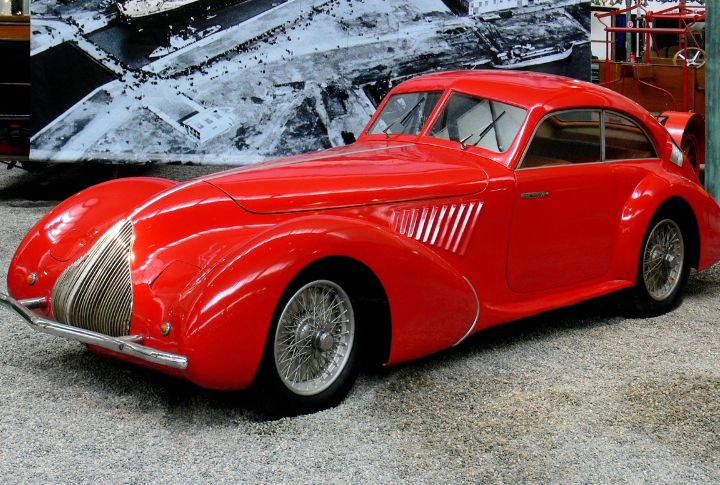
Alfa Romeo’s 8C 2900, which came about in 1937, was a technological marvel. With a supercharged straight-eight engine, it was one of the fastest cars of its time, capable of reaching speeds over 100 mph. The 8C 2900’s advanced engineering, including independent suspension and hydraulic brakes, set new standards for performance and handling. Its sleek, aerodynamic design made it a favorite among racing enthusiasts, while its luxurious interior appealed to those seeking comfort and style.
Mercedes-Benz 540K
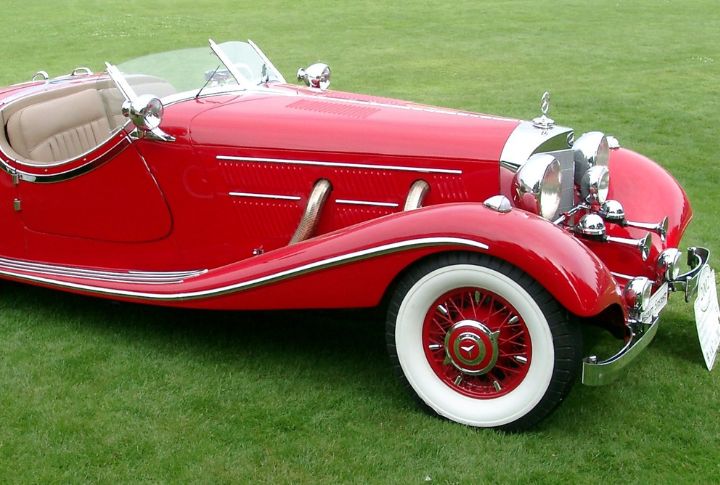
Its supercharged 5.4-liter engine delivered impressive power, while its elegant design and luxurious interior set new standards for grand touring cars. The 540K’s advanced technology, including independent suspension and hydraulic brakes, provided a smooth and safe driving experience. Following its launch in 1936, the elite favored this model, and it was a true masterpiece of German engineering.
BMW 328
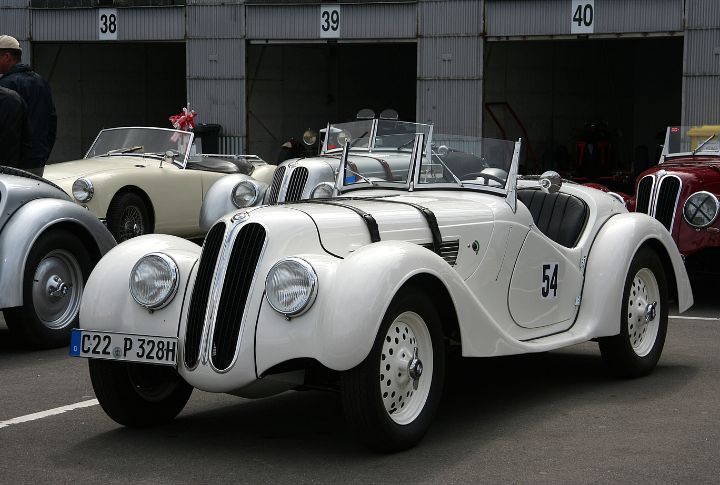
The BMW 328, launched in 1936, redefined the sports car genre. This car’s lightweight construction and powerful inline-six engine made it a formidable competitor on the track. Its sleek design and superior handling earned it numerous victories in racing, including the prestigious Mille Miglia. Enthusiasts praise its performance and agility, and its success on the track has translated to popularity on the road.
Volvo PV36 Carioca
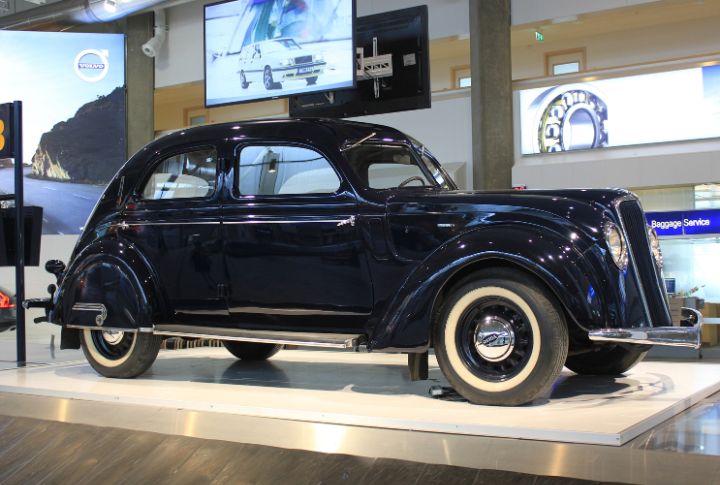
Debuting in 1935, Volvo’s PV36, also known as the “Carioca,” represented a significant milestone for the Swedish automaker. With a sleek, streamlined design influenced by contemporary American vehicles, the PV36 focused on aerodynamics, enhancing performance and fuel efficiency. This shift from the brand’s previously boxy models signaled Volvo’s move towards more modern and stylish aesthetics. Despite its contemporary look, the PV36 continued to uphold Volvo’s commitment to safety and durability.
Rolls-Royce Phantom III
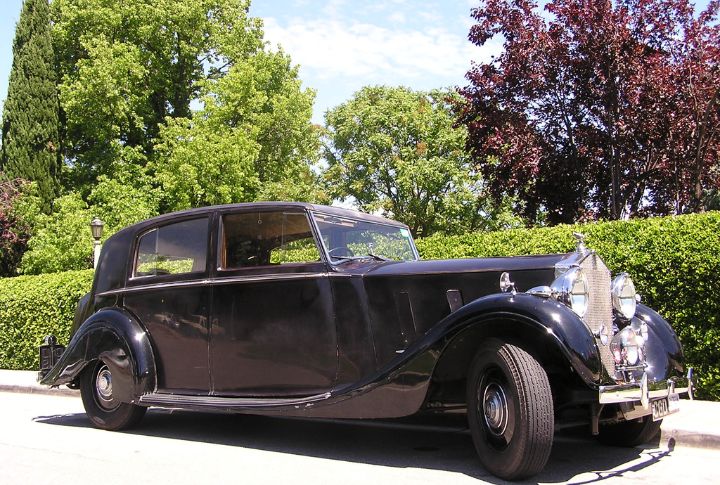
The car, powered by a V12 engine, provided a smooth and powerful driving experience. It was introduced in 1936 and was the epitome of luxury and refinement. The Phantom III boasted advanced engineering, including independent front suspension and hydraulic brakes, ensuring both comfort and safety. Its lavish interior showcased the finest materials, catering to the preferences of the world’s elite.
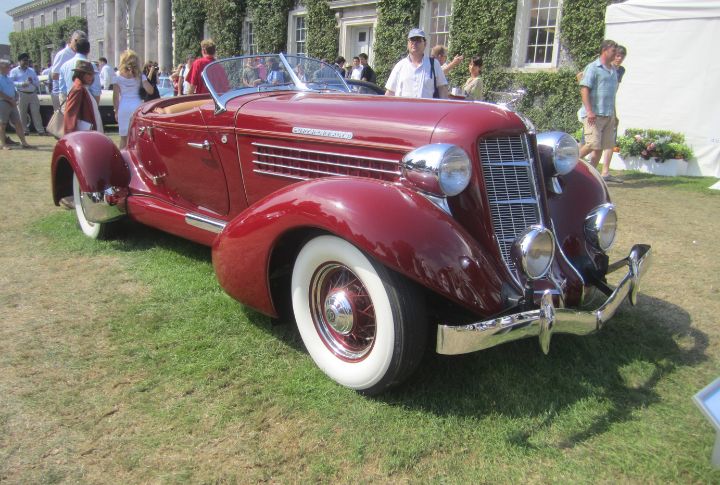
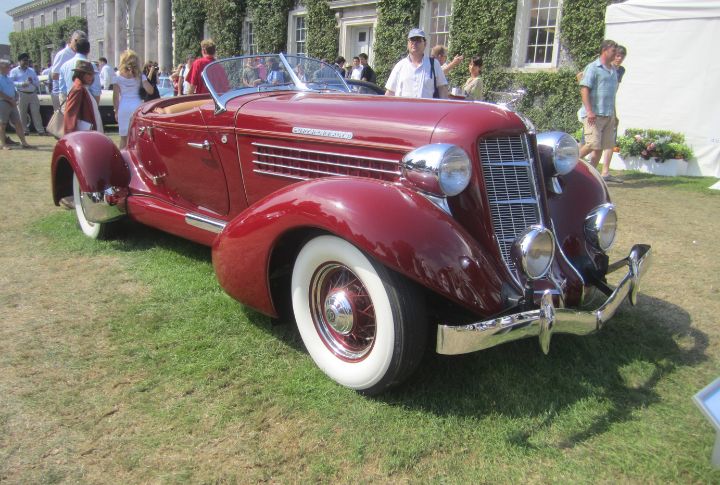
Auburn 851 Speedster
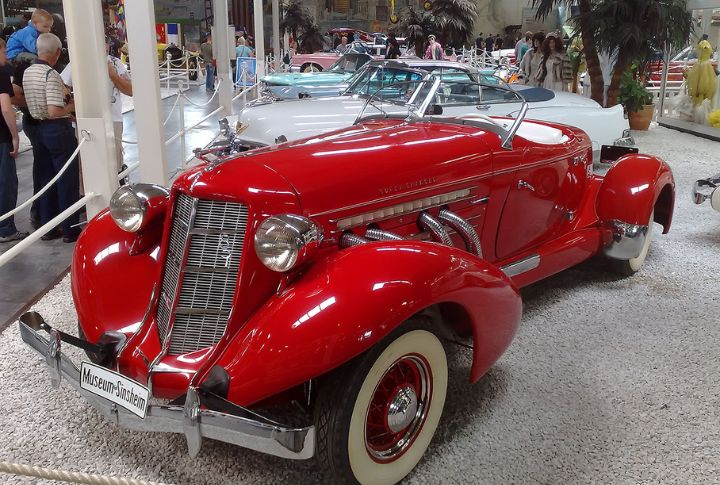
The Auburn 851 Speedster significantly impacted automotive history when it was introduced in 1935. It was equipped with a supercharged straight-eight engine, delivering exceptional speed and performance. The car’s Art Deco design was characterized by bold, sleek lines and elegance. Noteworthy features included a concealed convertible top and a streamlined body, setting it apart from other cars of its time.
Delahaye 135
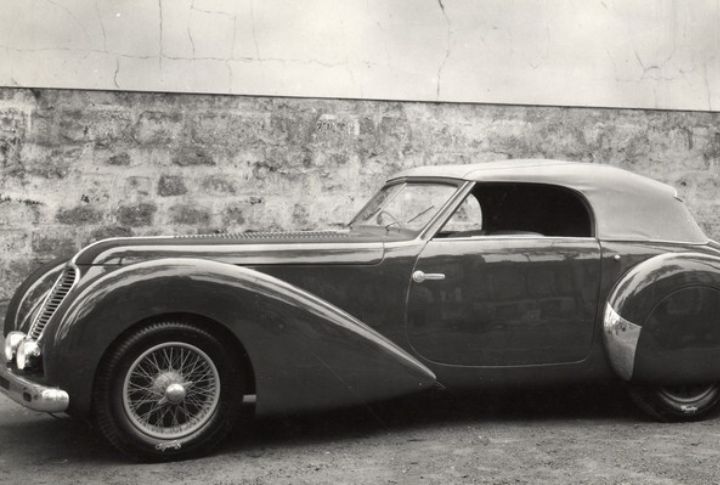
When the Delahaye 135 hit the market in 1935, it quickly became synonymous with French luxury and racing prowess. Its graceful design and formidable engine attracted racing enthusiasts and luxury car buyers. Dominating on the track, including at Le Mans, the 135 was a testament to superior performance and handling. With its advanced technology and stunning aesthetics, the Delahaye 135 became one of the most sought-after cars of its decade, celebrated for its perfect marriage of form and function.
Talbot-Lago T150-C SS
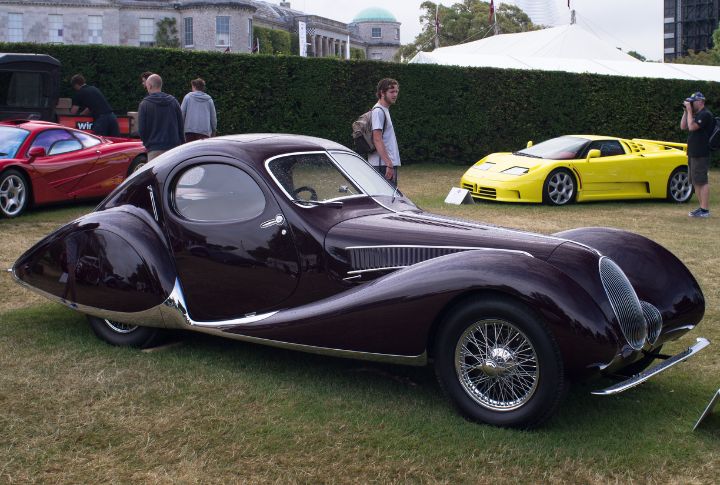
Introduced in 1937, the Talbot-Lago T150-C SS was a stunning blend of art and engineering. Its aerodynamic “teardrop” body was designed for maximum speed and efficiency. The T150-C SS’s powerful engine and advanced suspension made it a formidable competitor in races, while its luxurious interior appealed to discerning buyers. This model’s unique design and impressive performance have made it a classic, celebrated for its innovation and beauty.
Citroën Traction Avant
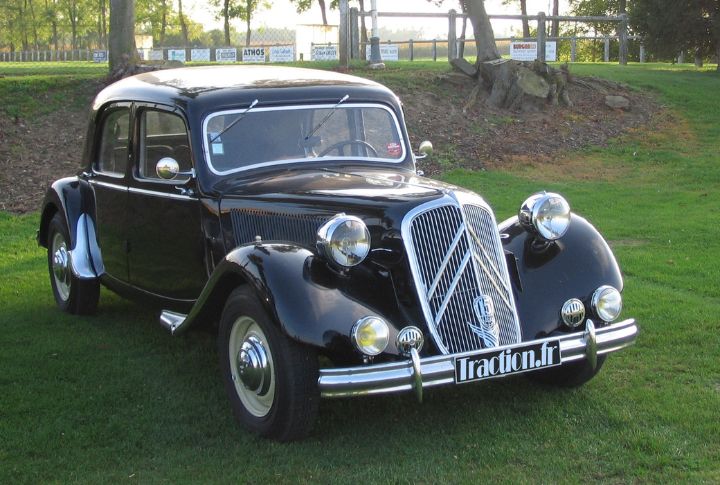
As the first mass-produced vehicle with front-wheel drive in 1934, the Traction Avant offered unprecedented handling and stability. Its unitary body construction and independent front suspension further enhanced safety and comfort, setting it apart from other cars of the era. This combination of sleek, modern aesthetics and cutting-edge engineering quickly made the Traction Avant a favorite among consumers.