10 Forgotten Car Dashboards That Deserve A Comeback
Before touchscreens and streamlined interfaces took over, car dashboards had personality. Some resembled aviation controls, others embraced artistic craftsmanship, but each told a story of an era when design mattered as much as performance. These lost interiors weren’t just functional—they were icons in their own right. Though time erased them, their legacy lingers. Here are 10 unforgettable dashboards that disappeared.
Toyota 2000GT (1967–1970)
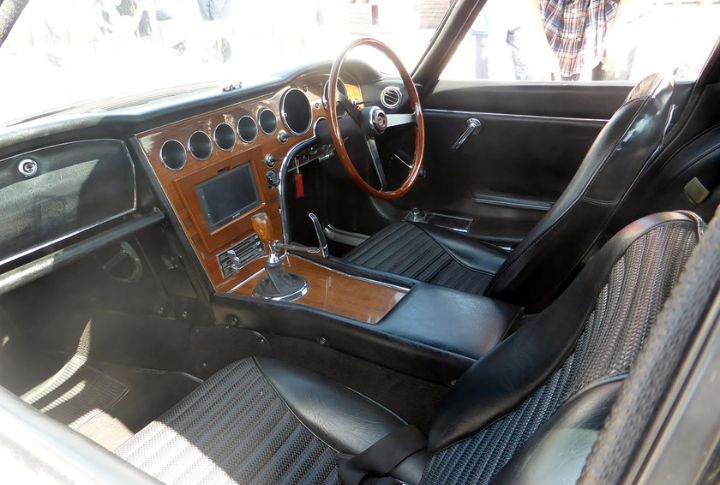
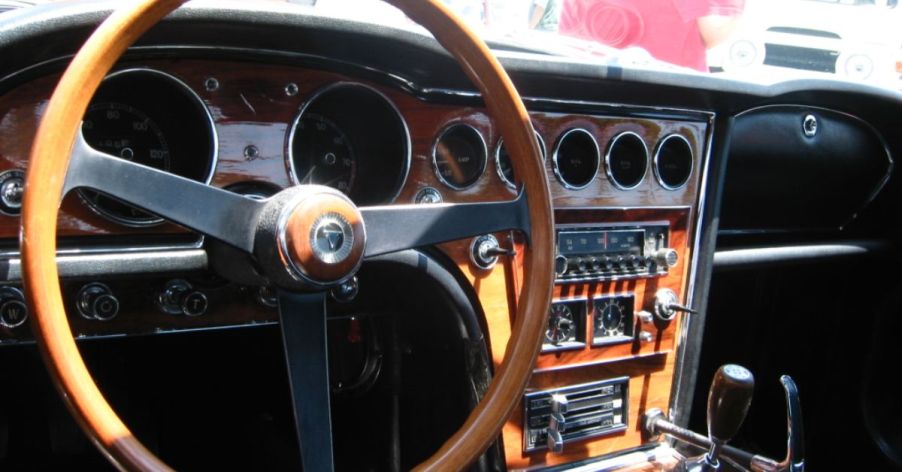
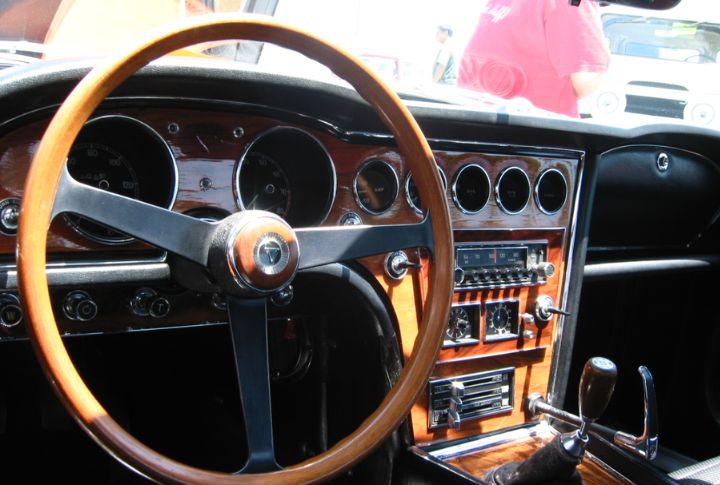
Few dashboards showcase expertise like the Toyota 2000GT’s hand-built wooden panel, sculpted by Yamaha. This exquisite grand piano veneer seamlessly blended artistry with function, giving drivers a rich sensory experience. Unlike today’s synthetic materials, this dashboard exuded warmth, making it one of the most treasured design elements in classic cars.
Citroen DS (1955–1975)
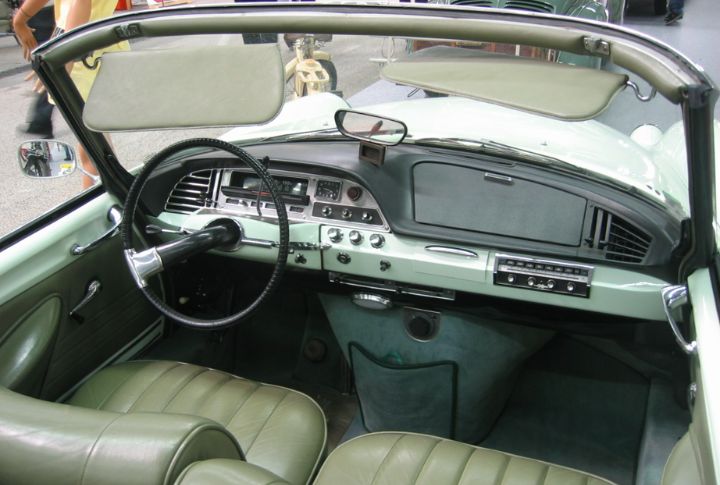
The Citroen DS introduced a minimalist dashboard that revolutionized ergonomics. Its single-spoke steering wheel wasn’t just futuristic—it redefined driver interaction. Adding to its avant-garde appeal, the integrated hydropneumatic suspension controls enhanced ride quality. However, over time, stricter regulations eventually rendered this visionary setup obsolete.
Eunos Cosmo (1990–1996)
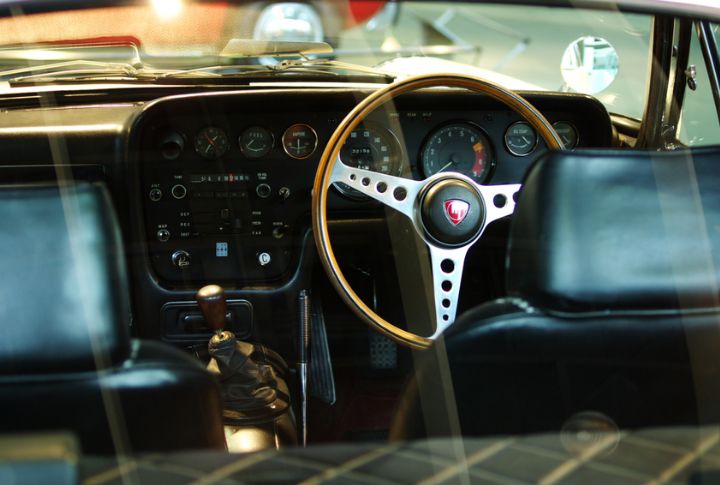
As automotive technology progressed, the Eunos Cosmo stood at the forefront, pioneering the first touchscreen GPS system. A combination of a CRT-based display and an LCD digital instrument cluster set a precedent for modern infotainment systems. Still, these groundbreaking features couldn’t save it, as rapid shifts in technology and consumer preferences led to its discontinuation.
Maserati Boomerang Concept (1971)
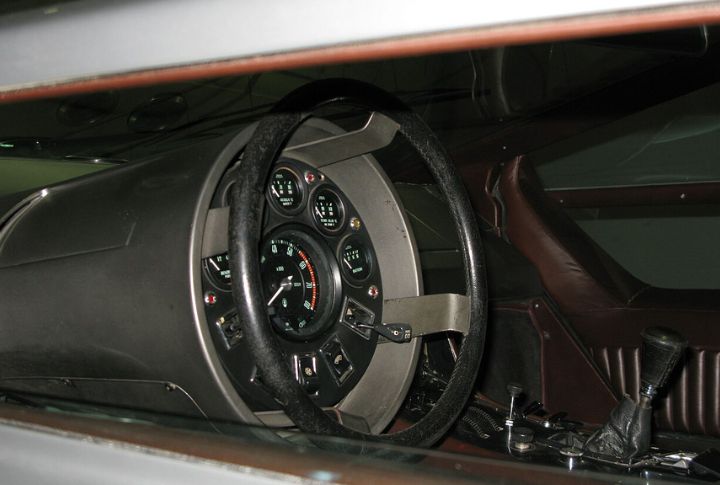
While many dashboards focused on elegance, Maserati created a cockpit where every control was integrated into the steering wheel. Inspired by aircraft design, this layout puts all functions within arm’s reach, giving unparalleled convenience. The concept’s brilliance stood out, but practicality concerns prevented mass production, leaving it a bold yet forgotten experiment in design.
Buick Riviera (1986)
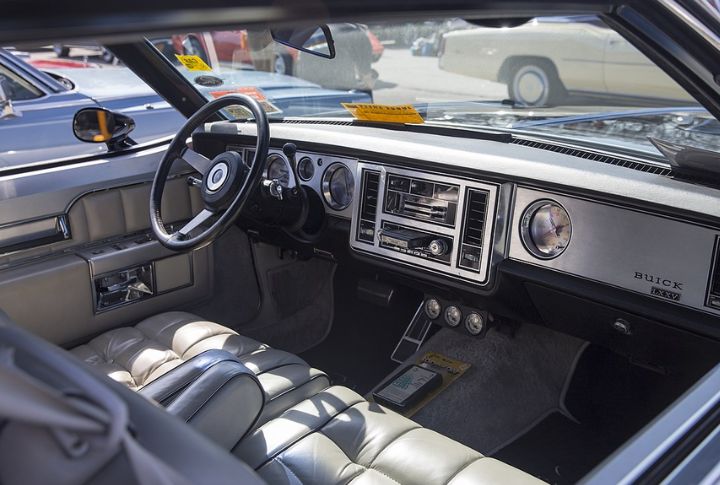
The 1986 Riviera was ahead of its time, featuring one of the industry’s first in-car touchscreen systems. Housed in a CRT display, it lets drivers manage climate, audio, and diagnostics—all in one place. Despite its novelty, the clunky interface and slow performance meant it became more of a tech footnote than a trendsetter.
Aston Martin Lagonda (1976–1990)
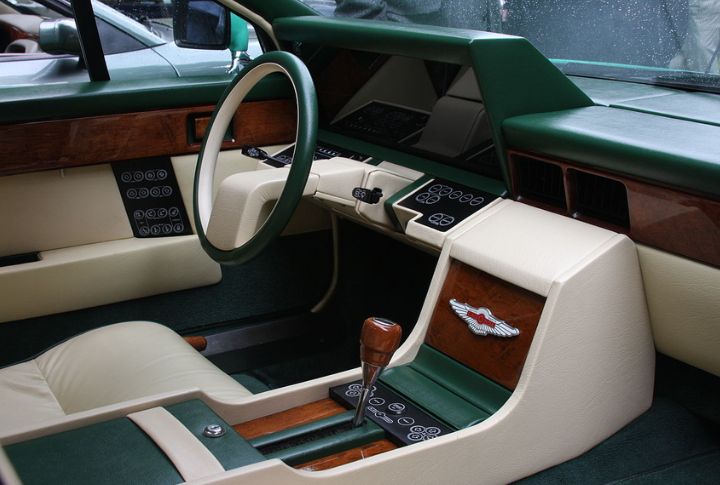
Long before digital dashboards became common, Aston Martin envisioned a future dominated by touch-sensitive technology. Its vacuum fluorescent display looked mesmerizing, but frequent malfunctions proved that the world wasn’t quite ready for such advanced systems. Though it paved the way, it remains a cautionary tale of technology arriving too soon.
Saab 900 Turbo (1978–1998)
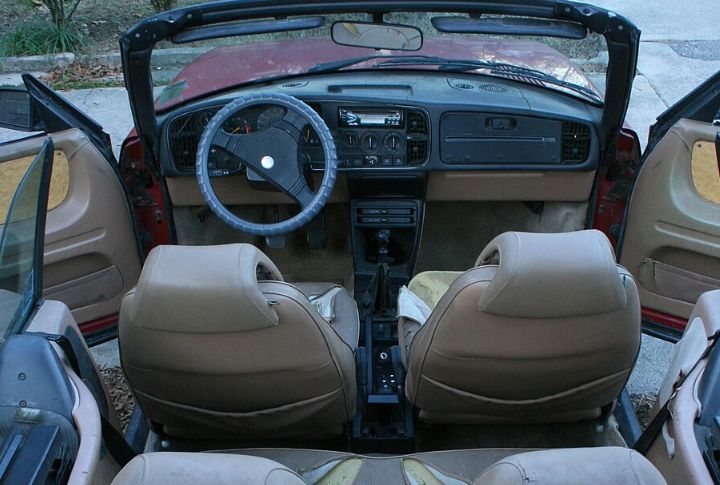
Few dashboards matched the Saab 900 Turbo’s driver-centric layout. The wraparound cockpit seamlessly blended controls and gauges. Adding to uniqueness, the car featured “Black Panel” mode, which dims unnecessary lights to enhance night-driving focus. Though functionally brilliant, shifting preferences and standardization led to its gradual disappearance.
Lexus IS/Toyota Altezza (1998–2005)
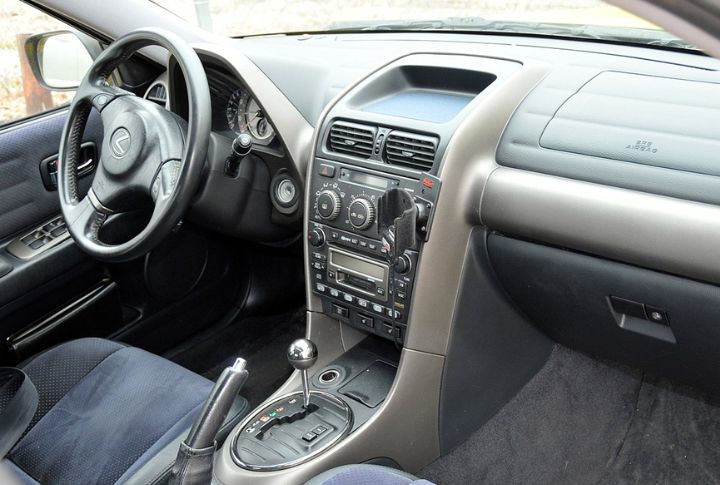
Lexus introduced a chronograph-style gauge cluster, mirroring the aesthetics of luxury wristwatches. Sleek and stylish, this innovative layout gradually gave way to standard dials as drivers preferred greater legibility over artistic flair. Today, it remains a nostalgic gem among collectors.
Chevrolet Corvette C4 (1984–1996)
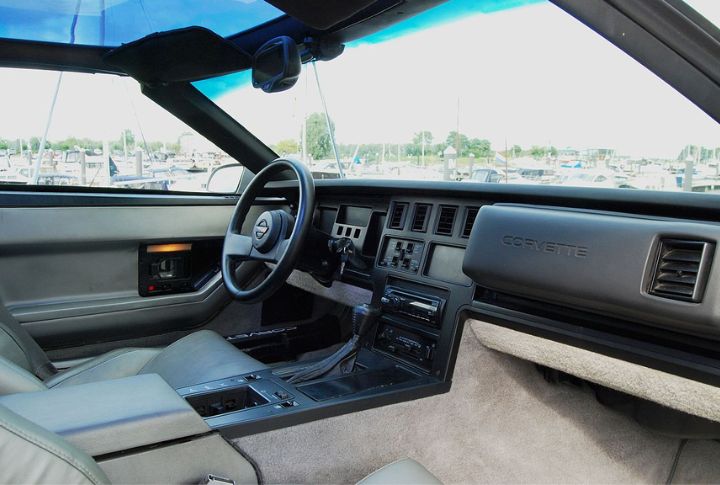
In the neon-lit era of the ’80s, the Corvette C4 proudly showcased a digital instrument cluster. This replaced analog dials with a futuristic green LED display. Initially considered revolutionary, readability concerns and changing aesthetic preferences led Chevrolet to return to more conventional gauge layouts in later models.
Citroen BX (1982–1994)
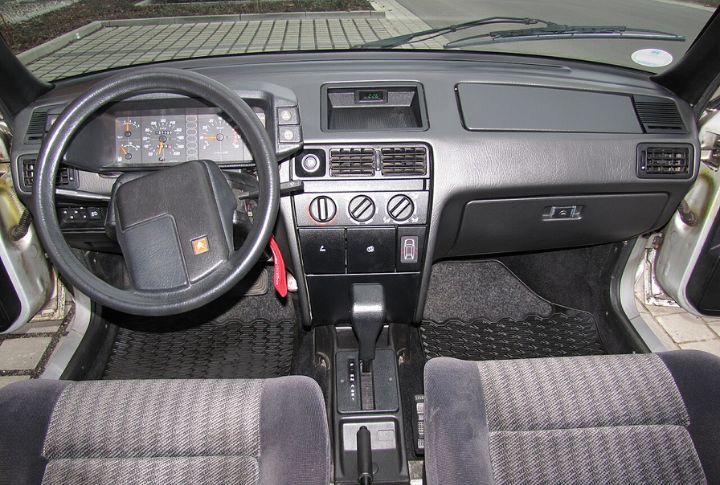
Citroen’s BX eliminated the standard steering column stalks, replacing them with buttons and sliders for all functions. The unconventional layout was meant to streamline usability, yet most drivers found it awkward. As practicality took precedence over experimental designs, this bold dashboard faded into obscurity.