Fixing These 10 Classic Cars Might Be A Mistake
There’s a fine line between a dream project and a money pit. Some classic cars tempt you with good looks and nostalgic vibes, only to turn into bottomless restoration nightmares. If you’re thinking about starting your next big build, here are 10 models that might just break your spirit—and your bank.
1974 Jaguar E-Type V12
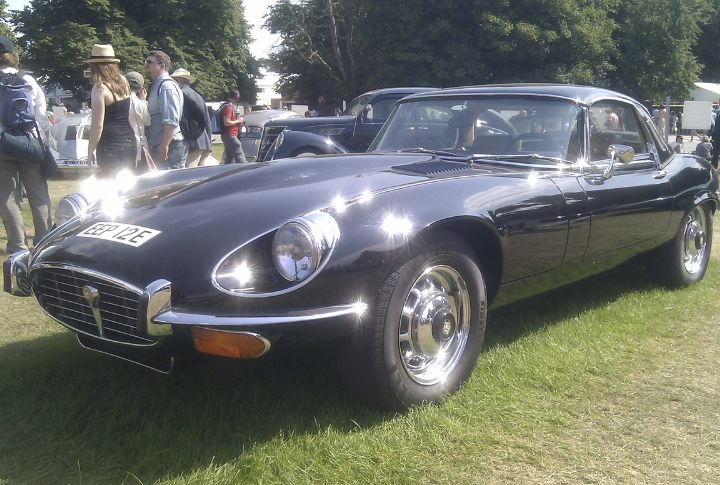
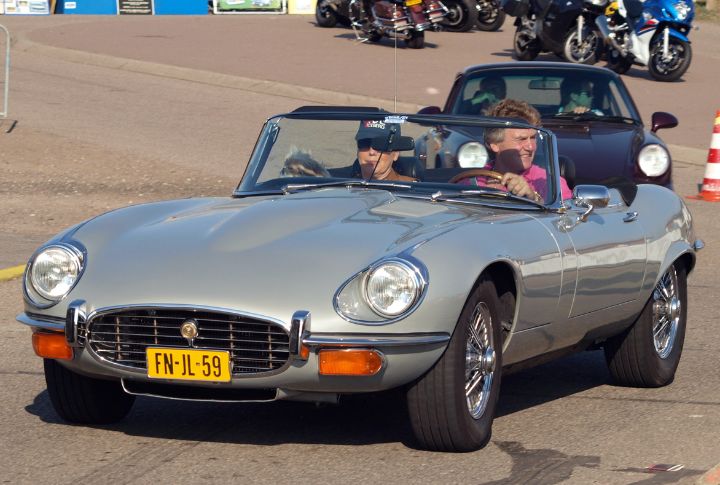
It got curves that could stop traffic and a pedigree that made Enzo Ferrari call it the most beautiful car ever made. But beauty fades fast when that V12 acts up. Electrical gremlins lurk behind nearly every wire, and repairs cost a small fortune. Worse, many parts are UK-only.
1980 Chevrolet Corvette (C3)
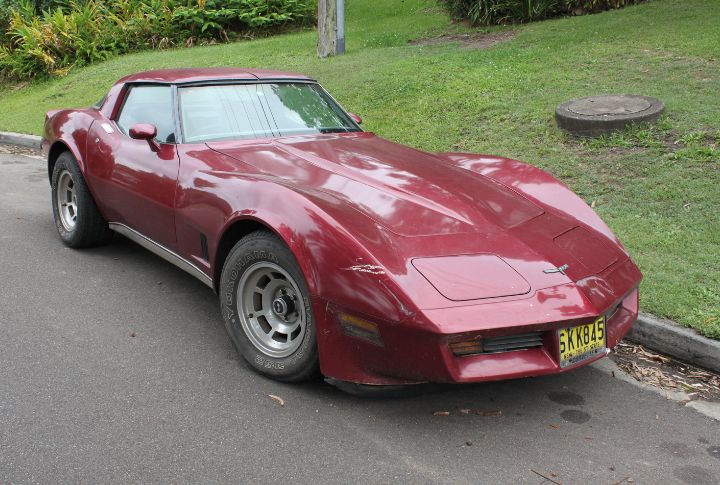
The fiberglass shimmered, and the styling screamed speed. Yet this was the 1980 Corvette, where performance took a back seat to regulations. Some models barely pushed 180 horsepower. Beneath the surface lurked rust and a value drop that made many owners wish they’d walked instead.
1976 Triumph TR7
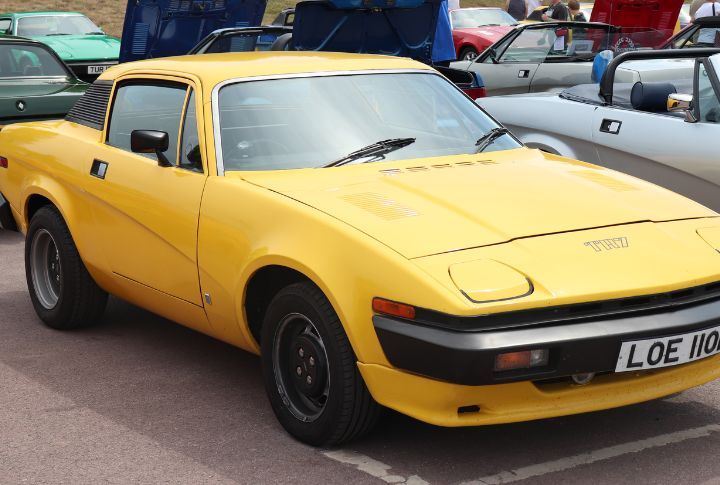
Marketed as “The Shape of Things to Come,” this one turned out to be a blueprint for frustration. The real problem was what sat under the hood and behind the dashboard. Fragile electrics and a history of build issues earned this one a reputation no owner wants.
1981 DeLorean DMC-12
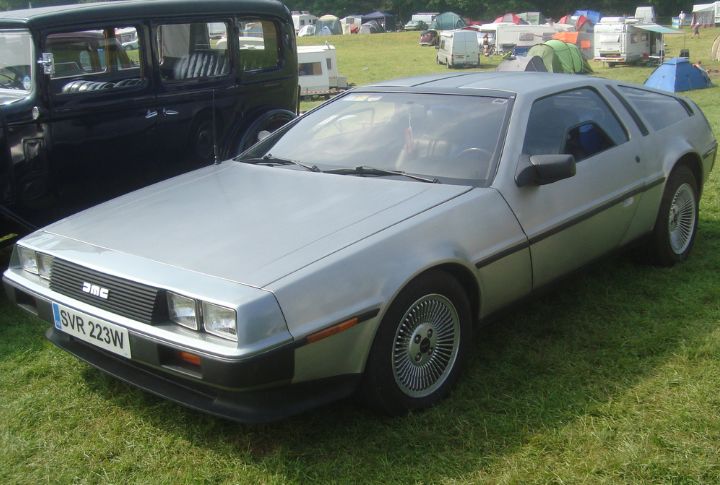
Hollywood made it immortal, although real-world drivers got stuck with something far less magical. The stainless steel panels looked cool but dented easily and cost a fortune to fix. Moreover, the gull-wing doors jammed, and the underpowered engine disappointed. Despite its fame, the DMC-12 never delivered the performance that the bold design promised.
1975 Bricklin SV-1
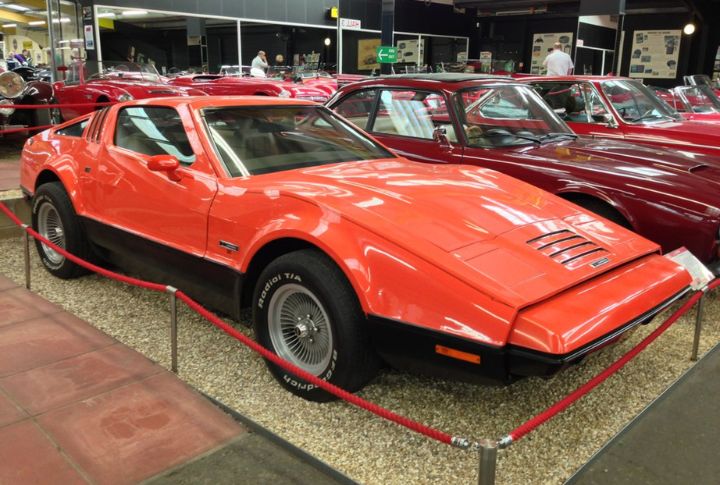
On paper, it sounded revolutionary: a Canadian-built safety sports car with power gull-wing doors. In practice, it stalled. Its heavy design dulled performance, and those fancy doors often refused to open. With fewer than 3,000 made and replacement parts nearly extinct, this bold experiment now mostly sits in silence.
1983 Maserati Biturbo
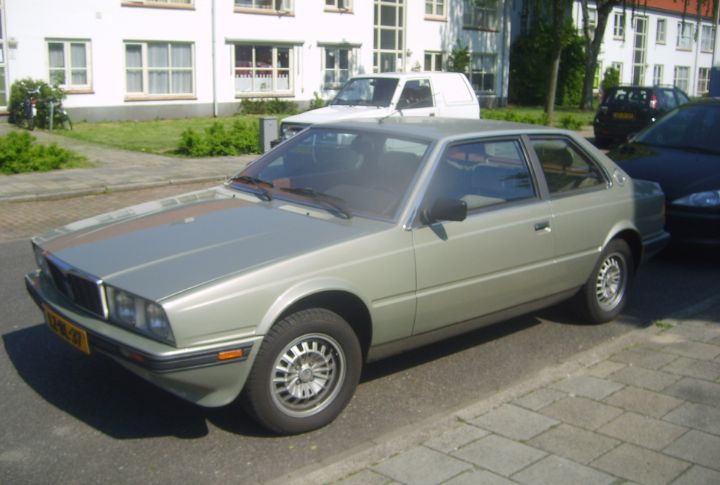
Maserati’s first mass-market model looked promising, but became infamous fast. Its twin-turbocharged V6 suffered from overheating and frequent head gasket failures. Electrical faults were widespread, and build quality fell short of expectations. Though it aimed to save the brand, the Biturbo’s flaws nearly collapsed Maserati’s reputation in the 1980s.
1977 MG Midget 1500
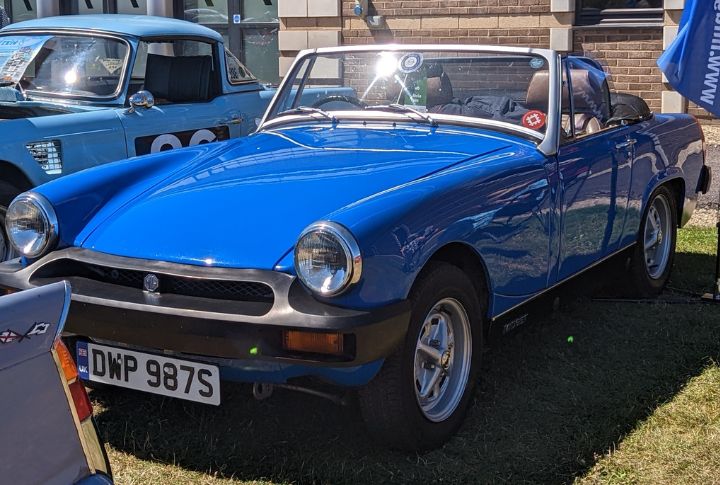
This one wore rubber bumpers and rolled out with a wheeze. The 1977 MG Midget 1500 struggled to keep up, thanks to strict emissions tweaks that drained its power. Breakdowns came often, leaks came standard, and highway merges felt more like blind faith than driver confidence.
1982 Cadillac Cimarron
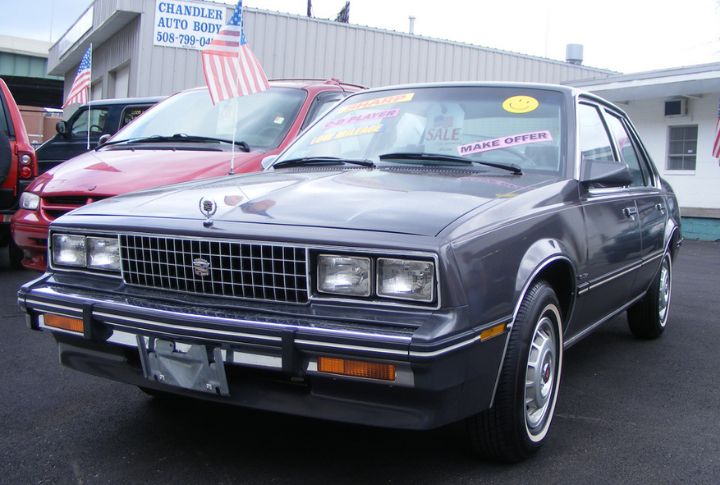
Imagine buying a Cadillac and getting a Chevy in a blazer. That was the Cimarron: a rebadged Cavalier sold at luxury prices. It lacked performance and refinement, which damaged Cadillac’s reputation for years. At a time when buyers expected comfort and class, they got hard plastics and basic everything instead.
1979 AMC Pacer
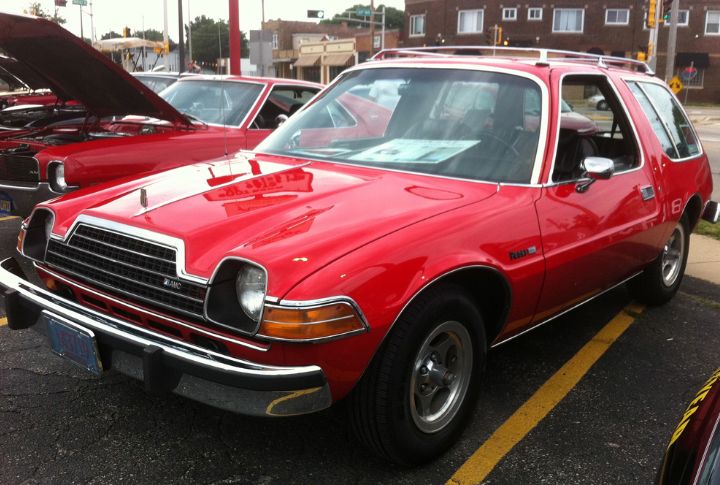
Its wide body and bubble glass earned it the nickname “fishbowl on wheels.” Still, design quirks weren’t the only problem. One door was longer than the other, parts dried up quickly, and structural weaknesses came from all that glass. Pop culture made it memorable, but it’s not something worth chasing today.
1973 Ford Pinto
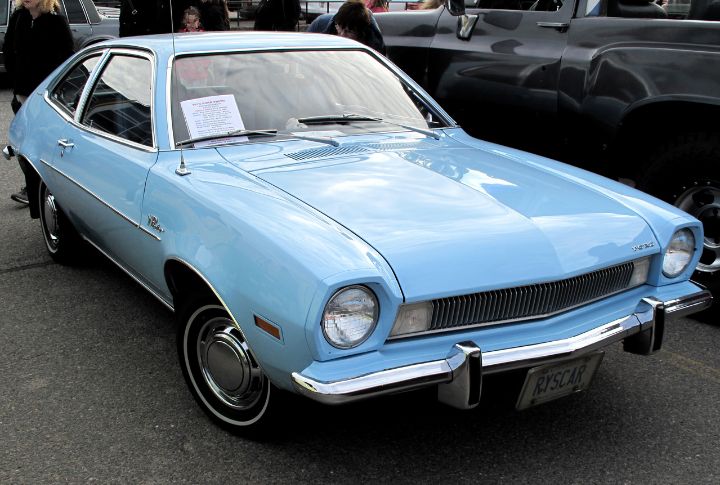
The Pinto’s story is hard to forget, and not for good reasons. Safety failure defined its legacy. Still, it once topped subcompact sales. Under the light frame was an underpowered engine, built more for cost-cutting than performance. Even now, some sell for less than a set of tires.