10 Fighter Jets That Redefined Air Combat
Throughout aviation history, select fighter jets have dominated the skies and redefined air combat. You are about to look at those ten legendary aircraft that stand out for their speed, agility, firepower, and a number of other powerful innovations. They changed design aspects and military strategy forever.
F-14 Tomcat
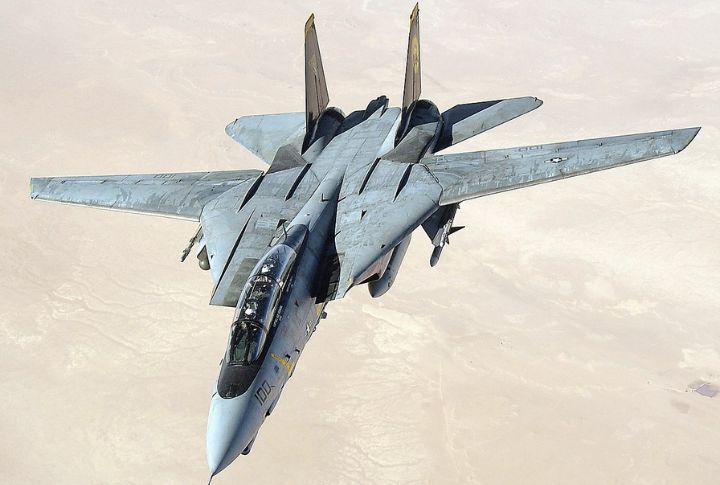
Made famous by its naval deployment and cinematic appearances, the Grumman F-14 Tomcat featured variable-geometry wings and a powerful radar-guided missile system. Designed for fleet defense, it could engage enemies from long distances and remain a key U.S. Navy asset for over three decades.
F-86 Sabre
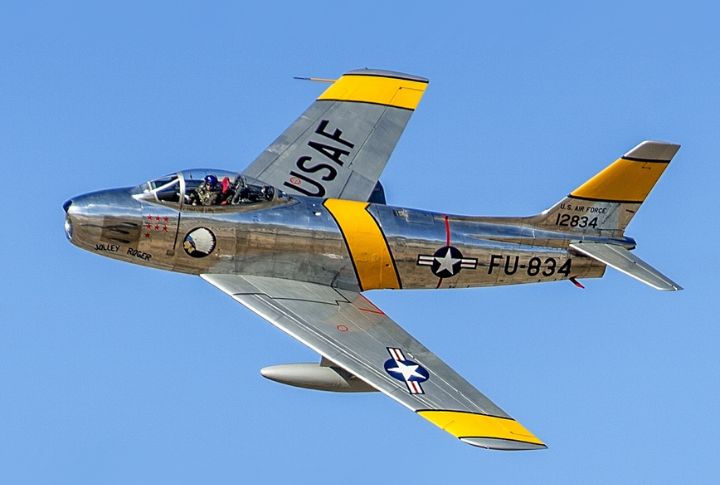
The North American F-86 Sabre emerged during the Korean War and was pivotal in transitioning from propeller-driven aircraft to jet-powered combat. With its swept-wing design and speed advantage, it gave American pilots a technological edge. The Sabre’s dogfights with the MiG-15 marked the dawn of modern jet combat.
MiG-15
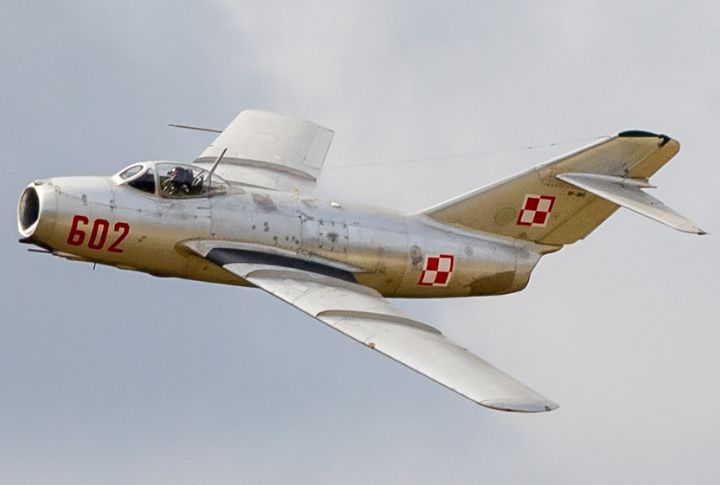
The Mikoyan-Gurevich MiG-15 was a game-changer for the Soviet Union, showcasing exceptional climb rates and performance at high altitudes. It played a dominant role in the Korean War and prompted major developments in Western jet design. The jet’s global influence spanned decades and numerous air forces.
F-4 Phantom II
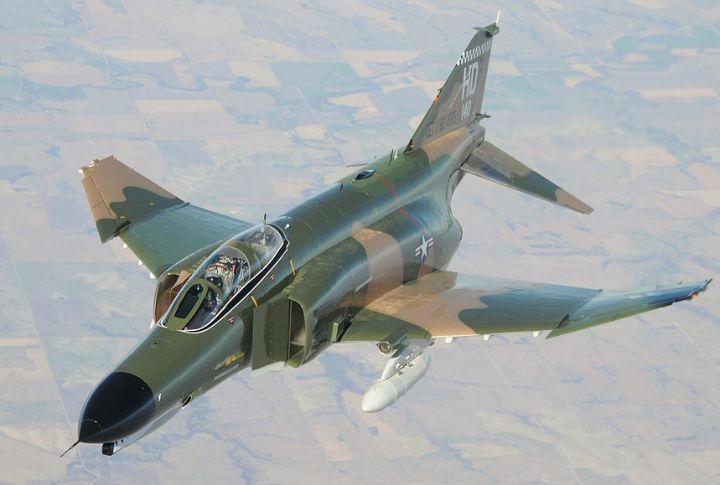
Originally developed for the U.S. Navy, the F-4 Phantom II quickly found roles in nearly every American military branch. Famous for its speed, payload capacity, and adaptability, the Phantom II became a multi-role workhorse. It also served in Vietnam and beyond, setting multiple speed and altitude records.
Mirage III
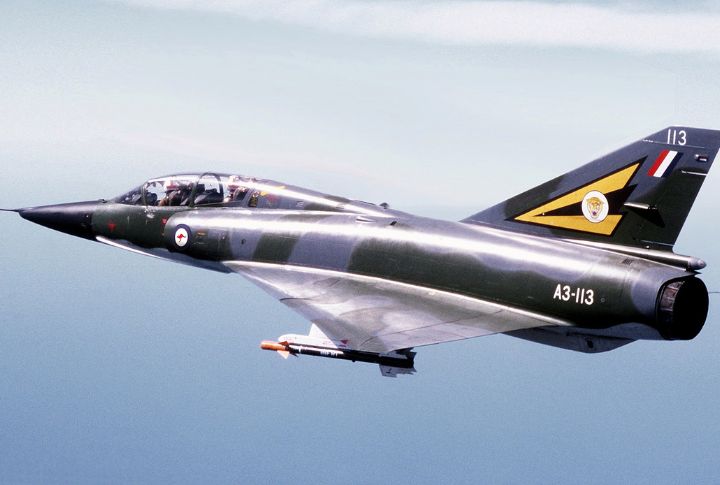
France’s Dassault Mirage III stood out as one of the first European fighters capable of sustained supersonic speeds. Its sleek delta-wing design made it effective in both interception and ground-attack missions. Widely exported, this jet gained a strong reputation for its performance during conflicts in the Middle East.
MiG-21
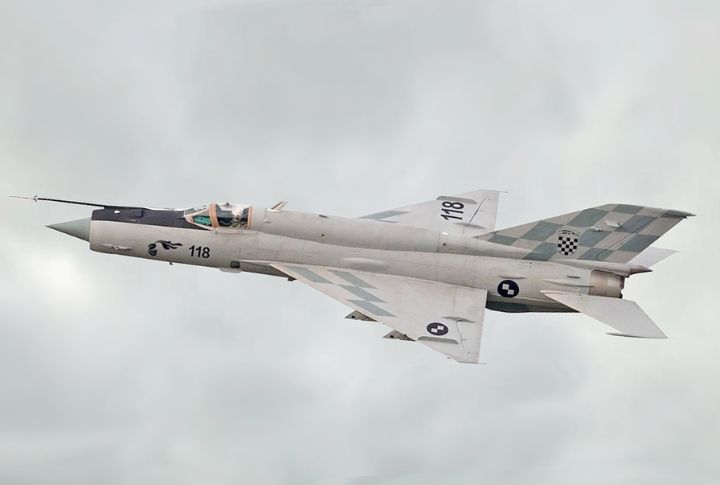
With over 11,000 units produced, the MiG-21 is among the most widely used fighter jets in history. Despite its relatively simple design, it offered a strong balance of speed and maneuverability. MiG-21’s ongoing use in several countries reflects its durability and cost-effectiveness.
F-15 Eagle
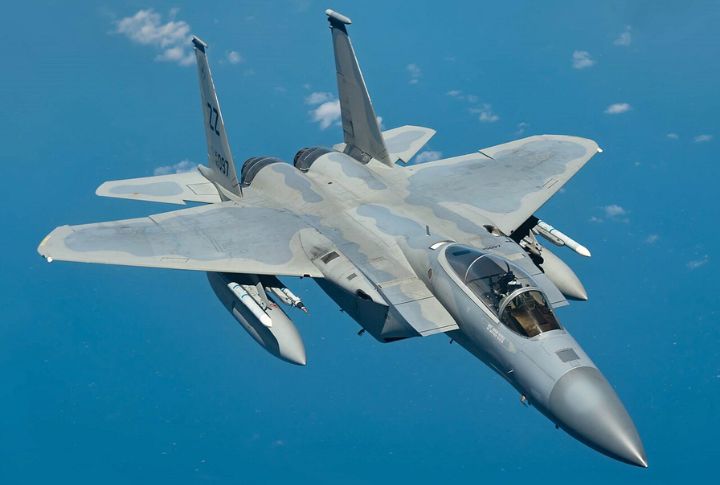
Since its introduction in the 1970s, the McDonnell Douglas F-15 Eagle has established a near-flawless combat record. Designed purely for air superiority, it combines power, advanced avionics, and agility. The Eagle continues to evolve, maintaining its relevance in modern air forces.
Su-27 Flanker

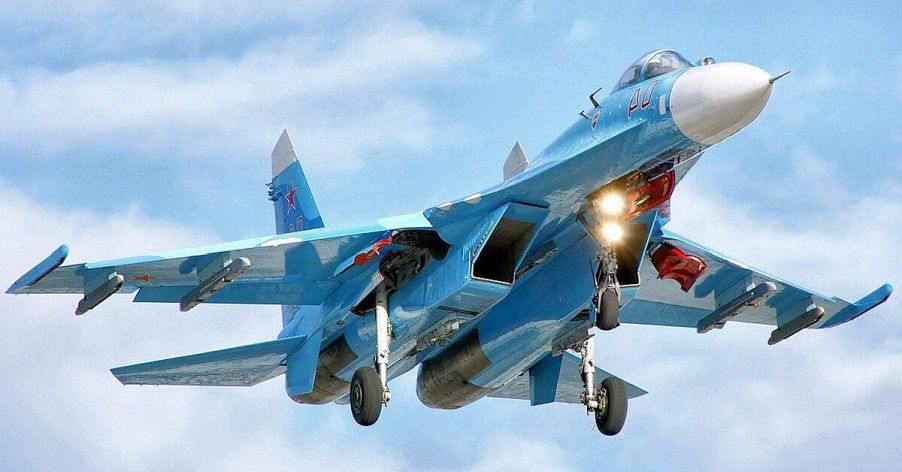
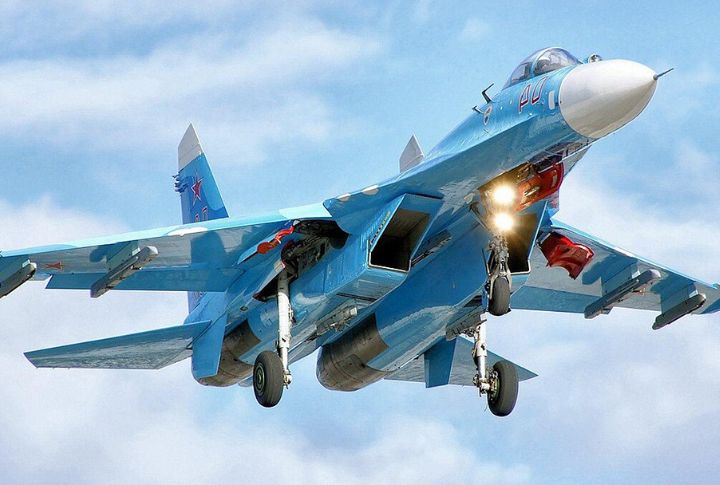
The Sukhoi Su-27 was Russia’s answer to Western air dominance during the Cold War. Built for long-range missions and high maneuverability, it introduced combat endurance and advanced avionics. Flanker’s derivatives remain key assets in multiple air forces across the globe.
F/A-18 Hornet
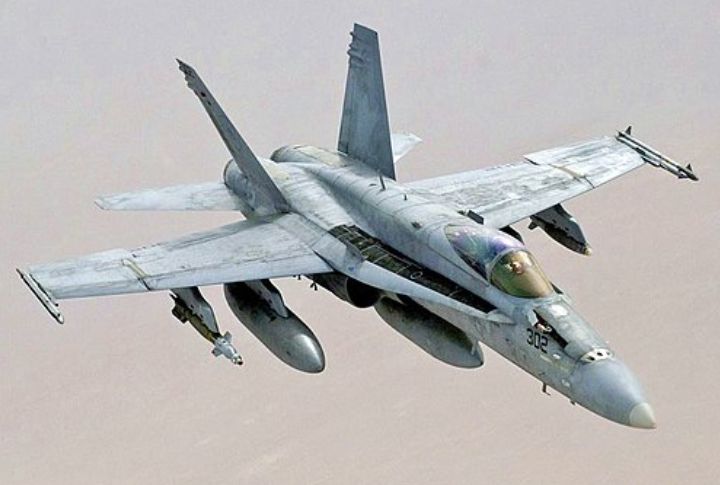
The F/A-18 Hornet has served as both a fighter and attack aircraft aboard U.S. aircraft carriers. Known for its reliability and mission flexibility, it played critical roles in operations from the Gulf War to modern-day conflicts. Its latest iteration, the Super Hornet, carries that legacy forward.
F-22 Raptor
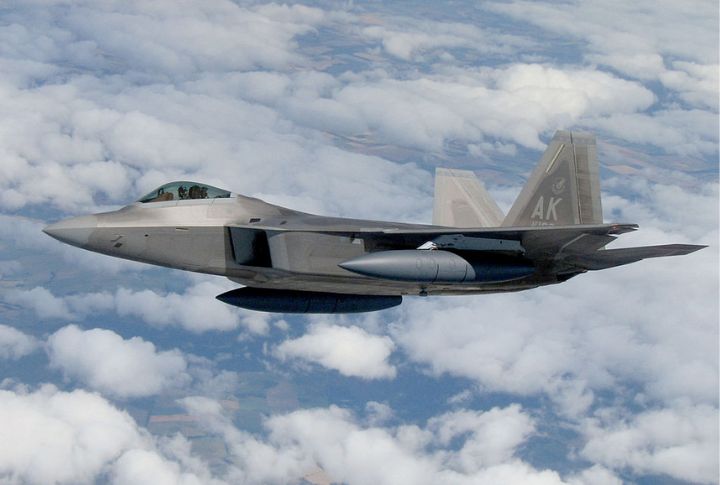
As the first operational fifth-generation fighter, the Lockheed Martin F-22 Raptor introduced stealth capabilities combined with superior agility and situational awareness. The jet’s design ensures it can engage threats without being detected, setting a new benchmark in air combat effectiveness.