20 Ferrari Models That Leave Everything Else Behind
Few manufacturers match Ferrari’s commitment to raw speed and engineering precision. Each model is built with a purpose, tested under pressure, and fine-tuned to perform where numbers truly matter. This list captures 20 machines that aren’t just fast on paper but have proven it mile after mile in real-world conditions.
Ferrari SF90 Stradale
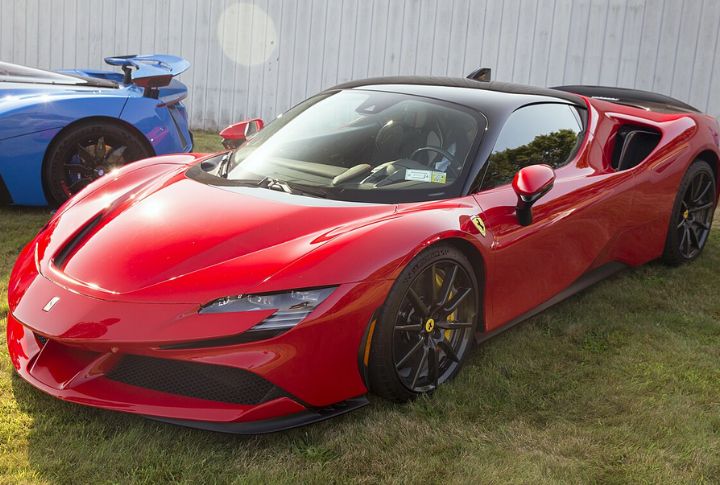
The SF90 Stradale produces 986 horsepower from a twin-turbo V8 and three electric motors. It reaches 62 mph in just 2.5 seconds, with an all-wheel-drive system and Ferrari’s first plug-in hybrid architecture. That combination allows it to top out at 211 mph while staying surprisingly efficient.
LaFerrari
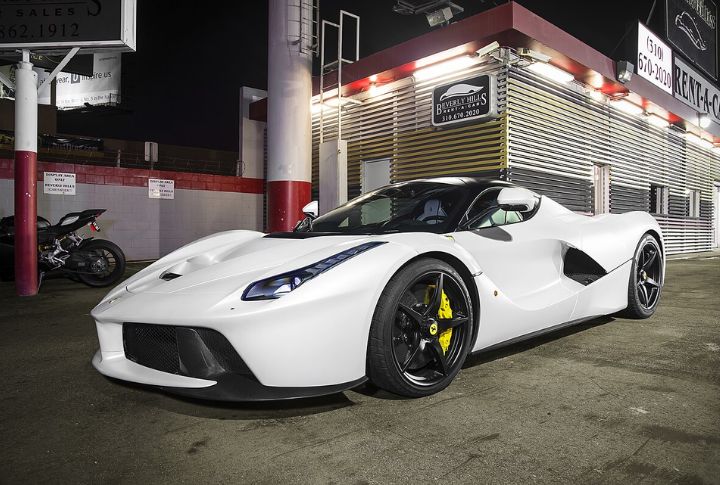
No Ferrari production car accelerated to 124 mph quicker than LaFerrari at its release. It keeps pushing beyond 217 mph, supported by a hybrid system engineered for both burst and endurance. Underpinning that performance is a carbon-fiber frame shaped to balance drag reduction with high-speed control.
Ferrari FXX-K
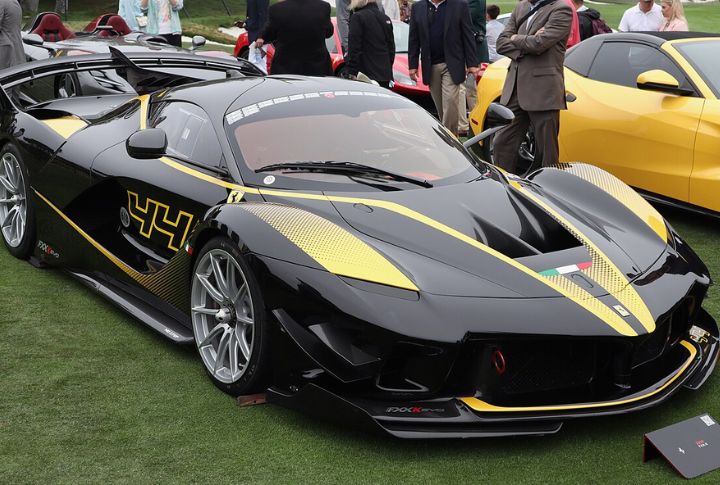
The Ferrari FXX-K generates over 1,030 horsepower using a V12 paired with an electric motor. It breaks the 217 mph mark and feeds performance data to Ferrari through advanced telemetry. The model lacks street-legal features as it’s not available for use on public roads and is built purely for high-speed private testing.
SF90 XX Stradale
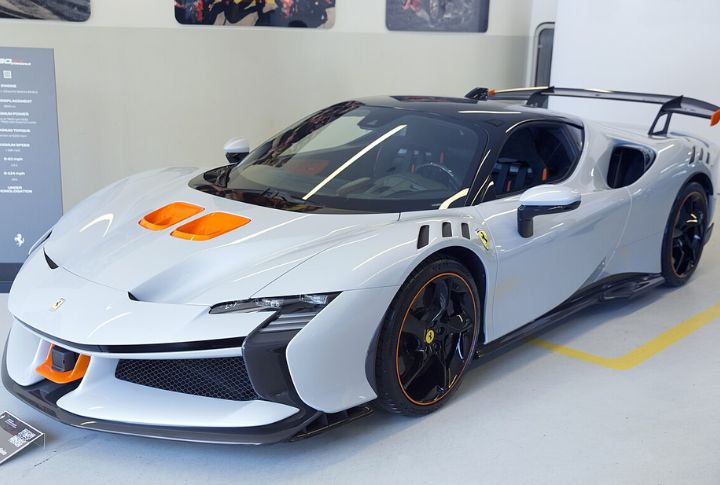
Developed as a more focused version of the SF90, the XX Stradale uses lighter materials and aerodynamic upgrades to sharpen its edge. Though capped at 199 mph, it delivers rapid, unrelenting speed on track. Every system was recalibrated to keep that pace stable under extreme driving conditions.
Ferrari 812 Superfast
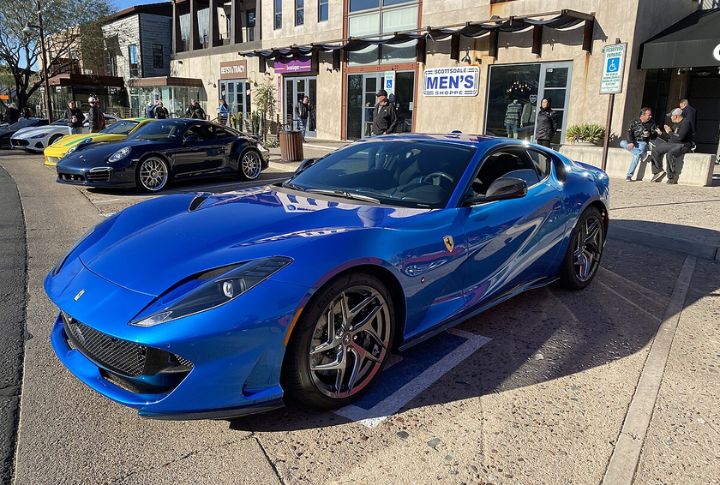
Ferrari’s 812 Superfast pairs a naturally aspirated 6.5-liter V12 with 789 hp, pushing it to 60 mph in a face-flattening 2.9 seconds. It integrates rear-wheel steering and electronic power assistance into a front-engine layout. With a top speed of 211 mph, it also thrives on responsive highway performance.
Ferrari Enzo
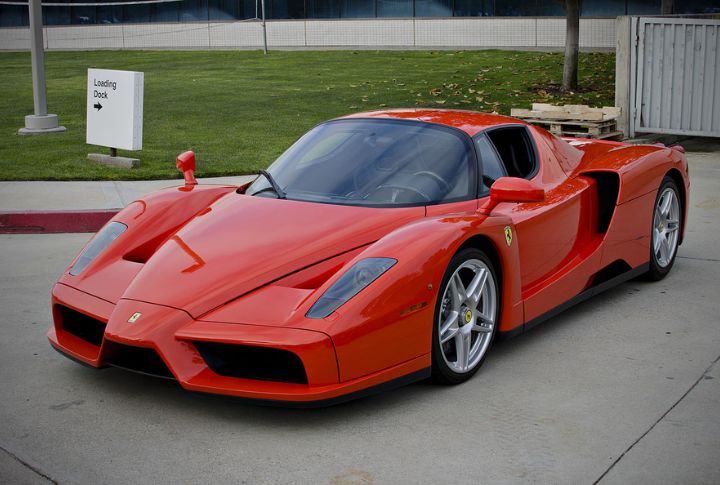
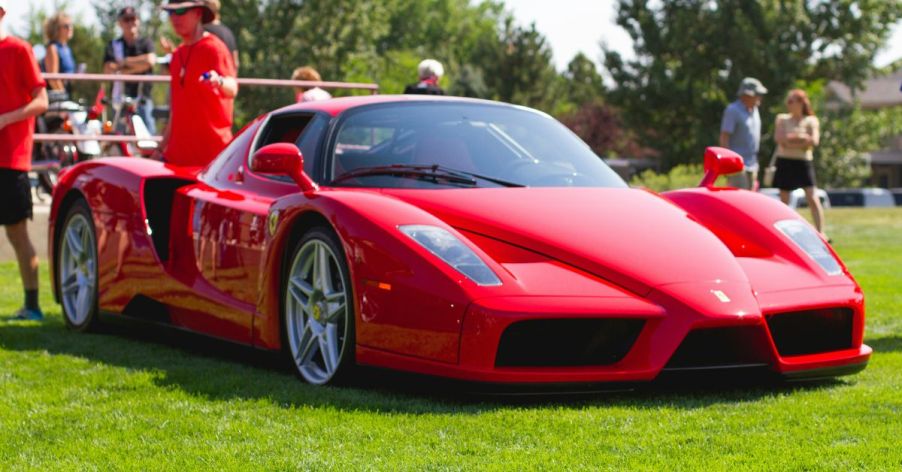
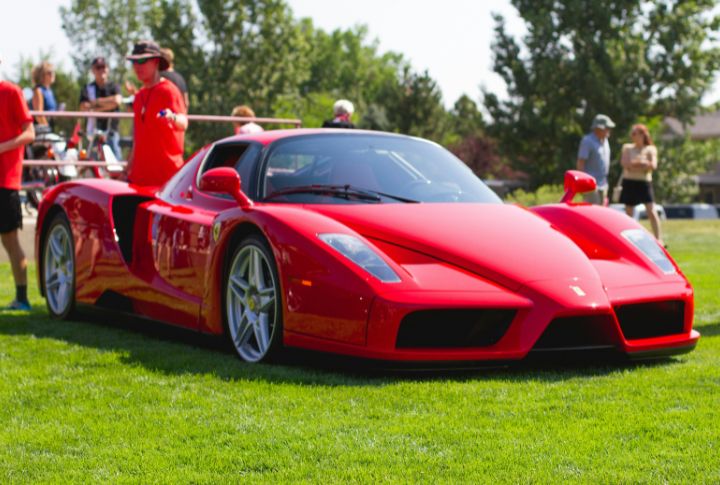
Hitting 60 mph in just 3.3 seconds, the Enzo stood among the quickest production cars of its era. Its verified top speed pushed beyond Ferrari’s official 217 mph claim, confirming its capability under pressure. That confidence at full stretch came from a chassis tuned for stability at the limit.
Ferrari F50
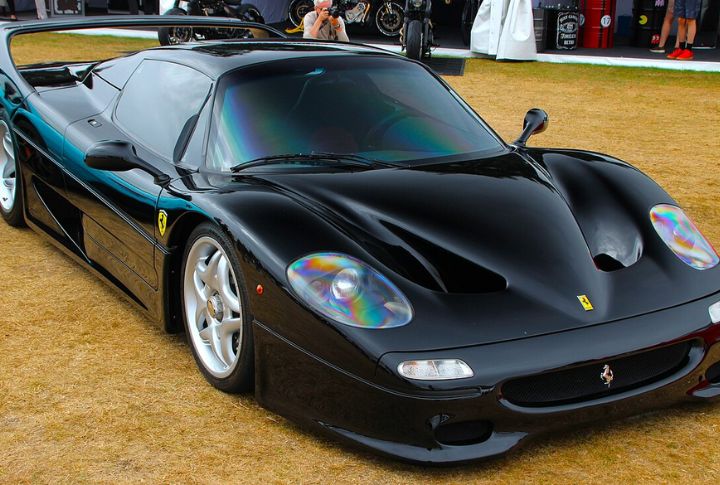
No electronic filters or driver aids were installed in the F50, which draws 513 horsepower from a Formula 1-derived 4.7-liter V12. It peaks at 202 mph and needs just 3.8 seconds to reach 60 mph. The focus on raw feedback further defines its character more than outright speed.
Ferrari 296 GTB
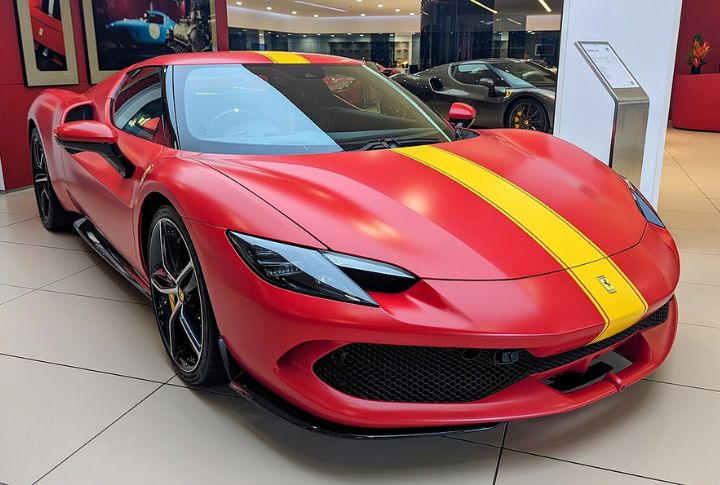
The 296 GTB merges a compact engine design with electric assistance to deliver instant throttle response and sharp control. Acceleration is near-instant, and its top-end speed remains competitive among modern supercars. With rear-wheel drive and brake-by-wire systems, every movement is measured, balanced, and engineered for pinpoint precision.
Ferrari F8 Tributo
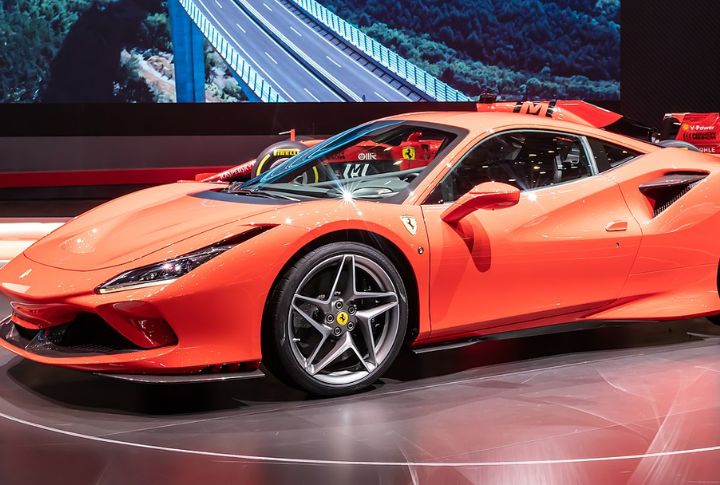
Engineered for quick response and confident handling, the F8 Tributo reacts seamlessly to driver input across changing conditions. Aerodynamic improvements help keep the car composed even as speeds rise rapidly. Its cornering balance comes from an advanced stability system that quietly corrects oversteer before it ever feels dramatic.
Ferrari 488 Pista
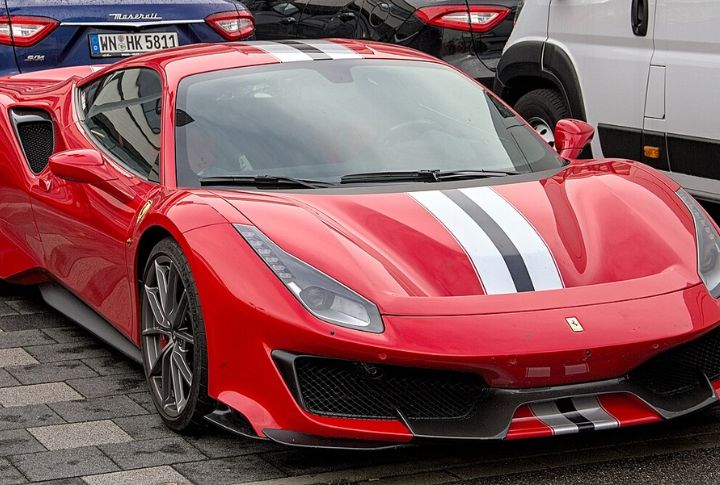
The 488 Pista can hit 211 mph, built with a dry weight under 3,000 pounds, and a twin-turbo V8 generating 710 horsepower. It accelerates to 60 mph in 2.8 seconds while managing power through slip-control software. Each component was tuned for track grip and mechanical efficiency.
Ferrari 599 GTO
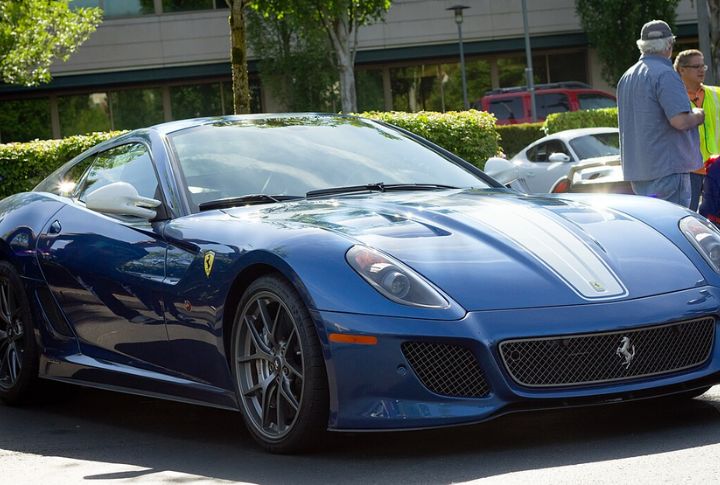
Built with racing DNA, the 599 GTO channels lessons from the track into a road-ready machine tuned for intensity. Every part was shaped to cut weight and sharpen response, from its braking hardware to airflow design. The result is a car that reacts instantly when pushed to its limits.
Ferrari F40
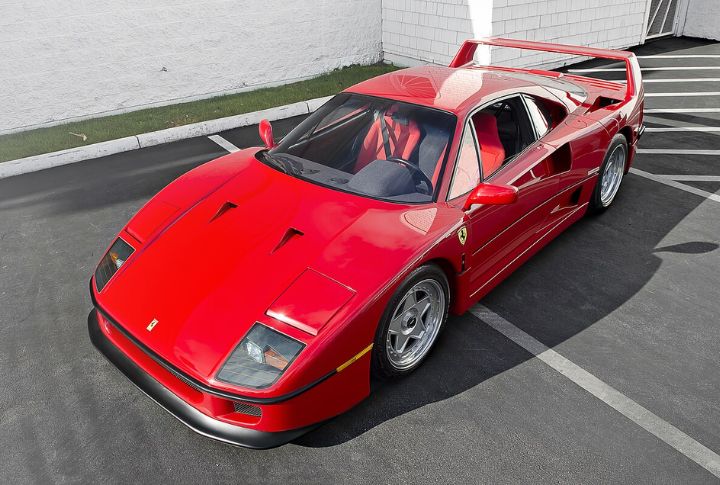
The F40 became the first production car to surpass 200 mph, reaching a verified 201 mph using a twin-turbo 2.9-liter V8. It produced 471 horsepower and featured a five-speed manual transmission with minimal driver assistance. Built-in 1987, it emphasized lightness and stripped-down functionality over electronics.
Ferrari Daytona SP3
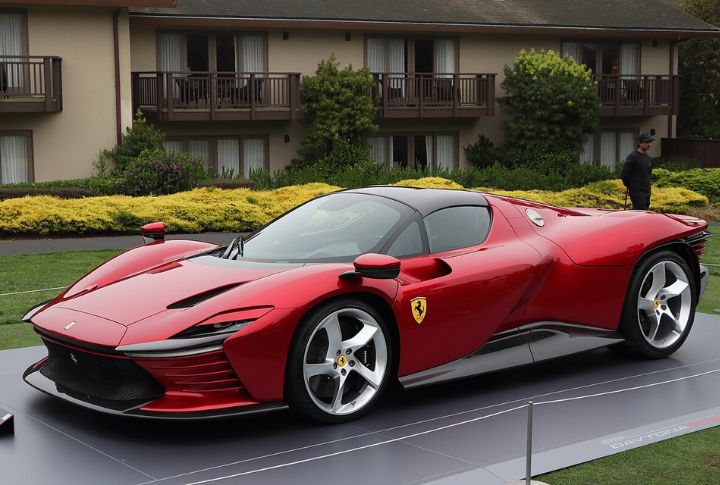
With a naturally aspirated layout and no hybrid influence, the Daytona SP3 stays true to Ferrari’s most celebrated engineering roots. Its design isn’t just about looks; rear-wheel steering and track-focused geometry give it genuine precision. Even the doors were shaped to reflect the performance philosophy behind the build.
Ferrari 296 GT3
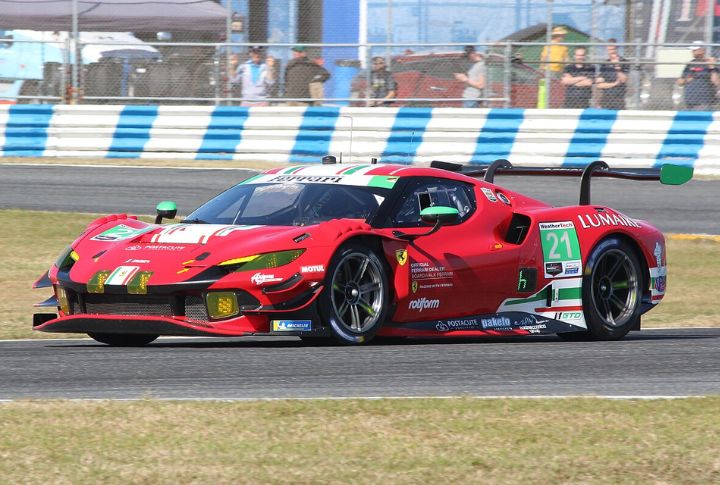
No license plate. No compromise. Built for circuits where seconds define legacy, the 296 GT3 strips out the road and answers only to rules written in tire wear and telemetry. Every panel, gearshift, and suspension arm exists not for comfort but to survive distance at maximum force.
Ferrari FXX Evoluzione
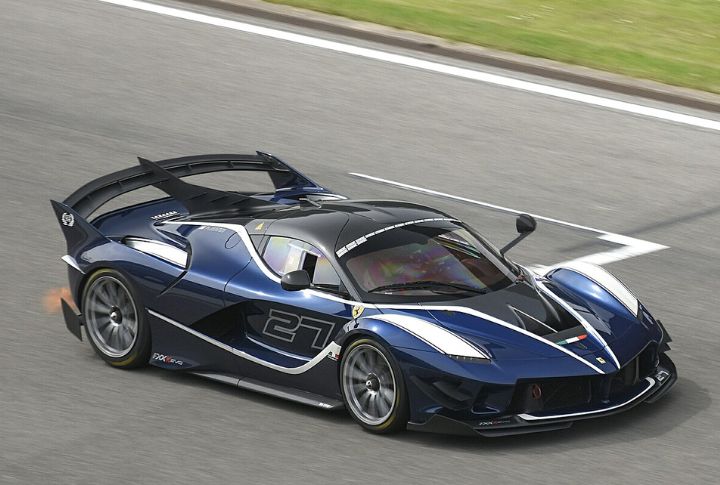
With 860 horsepower on tap, the FXX Evoluzione was built to exceed limits, not chase lap times. It reaches 249 mph under Ferrari-monitored track sessions reserved for select clients. Every run is recorded through real-time telemetry, feeding data into a program designed purely for technical advancement, not public competition.
Ferrari 430 Scuderia
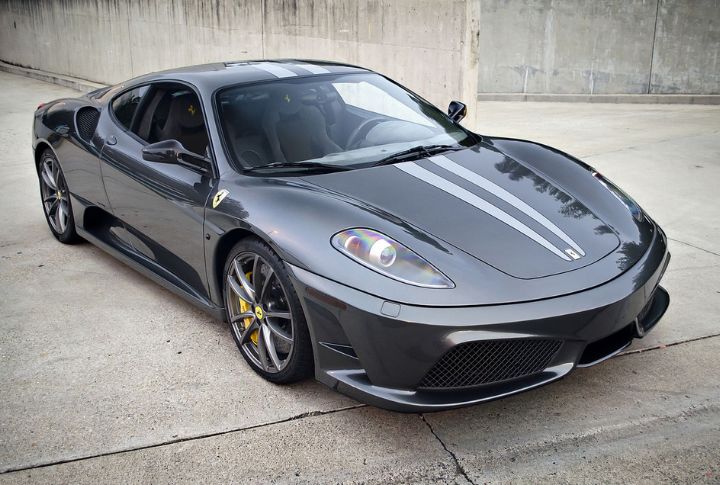
The 430 Scuderia, introduced in 2007, channels 503 horsepower through its 4.3-liter V8 and rockets to 60 mph in a blistering 3.3 seconds. With a single-clutch gearbox shifting in 60 milliseconds, performance is tightly controlled. Thinner windows and stripped cabin elements also contribute to a lighter, track-focused configuration.
Ferrari Portofino M
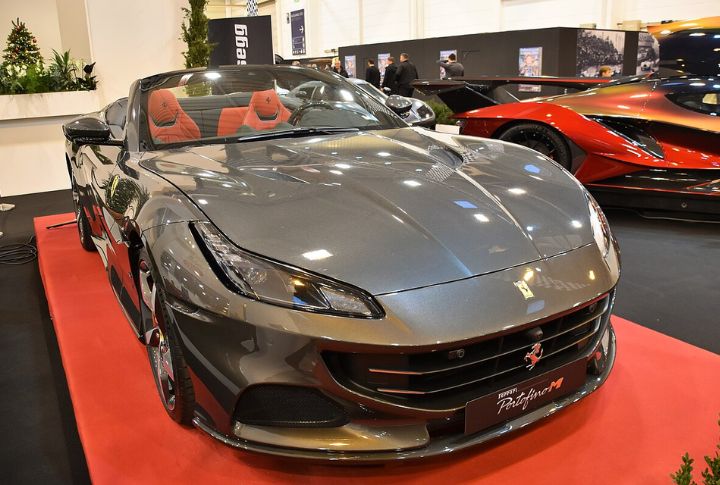
Zero to 62 in 3.5 seconds, 612 horsepower under your foot, and 199 mph on the open road. Yet, it still folds into a convertible. That speed meets grace through adaptive magnetic dampers, blending pace with surprising refinement. Unlike mid-engine counterparts, it keeps the engine up front and the attitude unbothered.
Ferrari California T
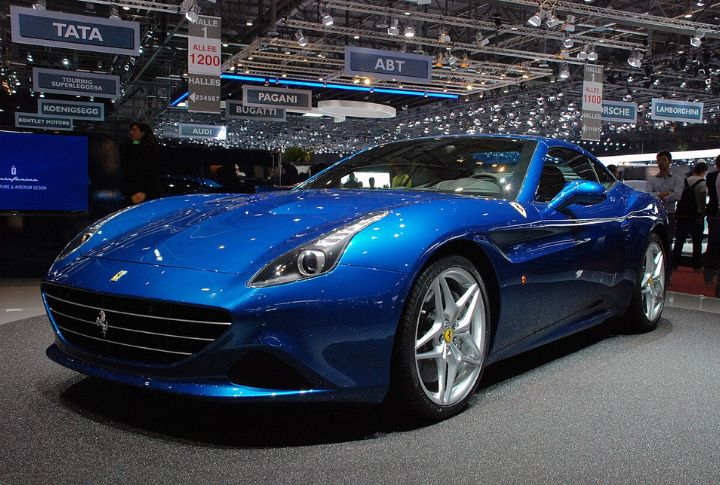
This model marked Ferrari’s return to turbocharging with a 3.9-liter V8 outputting 553 horsepower and 557 lb-ft of torque. It clocks 62 mph in 3.6 seconds and reaches a top speed of 196 mph. Comfort and performance were blended here, especially for drivers preferring front-engine convertibles.
Ferrari 458 Speciale
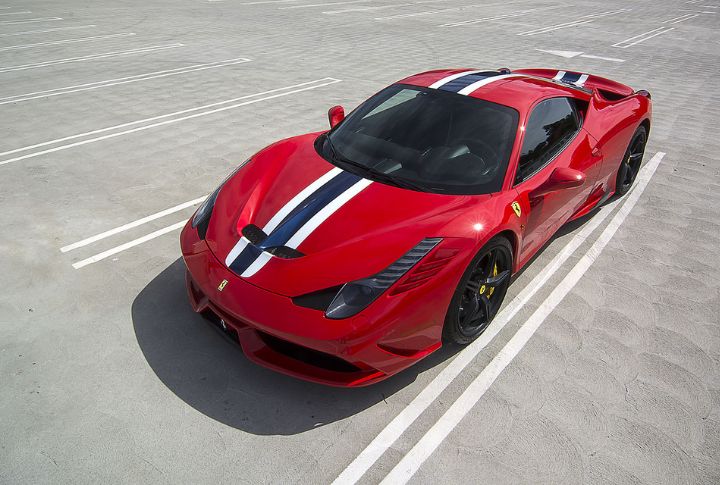
The 458 Speciale delivers a sharp, high-revving response that keeps the driver fully engaged at every moment. That intensity stays controllable through systems that manage slip without muting the car’s natural feel. As speeds rise and corners tighten, its active aerodynamics adjust continuously to preserve grip and directional precision.
Ferrari Monza SP2
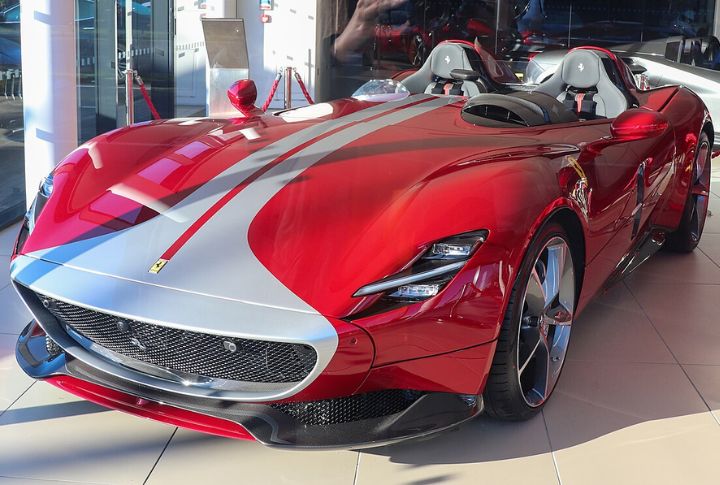
Using an open-top layout and no windshield, the Monza SP2 is powered by an 809-horsepower 6.5-liter V12 engine. It accelerates to 62 mph in 2.9 seconds, with a limited top speed of 186 mph. Designed for collectors, it’s built from carbon fiber and optimized for exclusivity.