10 Fascinating Details That Made The Lamborghini Miura A Legend
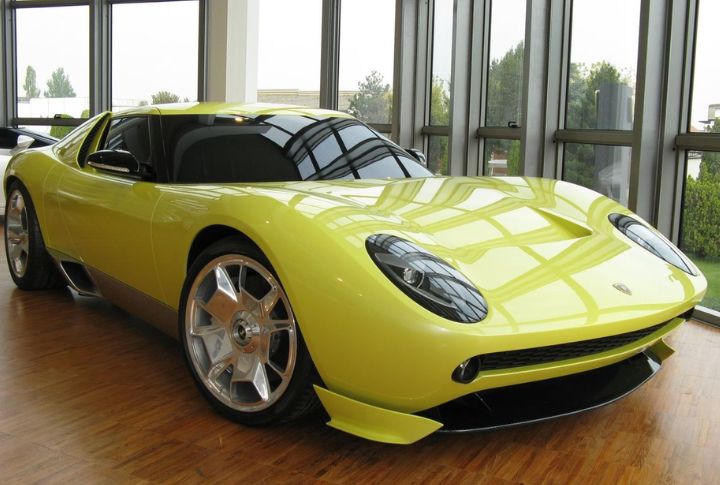
Every icon starts somewhere, but the Miura didn’t wait for permission. It jumped the line and stole the spotlight. It wasn’t just a car—it was a message. Hidden under that sleek shell were decisions that changed Lamborghini’s path forever. The Miura earned its legendary status, and this list explores ten details that explain how.
Secret Development Project
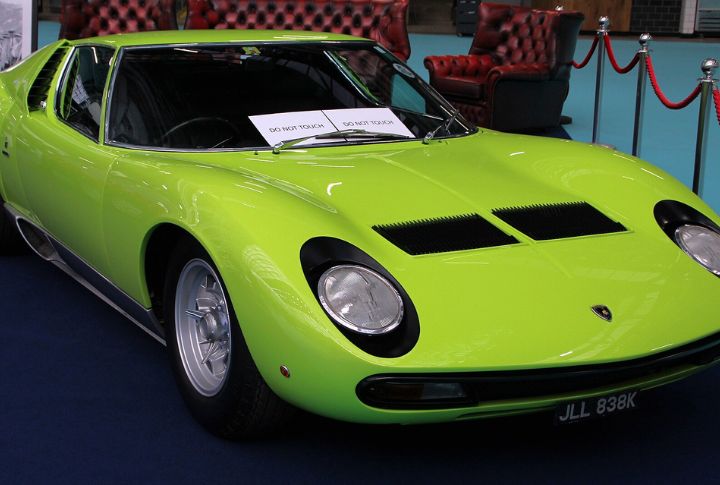
Lamborghini’s young engineers worked in secret to build a new car without the boss’s approval. Ferruccio Lamborghini did not believe in mid-engine cars for the road and focused on grand tourers. When the new car was revealed, everyone was surprised, and it became one of the most famous breakthroughs in car history.
The First True Supercar
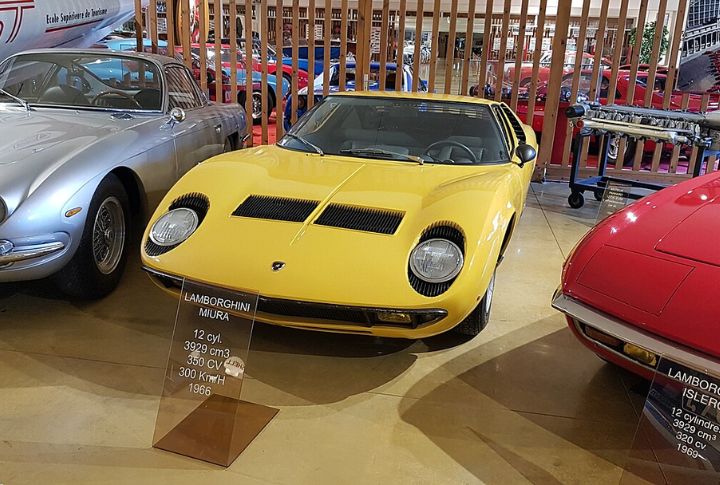
The Lamborghini Miura, launched in 1966, is frequently called the first true supercar because it combines groundbreaking design with incredible speed. Its mid-engine layout was revolutionary, allowing a top speed of 175 mph—unheard of at the time. This innovation pushed rivals like Ferrari to raise their standards.
Revolutionary Mid-Engine Layout
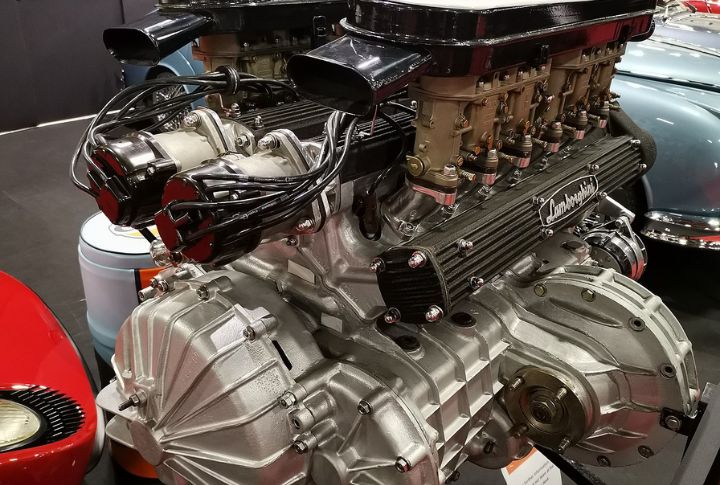
A powerful V12 engine was positioned behind the driver to improve balance and handling by evenly distributing weight. Inspired by Formula 1 technology, this mid-engine layout enhanced driving performance and set a new standard. It also enabled designers to create lower, more streamlined bodies, improving both speed and stability on the road.
The Miura Inspired Hollywood
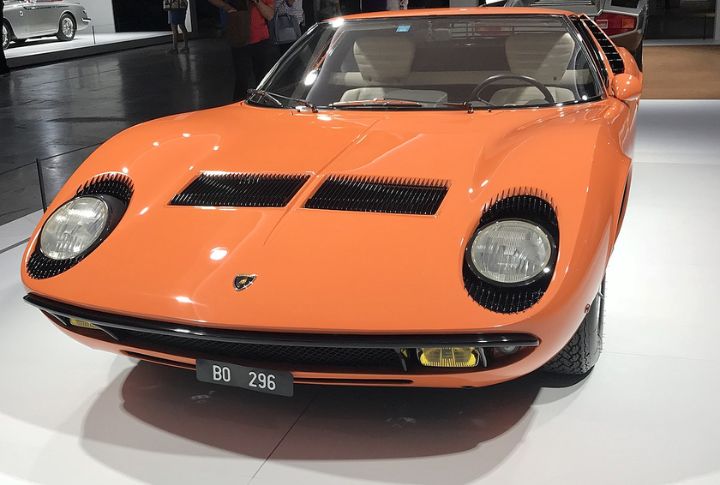
The Lamborghini Miura became a Hollywood icon with its sleek design and powerful performance. Featured in “The Italian Job” (1969), it epitomized luxury and speed. Celebrities like Frank Sinatra and Steve McQueen admired the car, and its screen appearances solidified Lamborghini’s status in Hollywood’s portrayal of wealth and sophistication.
Lamborghini’s Unexpected Rise To Fame
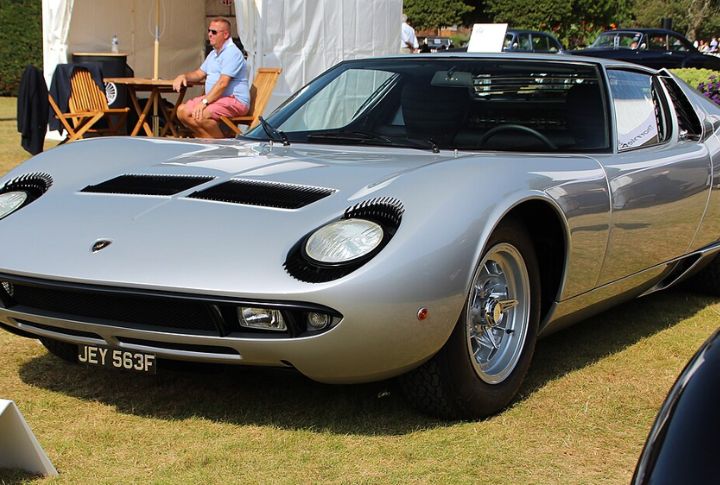
Lamborghini was originally known for making tractors before the Miura completely transformed its reputation. The car attracted famous fans like Miles Davis, Rod Stewart, and Eddie Van Halen, boosting its appeal. As a result, Lamborghini emerged as a symbol of innovation and prestige in the world of high-performance automobiles.
Official Debut As A Chassis, Not A Car
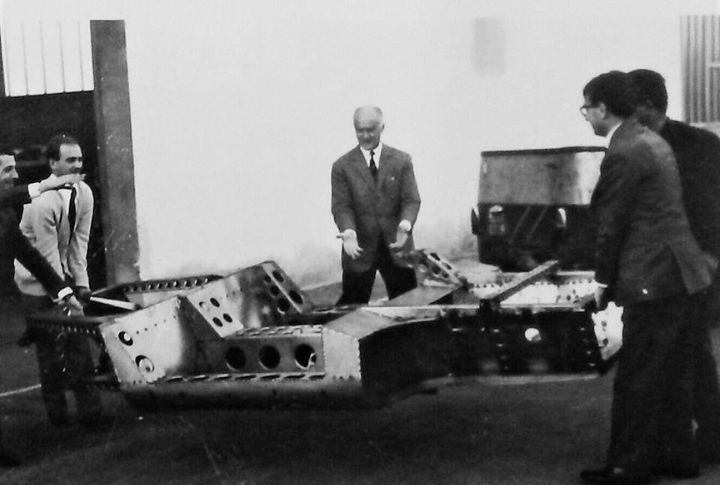
At the 1965 Turin Auto Show, Lamborghini showcased the Miura as an exposed chassis rather than a fully built car. This was unusual because auto shows typically reveal complete vehicles. By showing the bare frame, Lamborghini highlighted its innovative mid-engine design and structural engineering.
The Miura’s Influence On Future Models
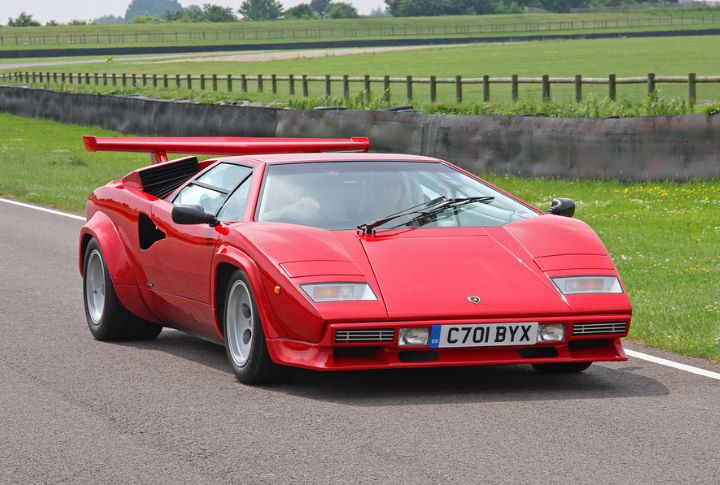
The Lamborghini Miura changed how cars were designed and inspired future models like the Countach and Aventador. With each new car, engineers improved speed and style. Many design features from the Miura are still used today, keeping its influence alive in every modern Lamborghini V12 supercar.
The Miura’s Role In Lamborghini’s Bull Legacy
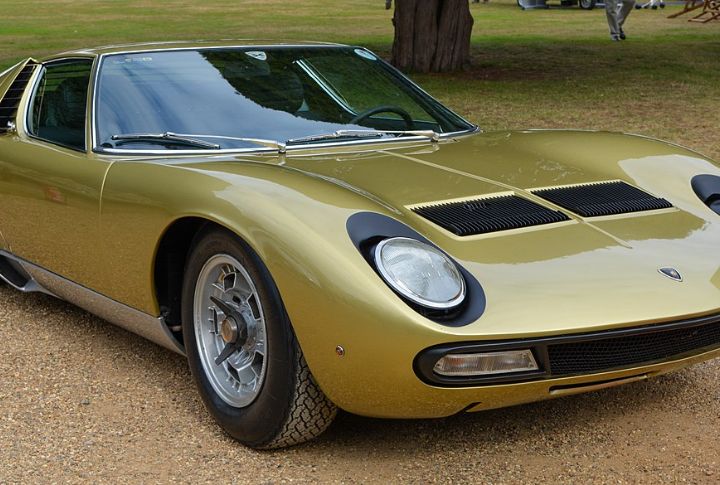
Lamborghini Miura was named after one of Spain’s fiercest fighting bulls, symbolizing power and pride. This tradition continued with later models such as the Diablo and Huracan. The Miura set the foundation for Lamborghini’s legacy of speed, strength, and bold style, defining the brand’s strong, fearless spirit on the road.
The Miura’s Aviation-Inspired Design
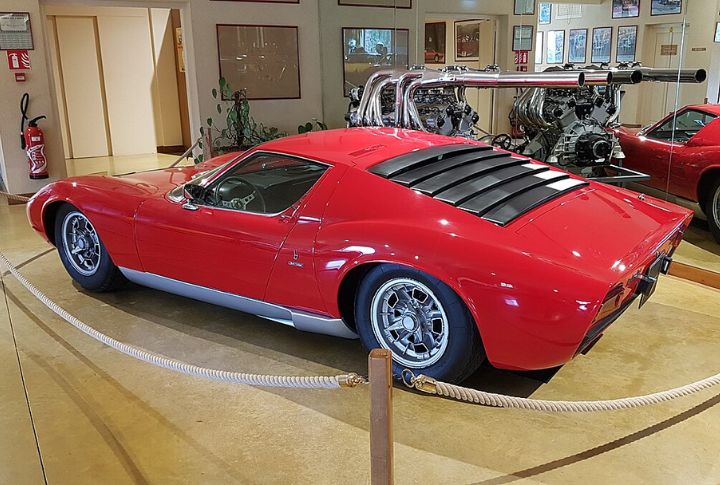
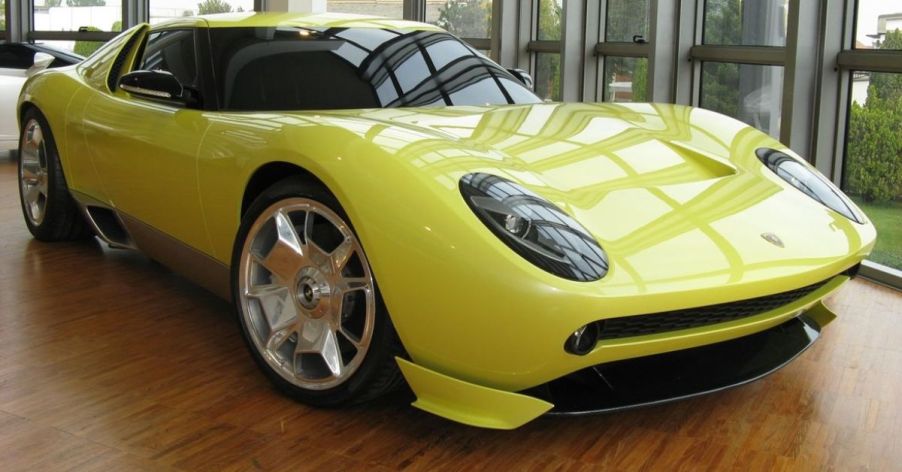
Inspired by fighter jets, the Miura’s design features smooth curves and air vents that boost speed. Its low body and sharp lines improve airflow, creating an aerodynamic shape. Later Lamborghini supercars carried forward the jet-inspired styling, engineered to cut through the air with precision and power.
Only 764 Units Were Ever Made
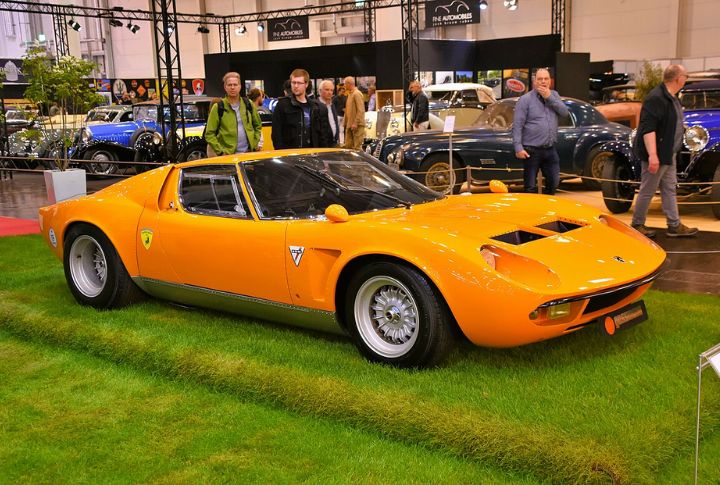
With only 764 Miuras ever produced between 1966 and 1973, its rarity adds to its mystique. The car was released in three versions: P400, P400S, and P400SV, each more refined than the last. Today, Miuras are not only valuable collector’s items but also a symbol of Lamborghini’s engineering excellence.