10 EVs That Fail The Mechanic’s Test Drive
Some electric vehicles seem impressive at first glance, but real-world performance often tells a different story. Despite promises of reliability, several models show recurring issues and poor durability. These 10 EVs may look sleek. However, hidden problems make them fall short when it truly matters.
Lucid Air (Early Models)
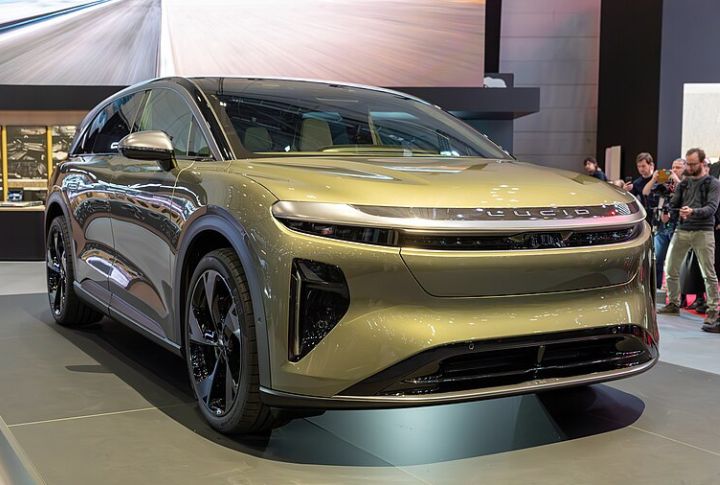
Luxury meets innovative design in the Lucid Air, but early production runs revealed growing pains. Suspension wear and finicky software mar the otherwise impressive powertrain. The Lucid Air is also a jittery ride, adding to its shortcomings. A standout model on paper but quite unreliable hands-on.
Jaguar I-Pace
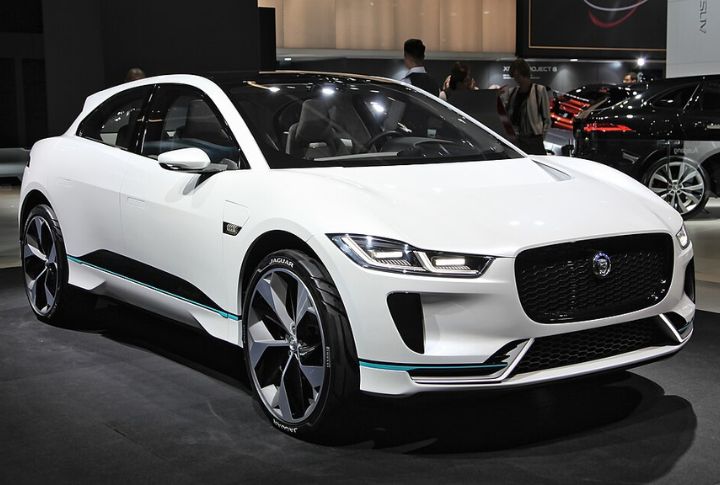
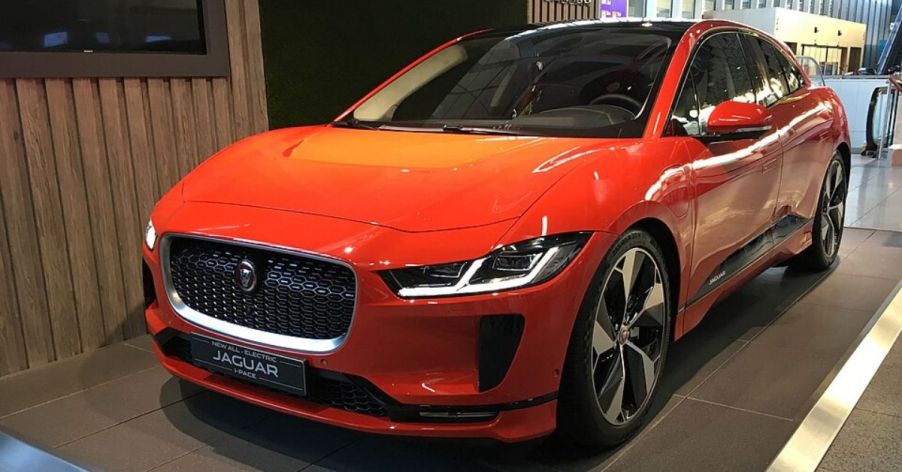
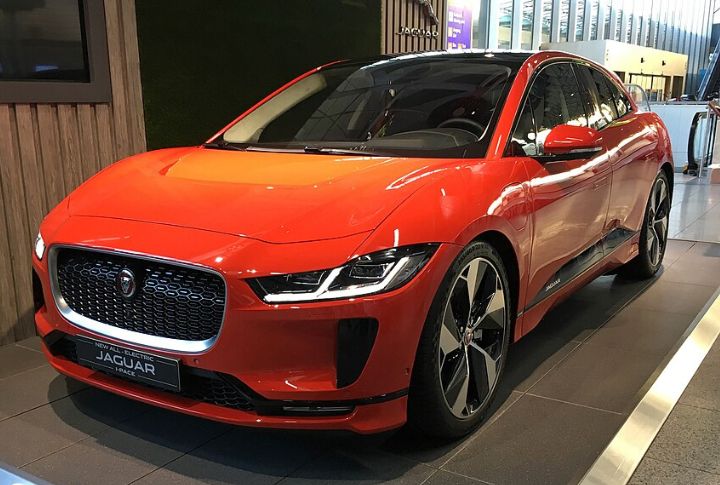
With sleek styling and engaging acceleration, the I-Pace checks the right boxes for design and performance. Unfortunately, charging system quirks, premature battery degradation, drivetrain stress, and a stiff suspension detract from the experience. It performs best in short bursts, but it is not always reliable in the long term.
Mini Cooper SE Electric
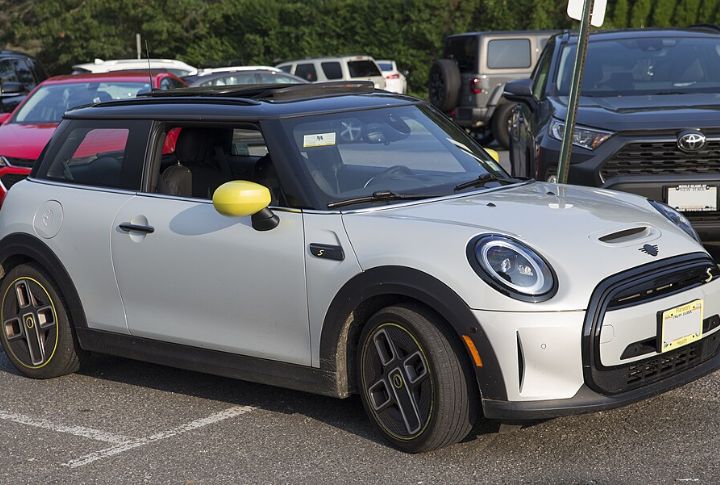
Charming looks and go-kart handling make the Mini Cooper SE a fun city car. Nevertheless, limited range and twitchy regenerative braking reduce practicality. Best suited for short commutes and urban errands, this EV lacks the stamina needed for confident, longer-distance driving.
Mazda MX-30 E
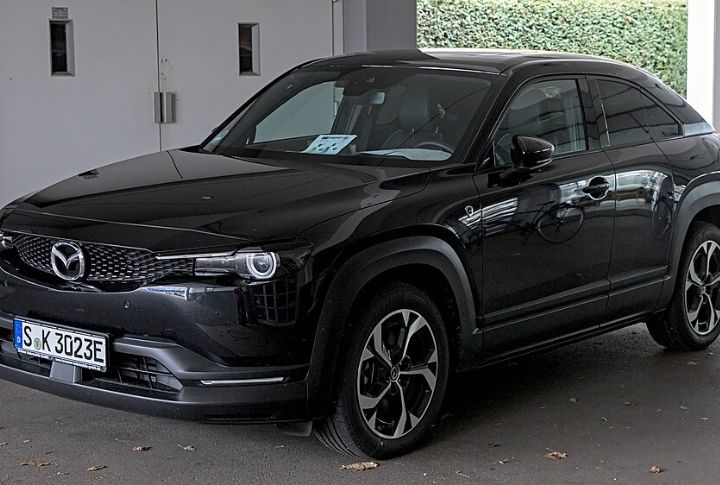
Introduced as Mazda’s electric debut, the MX-30 offers bold design choices but is let down by real-world execution. The underwhelming range, low battery capacity, uneven ride comfort, and inconsistent braking response hold it back from serious EV contenders. Its value fades quickly, which makes it a poor choice for enthusiasts looking for performance longevity.
Hyundai Kona Electric (Early Models)
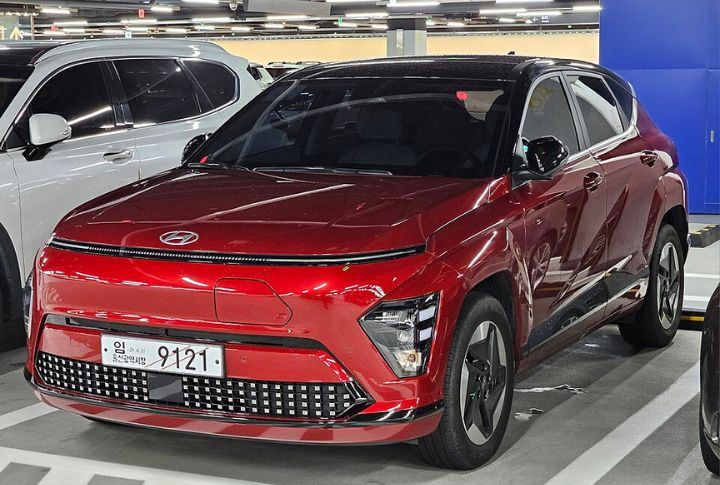
Battery degradation and finicky regenerative braking dampen the appeal of early Kona Electric units. It’s a capable budget EV on paper, but its real-world performance doesn’t always hold up. Newer versions have improved, so watch out for initial builds, which may leave you juggling with more than just range.
Volkswagen ID.4 (First-Year Model)
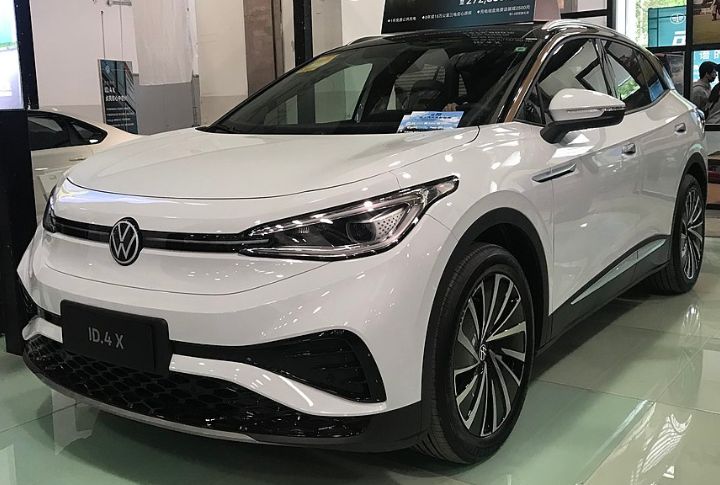
The ID.4 is Volkswagen’s ambitious entry into the electric vehicle world, offering a spacious interior and smooth driving experience. However, the first-year model isn’t without flaws—software glitches, inconsistent battery performance, and slow charging speeds stand out. Waiting for newer versions may lead to a more refined ride.
Ford Mustang Mach-E (Select Trims)
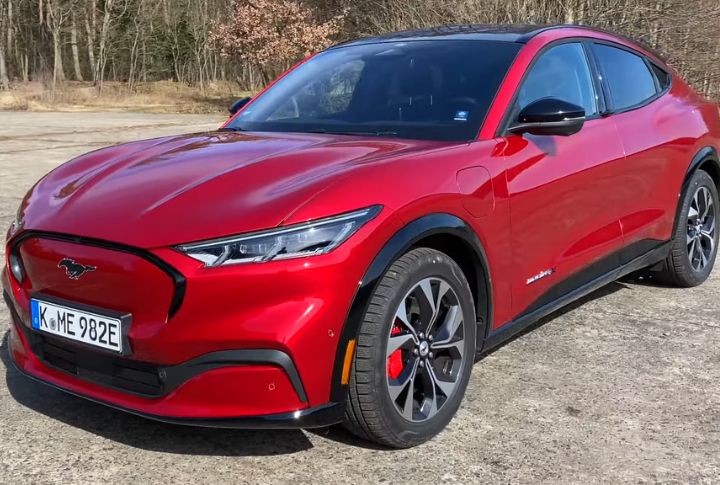
A few trims of the Mach-E deliver on looks and torque. Yet, they falter on consistency. Battery cooling issues and jittery throttle mapping reduce driver confidence. Its muscular styling is impressive, but performance hiccups keep it from reaching its full potential in these versions.
Tesla Model X (Pre-Refresh Units)
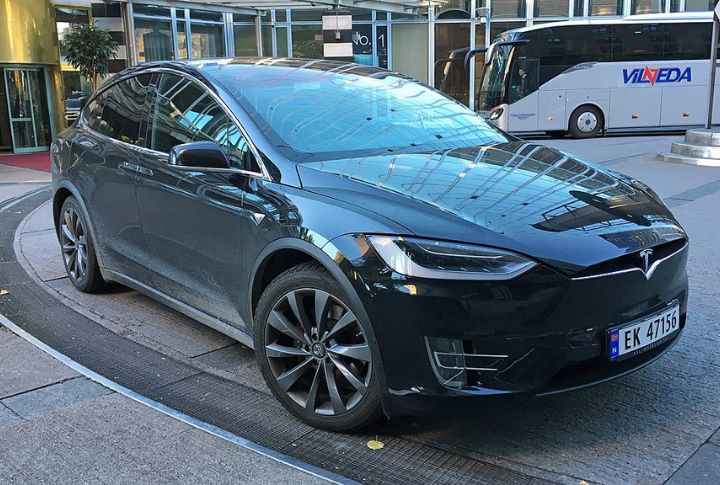
High-tech and head-turning, early Tesla Model X units often battle Falcon-wing door failures and uneven ride quality. Battery decline is also a prevalent issue with this model. Despite its power and innovation, practicality issues make ownership tricky. Consider newer refreshes if reliability ranks high on your EV checklist.
Fisker Ocean (Launch Editions)
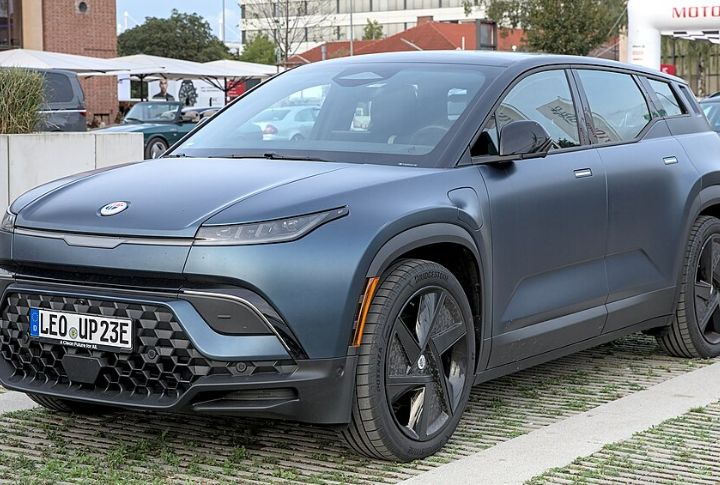
Launch editions of the Ocean were ambitious in design but lacked refinement. Misaligned panels, clunky suspension tuning, battery degradation, unrefined ride quality, and sluggish charging compromise the polished look. While the design language is forward-thinking, the mechanics still need to catch up to the marketing.
BMW i3
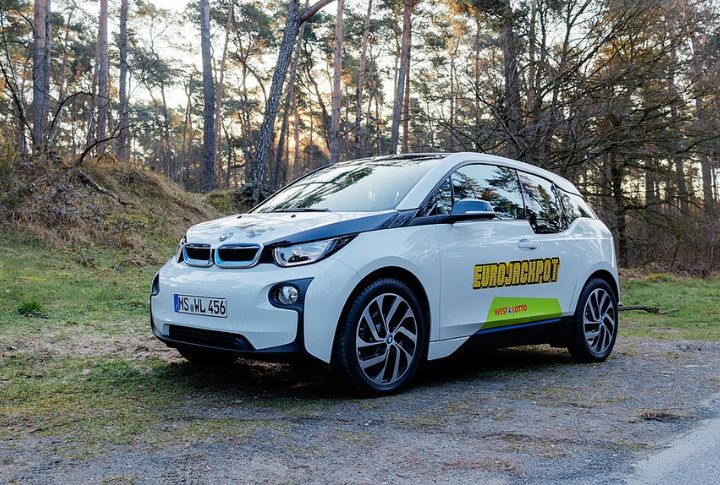
The BMW i3 stands out for its originality, focusing on avant-garde design and a lightweight carbon-fiber body. However, its limited range and outdated performance technology make it fall behind today’s EV standards. What it gains in clever engineering, it loses in practicality for drivers needing more versatility.