10 EVs Drivers Say They Regret Buying
Going electric seemed like a smart move until some owners found themselves stuck with features that fell short. Between flashy designs and underwhelming performance, these models stirred mixed reactions. If you’re considering an electric switch, these real-life regrets might help you steer clear of the same mistakes.
Chevrolet Bolt EV
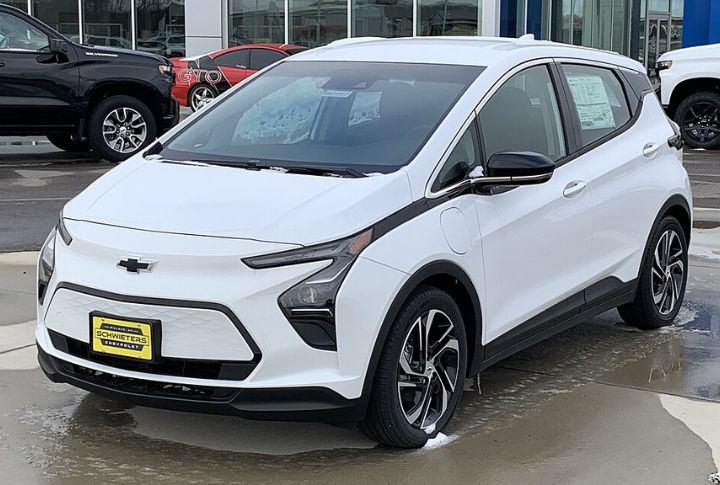
Owners appreciated the Bolt’s quick city acceleration and affordable starting price, but frequent battery fire recalls shook confidence. The rear seats felt tight for adults, though GM’s buyback option softened the blow for many who expected a more reliable long-term vehicle.
Mini Cooper SE
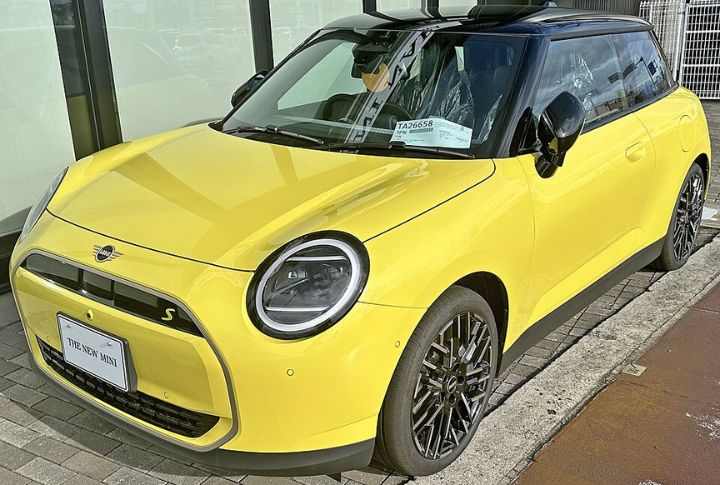
The Mini SE impressed many with its fun handling and standout design that turned heads in urban areas. However, its 110-mile range limited flexibility and the extremely tight rear seats and cargo space made it impractical for anything beyond short trips.
Tesla Model X (Early Versions)
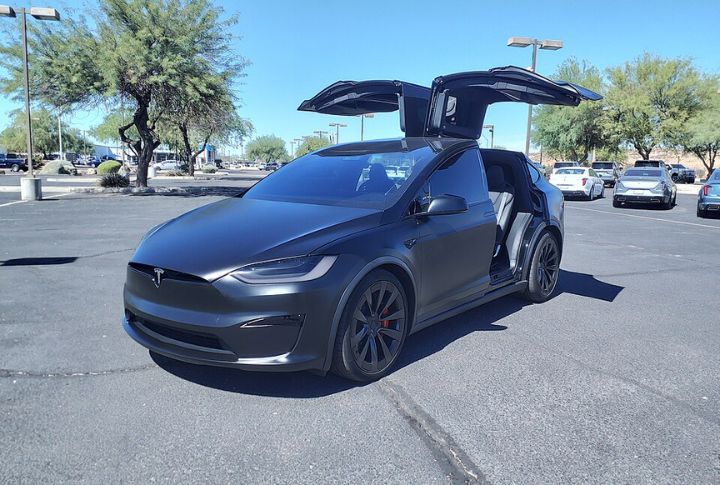
While early adopters loved its rapid acceleration and panoramic windshield, the Model X suffered setbacks like falcon wing doors with alignment issues and buggy infotainment systems. Later updates improved its functionality, but the initial rollout left some owners underwhelmed.
Nissan Leaf (Pre-2023 Models)
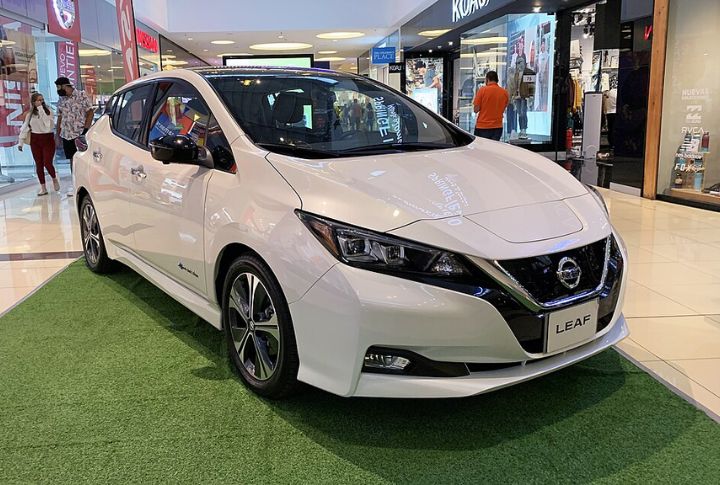
Despite offering HOV lane perks and an ultra-quiet ride, earlier Leaf models disappointed drivers with poor battery cooling that cut range over time. Fast-charging compatibility was limited, though its small size made parking simple in crowded neighborhoods and tight urban spots.
Lucid Air (Early Deliveries)
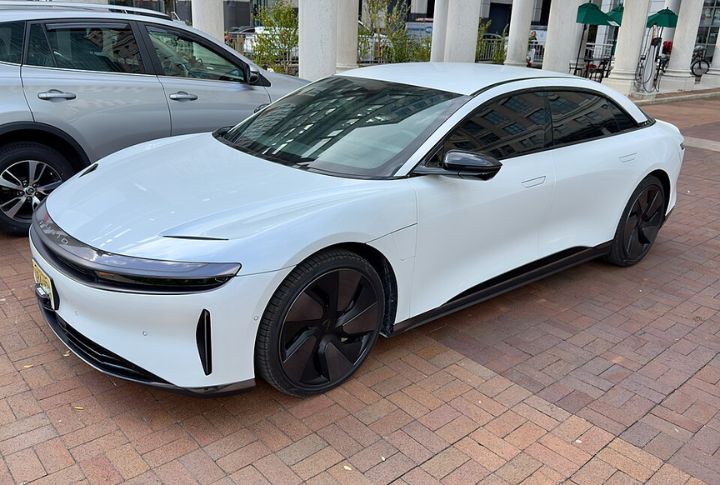
Lucid’s early rollout impressed with exceptional range and standout acceleration that critics noticed immediately. Despite these strengths, driver-assist issues and software bugs, combined with frustrating delivery delays, left some owners questioning the premium electric newcomer.
Jaguar I-Pace
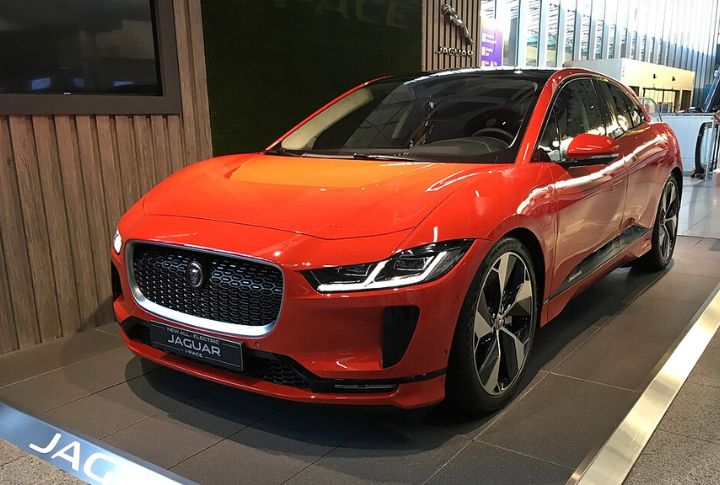
With its award-winning looks and high-end cabin, the I-Pace stood out. However, inconsistent software updates and a shorter-than-promised range frustrated users. Strong regenerative braking worked well in traffic, but many still expected smoother performance from a brand positioned as premium.
Volkswagen e-Golf
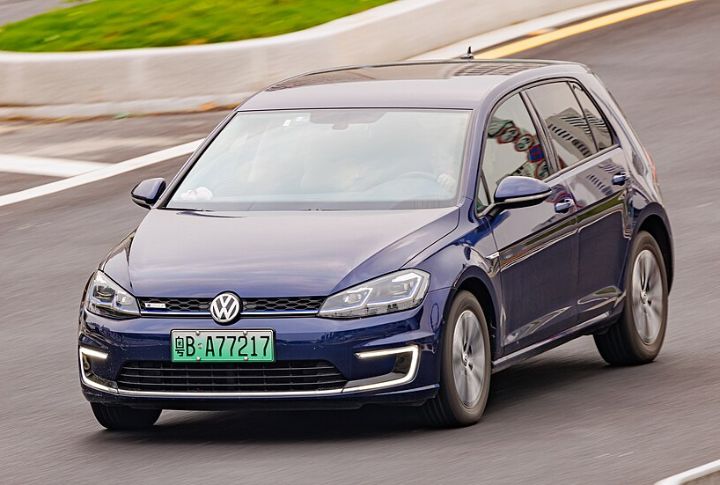
The e-Golf delivered familiar driving dynamics and solid interior quality that Golf fans expected, along with smooth regenerative braking. Still, its 125-mile range and aging tech made it hard to justify over newer rivals, even as it earned praise for keeping things traditionally styled.
Mazda MX-30
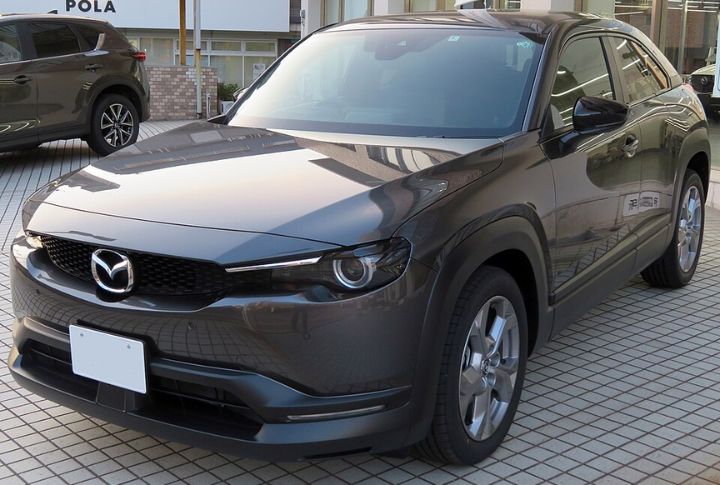
Mazda’s MX-30 gained attention for its sustainable cork-lined interior and coupe-like driving feel that surprised many behind the wheel. Despite praise for its unique styling, the 100-mile range and rear-hinged doors made it less appealing for families seeking convenience and everyday practicality.
Ford Focus Electric
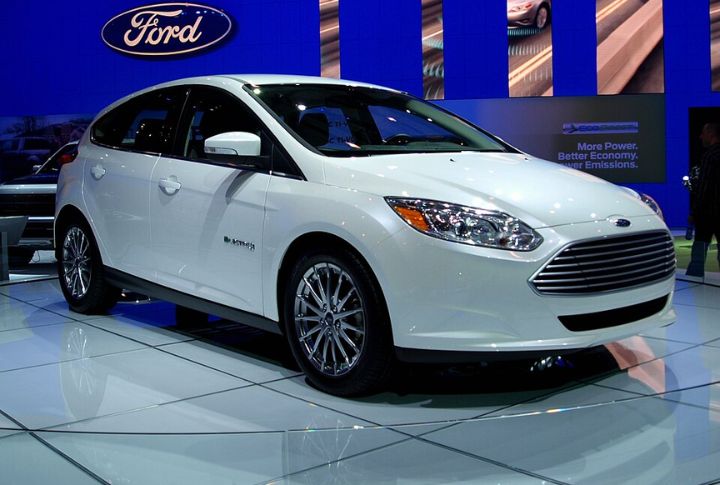
Although its smooth, quiet ride reminded many of a refined gas-powered hatchback, the Focus Electric struggled with a limited 120-mile range and an awkwardly placed charging port. The lack of liquid battery cooling raised concerns about long-term performance among more experienced EV owners.
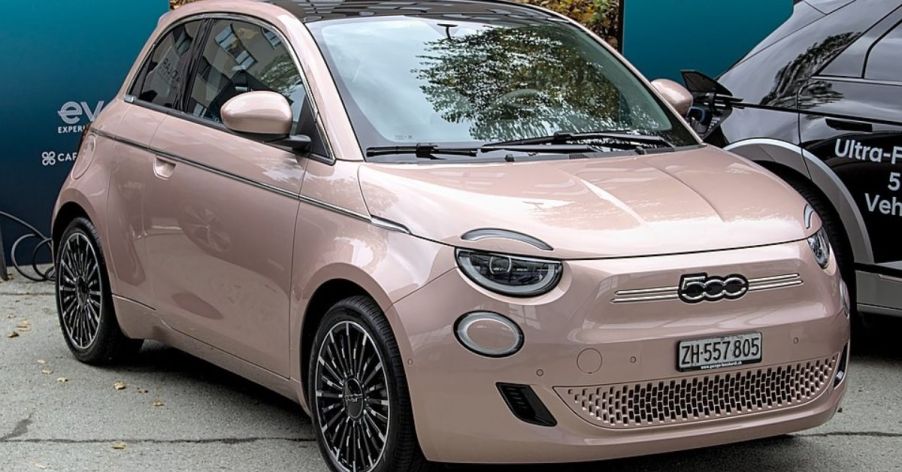
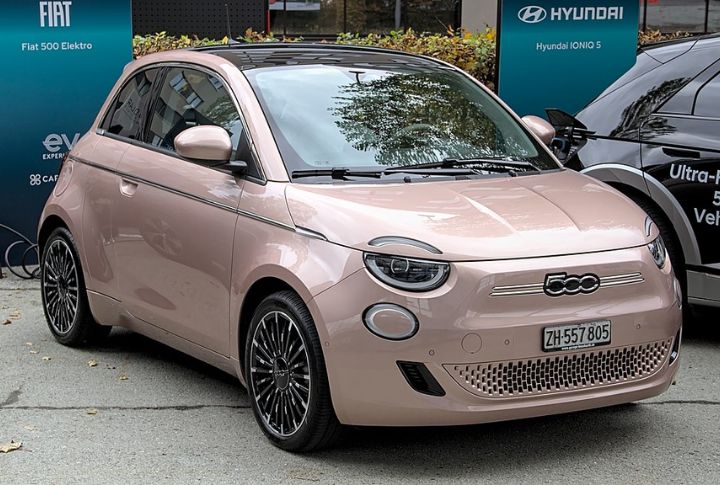
Fiat 500e
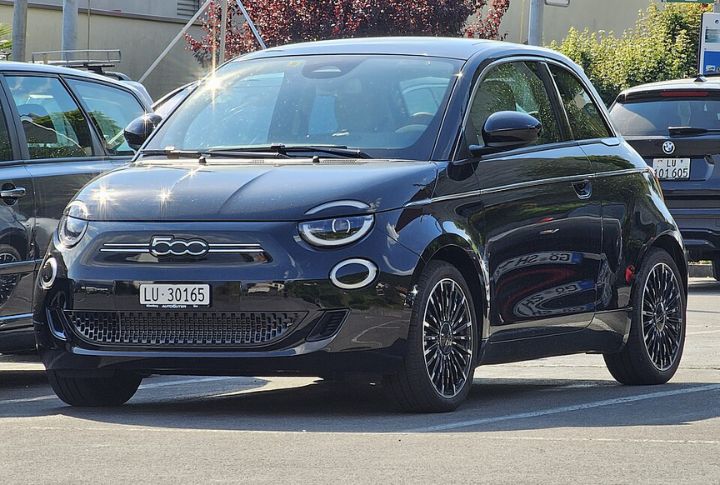
In spite of its limited availability and 87-mile range, the 500e won over many with its quick torque and exterior design. Cheap lease deals brought in curious first-timers, and its cult status grew even though it didn’t offer the range most daily drivers needed. It was also only sold in select U.S. states.