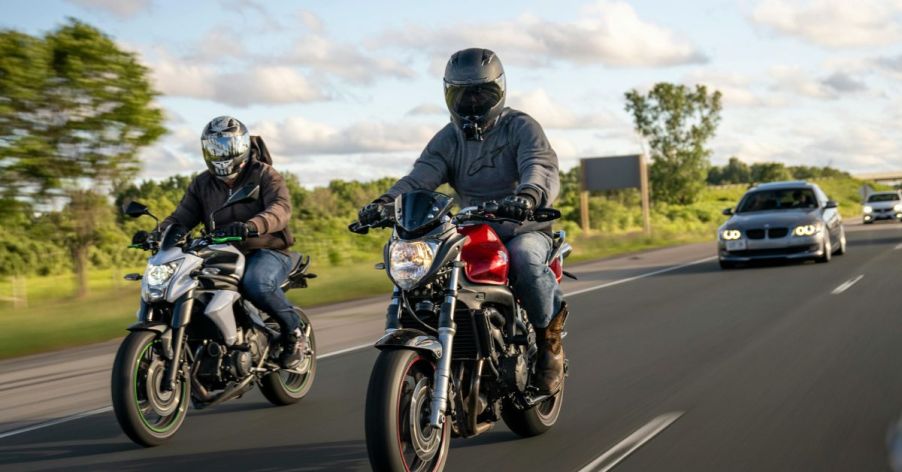
10 Essential Road Skills That Motorcyclists Develop Over Time

Riding a motorcycle isn’t just about speed—it’s about skill, awareness, and split-second decision-making. Every ride sharpens instincts that most road users never think twice about. Navigating traffic, reacting to hazards, and reading the road become second nature. Explore the ten essential skills that motorcyclists develop through experience.
Recognizing Traffic Patterns
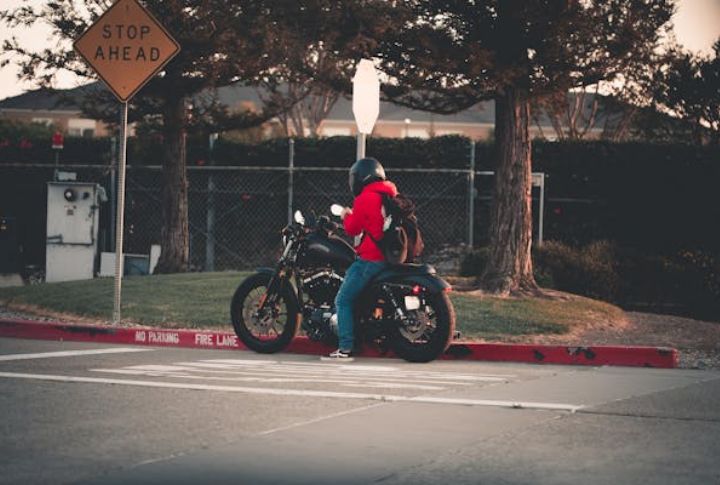
Traffic doesn’t move randomly—it follows patterns. Motorcyclists develop an almost predictive ability to read these cues and spot erratic lane drift. They read driver hesitation or sudden brakes long before others react. A study by Liu et al. (2009) found that experienced bikers detected specific hazards four seconds earlier than car drivers.
Mentally Engaged Multitasking
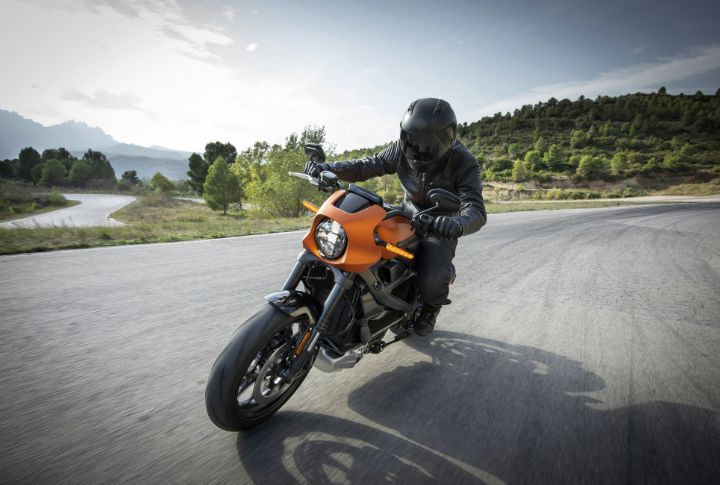
A 2010 study by Horswill and Helman published in ‘Accident Analysis & Prevention’ found that motorbikes show stronger reaction times. Balance of weight distribution and gear shifts, while they monitor road risks, demand constant attention. Contrary to car drivers, who can rely on comfort features, they train their focus to handle multiple tasks simultaneously.
Maintaining A Safe Following Distance
Motorcycle braking demands precision, and the gauge of the correct second is critical. According to the Motorcycle Safety Foundation (MSF), bikers keep a minimum three-second gap. Riders instinctively maintain a following distance compared to the average driver, which prevents abrupt stops from turning catastrophically.
Fast Reflexes Through Precise Maneuvers
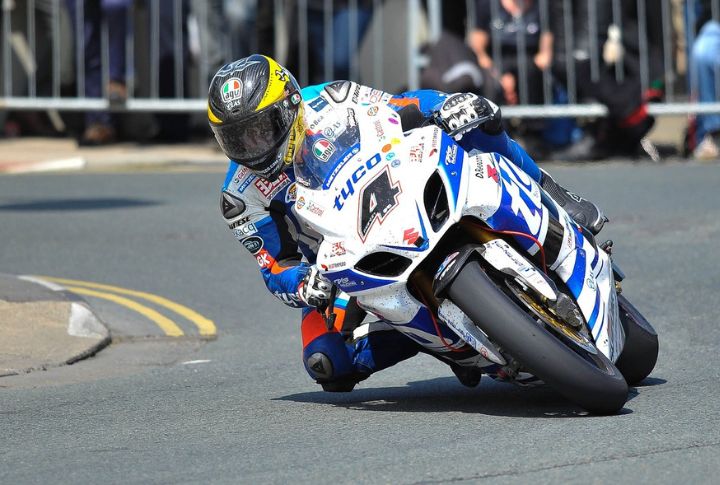
Maneuvers like countersteering and clutch-throttle coordination sharpen motorcyclists’ reflexes. “Rider Reaction Time Study I,” published by the Connected Motorcycle Consortium in 2022 on reaction time and quick decision-making in road users, found that they develop sharper reflexes and faster responses than drivers of enclosed vehicles.
Mastering Blind Spot Awareness
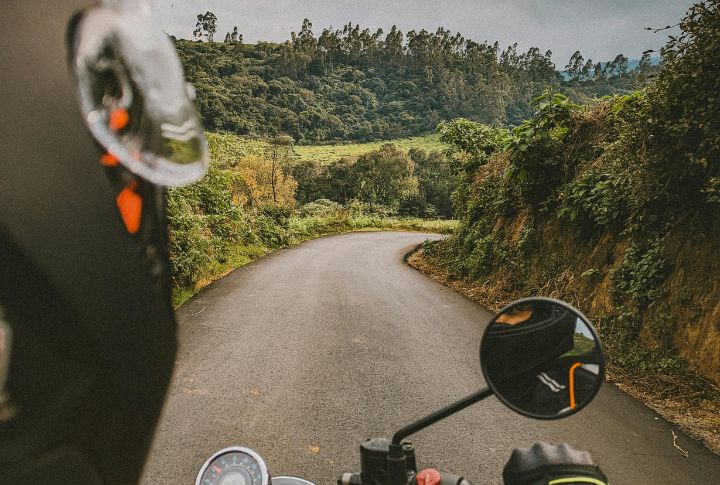
Riders instinctively turn their heads to check blind spots. Mirrors provide a limited view, but they know better. The Insurance Institute for Highway Safety records the importance of head checks to prevent lane-change accidents, as blind-spot monitoring systems are not always reliable; manual verification beats technology dependency.
Making Instant Adjustments To Road Conditions
A 2017 report by the Federation of European Motorcyclists’ Associations (FEMA) confirms that riders are significantly more attuned to road surfaces; they recognize hazards such as black ice or loose gravel 25% better than car drivers. Weather and uneven pavement present unique challenges on two wheels. Bikers constantly scan road textures and adapt.
Executing Lane Changes
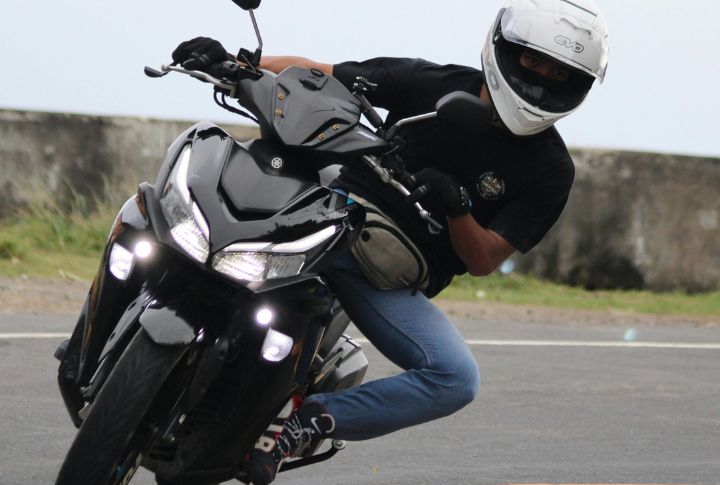
Hesitation can be dangerous. Unlike car drivers who depend on blind-spot monitors, motorcyclists rely on calculated speed adjustments and accurate position for lane changes. A 2019 National Highway Traffic Safety Administration study found that their precise control and early signals cut lane-switch collisions by 32% compared to drivers who rely on assistive technology.
Reading Driver Behavior
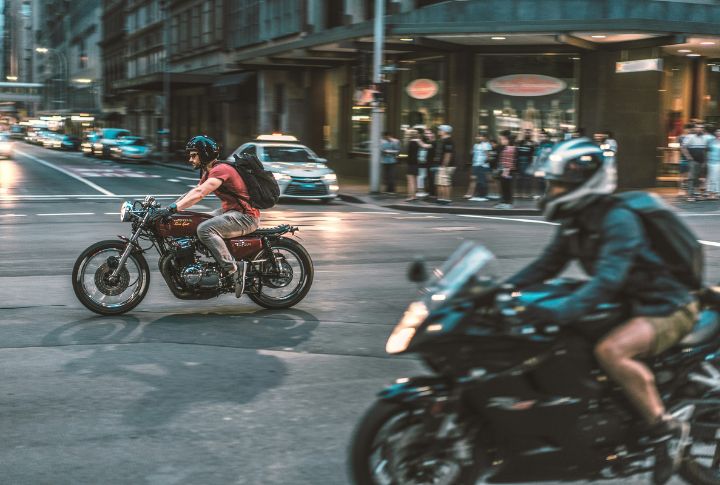
Motorcyclists learn to interpret minor cues—a driver who adjusts their mirrors, taps the brakes, or grips the steering wheel tighter. The study by Liu et al. (2008) in traffic psychology has found that they are better at predictive steering due to their reliance on the interpretation of subtle cues such as driver gestures and brake-light appearances sooner than non-riders.
Parking And Low-Speed Maneuvering
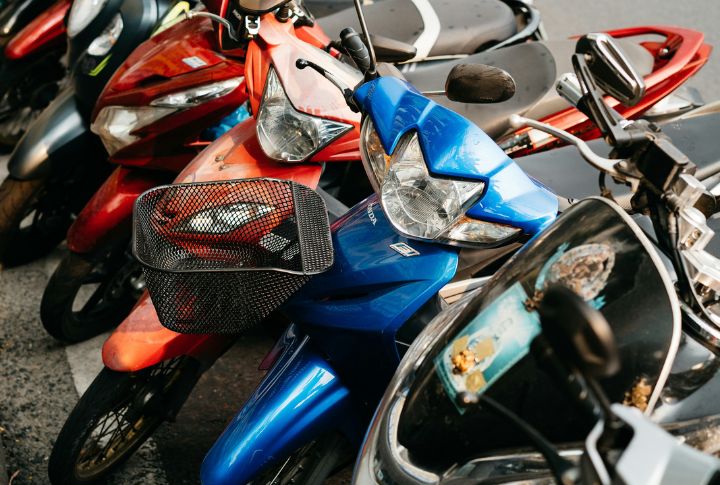
They tend to have better spatial awareness through continuous practice of low-speed maneuvers and balance control. Mastering low-speed maneuvers on a motorcycle requires finesse. Riders learn to cruise through tight spaces with precise throttle control and balance, which makes parallel parking and tight turns second nature.
Detecting Peripheral Threats
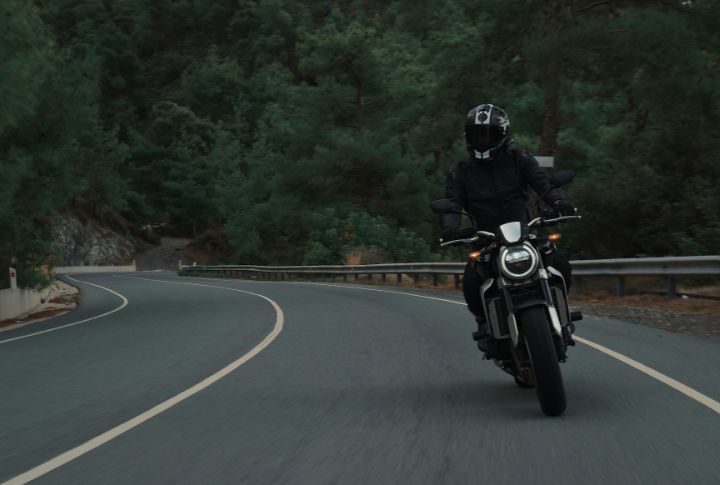
Peripheral vision is a lifeline for bikers. Constant scanning for movement helps them react faster to cars that merge or unexpected pedestrians. A 2021 vision study by the American Optometric Association found that motorcyclists process lateral movement faster than car drivers, with an improved ability to detect and respond to peripheral threats.