Elon Musk Offers Venezuelans Free Internet After Trump’s ‘Absolute Resolve’ Operation
Tesla and SpaceX CEO Elon Musk has offered Venezuelans free Starlink internet service through Feb. 3. At first glance, the move could look like a jab at his very public frenemy, President Donald Trump. That interpretation is likely off base.
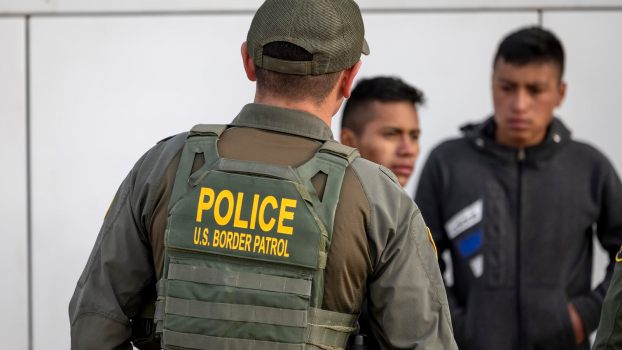
On Jan. 3, President Trump ordered the U.S. military to conduct what his administration described as a “law enforcement action” in Venezuela. After disabling several military installations, U.S. forces arrested President Nicolás Maduro at his residence. They transported him to New York to stand trial on charges including “narcoterrorism.”
The action sits in a legal gray area between war and policing. It has drawn criticism at home and abroad. Musk’s decision to provide internet access could appear political. But his track record suggests otherwise.
Why Musk’s Starlink move isn’t political
First, Musk took the same step in Ukraine following Russia’s invasion. SpaceX did not frame that decision as partisan or ideological. Instead, it positioned Starlink as emergency infrastructure in moments of national disruption.
Second, Musk and Trump appear to be easing tensions. Musk joined Trump for dinner at Mar-a-Lago in Florida on Jan. 3. That meeting came just hours after the Venezuela operation.
Venezuela’s official status on Starlink’s availability map remains listed as “coming soon.”
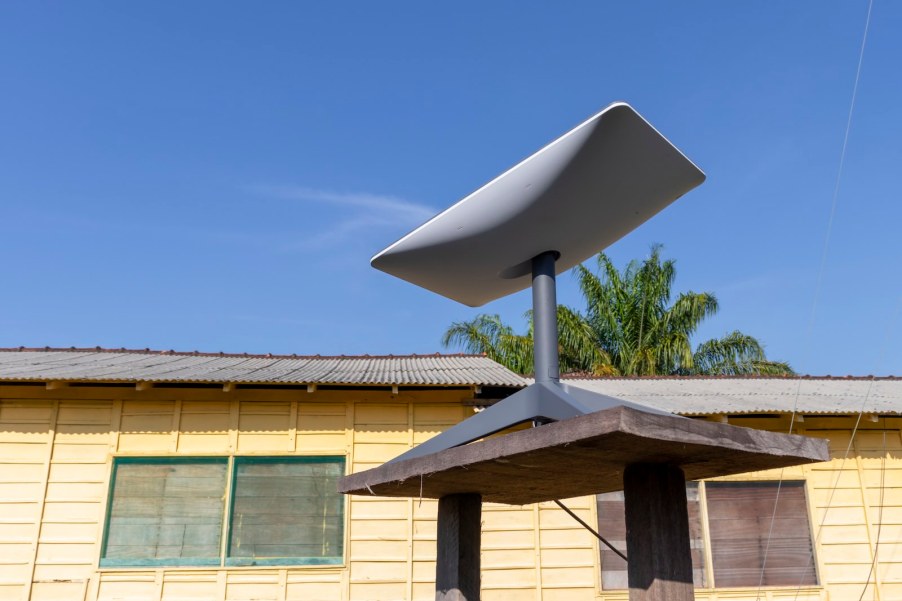
The company told Venezuelans, “While we do [not yet have] a timeline for local purchase availability, if and when there are updates they will be communicated directly through official Starlink channels.” Any free service will apply to users who already have Starlink hardware in place.
The company has also emphasized, “Starlink allows internet to be provided by non-state companies in authoritarian regimes.”
Starlink satellite internet may soon extend into the automotive world. Tesla has filed patents to integrate Starlink antennas into vehicle roofs. The system could provide in-car internet access worldwide.