License renewal goes sideways when elderly driver crashes through the licensing office
Imagine you’re waiting at the Department of Licensing to renew your driver’s license. You’ve taken a number and are shifting uncomfortably in a plastic chair, trying to pass the time. Suddenly—CRASH! The front of the building explodes inward. When the dust settles, you see a 1996 Chrysler Cirrus parked in the middle of the room, an elderly driver blinking at the deflating airbag.
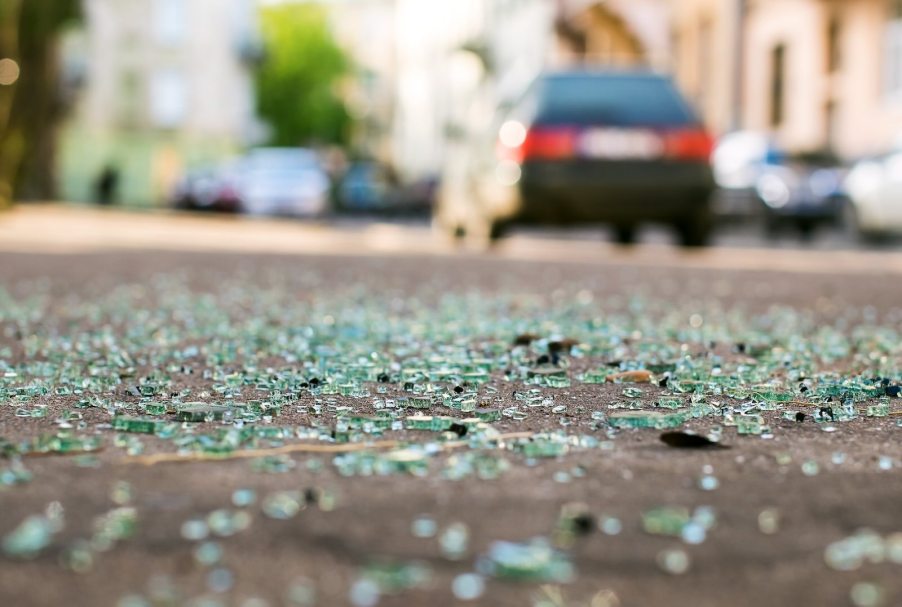
This is exactly what happened at the Spokane Valley DOL office on July 1, 2010, when an elderly driver accidentally drove his car straight through the building’s entrance. According to Spokane County Sheriff’s Detective Dave Thornburg, the man was trying to park outside the licensing office but confused the gas pedal with the brake. The car jumped the curb and barreled through the glass doors, coming to a stop inside the building.
The crash injured at least one customer, who was hit by a flying door. Thankfully, their injuries were minor. The driver, however, walked away with a citation—not for reckless driving, but for lacking car insurance.
The incident left the licensing office with significant structural damage, forcing it to close temporarily. Officials redirected customers to another Spokane office while repairs were made.
Elderly drivers and safety on the road
While this story’s irony is amusing, it underscores an important safety issue: the challenges some elderly drivers face. As people age, their reaction times, vision, and cognitive abilities can naturally decline, impacting their driving.
According to the NHTSA, most drivers over 65 already self-regulate by avoiding risky situations like night driving or heavy traffic. However, the organization also emphasizes the need for families to have open conversations about driving fitness before dangerous situations arise.
So how do you handle it when a loved one’s driving raises red flags? Experts suggest observing their driving habits and asking questions about their confidence behind the wheel. Look for warning signs like difficulty staying in their lane, struggling with intersections, or confusion in familiar areas.
If concerns arise, approach the conversation with care. Use “I” statements to avoid sounding accusatory, and focus on preserving their independence and quality of life. Options like modifying their driving schedule or arranging alternative transportation can help them stay mobile without putting themselves or others at risk.
Ultimately, aging drivers aren’t the only ones responsible for road safety—it’s a community effort. Whether you’re watching for signs in a loved one or dodging wayward Chrysler Cirruses at the DOL, staying alert and prepared can make all the difference.