Drivers fined $600k by Albany cameras, company profits most
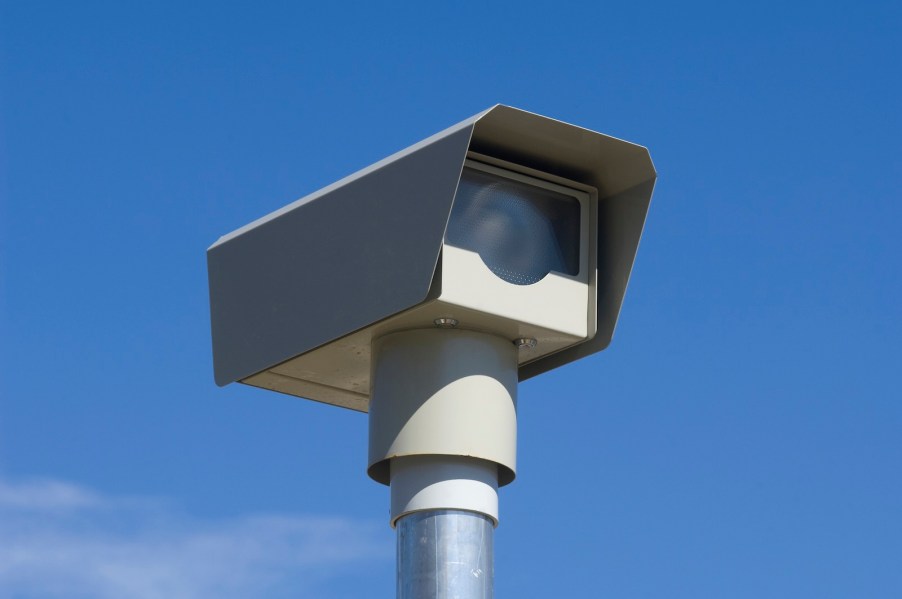
Driving just a bit too fast in Albany, New York’s school zones will now cost drivers an automatic $50 fine, thanks to a new network of speed cameras designed to enforce a strict 20-mph limit. The cameras, which started on October 7, have issued close to 13,000 tickets in just two weeks, raising over $600,000. However, Albany keeps only $17 of each fine. The bulk of the money is funneled to the private vendor operating the system—a breakdown that leaves many residents questioning the fairness and effectiveness of this initiative.
The City School District of Albany is presenting the cameras as part of a broader initiative to protect student safety, especially around Albany High School. “We are grateful to Mayor Sheehan for her leadership in bringing these important new traffic safety measures to our school communities,” said Superintendent Joseph Hochreiter. “This will bring significant and much-needed safety improvements for our students, families, faculty, and staff.”
Albany Mayor Kathy Sheehan also underscored this goal, describing the cameras as “yet another way we are further enhancing public safety.” She noted that they work alongside “red light cameras, speed humps, traffic calming infrastructure, and our forthcoming 25 mph speed limit.”
The city expects the system to generate millions in ticket revenue over the next year, and the mayor has budgeted for roughly $6 million from speeding fines in 2025. However, with Albany retaining only $17 from each ticket, the bulk of the revenue—over $11 million—is set to go to the private company running the camera network, raising concerns about how much this setup truly serves Albany’s residents.
While the cameras may be boosting safety, their placement has sparked some debate. Albany officials have acknowledged that many of the city’s schools are located along busy four-lane roads. The cameras are a response to this reality, as police alone can’t monitor every zone. Still, with the city taking on the role of enforcing and collecting fines, some wonder whether this program should be benefiting the private vendor as much as it is.
Additionally, only eight of the planned 20 cameras are currently operational, with more expected in early 2025. It’s likely the number of tickets will only increase. During the first 30 days, the cameras will issue warning notices instead of fines. But after this grace period, each speeding violation will be subject to a $50 ticket.
The question remains: will this enforcement strategy keep students safe, or will it end up being a cash cow for the camera vendor? While officials argue that these changes will protect students, residents may have good reason to question who’s really benefitting most from Albany’s ticket blitz.