
13 Downsides Of Owning A Diesel Car

While diesel autos have traditionally held appeal for their durability and power, several compelling factors are now prompting potential buyers to look elsewhere. This shift is driven by a combination of environmental concerns, evolving regulations, and advancements in alternative energy technologies. These 13 reasons will help you make an informed choice that aligns with your budget, driving habits, and environmental consciousness.
Higher Initial Cost

Diesel motorcars generally have a higher price tag than their gasoline counterparts. The advanced technology required for diesel motors, such as turbochargers and intercoolers, increases manufacturing costs, which are passed on to consumers. This higher initial investment can be off-putting for many buyers.
Source: Edmunds
Expensive Maintenance

Maintaining a diesel car can be more costly due to the complexity of the engine and the need for specialized parts and services. Components like fuel injectors and particulate filters can be pricey to replace, and regular maintenance might require visits to specialized mechanics.
Source: Car and Driver
Fuel Prices Volatility
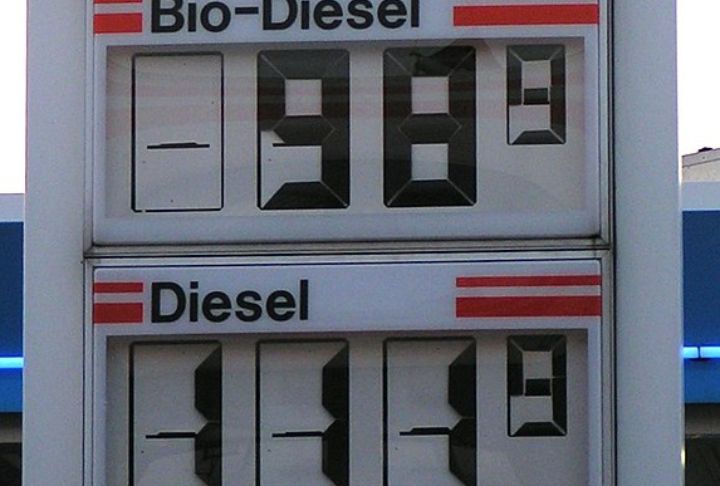
While diesel can sometimes be cheaper than gasoline, particularly for high-mileage vehicles like commercial trucks, its price can fluctuate significantly. This volatility can make budgeting for fuel costs more challenging. Before considering a diesel car, it’s crucial to research typical fuel prices and driving patterns in your area to determine if the potential cost savings outweigh the possible downsides.
Source: AAA
Environmental Concerns

Diesel engines produce a high level of harmful nitrogen oxides and particulate matter. The emissions contribute to air pollution and have significant environmental and health impacts. As a result, stricter regulations and potential penalties for exceeding emission standards are being implemented in many areas.
Source: Environmental Protection Agency
Limited Availability of Diesel Fuel
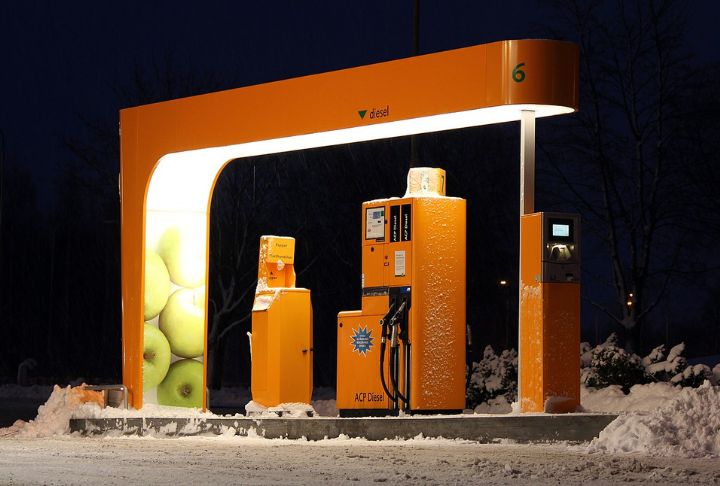
In some areas, diesel may not be as readily available as gasoline. This can be a hassle if you travel frequently or live in a region where diesel stations are sparse. However, the availability of diesel stations is improving in many areas, so this factor may become less of a concern over time.
Source: Fuel Economy
Noise and Vibration
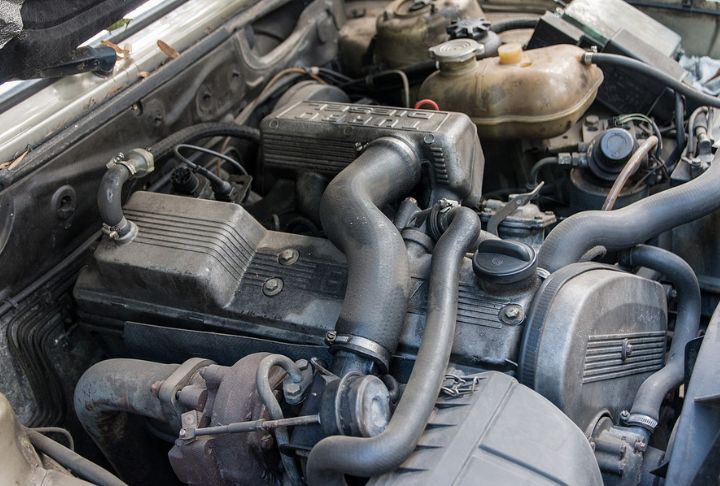
A diesel engine is generally noisier and produces more vibrations than a gasoline engine. This can result in a less pleasant driving experience, especially on longer journeys. The characteristic diesel clatter can be off-putting to some drivers.
Source: Motor Trend
Cold Weather Performance

In cold conditions, diesel can thicken and become less efficient, making it harder for the engine to start. This can be troublesome in regions with harsh winters, where reliable starting and performance are essential.
Source: Autoweek
Stricter Emission Standards
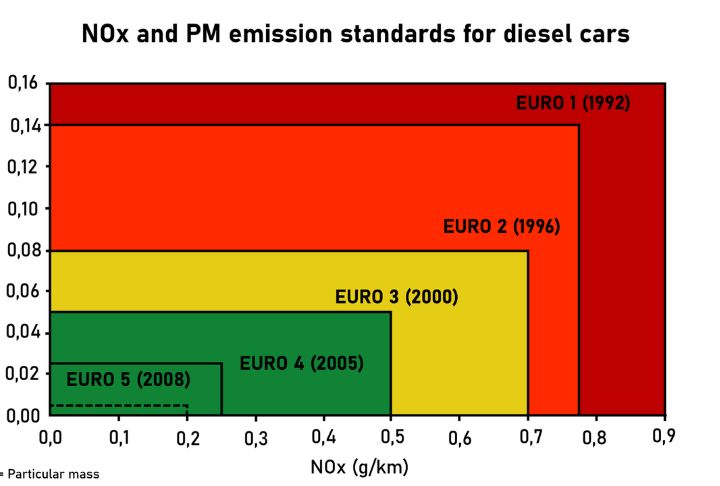
Governments worldwide are tightening emission standards for diesel vehicles. Meeting these standards often requires additional technology and equipment, which can increase the cost and complexity of diesel automobiles. Future regulations may make it even harder for diesel cars to comply.
Source: Green Car Reports
Depreciation Rates
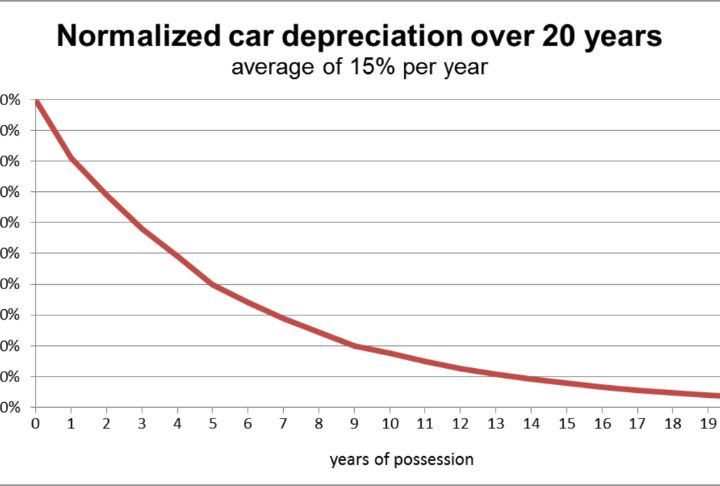
Diesel cars face a double threat to their resale value. First, they tend to depreciate faster than gasoline-powered vehicles. This is likely due to a shift in the market towards more environmentally friendly options. Second, the pool of potential buyers for used diesel cars is shrinking as environmental concerns grow.
Source: Autotrader
Dieselgate Scandal Impact

The Volkswagen emissions scandal, aptly called Dieselgate, significantly impacted the reputation of diesel engines. In the wake of this scandal, which revealed widespread cheating on emissions tests, there’s been heightened scrutiny of diesel technology. This has led to increased consumer skepticism and a decline in demand for diesel vehicles.
Source: The Drive
Future Restrictions

Many cities and countries are considering or have already implemented restrictions on diesel vehicles to combat air pollution. These restrictions can range from higher taxes to outright bans in certain areas, limiting where you can drive your diesel car.
Source: BBC News
AdBlue Requirements
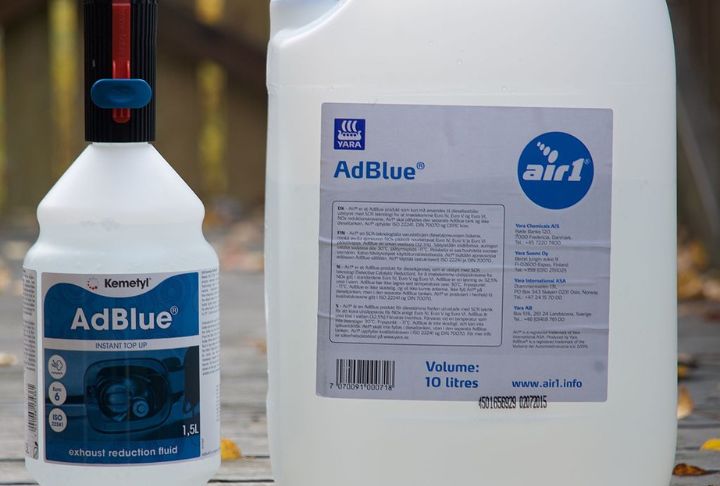
Modern diesel engines often require AdBlue, a urea-based solution that reduces NOx emissions. Keeping your AdBlue tank filled is an additional maintenance task and cost, adding to the overall burden of diesel car ownership.
Source: Auto Express
Alternative Fuels Advancements

Diesel engines are becoming less appealing as alternative fuel technologies, like electric and hydrogen vehicles, advance. These alternatives offer cleaner, more efficient options that are becoming increasingly viable and popular among consumers.
Source: Clean Technica