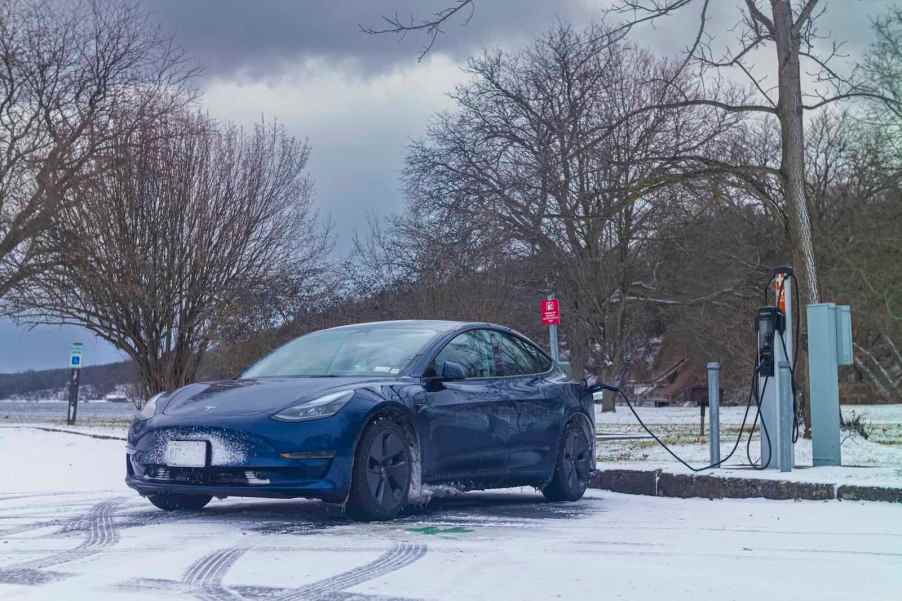
2 Downsides of Driving a Tesla in the Winter (and 1 Upside)
I’m a “dessert first” type, so let’s start with one of the coolest winter features of a Tesla. TikToker @cleantesla0 created a video this winter titled “Using the defrost mode on my Tesla in the deep snow.” They toggled a phone setting, and 30 minutes later, half the snow on their car “slid right off.”
Sure, the feature has downsides. It uses electric power and does not work quickly. But when your vehicle is already plugged in and you have time before leaving, it is handy. Defrost Car mode targets snow and ice on the windshield, charging port, and mirrors. No idling required.
Other EVs also offer similar preheat options (often if you pay a subscription fee for the phone app). But there are a couple of unique downsides to driving a Tesla in the snow.
1 — Misleading cold-weather range estimates
A friend of mine left Boston in his Model Y in the dead of winter. Driving north toward Vermont, his dashboard showed plenty of range. So he passed the final chargers in New Hampshire without a second thought.
Then his battery hit 50 percent. His estimated range dropped so fast that he worried he wouldn’t be able to keep his kids warm in the back seat. Even if he pulled over to wait out the cold night. Terrifying.
The DOJ subpoenaed Tesla over range estimates that critics describe as marketing tools. It later emerged that Tesla programmed its dashboard to show the full advertised range when drivers start the car. Once the battery hits 50 percent, the system begins calculating more realistic range. In cold weather, that shift caused stomach-lurching drop-offs for drivers.
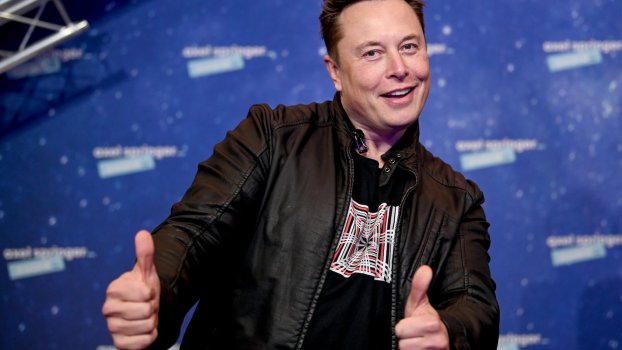
Tesla says it has taken steps to fix the issue. CEO Elon Musk even issued an apology to South Korean regulators to keep selling cars there. Still, owners refer to “Tesla miles” to separate optimistic estimates from real-world range.
2 — Frozen door handles
Tesla proudly unveiled powered door handles. They sit flush with the door and extend when you unlock the car. The problem comes when snow and ice coat the vehicle, freezing them in place.
The official Tesla fix? Whack the door.
No joke. The owner’s manual warns you to remove “any jewelry or objects that can damage the paint prior to performing the procedure.” It adds that you can plan ahead by applying good old-fashioned WD-40 to the handle mechanism before snowstorms. Some future, huh? Here’s to hoping other automakers don’t try to reinvent the wheel–or door handle–and stick with a more traditional design for their EVs.