Dodge Kills Its Charger ‘Banshee,’ Along With Its Best Shot at a Competitive EV
The latest industry buzz is that Dodge—already reviving its V8 cars and shifting away from pure EVs—just abandoned its “Banshee” supercar trim of the Charger Daytona EV. While an absurdly high-horsepower EV might have always been a niche product, this also likely means Dodge is abandoning its 800-volt architecture upgrade for all Charger EVs. And that’s the only thing that could have given the next generation competitive charging speeds.
The Banshee trim was positioned as Dodge’s new Hellcat
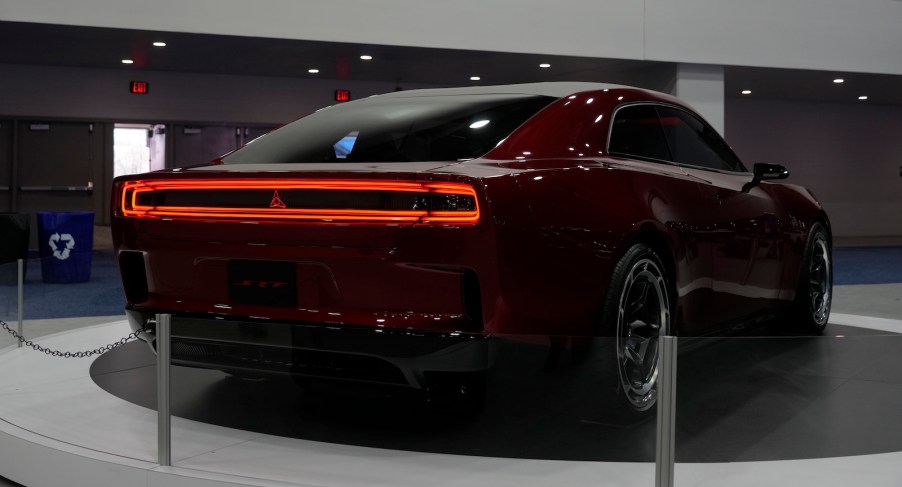
The Mopar Insiders website claims that one of its “trusted supplier sources” spilled the beans on this latest shift at Stellantis. When Dodge first announced the new Charger Daytona EV, it showed off a concept car with a new “Banshee” badge. This high-horsepower trim was supposed to be the brand’s new Hellcat.
Dodge launched the Charger Daytona EV for the 2025 model year. But all the trim levels available only offered a 400-volt architecture. It makes very little sense to build a single model with both architectures, because once you’ve engineered an 800-volt EV, your material costs to produce it aren’t much higher. So I assumed once Dodge finished the Banshee, all future Charger Daytonas would have an 800-volt architecture.
Why 800 volts actually mattered for Dodge
This upgrade wouldn’t just improve electric motor output—it could dramatically improve the charging speed of all the Dodge EVs. That’s why many of the Charger Daytona’s competitors have 800-volt fast charging: Porsche EVs, Lucids, Hyundais, and the Cybertruck. But not older Tesla models, which Dodge would be able to vault ahead of.
In Dodge’s marketing material, it claimed the 400-volt Charger Daytona’s battery would go from 20% to 80% in just over 27 minutes while hooked up to a DC fast charger. When InsideEVs tested the car, it found this took over an hour. The publication even tried a second charger, and speeds were so slow the reviewers gave up after 47 minutes.
When MotorTrend tested the same car, it found it took 72 minutes to get the battery to 100%. Half an hour of charging added just 115 miles of range. When the publication confronted Dodge, the automaker promised an 800-volt architecture for the upcoming SRT trim.
What the future might hold
Here’s to hoping that even with the Banshee dead, Dodge forges ahead with an 800-volt architecture for all its future EVs—whether SRT products or not. Perhaps the next generation of its top-trim muscle cars will be internal combustion after all. But an inexpensive EV with reliable fast charging could be an excellent budget-friendly Dodge.