15 DIY Steps to Replacing Your Engine Air Filter
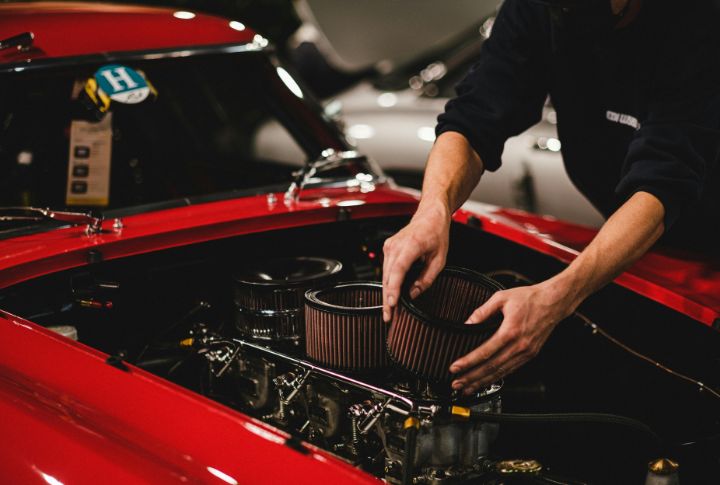
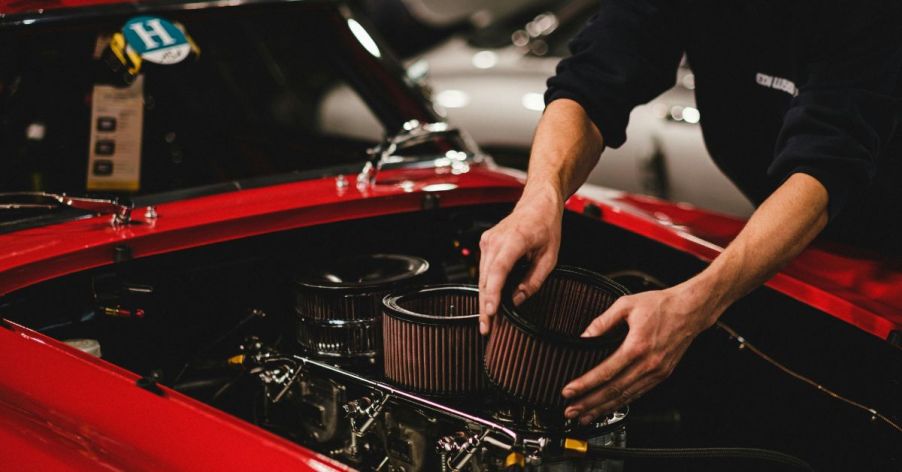
Replacing an air filter is a simple maintenance task that saves money and keeps your vehicle running efficiently. By replacing it yourself, you avoid labor costs and high markups often associated with auto repair shops. This guide walks you through the steps with clear instructions on how to do it safely and effectively.
Check Your Car’s Owner’s Manual
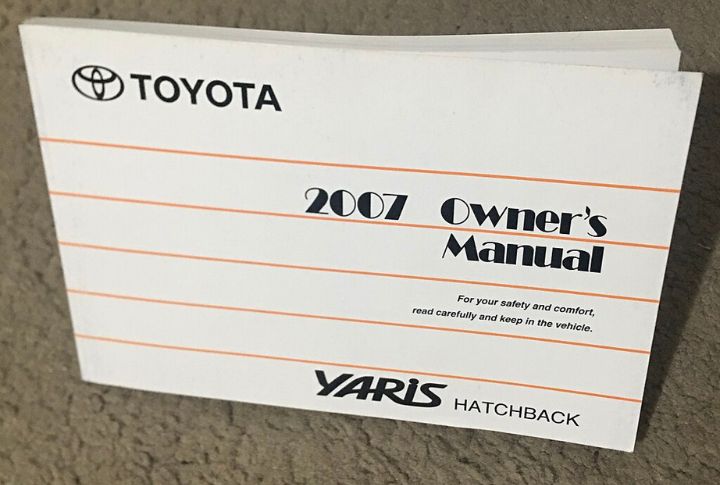
The first step in changing your car’s engine air filter is to consult its owner’s manual. This important document contains specific information about the type of air filter your vehicle uses, its location, and instructions for accessing it. Understanding these details helps prevent damage to the system.
Gather the Necessary Tools and Materials

Next, gather all the necessary tools and materials for the job. Typically, this includes a new air filter, a screwdriver, gloves, and a clean cloth. Some vehicles require a socket wrench or other specific tools. Have everything ready before starting to prevent interruptions.
Park Your Car on a Level Surface
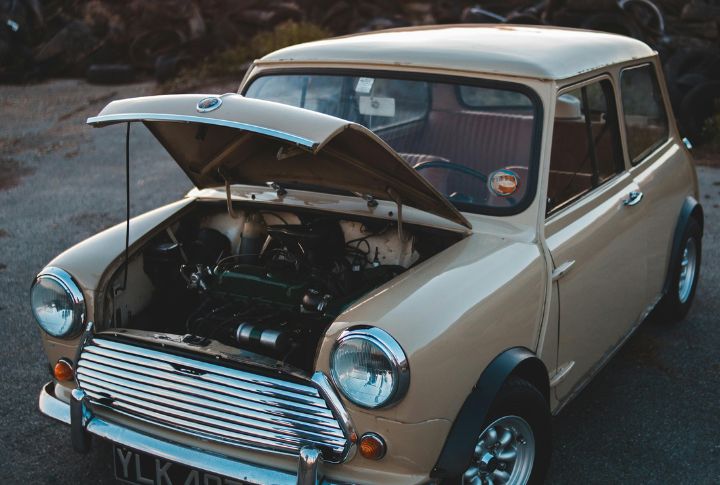
It is essential to park your car on a flat, stable surface before starting any maintenance work. Make sure the engine is turned off and has cooled down enough to not cause burns or injury. Engaging the parking brake adds an extra layer of safety.
Locate the Air Filter Housing

Secure the car’s hood with the prop rod or hood struts. Locate the air filter housing, which is often a black plastic box positioned on one side of the engine. It’s typically near the front of the engine compartment to allow for easy airflow.
Inspect the Air Filter Housing for Fasteners
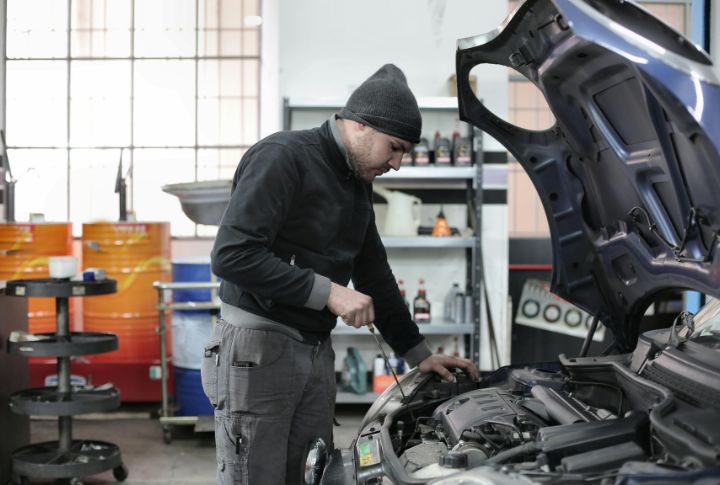
Examine the air filter housing to identify how it’s secured. Most air filter boxes are held together with metal clips, screws, or plastic tabs. This step is key to avoid forcing the housing open and potentially breaking the clips or damaging the surrounding components.
Remove the Air Filter Housing Cover

Carefully loosen or remove the fasteners using the appropriate tools. Lift the cover of the air filter housing and take care not to damage any connected hoses or wires. Some covers might have a tight seal, so a gentle wiggle may be necessary to dislodge them.
Take Out the Old Air Filter
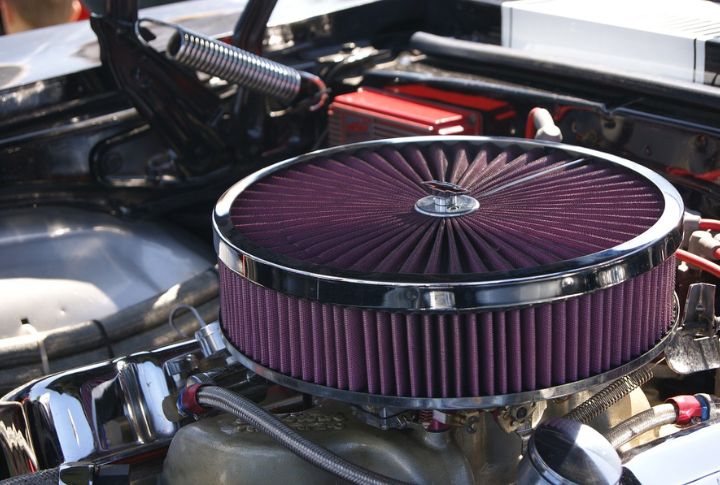
Once the housing cover is off, remove the old air filter. Pay attention to how the filter sits inside the housing so that you can install the new one in the correct orientation. Handle the old filter carefully to avoid spreading particles into the engine bay.
Inspect the Air Filter Housing and Surrounding Area
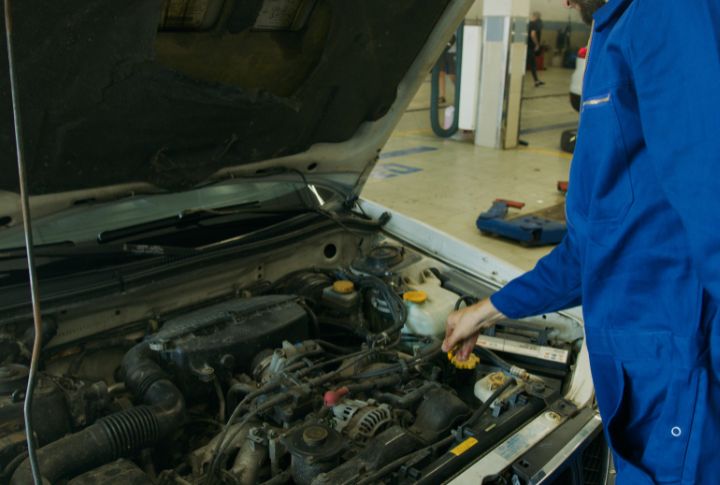
Before installing the new filter, check the air filter housing and surrounding area for dirt, debris, or oil residue. Wipe it clean with a cloth or use a vacuum to remove any particles that could clog the new filter or interfere with its proper fit.
Compare the Old and New Air Filters

Hold the old air filter next to the new one to compare their size and shape. The new filter should match the dimensions exactly; otherwise, it might not fit properly in the housing. Verifying the filter’s compatibility at this stage ensures you have the correct part.
Install the New Air Filter
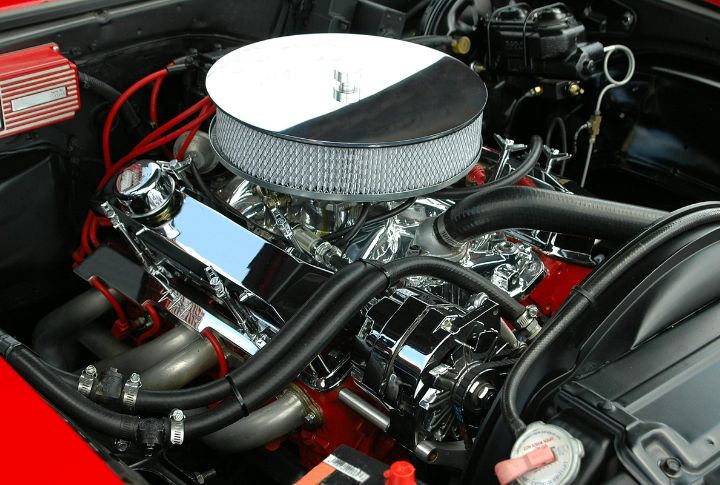
Install the new air filter in the compartment and ensure it sits securely. Most filters have arrows or instructions indicating the airflow direction, which should match the labels on the housing. An incorrectly placed filter can cause dirt and debris to enter the engine.
Secure the Air Filter Housing Cover
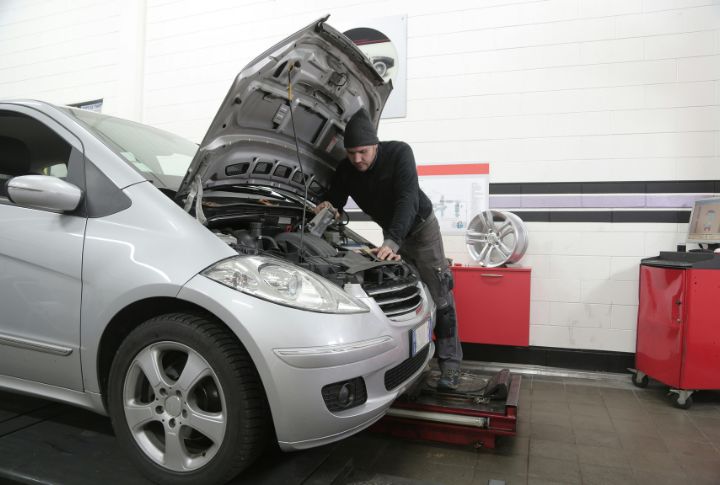
After fixing the filter, carefully reattach the air filter housing cover. Fasten all clips, screws, or tabs to secure the cover tightly. There should be no gaps between the cover and the housing, as even a small opening can reduce the filter’s effectiveness.
Double-Check Your Work
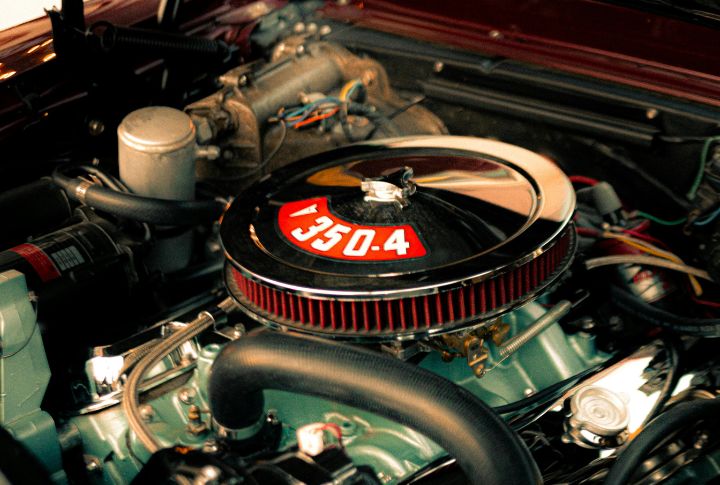
When you close the air filter housing, double-check that everything is secure. Look for any loose connections, misplaced clips, or unsecured screws. This prevents unfiltered air from entering the engine, which could cause performance issues or damage over time.
Dispose of the Old Air Filter Properly
The old air filter can contain harmful substances, so do not just throw it in the refuse bin. Local regulations may offer proper disposal or recycling options. Many auto parts stores provide recycling services for used filters.
Test Your Car’s Performance

Start the engine and let it idle for a few minutes. Listen for unusual noises and observe the vehicle’s performance, such as acceleration and smoothness. A noticeable improvement in throttle response or fuel efficiency can confirm that the new filter works effectively.
Keep a Maintenance Record

Record the date and mileage when you changed the air filter. A maintenance log helps you track when the next replacement is due and ensures consistent vehicle upkeep. It is also a simple yet effective way to extend your car’s lifespan.