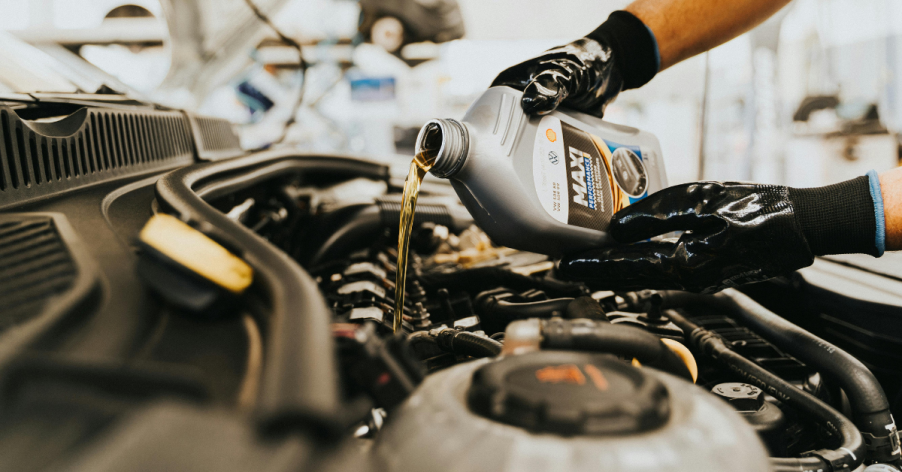
Dispelling The Myths On Motor Oils
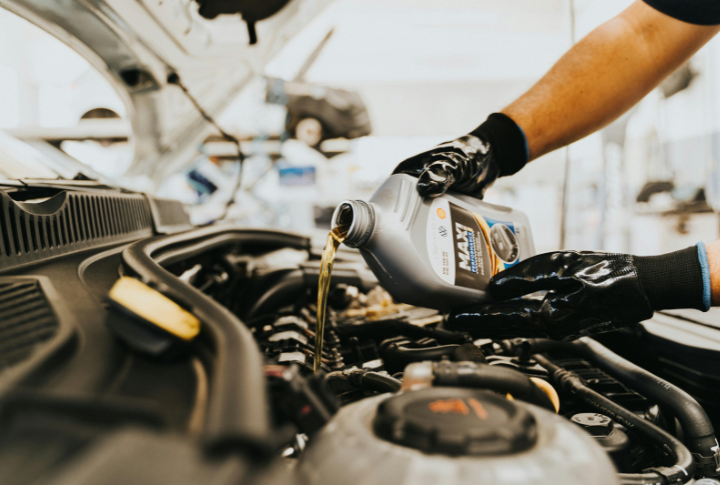
It is common for drivers to misunderstand what’s normal and what’s not when it comes to engine oils. But can you blame anyone, really? There are countless myths surrounding oil and its impact on engines. By being informed, you can contribute to your engine’s longevity and peak performance. Luckily, here are 15 common misconceptions about motor oils—and the truth behind them.
Black Oil Always Means Engine Trouble

It’s a common belief that dark or black oil indicates a problem. In reality, oil turns black as it absorbs dirt and carbon, keeping the engine clean. While black oil isn’t always a cause for concern, regular oil changes are vital for maintaining engine health.
Synthetic Oil Causes Leaks
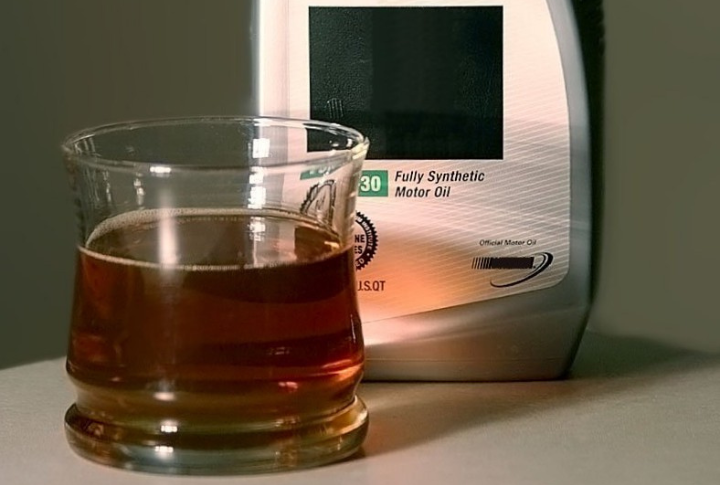
Many think switching to synthetic oil will lead to leaks in older engines. However, synthetic oil just reveals pre-existing leaks more clearly. Its smaller molecules can pass through gaps left by worn seals, so proper maintenance and inspections are essential when switching oil types.
You Should Change Oil Every 3,000 Miles
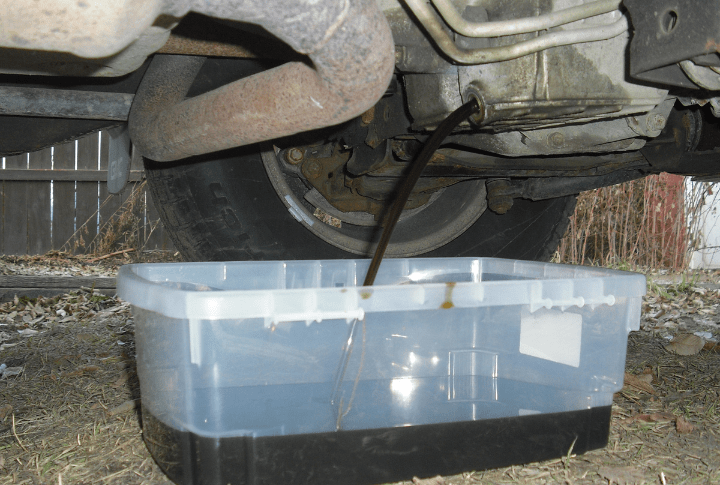
This myth stems from older vehicles, but with modern engines and improved oil formulations, changing oil every 3,000 miles is often unnecessary. Many modern cars can go between 5,000 and 7,500 miles, or even more, before needing an oil change. Always consult your owner’s manual for specific recommendations.
Thicker Oil Is Better for High-Mileage Engines
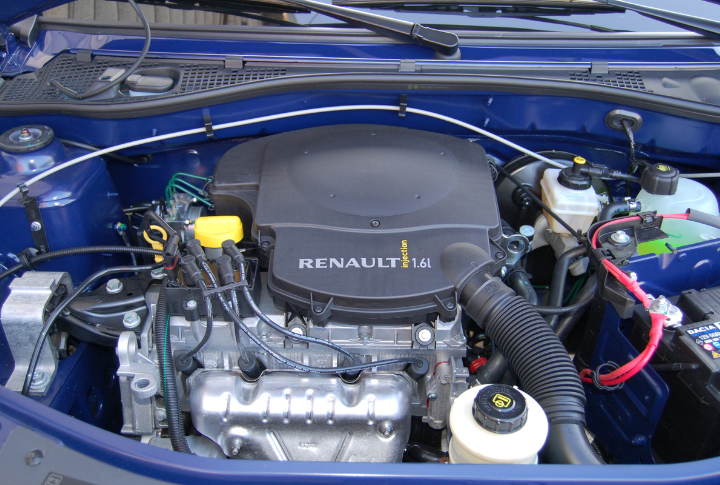
Using thicker oil in high-mileage engines isn’t always beneficial. While it can sometimes reduce leaks and consumption, it may also hinder lubrication, causing more friction and heat. Stick to the manufacturer’s recommended oil viscosity unless otherwise advised by a professional mechanic.
You Can’t Mix Oil Types
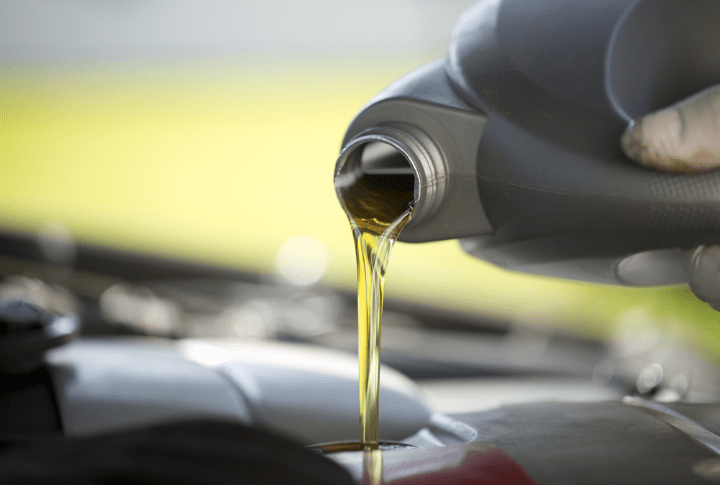
It’s a misconception that mixing synthetic and conventional oils is harmful. While it’s best to use the same type of oil, mixing them won’t damage your engine. The blend will simply adopt the properties of both oils. However, it’s recommended to stick to one type for optimal performance.
Oil Additives Will Make Your Engine Last Longer
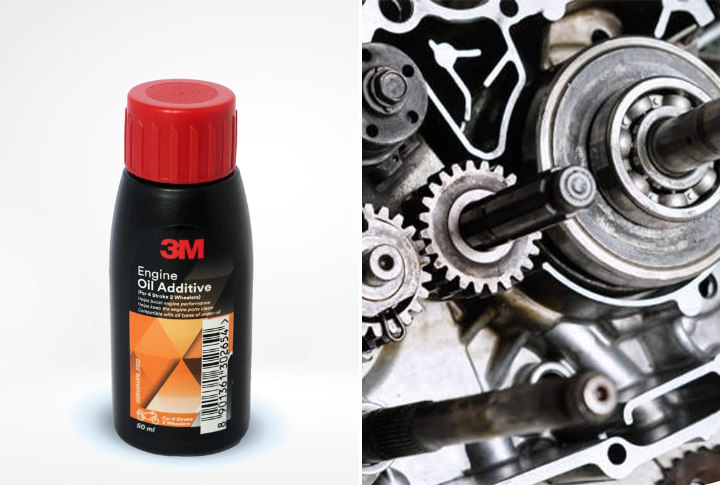
Oil additives promise to boost performance and extend engine life, but many are unnecessary with today’s high-quality motor oils. Overuse can sometimes cause more harm than good, disrupting the oil’s chemistry. It’s best to consult a trusted mechanic before adding extra products to your engine oil.
Synthetic Oil Can’t Be Used in Older Engines

Some believe synthetic oil is unsuitable for older engines, but this isn’t true. High-quality synthetic oils offer better protection and can reduce wear in aging engines. As long as the seals and gaskets are in good condition, synthetic oil can benefit both new and old vehicles.
Frequent Oil Changes are Unnecessary

It sounds like a myth, but some people genuinely believe that changing oil is a waste; you just need to top it up with fresh oil. That couldn’t be further from the truth, as regular oil changes are safe for your engine. Top-ups are only necessary when you notice the level dipping.
My Filter Doesn’t Need to Be Changed
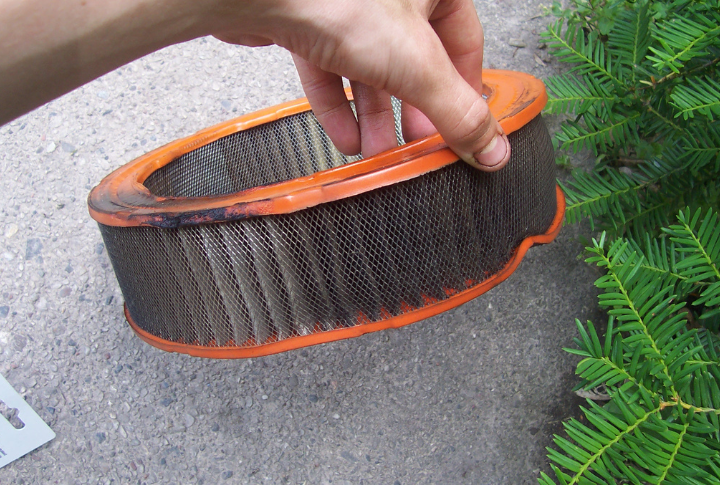
This is a rampant issue in auto shops, where consumers change their filters without replacing them. Ideally, a good filter should last several thousand miles. Still, it’s recommended that you replace it with every oil change to enhance its efficiency and prevent further sludge and grime buildup.
Bottled Oil is The Best

Many drivers overlook oil in most auto repair shops, thinking it is lower quality. This is a poor misconception, as the auto repair shops buy their oil in bulk. For this reason, they have to store it somewhere efficiently to supply it. So the quality isn’t different from bottled oil; it’s just the packaging that’s different.
You Can’t Switch Back From Synthetic

Switching between synthetic and conventional oils is okay. Modern engines can handle both types without any issues. The key is ensuring the oil meets the manufacturer’s viscosity and performance standards. Following these guidelines, switching back and forth won’t damage the engine.
Synthetic Oils Cause Engine Sludge

Contrary to popular belief, synthetic oils are less likely to cause sludge buildup than conventional oils. They resist oxidation and break down more slowly to maintain a cleaner engine. Sludge is often a result of infrequent oil changes, regardless of whether the oil is synthetic or conventional.
All Oil Filters Are the Same

Not all oil filters are created equal. Cheap filters may lack the quality materials and construction needed for proper filtration, which can lead to poor oil flow and reduced engine protection. Investing in a high-quality filter ensures that your engine oil performs effectively.
Synthetic Oil is Reserved for High-Performance Cars

Like regular oil, synthetic oil comes in various categories for all engine types and car models. Look up your manufacturer’s recommendations and pick the applicable bottle. If you’re having a tough time, ask your mechanic for help and more information to understand this better.
Newer Engines Don’t Need Regular Oil Changes
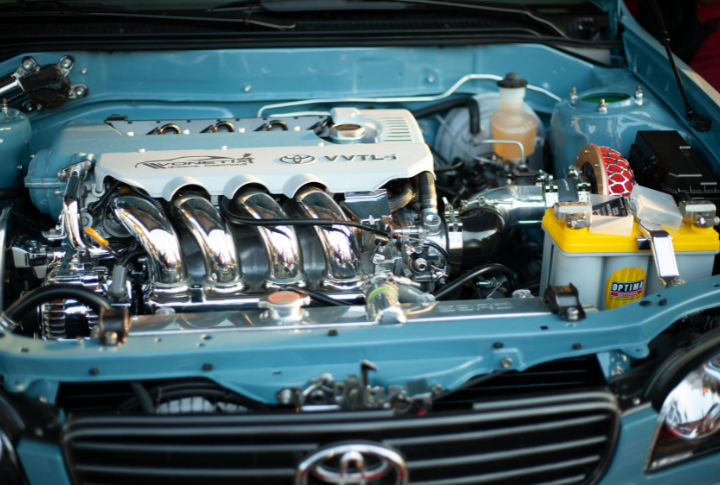
While modern engines are more efficient and durable, they still require regular oil changes. Skipping oil changes can hasten sludge buildup and wear, even in newer engines. Following the recommended oil change schedules is vital for maintaining performance and preventing costly repairs down the line.