10 Details Behind The Iconic Status Of The Plymouth ‘Cuda
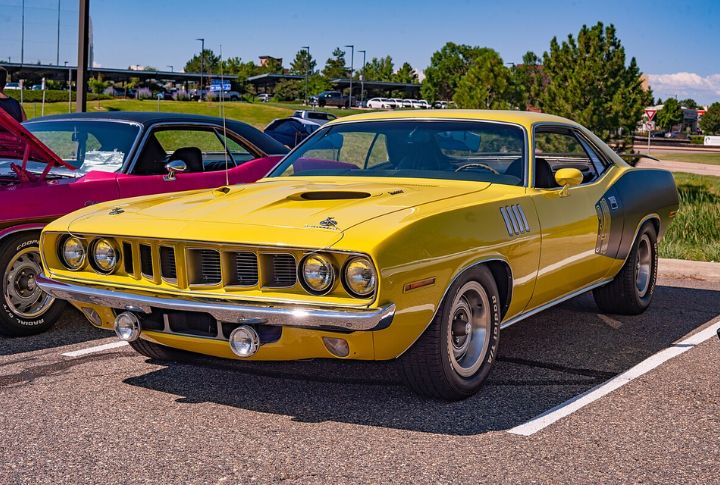
The Plymouth ‘Cuda roared into the muscle car scene in the 1970s and hasn’t faded from memory since. Its aggressive design and raw power made it a favorite among car lovers everywhere. Here are 10 standout details that reveal what keeps this legend turning heads today.
Limited Production Numbers
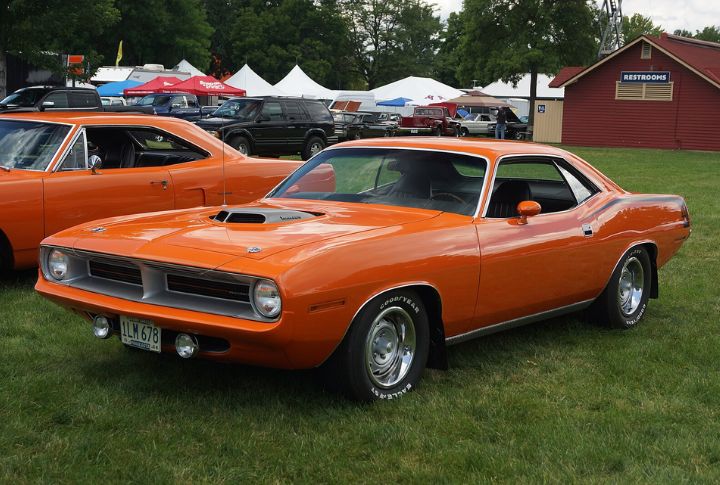
Few cars defined scarcity like the Plymouth ‘Cuda. In 1974, its production was 11,734 units; a figure that’s driven prices sky-high at auctions. Collectors prize them for performance and that exclusivity that sets them apart from other muscle car legends.
The 426 HEMI Engine
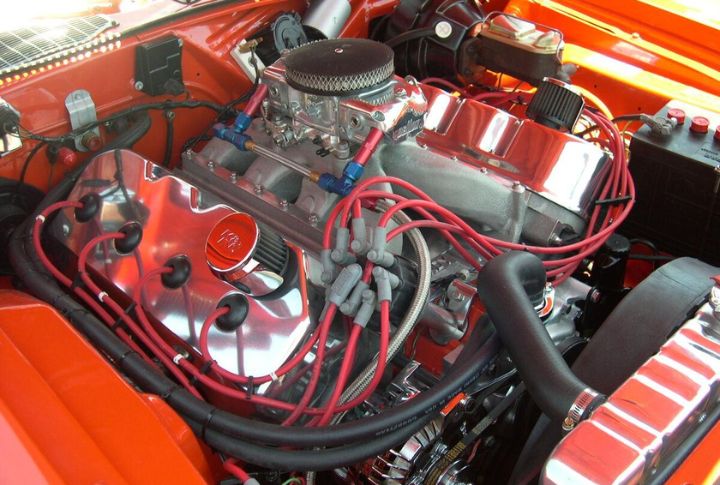
The Plymouth ‘Cuda made a powerful impression with its 426 HEMI V8 that delivered 425 hp and 490 lb-ft of torque. The engine allowed it to go from 0 to 60 mph in just 5.8 seconds. That’s an impressive feat for its time, even by today’s standards.
Distinctive ‘Shaker’ Hood
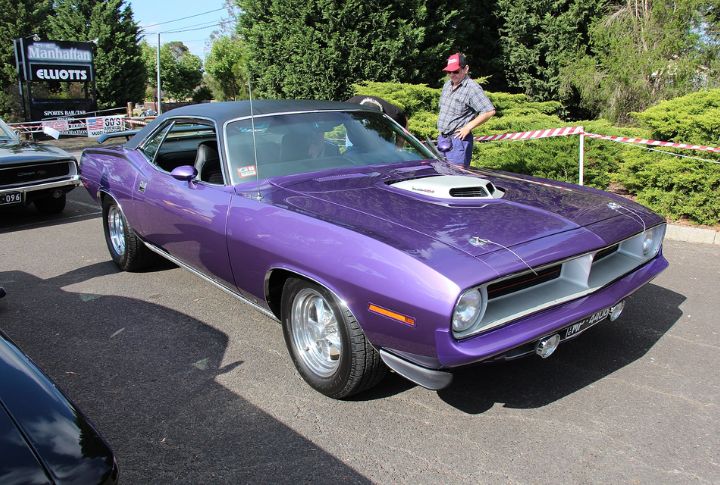
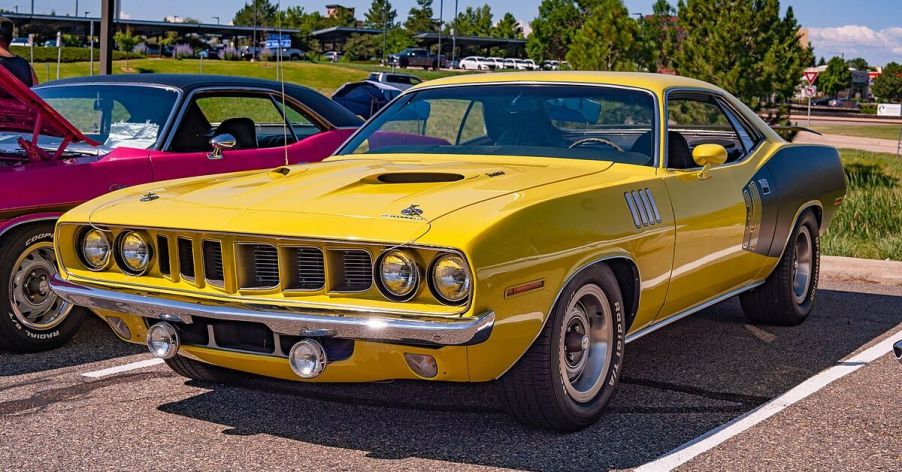
The engine-mounted shaker scoop moved with each rev, making the car visibly rumble at red lights. The design pulled cool air directly into the carburetor, boosting power. That blend of muscle and motion helped define the aggressive personality of the Hemi ’Cuda.
1971 Model Year
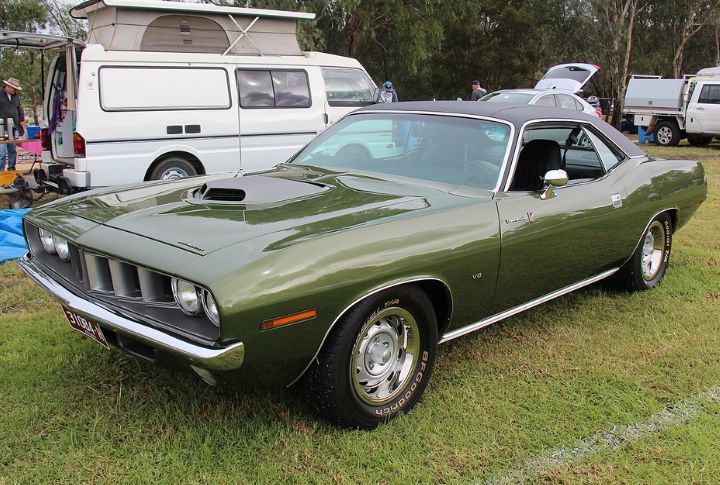
A bold grille with quad headlights and those unmistakable fender gills gave the 1971 version its own flair. Unlike its siblings, this model looked sharper and more performance-driven. It stood out as a cosmetic high point before the design softened in later years.
The 440 Six-Barrel Engine
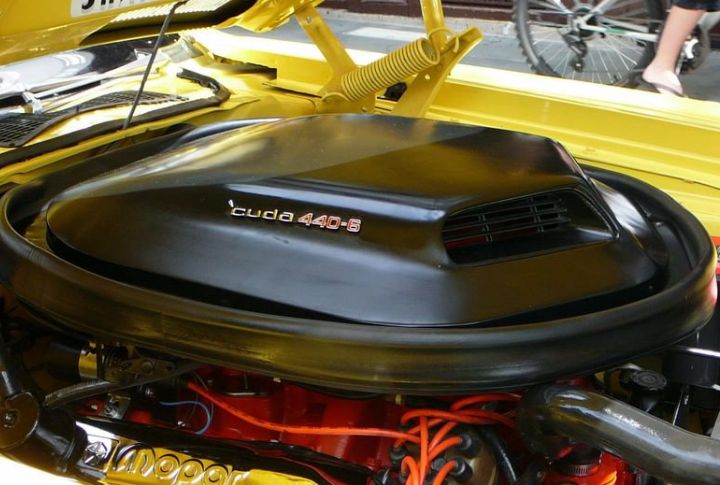
Many fixate on the HEMI, yet the 440 Six-Barrel V8 also offered serious competition with triple two-barrel carbs. It turned heads both at stoplights and on the track. For raw torque and thunderous acceleration, this setup was a fan-favorite sleeper.
E-Body Platform
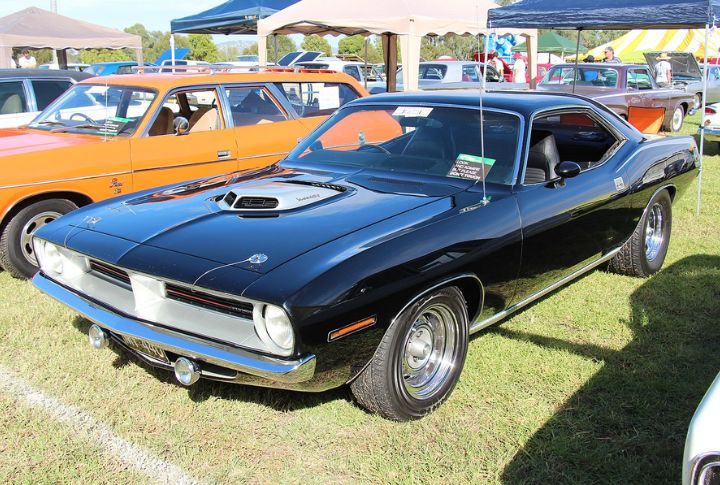
Rather than just a straight-line brute, the ’Cuda benefited from Chrysler’s new E-body platform introduced in 1970. It provided a lower center of gravity and wider track than previous A-body Barracudas. They improved cornering and created a tougher, more planted look on the street.
Rare Convertible Models
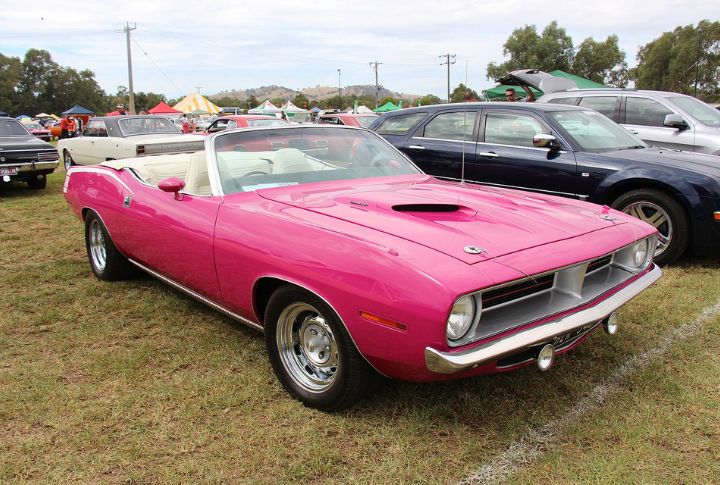
Among all ‘Cuda variants, the drop-top is the holy grail. Fewer than 2,000 convertibles were built during its lifespan. Their open-air experience, paired with monstrous V8s, created a combination that’s now valued in the six-figure range by muscle car aficionados worldwide.
Color Names
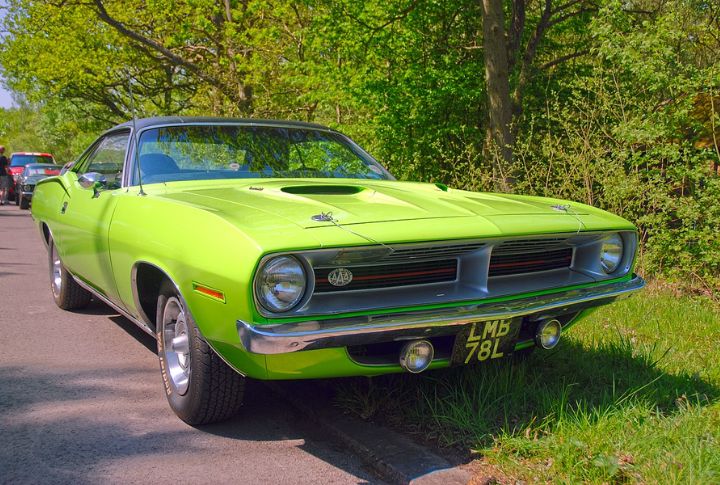
Paint options had names as loud as the exhaust: Moulin Rouge, Lemon Twist, and Sassy Grass Green were just a few. These high-impact hues matched the car’s rebellious image perfectly. Dodge and Plymouth called this the “High Impact” color palette.
Racing Heritage
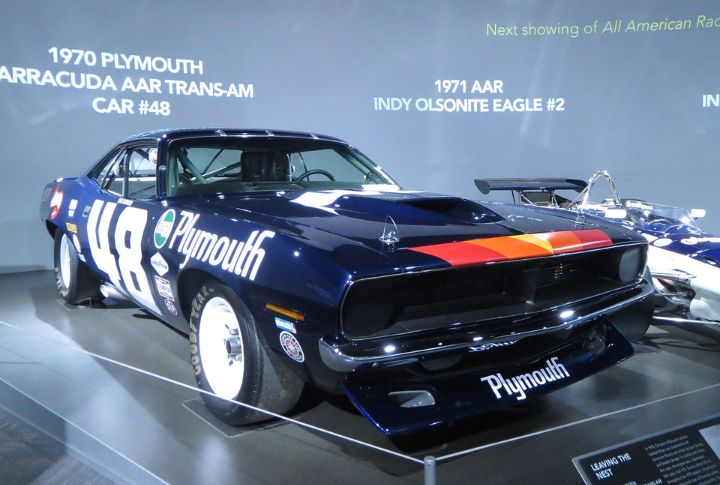
Quarter-mile dominance was no accident. Tuned by privateers and professionals alike, the ‘Cuda racked up impressive drag strip results throughout the early 1970s. That performance lineage wasn’t only promotional because NHRA fans knew the car could back up the hype.
Hockey Stick Stripes
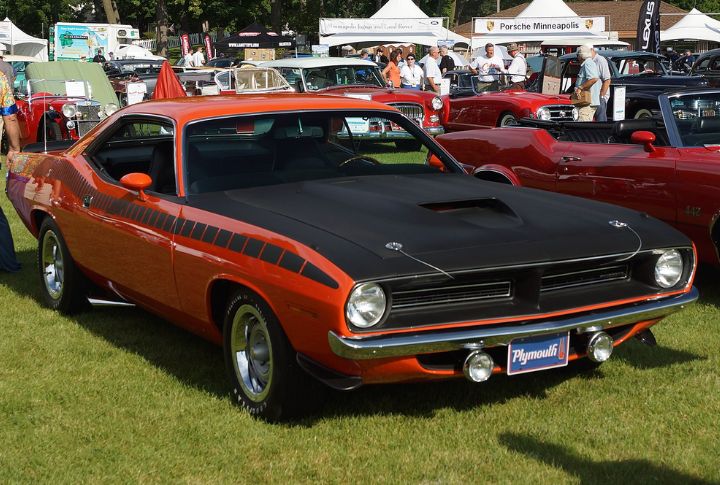
The optional “hockey stick” side stripe wrapped upward over the rear fender and proudly displayed engine displacement. Whether it read 340, 383, 440, or HEMI, this stripe announced what lurked inside. It became one of the most recognizable factory graphics of the era.