Seattle Cybertruck owner warns others, ‘don’t put magnets on your truck!’
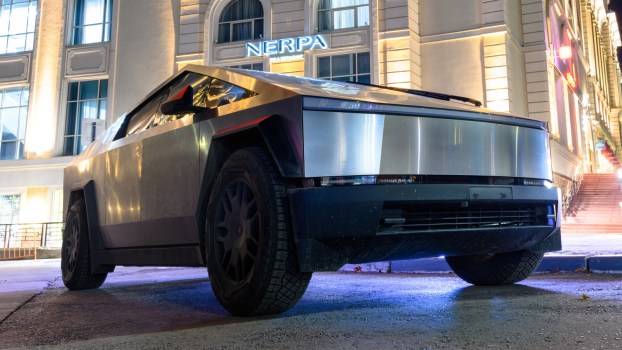
A Cybertruck owner from Seattle, Washington said he “felt like an idiot” when he saw what happened to his six-figure Tesla after he placed magnets on the doors.
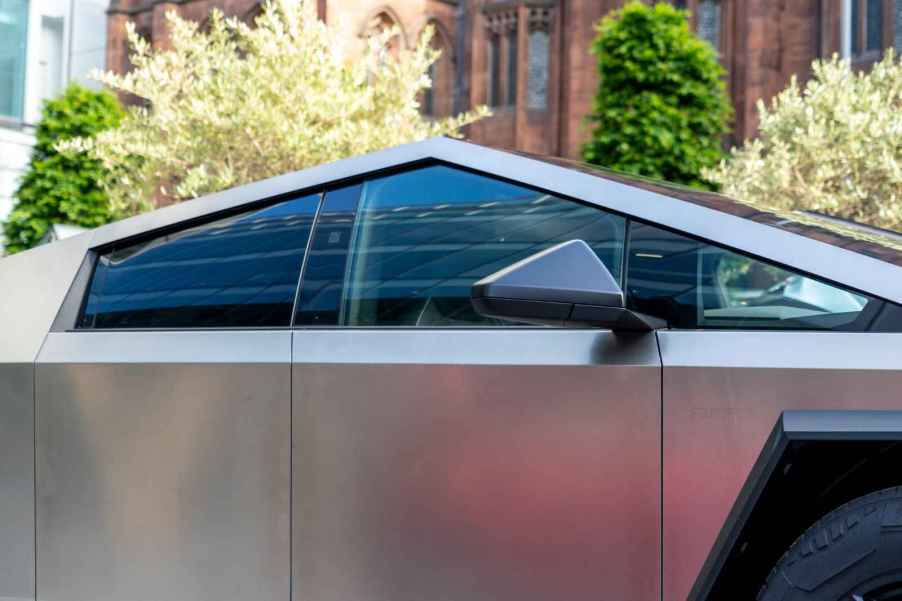
If you live in tech-centric Seattle, you’ve probably seen a handful of Cybertrucks driving around the heart of downtown. They’re ostentatious, they’re humongous, and they’re made of stainless steel alloy. Which, for Cybertruck owners like Nick, translated into exciting opportunities for magnetic fun.
He posted on the Cybertruck Owners Club that he had magnets on his EV for a month and discovered a disheartening chemical reaction happened beneath them.
“I feel like an idiot,” he wrote. He posted several pictures of the damage to his driver and passenger’s side door.
“I decided to put advertising magnets on my CT. I happened to take them off to wash the truck after a month and my heart sank… Rust and corrosion.”
People have wrapped Cybertrucks to look rusty and corroded, but Nick’s situation was truly grim. Especially since his effort to polish and remove the discoloration looked to be in vain.
“I was able to clean most of it off with liquid Barkeeper’s Friend followed by Windex, but there are a couple of small white spots left that have a slightly rough texture to them,” Nick wrote. “I’m planning on using a cordless polisher with Barkeeper’s Friend to see if will just take a little more than elbow grease to polish it off.”
Other Cybertruck owners were quick to respond
Several other owners wrote to say the photos made them concerned about the magnets they placed on their trucks. Another wrote he thinks the wet and humid conditions of Seattle may have been the culprit.
“Most stainless steel is not corrosive to magnets, but some magnetic stainless steel can show or cause some corrosion depending on what they used when making it and the weather,” an owner in Los Angeles wrote.
Nick responded further down in the thread to say the magnets weren’t high quality, and he suspected road debris got caught between the door and the magnet.
An owner in San Diego said the same thing happened to their truck.
“I had the same thing happen with a magnet on my truck,” they wrote. “Which is disappointing because of all the possibilities. But, oh well.”
Someone else from Colorado dove a little deeper into what happened.
“Bottom line is… Don’t use magnets,” they said. “The main issue with many of these magnets is if there is any metal touching metal, or even a thin layer separating it will cause the problem. Metals of different alloys create electrolysis (i.e. like a battery), and corrosion ensues. This is why the adage about not placing aluminum touching steel, etc, which can cause problems, and just about any non-similar alloys cause this problem.”