In the U.S., Customs and Border Protection agents bust smuggling operations all the time. They seize drugs, guns, imitation designer jewelry, and counterfeit toys from China. In Hong Kong, authorities face a very different challenge. That includes stopping a recent shipment of $13.8 million worth of gallstones harvested from cows’ gall bladders. I have so many questions.
Why cow gallstones are worth millions
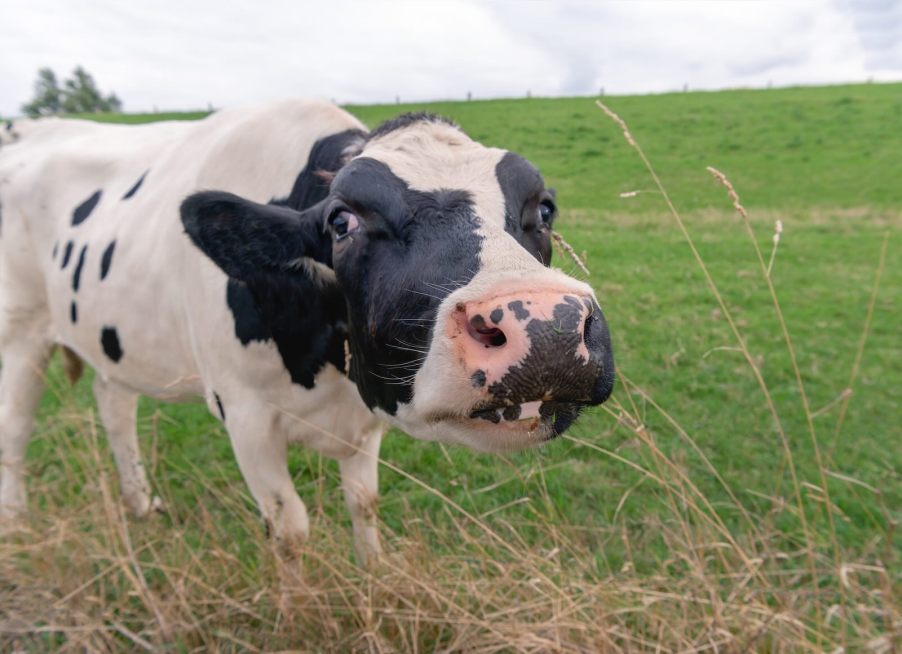
So, what exactly are gallstones? Known as “bezoars,” they are hard deposits of bile, calcium, and other compounds. They build up over time in cows’ gall bladders. In rare cases, veterinarians remove them from living animals that are already unhealthy. Most gallstones, however, are collected when cows are butchered.
In the U.S., butcher shops typically discard them. In China, they are prized for use in traditional medicine. One gallstone trading company in Brazil claims they can fetch up to $4,000 an ounce. That means a single large gallstone could be worth more than the meat from the entire cow.
I have struggled to find peer-reviewed evidence that tinctures or remedies made from cattle gallstones actually reduce fever or inflammation. Evidence supporting benefits for liver or heart health is also thin. Claims that they offer quick relief for strokes or seizures are even shakier. That said, cows are butchered regardless, making this a relatively harmless form of traditional medicine.
At $4,000 an ounce, it is easy to see why some buyers turn to the black market. Chinese officials say they stopped a private car attempting to cross the Heung Yuen Wai Control Point out of Hong Kong. Inside the trunk were 12 kilograms of cattle gallstones. They were neatly sorted by size and vacuum-sealed in plastic bags.
How do authorities even uncover a gallstone smuggling operation? Do customs agents train police dogs to detect them? Did a butcher provide a tip? Officials did not say.
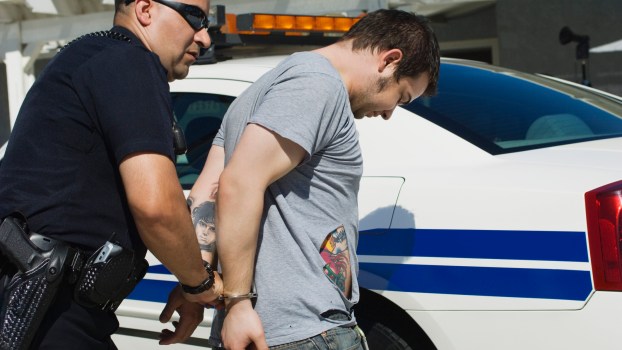
Authorities estimate the gallstones were worth $13.78 million. Police arrested the 47-year-old driver on the spot. He could face up to seven years in prison and a HK$2 million fine.