10 Crew Positions of the B-17 Bomber Plane That Shaped History
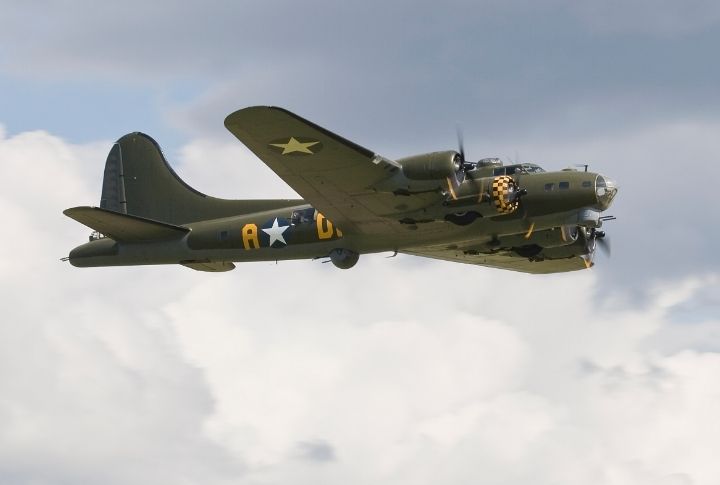
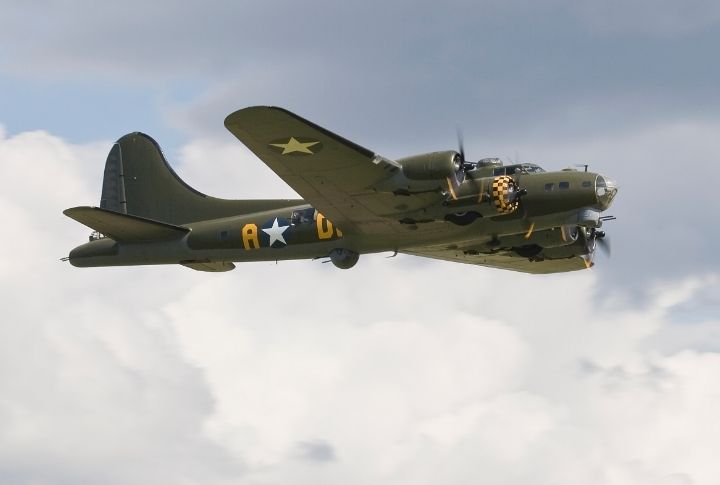
The B-17 bomber plane was renowned for its rugged design and impressive firepower, symbolizing American strength during the Allied strategic bombing campaigns against Germany and Japan. Yet, the true heroes of the B-17 were the crew members who operated its various positions. Each member had a specific job crucial to the success of their missions. In recognition of their significance, here are the crew positions in the B-17 that contributed to the Allies’ victory in the war.
Airplane Commander or Pilot
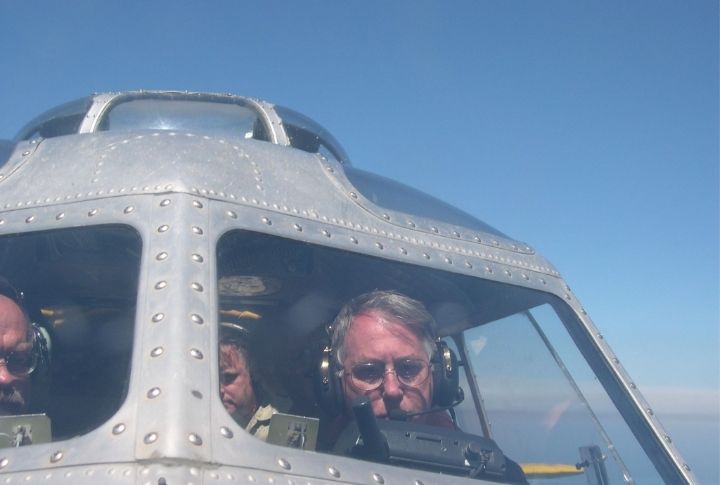
Often, the success of a mission depends on the Aircraft Commander, also referred to as the Pilot in Chief (PIC) on a B-17 bomber. Since they’re in charge of the crew, they make the most critical decisions on the flight, including takeoff, cruising, descent, and landing. In addition to flying skills, they must know the crew members, maintain great interpersonal relationships, and do whatever is needed to maintain high morale and camaraderie.
Copilot
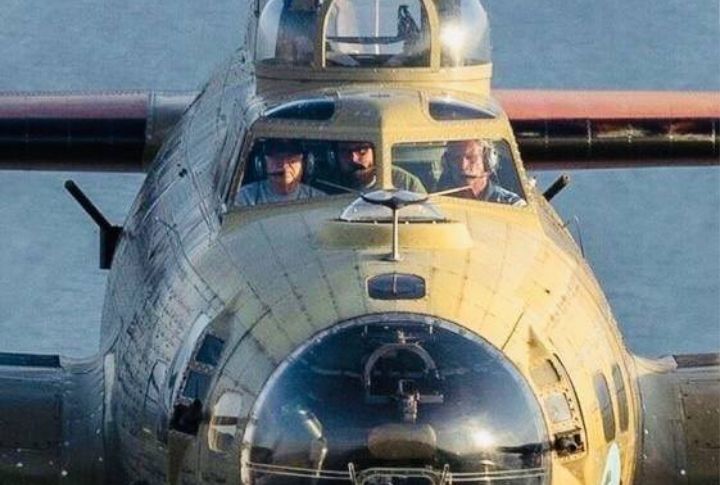
As the Pilot’s right-hand man, they guaranteed the smooth operation of the aircraft, acting as a backup in emergencies. They often share the flying workload, making control adjustments while monitoring flight instruments for airspeed, altitude, engine performance, and other critical parameters. Also, these skilled aviators relay messages from the Pilot to other crew and assist the Navigator with tasks like plotting courses, using radio navigation aids, or making calculations during course corrections.
The Navigator
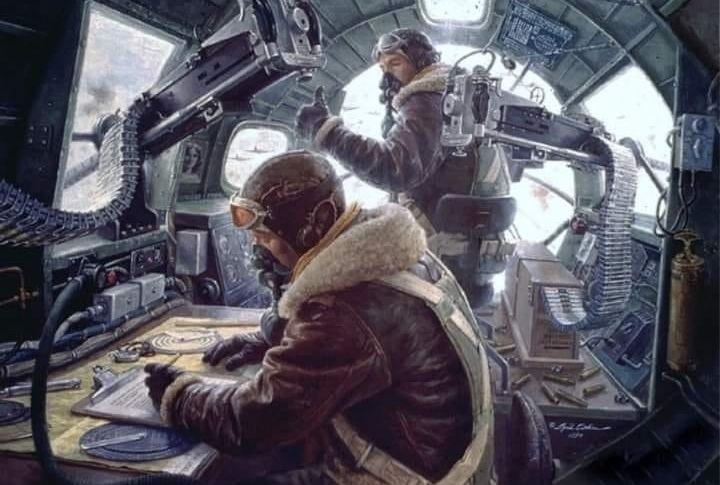
Before each mission, the Navigator meticulously planned the route. They spend hours studying maps, weather forecasts, enemy activity reports, and the B-17’s fuel range to determine the most efficient and safest path to the target and back. As the plane’s GPS, they could determine the aircraft’s position and course using landmarks, celestial bodies (sun, stars), or dead reckoning from its starting point, speed, direction, and elapsed time. Then, constantly relay this information to the Pilot, Bombardier, Radio Operator, and other crew members.
Bombardier
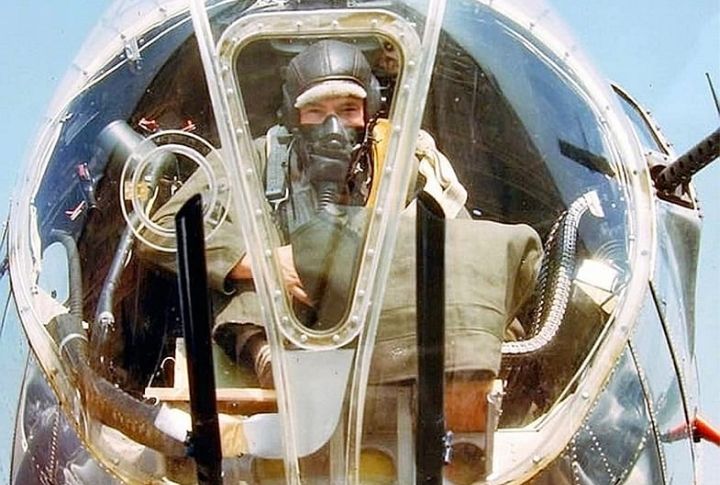
As the name insinuates, this crew member fulfills the destiny of the B-17 bomber plane using the Norden Bombsight. This complex aiming device could calculate the exact bomb release point using altitude, airspeed, wind speed and direction, and the target’s distance. With nerves of steel and a steady hand, the Bombardier pulls the trigger, unleashing the B-17’s destructive payload. Besides aiming, they also oversaw the B-17’s entire bombload, choosing the most effective way to deploy bombs.
Radio Operator
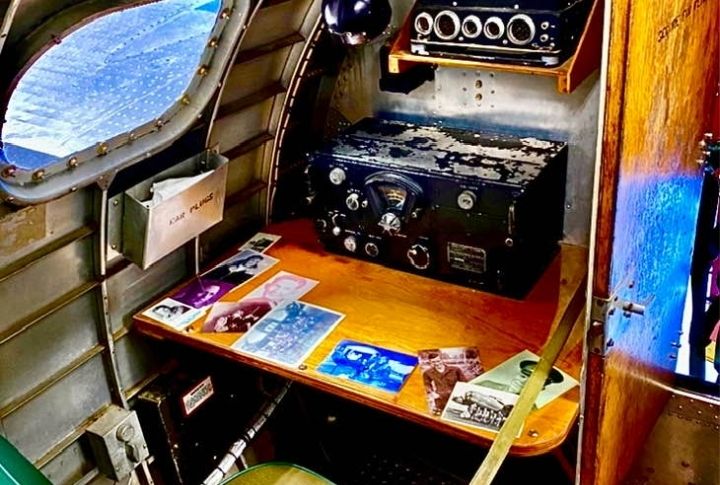
As the B-17’s communication lifeline, this person relayed messages between crew members, ground control, command centers, and other bombers in the formation. They updated them on general information, including weather changes and changes in mission plans. They also alerted the crew of approaching threats since they had a good view of the aircraft’s rear. Earlier models (up to B-17G) had a .50 caliber machine gun in the radio room as a secondary role, but B-17H onwards allowed Radio Operators to focus solely on communication.
Left Waist Gunner
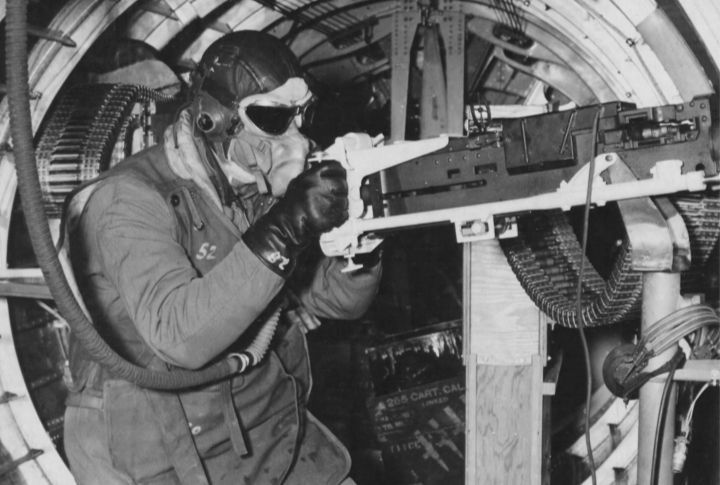
To defend the B-17 against enemy attack, Boeing engineers added extra protection to the sides of the airplane. The Left Waist Gunner operated a .50 caliber machine gun housed in a blister on the left side of the B-17’s fuselage. In addition to their primary role, they warned the crew of enemy fighters approaching from the left. This way, the Pilot can evade threats, and other gunners can continue an attack once they are out of the left-waist gun range.
Right Waist Gunner
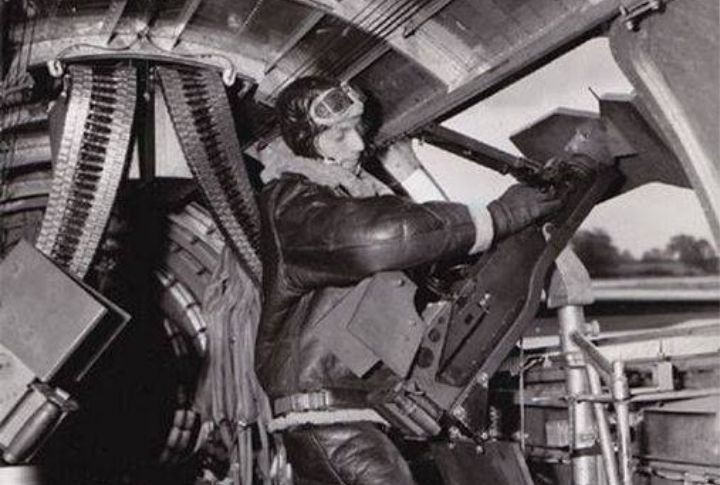
The Right Waist Gunner on a B-17 bomber was part of the formidable defensive network. They also handled a .50 caliber machine gun in the right waist compartment, protecting the aircraft from enemy fighter attacks along its right side and rear. These fighters constantly scan the skies, especially during bomb runs, and watch for enemy activity. They may also work with the Tail Gunner to create a zone of constant fire, making it difficult for enemy fighters to approach the B-17.
Tail Gunner
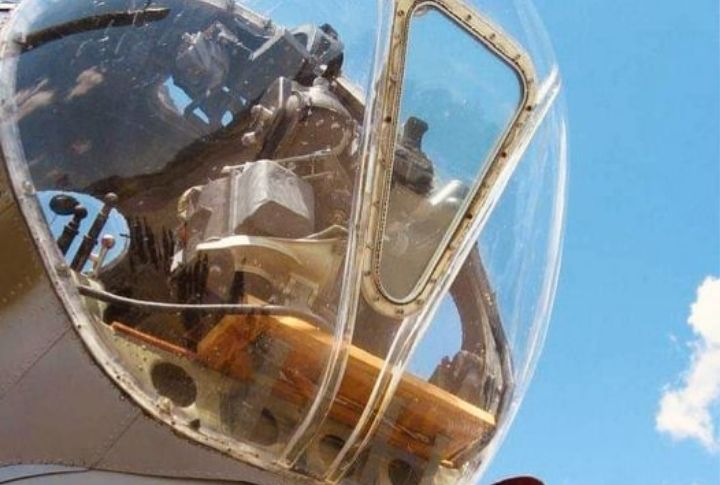
Besides operating a .50 caliber machine gun at the B-17’s rear, the Tail Gunner had secondary roles. They relayed important observations like visual sightings of enemy aircraft, formation, and status of fellow combatants. They also checked the oxygen levels of crew members every 10 minutes. Unfortunately, the tail section was cold and cramped, with little protection from the elements or enemy fire. Tail Gunners needed nerves of steel and unwavering focus to handle the psychological challenge of isolation and the constant threat of enemy attacks.
Ball Turret Gunner
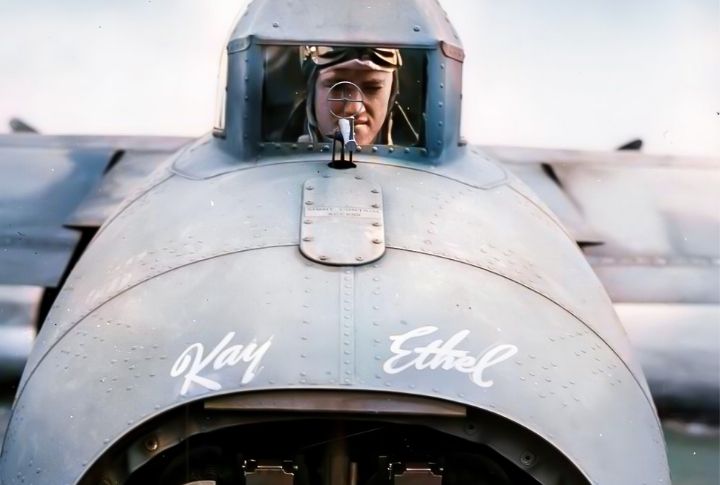
Unlike other gunners stationed in fixed positions, the Ball Turret Gunner operated a highly mobile machine gun under the B-17. This gunner had twin .50 caliber machine guns within a spherical turret nicknamed the “ball” due to its shape. They could shoot 360 degrees horizontally with a wide range of vertical movement to protect the plane from enemy attacks coming from below the plane. Since the ball turret had little room for movement, these courageous individuals endured harsh conditions so missions could be successful.
Flight Engineer
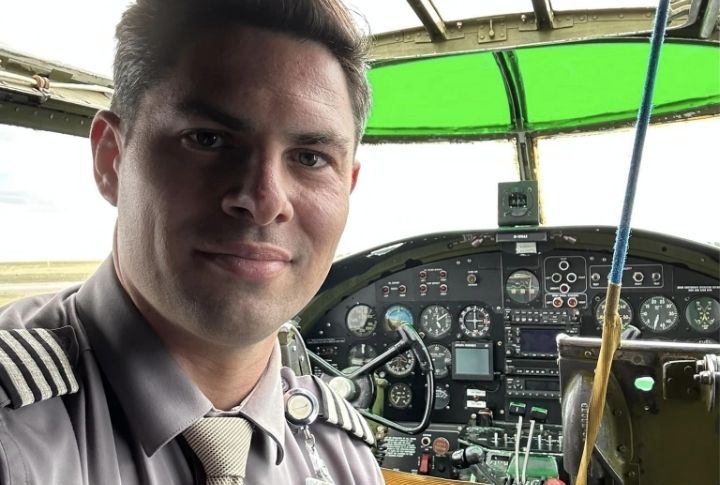
The Flight Engineer was the master of the four powerful Pratt & Whitney R-1690 Hornet radial engines in the B-17. As experts in technical matters, they knew the plane better than anyone else and did everything possible to keep it in good shape. They were responsible for repairs and engine controls while constantly monitoring the gauges for oil pressure, temperature, and fuel consumption. Besides handling the engines, they also managed other areas of aircraft flying, such as hydraulics, electricals, oxygen supply, guns, and radio.