20 Compact Cars From the ’60s Everyone Totally Forgot Existed
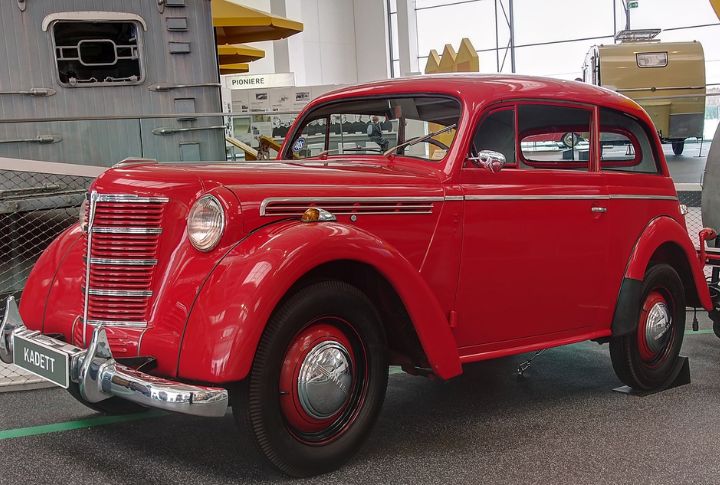
Compact cars helped define the 1960s—nimble, strange, and often short-lived. Some were clever one-offs, others global hits that just couldn’t crack the U.S. market. They came from Detroit, Tokyo, Coventry, and beyond, offering weird engineering and fleeting cultural moments. You probably haven’t seen one in decades. Let’s change that.
Plymouth Valiant
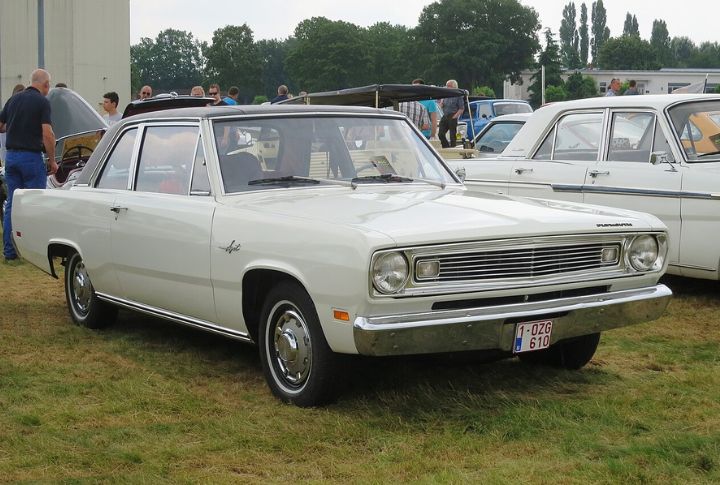
Introduced with a 30-degree slanted inline-six, the Valiant managed to stand out in a crowded field. The angled engine wasn’t just a gimmick—it kept the hood low and helped handling. Paired with Virgil Exner’s last gasp of tailfin flair, it became a sleeper success among blue-collar buyers.
Studebaker Lark
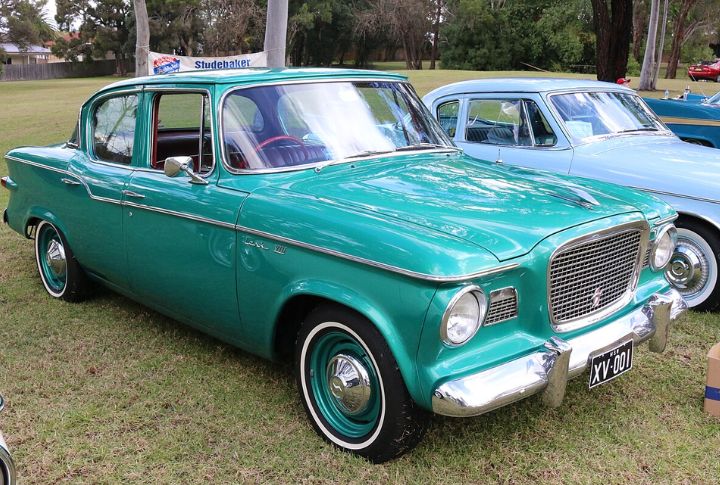
Facing bankruptcy, Studebaker shrunk its existing models and found unexpected gold. The Lark briefly outsold entire GM divisions, with a V8 option that gave it punch in a compact shell. It was practical, gutsy, and for a moment, kept a dying company alive through pure design efficiency.
Rambler American (AMC)
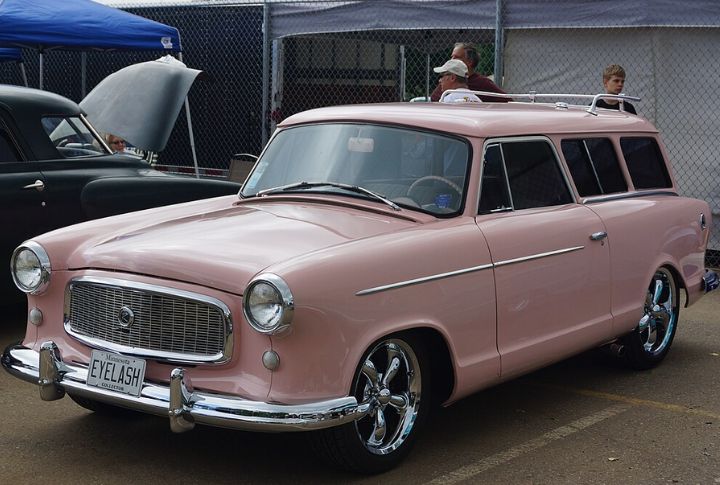
It was about as glamorous as a toaster, but that’s what worked. The Rambler American delivered affordability with simplicity—bare dashboards, easy maintenance, and zero frills. In 1960, it helped push AMC to third place in national sales. Not bad for a box on wheels that barely tried to be cute.
Mercury Comet
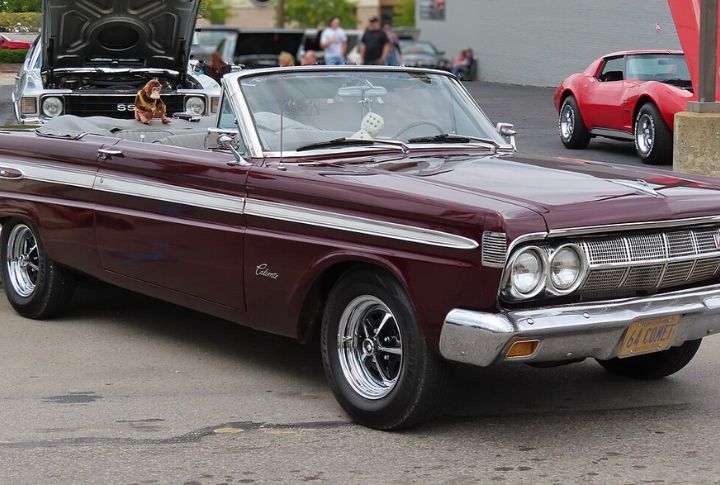
Originally built for Edsel dealers, the Comet became a Mercury by default. The tailfins were subtle, the trunk cavernous, and the styling cleaner than its Falcon cousin. What really sold it, though, was value: upscale touches without the price tag, wrapped in a badge that still had some credibility.
Austin America (BMC 1100)
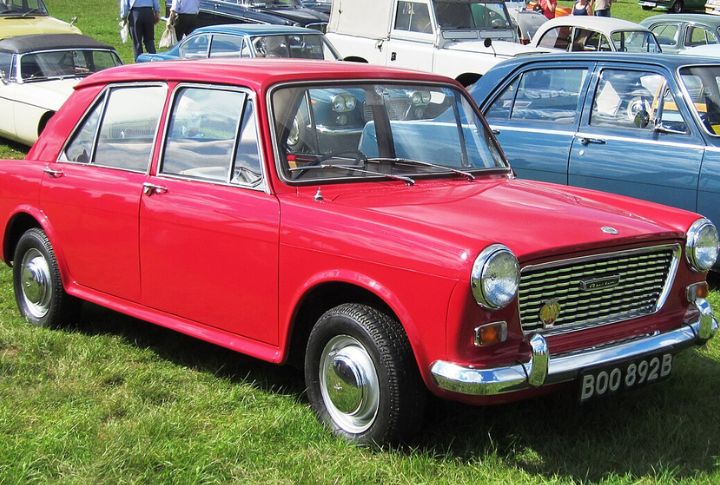
BMC’s front-drive compact promised European comfort in an American-sized wrapper. Its Hydrolastic suspension soaked up potholes like nothing else in its class. But electrical gremlins and parts shortages quickly undercut its potential. For a few years, though, it felt like driving the future—until reality caught up.
Pontiac Tempest
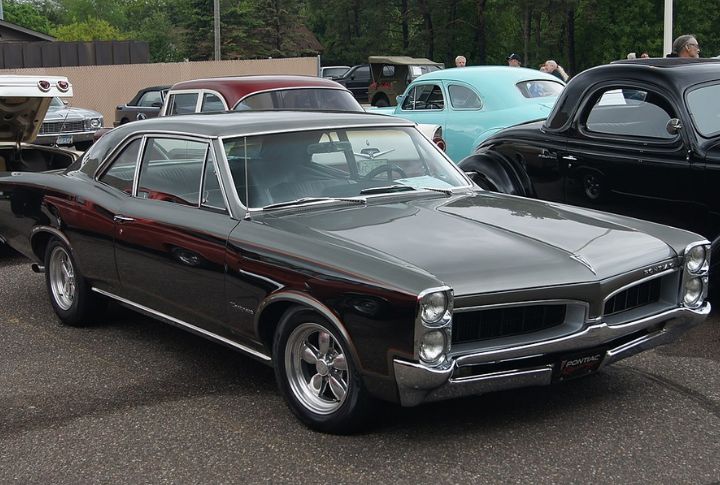
The original Tempest was unorthodox from every angle. A rear-mounted transaxle and flexible driveshaft delivered uncanny ride quality for a budget car. Flat floors and balanced weight made it handle better than anyone expected. Later versions even offered turbocharging—years before that became fashionable.
Oldsmobile F-85 Cutlass
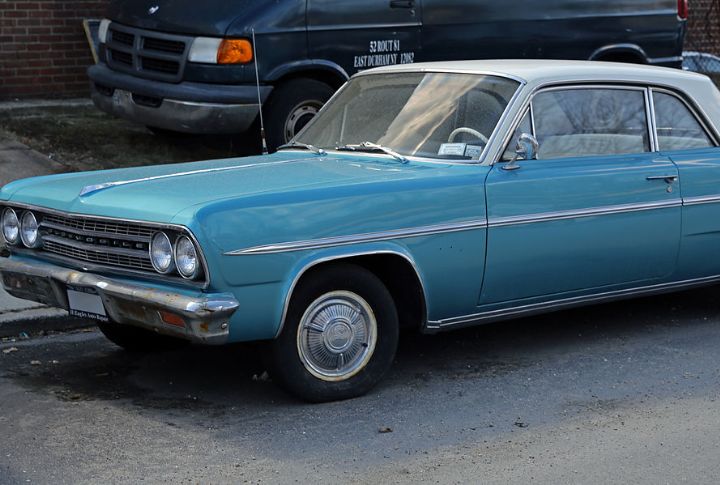
Long before it ballooned into a luxury barge, the Cutlass began life as a lightweight tech experiment. The Jetfire version packed a turbocharged aluminum V8 with a fluid-injection anti-knock system. It was ahead of its time, expensive to maintain, and quietly groundbreaking. Most buyers had no idea what they were driving.
Austin/Morris Mini
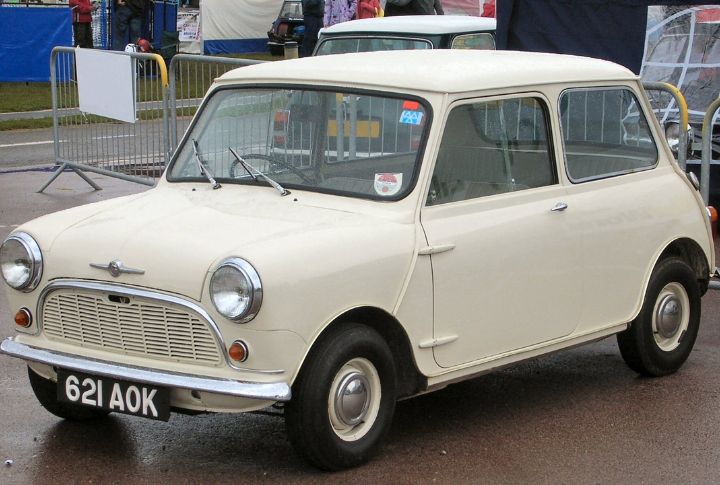
In Europe, it was a revolution. In America, it was a novelty that never quite caught on. With its tiny footprint, sideways engine, and cheeky handling, the Mini was years ahead in design. But cramped cabins and sparse dealer support kept it from becoming the icon here that it was abroad.
Volkswagen Type 3 Squareback
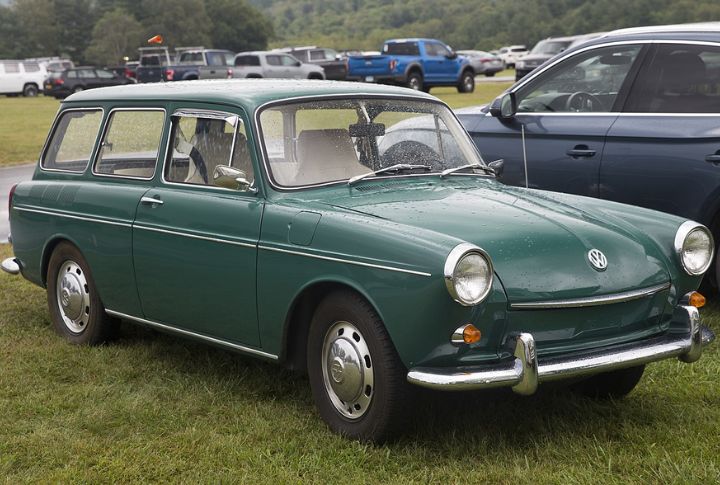
Volkswagen’s attempt at something bigger than a Beetle led to the practical and weirdly appealing Squareback. The flat engine sat beneath the rear cargo floor, while a front trunk added extra storage. Despite its practicality, it struggled to stand out—until you realized how much it could quietly carry.
Chevrolet Chevy II / Nova
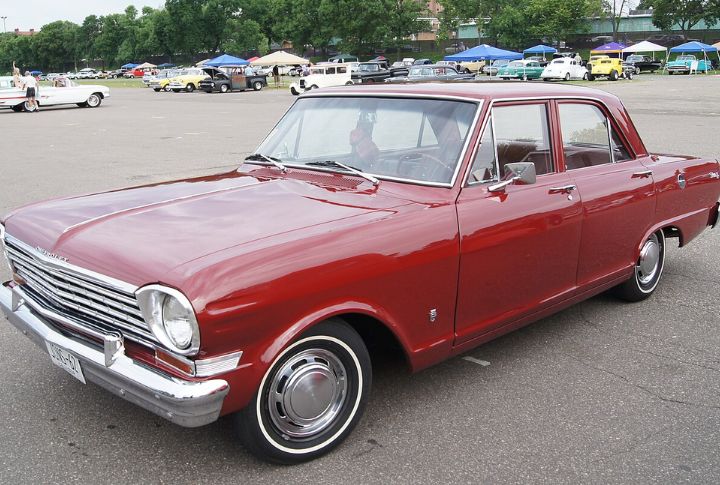
Chevy needed a Falcon fighter and delivered the Chevy II in record time. It was all function—easy to service, cheap to run, and quicker than expected with the right engine. The Nova name came later, but the original was GM at its most stripped-down and utilitarian, by design.
Saab 96
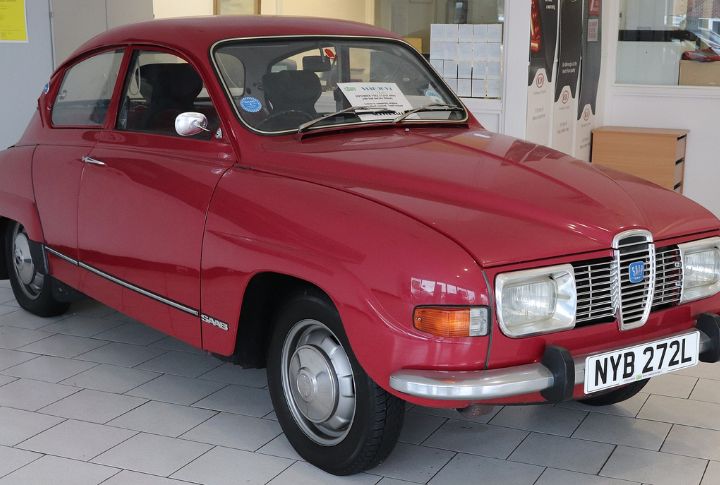
With a two-stroke engine and freewheeling clutch, the 96 was built for Scandinavian winters. It didn’t sound or drive like anything else on the market. Rally drivers loved it. So did university professors and political outliers. You didn’t just buy a Saab—you bought into something quietly radical.
Toyota Corona
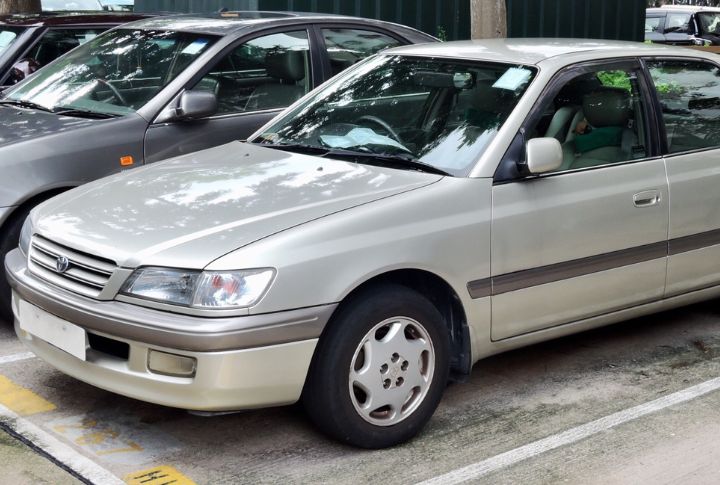
The Corona wasn’t flashy, but it changed everything for Toyota in the U.S. Unlike the underpowered Toyopet, this one started reliably and held together. It handled American roads without protest and introduced thousands of buyers to Japanese efficiency without ever asking to be loved. It just worked.
Datsun 510
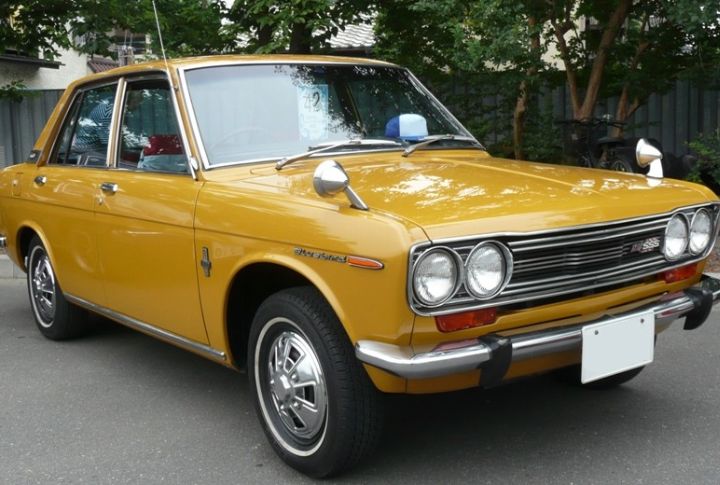
With independent suspension and a high-revving four-cylinder, the 510 offered surprising athleticism for a modest sedan. Road racers tuned them. Enthusiasts rallied them. On the outside, it looked like commuter furniture. Underneath, it had the bones of a sports car disguised as something your neighbor might ignore.
Opel Kadett
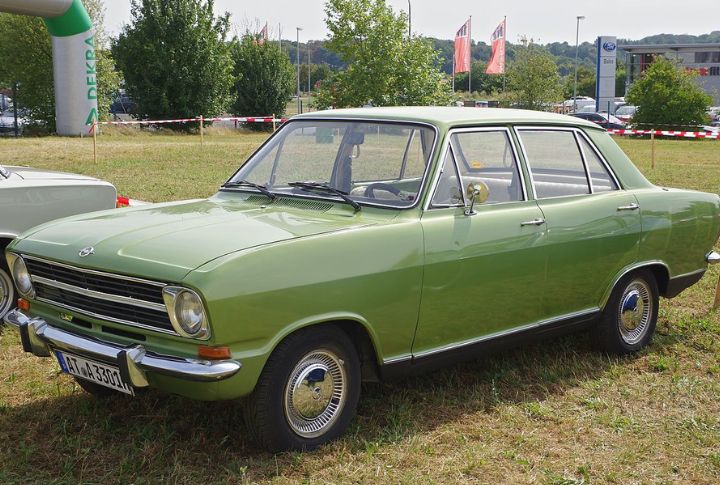
Imported by GM through Buick dealers, the Kadett was light, affordable, and offered in multiple body styles. Its biggest weakness was rust—it corroded spectacularly. But when new, it offered accessible European flavor backed by American marketing. In the snowbelt, most dissolved by the ’70s.
Fiat 850
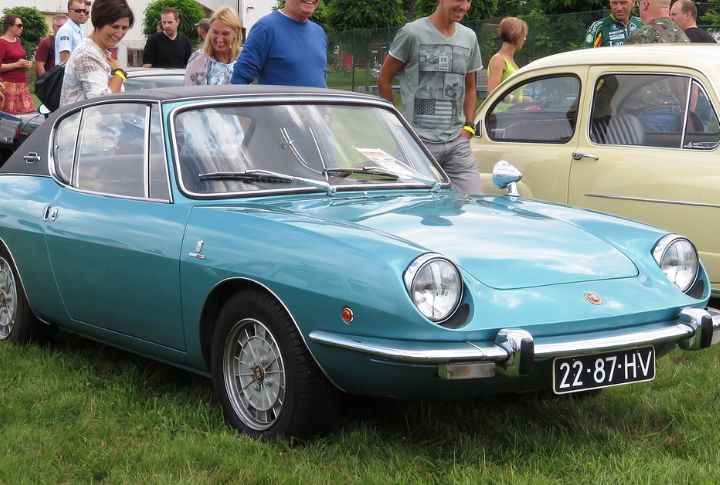
Rear-engine, rear-drive, and unmistakably Italian in both charm and temper. The 850 coupe and spider gave buyers a chance to feel cosmopolitan without spending like it. The problem? Midwest winters destroyed them. A few survive, usually pampered by collectors who forgive their mechanical tantrums.
Simca 1000
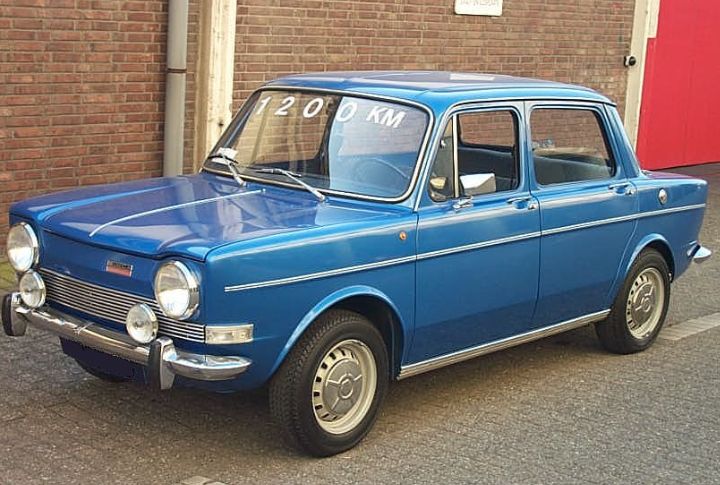
French design, rear-engine layout, and just enough room for a family of four. The Simca 1000 was Chrysler’s experiment in continental flair. It offered light handling and decent space, but dealer support was thin. Americans didn’t know what to make of it—and Chrysler wasn’t committed enough to help them decide.
Hillman Imp

The Imp’s aluminum engine sat out back, where it shouldn’t have—but somehow it worked. Designed to rival the Mini, it had a hatchback and rally potential. Unfortunately, it also had quality issues and arrived too late to matter. Most Americans never saw one. Even in Britain, few remain.
Renault Dauphine
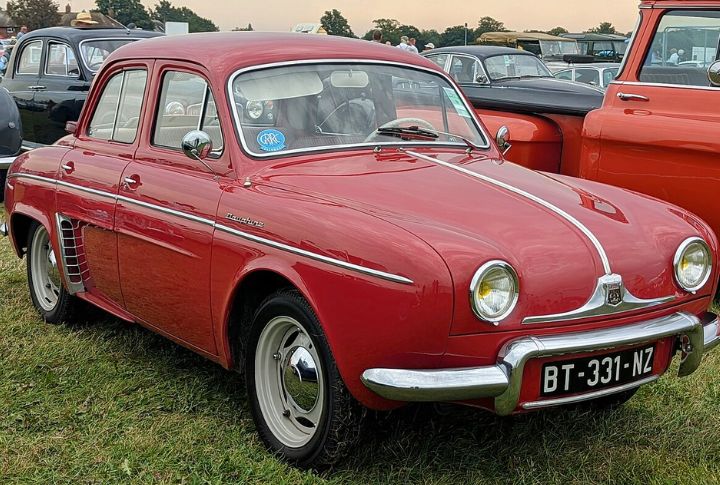
Elegant in profile but problematic in practice, the Dauphine was a fleeting hit. It looked like a shrunken luxury car and sold in big numbers at first. Then came reports of weak brakes, poor handling, and dismal crash safety. By the end of the ’60s, it was nearly extinct.
Peugeot 404
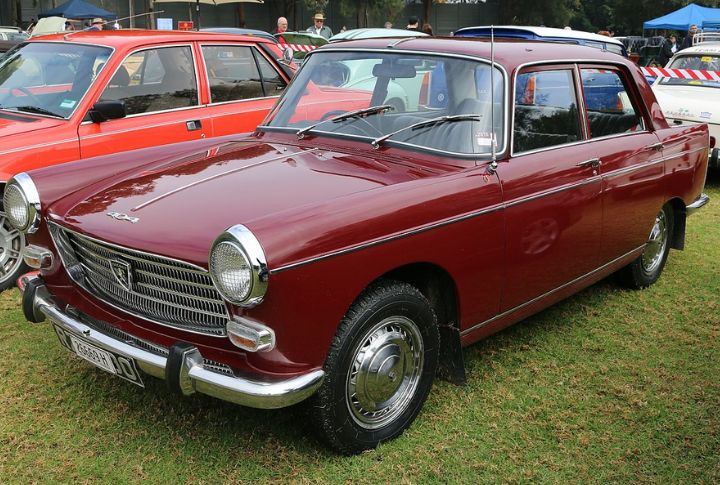
Pininfarina gave it clean lines; Peugeot gave it supple suspension. The 404 was smooth, restrained, and weirdly upscale for a compact import. It never sold in large numbers, but owners swore by its durability. Long after Peugeot left the U.S., a few 404s kept quietly humming along.
Hino Contessa
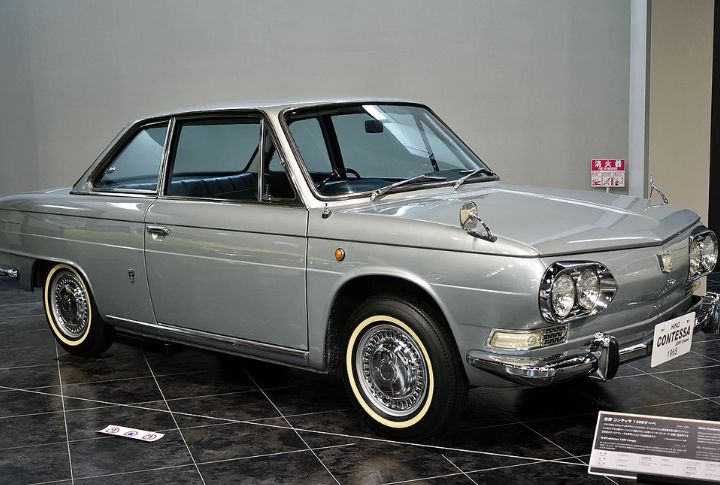
Built by a Japanese truckmaker and styled by Italy’s Giovanni Michelotti, the Contessa was a bold outlier. Rear engine, manual transmission, and sharp lines gave it a unique vibe. Toyota eventually swallowed Hino, ending the car project altogether. Today, it’s one of the rarest vintage imports in North America.