Colorado motorcycle riders allowed to filter lanes, but most don’t
Here’s a puzzle for you: It’s now legal for motorcycle riders in Colorado to “filter up,” or ride between parked cars to cut to the front of traffic waiting at a stoplight. The practice potentially reduces congestion and prevents rear-endings. But the vast majority of Colorado riders still aren’t doing it. So what gives?
Colorado riders allowed to filter but choosing not to
To be fair, Colorado’s law legalizing filtering didn’t go into effect until Aug. 7, 2024. One year later, motorcyclists may still be confused about what is and isn’t legal—namely, the difference between filtering and lane splitting.
“Motorcyclists are splitting traffic while traffic’s moving,” said Jim Wilson, who runs Ride On Motorcycle Training. “That is not legal in Colorado.”
The new law specifies that traffic must be at a complete standstill before motorcyclists can ride between cars and trucks traveling in the same direction. The rider can’t exceed 15 mph while moving to the front of the line.
Another problem may be a lack of education. If car drivers don’t know that filtering is now legal, they may beep or yell at motorcyclists during the maneuver. If this happens a few times, motorcycle riders may give up on filtering altogether.
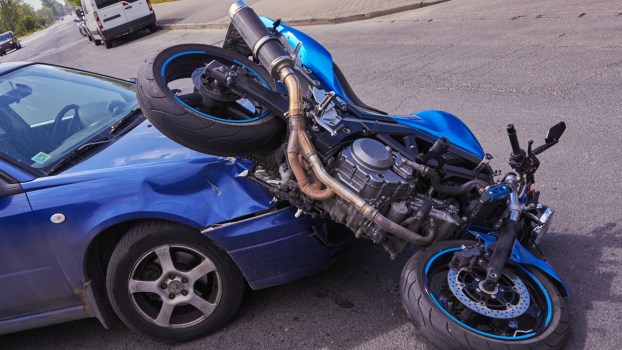
Finally, the move theoretically may prevent motorcycles from being rear-ended by absent-minded drivers. But if a car tries to change lanes without looking, or a driver throws open a door, a motorcyclist could end up in trouble anyway. Wilson admits, “There is risk doing it… I can see where an inexperienced motorcyclist or just somebody who’s cautious doesn’t feel the need to do it.”
The CDOT filtering trial needs more data
The Colorado law is a three-year trial. CDOT is studying crash and traffic data and will revisit the ruling in summer 2027. But in a recent survey, only 29% of motorcyclists said they are taking advantage of the new filtering law.
I am a motorcyclist and used to live in California, where both filtering and lane splitting are legal. There were certainly situations where I chose not to do one or either, for safety. But if 71% of Colorado riders never use this practice, CDOT won’t have much data on whether it makes riding safer and traffic smoother.
Wilson concludes, “I think the law is positive and I think the longer it’s in effect, hopefully more motorcyclists and motorists will understand the law and follow it.” You can learn more about the Colorado lane filtering law in the video below: