15 Classic Rides Most Youth Aren’t Embracing
There’s something timeless about a classic car—the rumble of the engine, the sleek lines, and the undeniable cool factor. But while these vintage rides have captivated car enthusiasts for decades, many young drivers today are steering clear of them.
1975 AMC Pacer
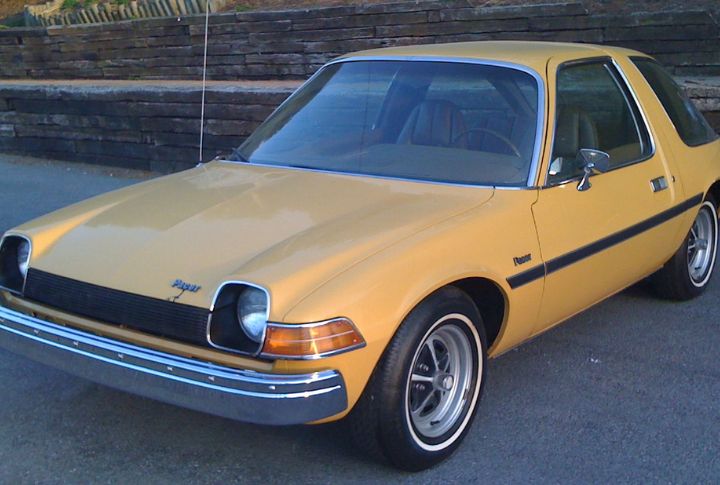
A compact car with a futuristic design for its time, the Pacer featured a 3.8L inline-six engine generating around 90 horsepower, which was later upgraded to a 4.2L engine with 110 horsepower. Despite its innovative “wide small car” concept, its quirky bubble-like design, heavy body, and performance might not be as appealing to some.
1981 DeLorean DMC-12
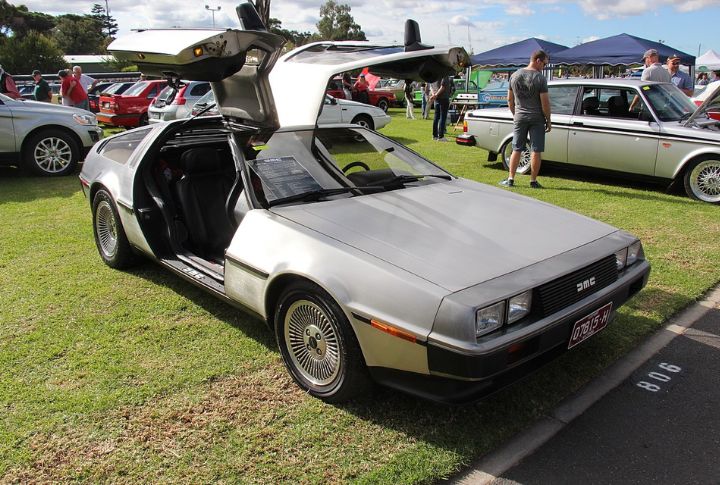
Some people have mentioned disliking this car due to a feel of lack of power, cost, and mechanical issues. Built by DeLorean Motor Company, it was featured in the Back to the Future movies. It was powered by a 2.85L V6 engine producing 130 horsepower and paired with a 5-speed manual or 3-speed automatic transmission.
1985 Yugo GV
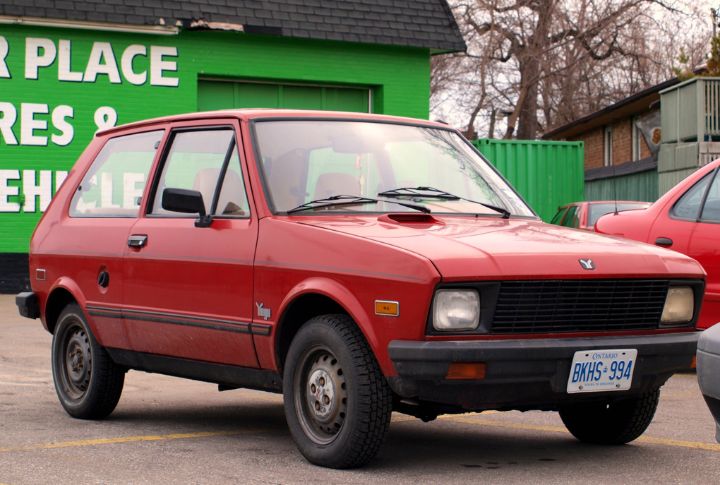
Despite its low price, the Yugo GV still isn’t attractive enough for some young people. Produced by the Yugoslavian automaker Zastava, it was marketed as an affordable subcompact car. The GV’s 1.1L 55-horsepower inline-four, though sufficient for its era, isn’t as powerful as some modern alternatives.
1978 Ford Pinto
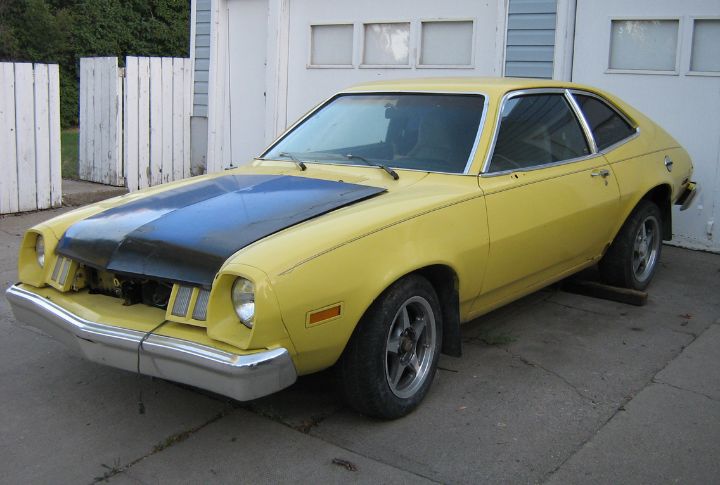
Ford’s Pinto became infamous among some drivers due to its controversial safety record, especially concerning its fuel tank design. A 2.3L inline-four engine producing 88 horsepower offered decent fuel economy but insufficient output. It also lacks some modern safety features that would have made it more appealing.
1977 Cadillac Seville
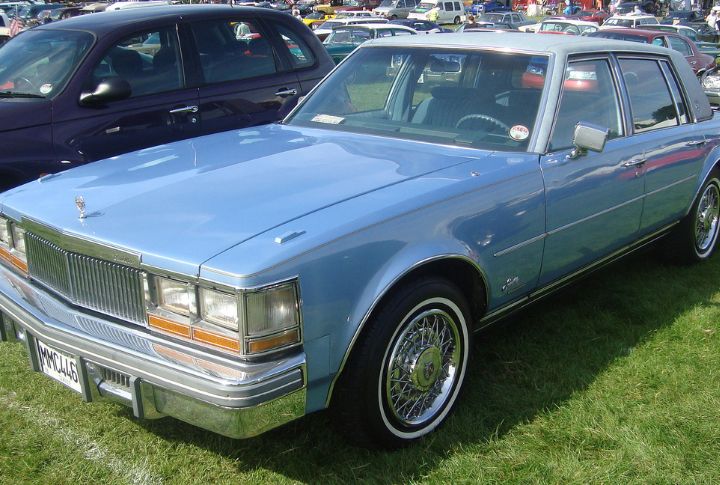
General Motors released the Cadillac Seville in 1977 in response to the demand for smaller luxury cars. The car had a 5.7L V8 engine producing 180 horsepower and symbolized American luxury. Still, it doesn’t gain traction nowadays for its more conservative design and emphasis on comfort over performance.
1987 Chrysler LeBaron
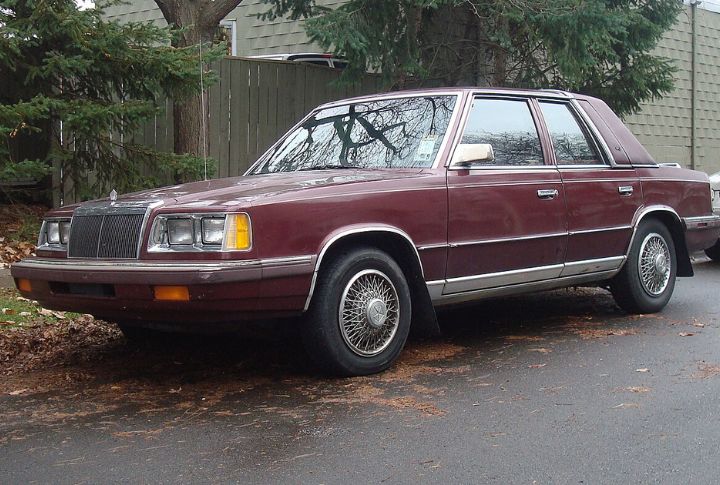
As a mid-range convertible popular in the 1980s, it featured a boxy design and modest performance. This car had a 2.5L 100-horsepower inline-four engine or a 146-horsepower turbocharged. Though stylish for the era, the LeBaron lacks a few modern amenities, a put-off for younger drivers.
1976 Chevrolet Chevette
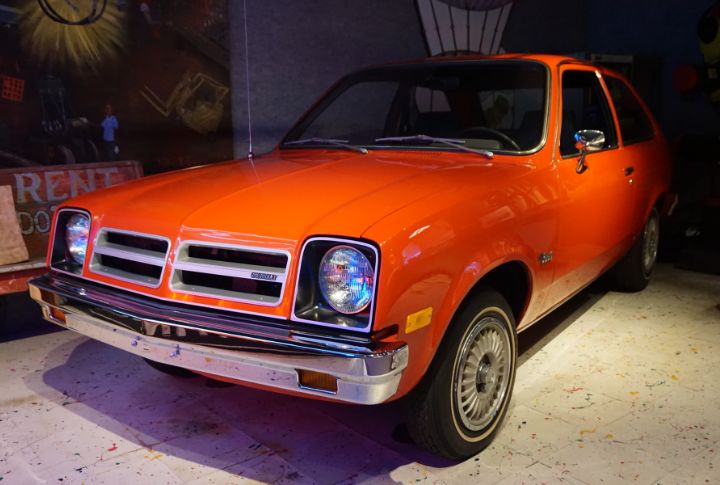
General Motors marketed the Chevrolet Chevette as an economical subcompact car. The company fitted it with a 1.4L inline-four engine generating 53 horsepower, making it more fuel efficient. With the evolution of high-performance cars, the Chevette is now seen as lacking sufficient power.
1980 Triumph TR7
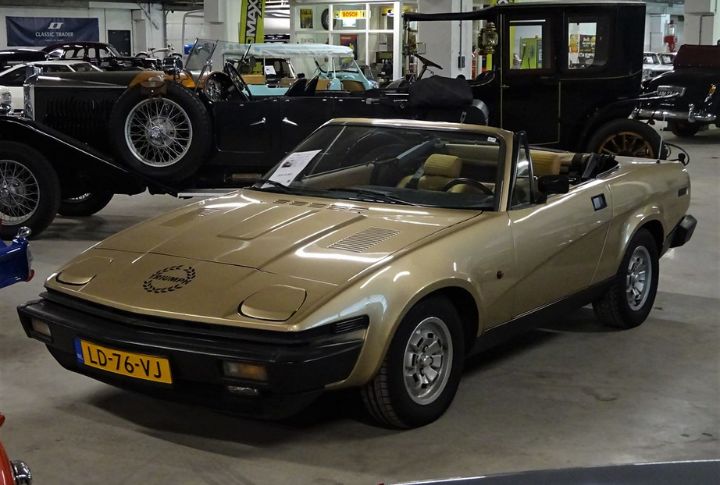
The distinctive wedge shape it featured was innovative, but the car’s underwhelming performance and frequent mechanical issues have tainted its legacy. Its focus on style over substance and its mixed reliability make it less appealing compared to other sports cars from the same period.
1979 Oldsmobile Cutlass Supreme
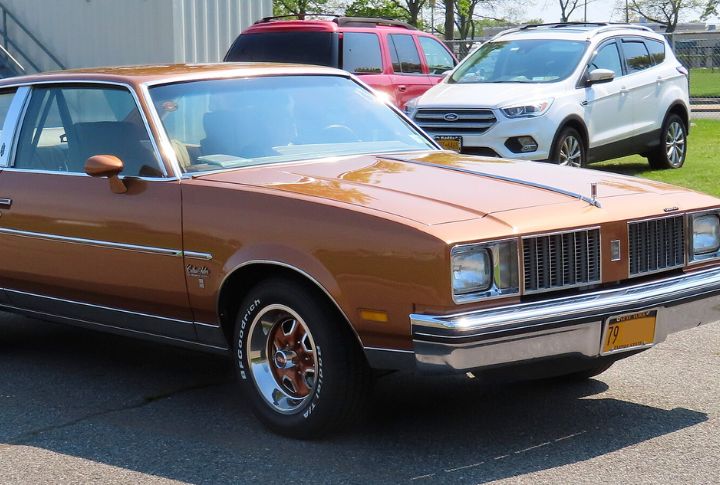
Released in 1979, the Oldsmobile Cutlass was one of America’s best-selling cars, featuring a 3.8L 105-horsepower V6 engine. Despite its past popularity, the new generation often associates the Cutlass Supreme’s large size with an effect on fuel economy.
1986 Buick Regal
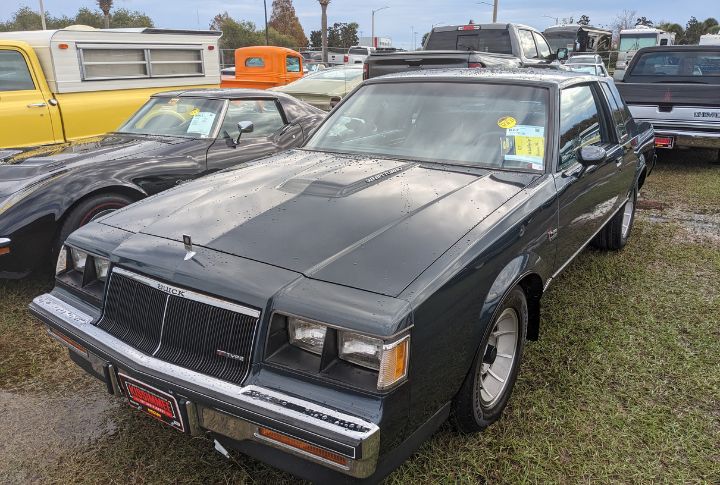
Like the Oldsmobile, the Buick Regal was famous in the 1980s, especially in its Grand National variant. Its base model balanced performance and comfort and had a 3.8L 140-horsepower V6 engine. Young people today may dismiss the Regal as old-fashioned and needing design improvement.
1984 Pontiac Fiero
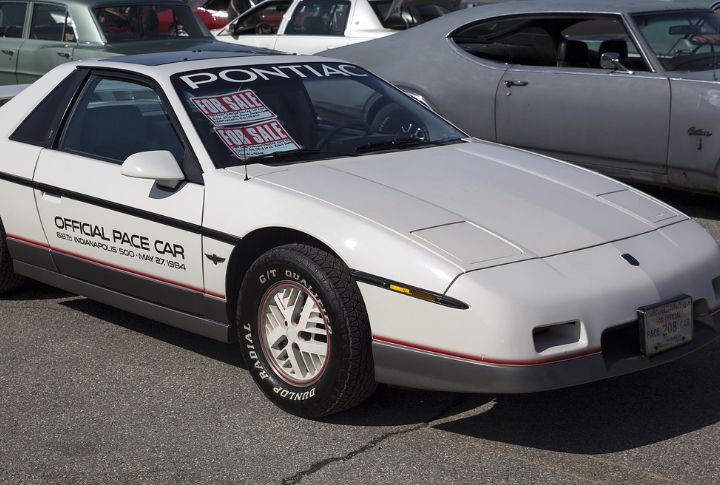
When first introduced, it looked like a sports car, which led many to expect high performance. However, the initial models, including the 1984 version, were equipped with a modest 2.5-liter 4-cylinder engine that produced just 92 horsepower. For a car that looked sporty, most find this level of performance underwhelming.
1972 Volkswagen Super Beetle
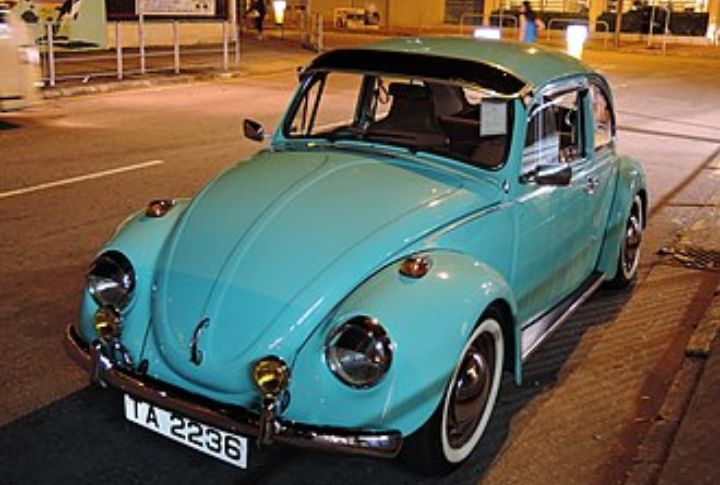
Volkswagen released the Super Beetle in 1972. With a 1.6L flat-four engine capable of 60 horsepower, the car became accepted for decades as an ideal daily commuting vehicle. While there is a dedicated fan base among enthusiasts, some find the car slow due to limited power output.
1989 Merkur XR4Ti
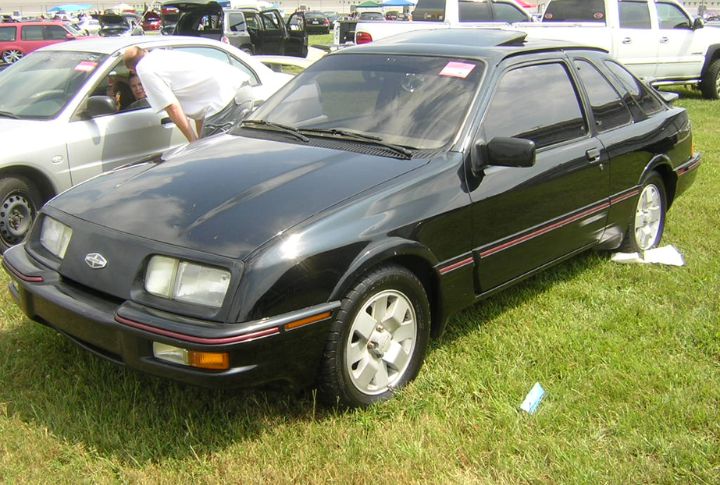
Its obscure brand, quirky styling, and reliability issues limit the car’s appeal among younger enthusiasts. The niche status and difficulty in finding parts make it less attractive compared to more iconic 1980s cars. As a result, it often gets overlooked despite its unique European design and turbocharged engine.
1971 Ford Maverick
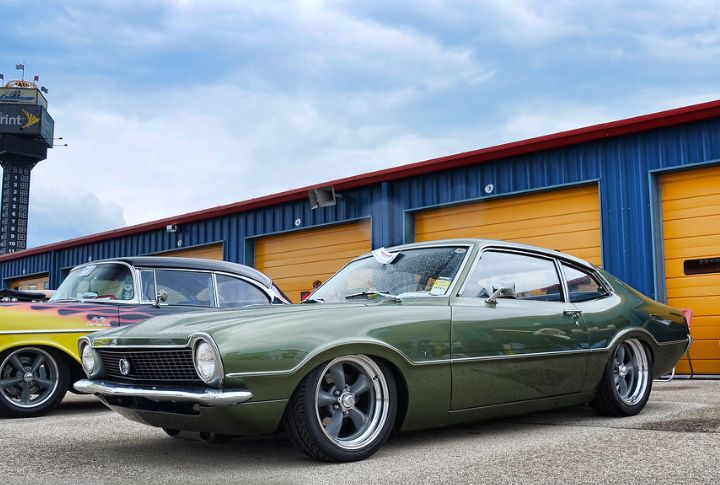
Although it has a simple design and was popular for its affordability, some say it lacks the muscle and cultural significance of other 1970s cars. Additionally, its basic features and modest power make it less appealing compared to more powerful and iconic classics from the same era.
1973 Chevrolet Vega
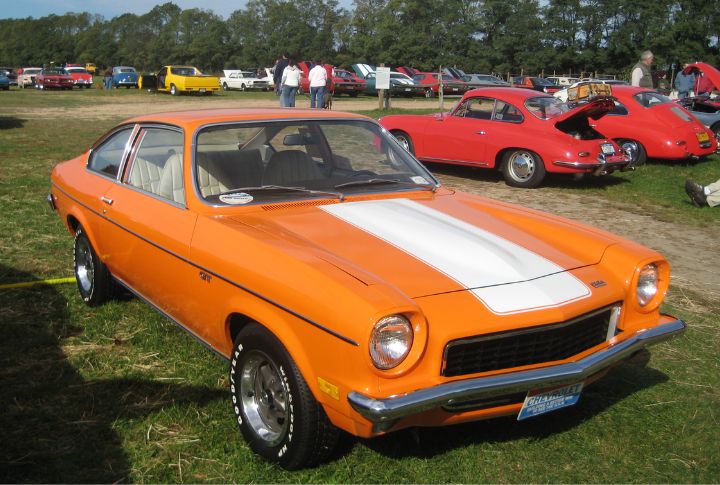
Chevrolet’s Vega attracted many buyers because of its sharp styling, handling, and 2.3L 90-horsepower inline-four engine. However, there have been some complaints about its limited engine performance and reliability issues, particularly with engine durability and rust problems.