15 Classic European Cars Not Worth The Hype

Classic cars are worth a fortune primarily because of their aura of rarity. Buyers feel a nostalgic connection to them, and the increase in demand plus the car’s rarity inflates the price. Still, most classic European vehicles come with more than that aura: buying them opens the floodgates to more expenses. Here are 15 classic European cars with refurbishing and running costs that outweigh their charm
Aston Martin Lagonda (1976–1990)
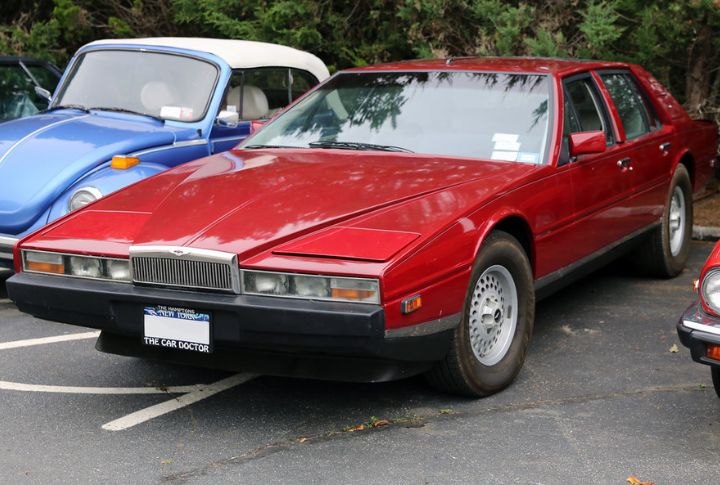
One such car is the Aston Martin Lagonda, which, despite its unique design and luxury status, is often criticized for its impracticality and high maintenance costs. The car was plagued by numerous reliability issues, particularly its advanced electronic systems. Its digital dashboard, while innovative, was prone to malfunctions, and the complex electronics frequently required repairs. Additionally, the Lagonda’s fuel consumption is exceptionally high, making it an impractical choice for commuting.
Bentley Brooklands (1993–1998)
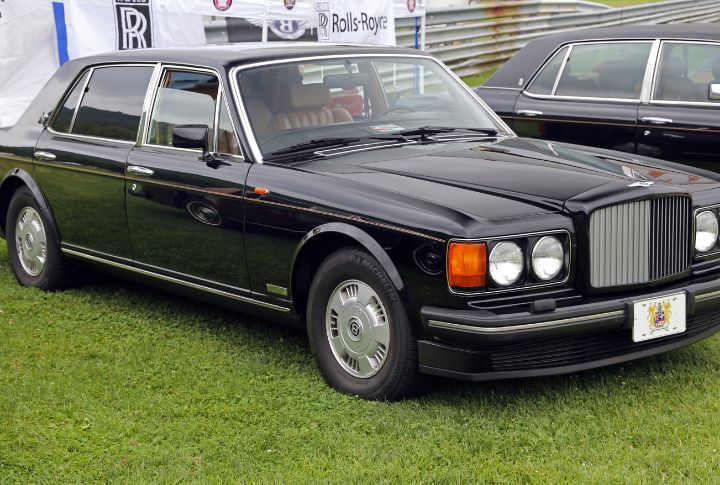
The Bentley Brooklands’ prestigious badge doesn’t shield it from the substantial maintenance and repair costs needed to keep it on the move. Though a luxurious brand, the car was notorious for mechanical complexity and reliance on parts that were not only expensive but increasingly hard to find. Its engines and other vital components require specialized service that can only be performed by a handful of mechanics.
BMW 750iL E38 (1994–2001)
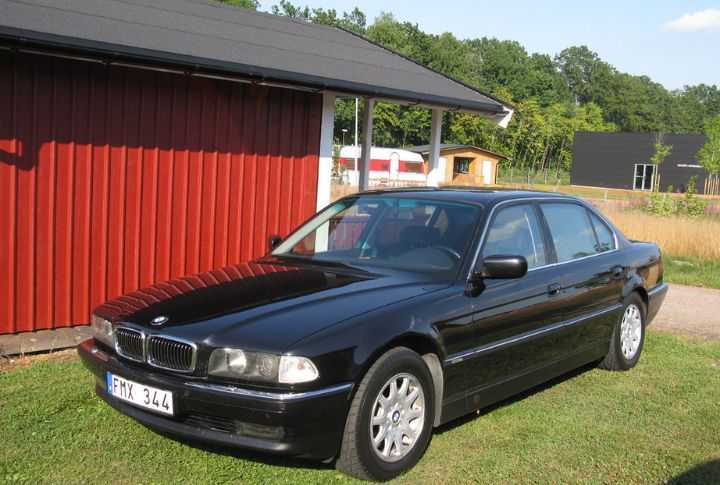
Common issues with the BMW 750iL E38 include failing electronics, problematic transmission systems, and engine troubles, all of which can lead to substantial repair bills. Additionally, the V12 engine, while powerful, is complex and costly to maintain, often negating the initial savings that come from buying an older model. Moreover, the E38’s fuel efficiency is another significant drawback resulting from a heavyweight and powerful engine.
BMW M3 E30 (1986–1991)
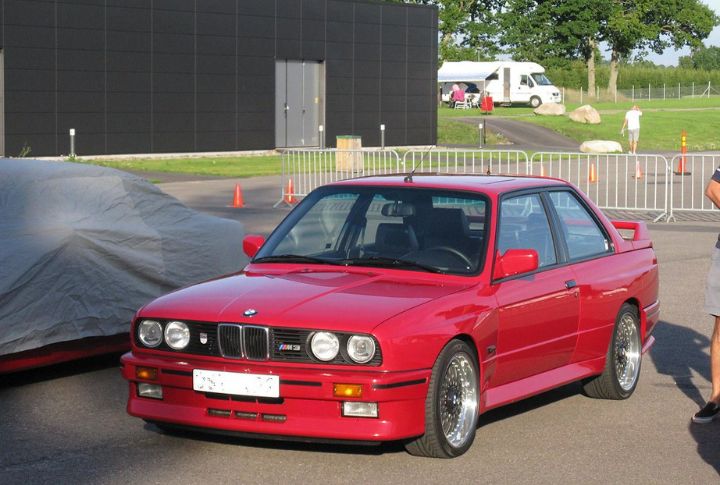
The BMW E30 M3 often surpasses $70,000 for well-maintained models. Still, it is hard to justify this price, considering the car’s high restoration and maintenance cost and relatively poor performance. Its 2.3-liter inline-four engine delivered only 192 horsepower, which pales compared to the capabilities of contemporary sports cars that offer more power, advanced technology, and better handling for a fraction of the price.
Ferrari Mondial (1980–1993)
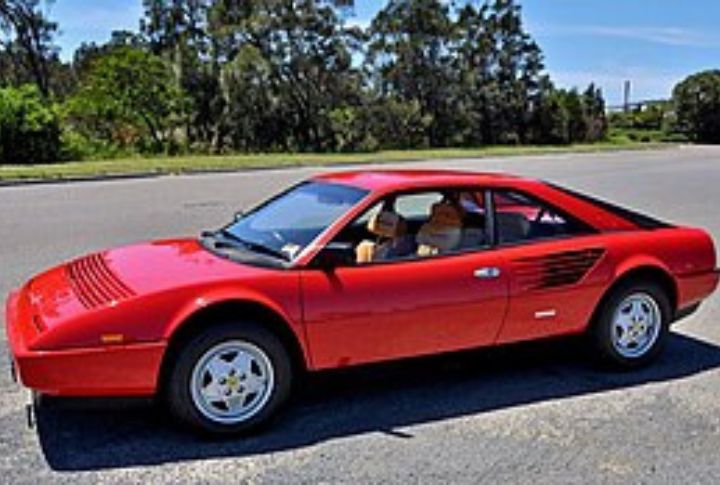
Produced between 1980 and 1993, the Ferrari Mondial is often regarded as one of the less desirable models in Ferrari’s history. Its performance was underwhelming compared to other Ferraris of its generation. The initial models, particularly the 8 and QV versions, suffered from lackluster acceleration and handling due to their relatively low power-to-weight ratios and outdated engineering. The Mondial has problems with the electrical systems, cooling, and engine.
Jaguar XJS V12 (1975–1996)
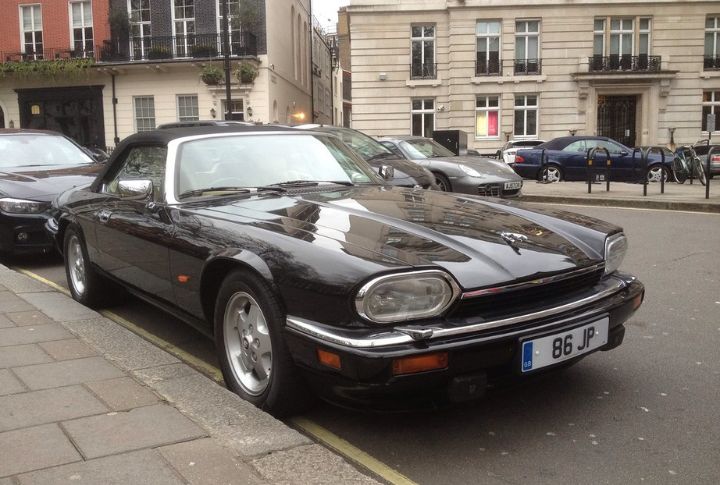
The Jaguar XJS’s V12 engine is complex and difficult to service. This sophistication leads to frequent mechanical issues and requires specialized knowledge and expensive parts to repair. Furthermore, the XJS’s build quality has been questioned, with many owners reporting electrical problems and rust issues. These factors contribute to a high total cost of ownership, making the XJS less appealing as a classic car investment.
Lamborghini Jalpa (1981–1988)
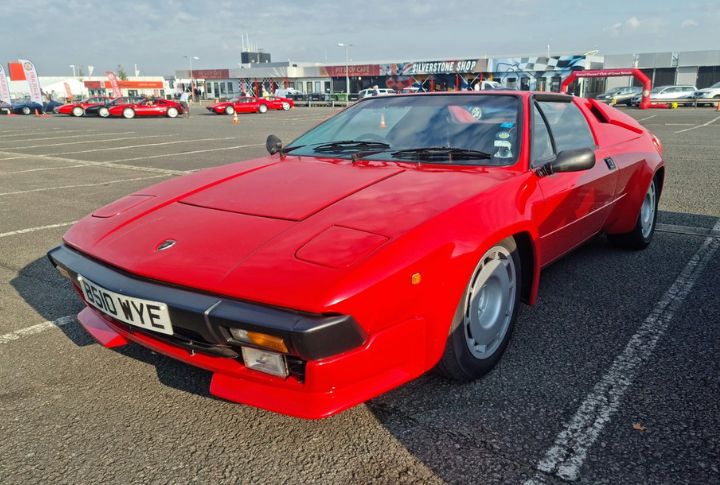
Factors like insufficient performance and inferior build quality attracted complaints about the Lamborghini Jalpa. Though equipped with a powerful 3.5-liter V8 engine and producing about 255 horsepower, it lagged behind iconic models like the Countach. Also, its handling and driving dynamics, though appreciated by some, lack the precision and excitement expected from a Lamborghini. The car’s fit and finish also fall short, leaving many owners dissatisfied.
Maserati Biturbo (1981–1994)
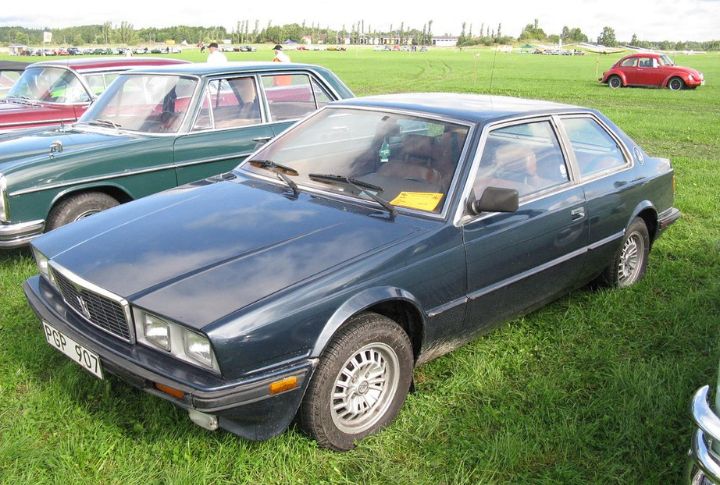
The Maserati Biturbo suffered from numerous mechanical issues and electrical systems. Owners frequently cited engine failures, turbocharger malfunctions, and problematic fuel delivery systems, which required frequent fixing. The electrical components were equally troublesome, with frequent wiring and failures in electronic systems.
Moreover, Biturbo’s design and build quality were not up to mark, according to many. While initially luxurious, the interior quickly showed signs of wear and tear, with materials that did not age well.
Mercedes-Benz 450SL (1973–1980)

Owners of the Mercedes-Benz 450SL frequently encountered issues with the fuel injection system, suspension, and electrical components. The 450SL’s fuel economy is poor by modern standards and an impractical choice for regular use. Its aging V8 engine, while powerful, is inefficient and prone to mechanical problems that can detract from the overall ownership experience. Moreover, the 450SL’s driving dynamics and safety features lag well behind that of contemporary vehicles.
Porsche 944 Turbo (1986–1991)
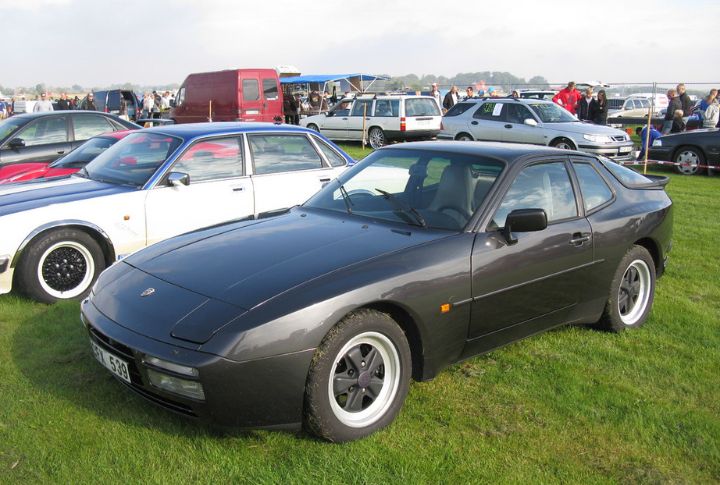
The Porsche 944 Turbo was notorious for complex mechanical systems requiring specialized knowledge and repair tools. In terms of performance, the Turbo may have fallen short compared to modern sports cars in its price range. Though it was once considered ahead of its time, advancements in automotive engineering have surpassed its capabilities.
Renault Avantine (2001–2003)
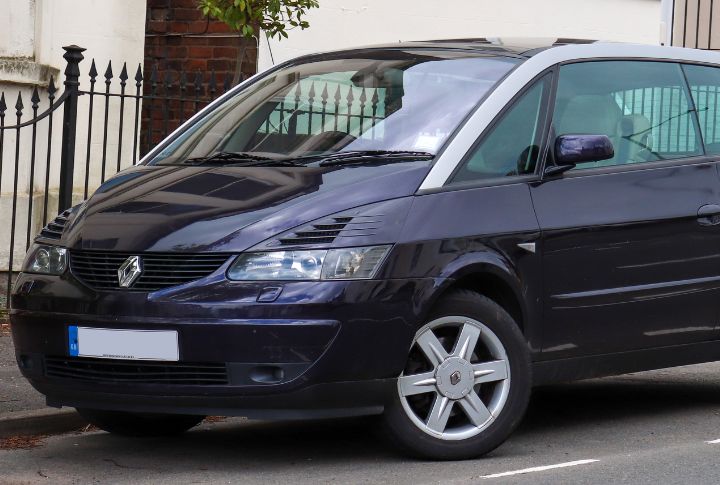
The Renault Avantime’s unconventional but eye-catching styling is often polarizing and may not age well. Due to its limited production run, spare parts and maintenance could become increasingly challenging and expensive as time goes on. Several owners have complained about issues related to Renault’s engineering and electronics. Coupled with its relatively high price tag, the Renault Avantime may not offer the same value proposition as its competitors.
Renault Fuego (1980–1986)
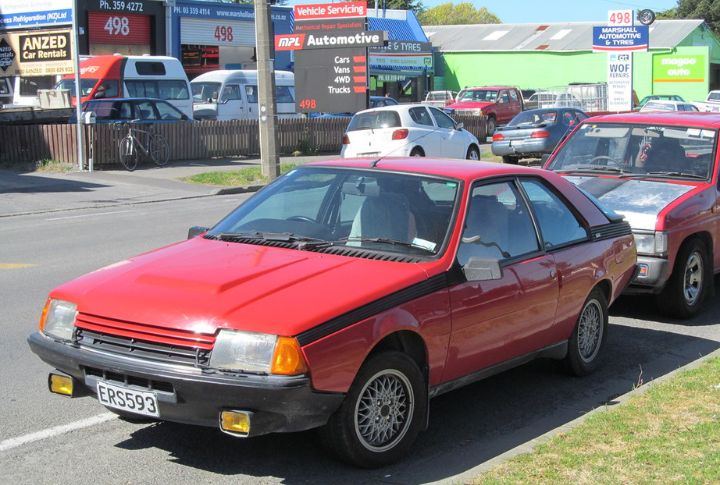
While the Renault Fuego may hold some nostalgic appeal for its unique design and status as a classic European car, it is generally considered not worth the investment. This is because of electrical system failures and problematic turbochargers in the Turbo models.
Furthermore, the Fuego’s handling, acceleration, and overall driving dynamics are subpar by modern standards. While innovative in its era, the car’s design and engineering could constitute a problem for modern owners.
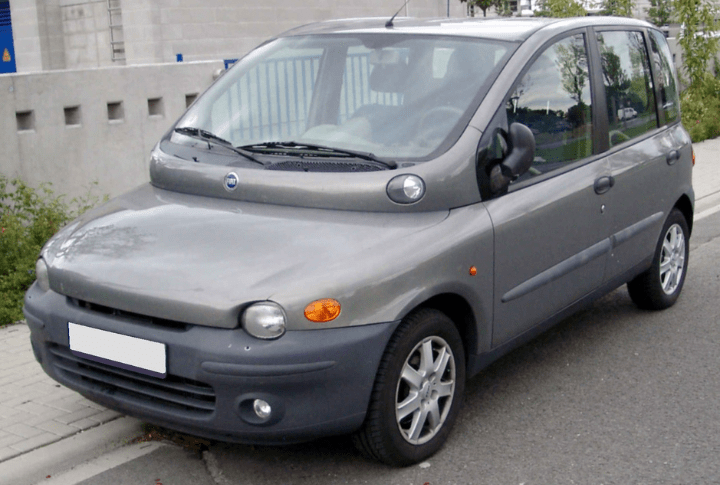
Fiat Multipla (1998–2010)
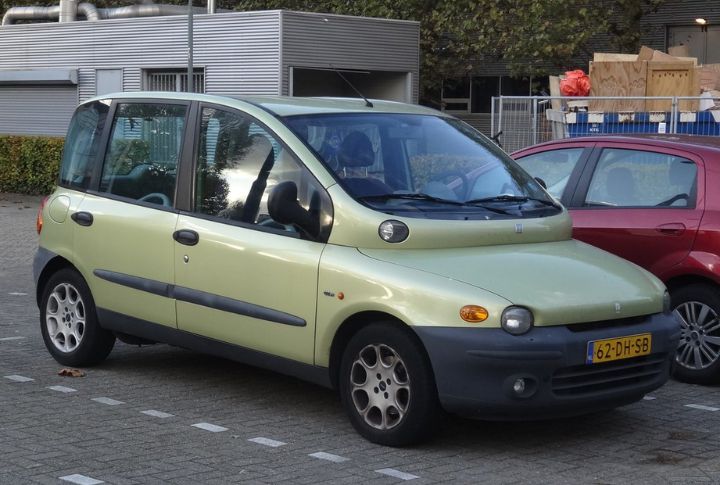
The Fiat Multipla mesmerized the world with its unique and polarizing design. Still, its numerous practical shortcomings left a sour taste in a few mouths. Most critics believe the car’s unusual appearance makes it one of the ugliest in automotive history. Beyond aesthetics, the Multipla suffers from frequent mechanical issues and reliability concerns due to its subpar build quality. Owners also reported problems with the electrical system, suspension, engine, and interior.
Talbot Tagora (1980–1983)
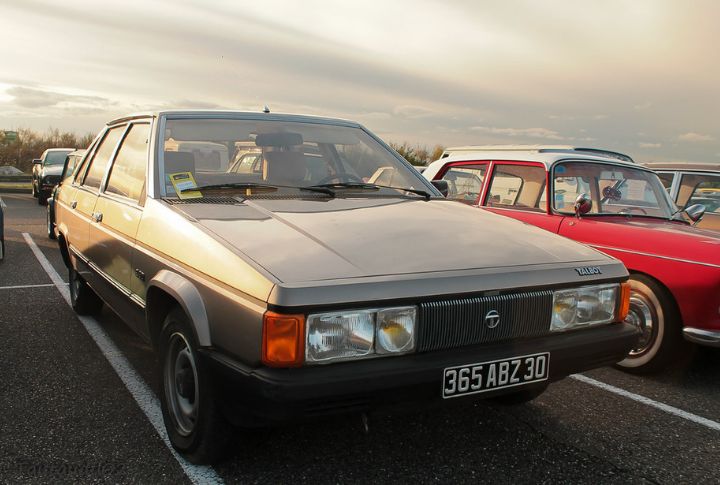
Manufacturers of the Talbot Tagora hoped it would compete with executive cars like the BMW 5 Series and Mercedes-Benz E-Class, but their dreams didn’t materialize. The Tagora’s handling and ride quality were not up to the prevailing taste. Additionally, the car was built on an outdated platform and had a suspension setup that didn’t meet expectations in its class. The engines, while diverse, were generally underpowered and inefficient.
Yugo (1980–2008)
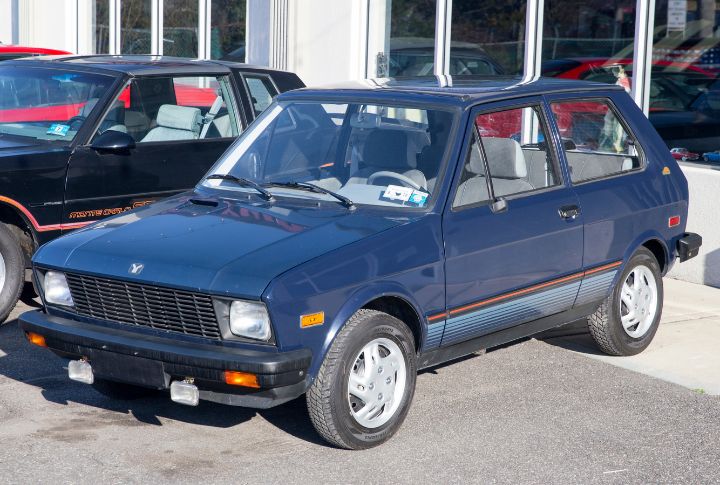
Designed by Yugoslavian automaker Zastava, the Yugo was an affordable, no-frills vehicle for the masses. However, its engineering was hampered by mechanical failures, subpar materials, and a lack of durability. Yugo’s engine was prone to breakdowns, and its rudimentary construction made it susceptible to rust and other forms of wear and tear. Some users also felt the interior was cramped and sparsely equipped, with sparse modern conveniences or safety features.