15 Classic Cars Every Collector Desperately Wants

Classic cars hold a timeless allure, and owning a piece of automotive history isn’t just about transportation; it’s about possessing a vital part of an era. Among the many classic automobiles, certain models stand out for their beauty, cultural impact, and performance pedigree. Here’s a curated list of 15 iconic classic cars every collector dreams of owning, each symbolizing a unique chapter in automotive history.
1957 Chevrolet Bel Air
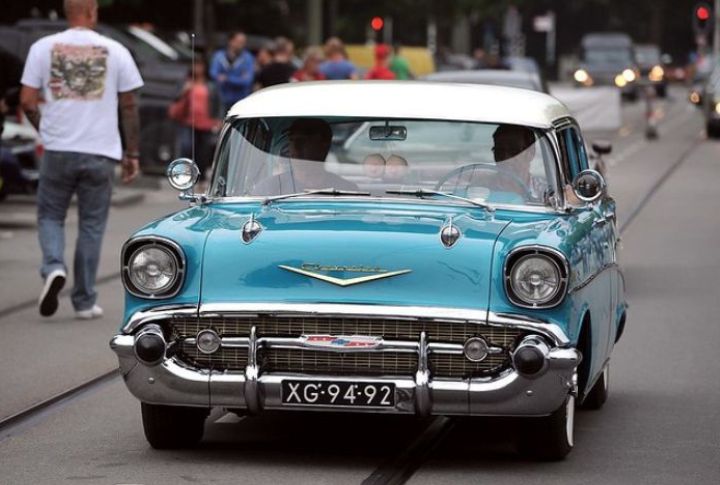
The 1957 Chevrolet Bel Air captures the essence of 1950s Americana. Its distinct and stylish design, characterized by the legendary tail fins, chrome accents, and distinctive front grille, sets it apart from other vehicles of its era. Sleek two-tone paint schemes and the availability of convertible and hardtop models further add to the Bel’s aesthetic appeal. Its interior, adorned with chrome details and luxurious upholstery, offers comfort and retro charm.
1965 Ford Mustang
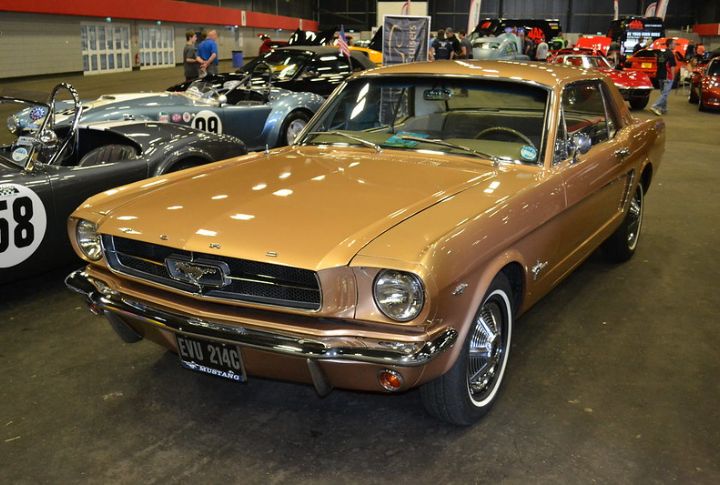
Initially introduced at the New York World’s Fair in 1964, the 1965 Ford Mustang appealed to many people with its shiny body, sporty proportions, and accessible price tag. Available in coupe and convertible variants, it had several potent engine options, like the base 6-cylinder engines and the iconic V8s. Its styling was revolutionary for its time, blending elements of luxury and sportiness, contributing to its enduring appeal.
1961 Jaguar E-Type
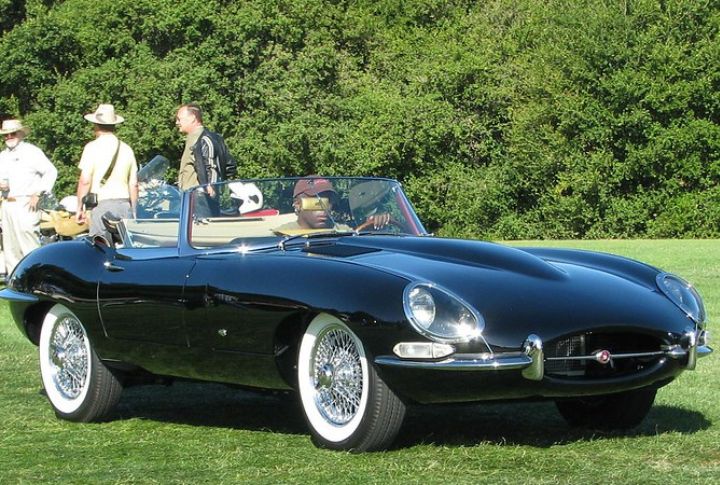
Malcolm Sayer penned the 1961 Jaguar E-Type’s aerodynamic build, which remains striking today. It is characterized by a long hood, flowing lines, and an attractive oval grille. The E-Type’s allure extends beyond its aesthetic appeal; under the hood lies an ample 3.8-liter inline-six engine derived from Jaguar’s successful D-Type race car. Its lightweight construction, independent suspension, and disc brakes all around contribute to exceptional handling and agility.
1955 Mercedes-Benz 300SL Gullwing
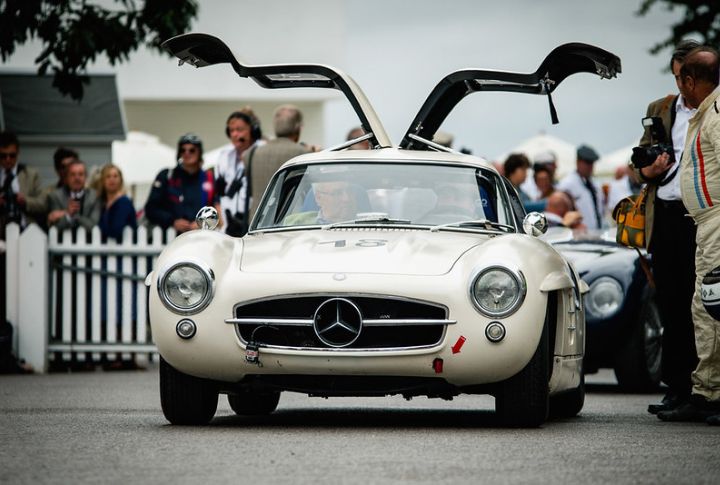
Of all the features of the 1955 Mercedes-Benz 300SL Gullwing, its upward-opening gullwing doors are the most outstanding. Underneath its exterior is a groundbreaking tubular space-frame chassis, a technology derived from Mercedes-Benz’s racing heritage. Additionally, the 300SL was powered by a 3.0-liter inline-six engine equipped with Bosch mechanical direct fuel injection—the world’s first for a production car. This engine delivered 215 horsepower, propelling the 300SL to over 160 mph.
1967 Chevrolet Corvette Stingray
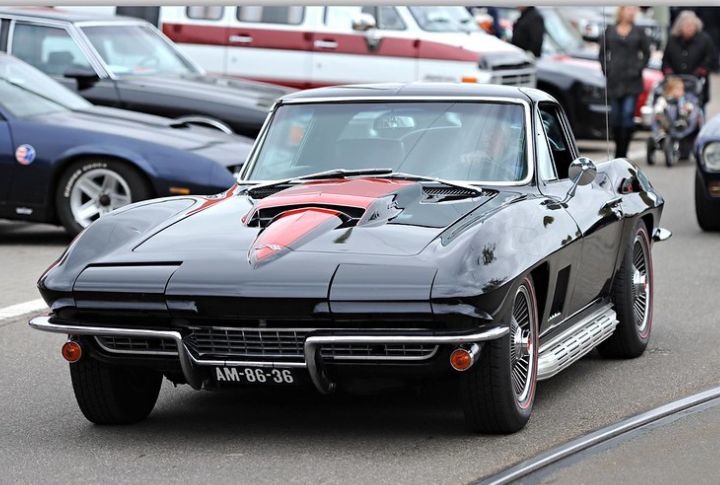
Revered by collectors worldwide for its blend of striking design and impressive performance, the 1967 Chevrolet Corvette had a 427 cubic inch V8 engine available in several configurations. The engine was coupled with various transmissions, including a four-speed manual or three-speed automatic. Furthermore, the Stingray’s interior reflected a commitment to comfort and style, with options for leather seating, wood-grain accents, and various conveniences.
1969 Dodge Charger R/T
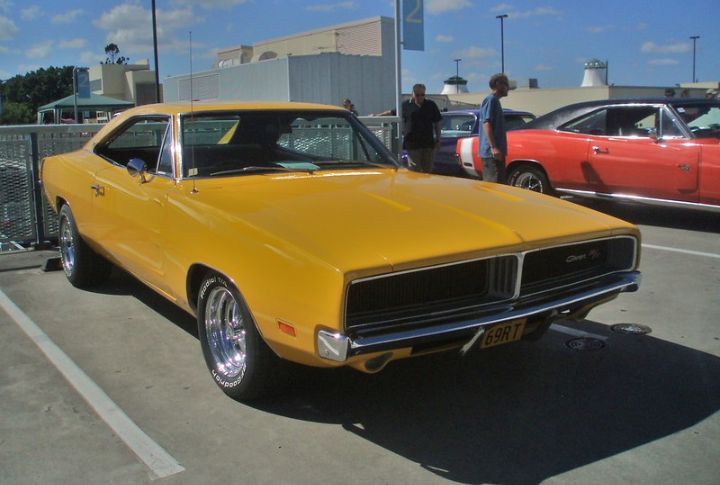
The 1969 Dodge Charger R/T’s muscular structure, highlighted by a long, plush body and distinctive Coke bottle shape, embodies the peak of American muscle car aesthetics. Equipped with different powerful engines, including the legendary 440 Magnum V8 and the fearsome 426 Hemi, the Charger generated about 425 horsepower. An aggressive front grille with hidden headlights and iconic rear taillights gave it an unmistakable presence on the road.
1970 Plymouth Barracuda
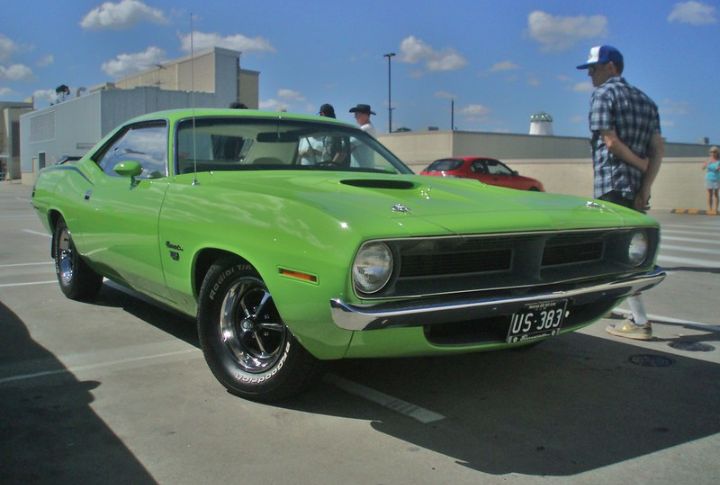
Several qualities, like the aerodynamic fastback profile and aggressive front grille, distinguish the 1970 Plymouth Barracuda as a collector’s dream car. Its powertrain options included V8 engines like the legendary 426 Hemi. Inside, the Barracuda offered a driver-focused cockpit with bucket seats and a sporty instrument panel. Its responsive suspension and chassis dynamics enhanced handling. The rarity of some editions and its historical significance make the Barracuda a prized possession.
1959 Cadillac Eldorado
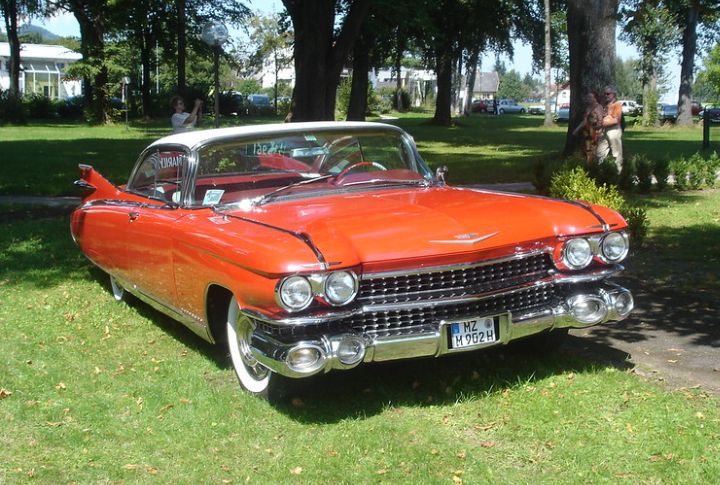
Dramatic tailfins, representing the space-age design ethos of the late 1950s, served as the Cadillac Eldorado’s distinctive aesthetic feature. The Eldorado’s expansive chrome trim, dual bullet-style bumper guards, and prominent grille further demonstrated its imposing presence on the road. Moreover, a capable 390 cubic-inch V8 engine delivered ample power and smooth acceleration. The cabin, featuring leather upholstery, power windows, and a state-of-the-art signal-seeking radio, catered to the tastes of its clientele.
1969 Ford GT40
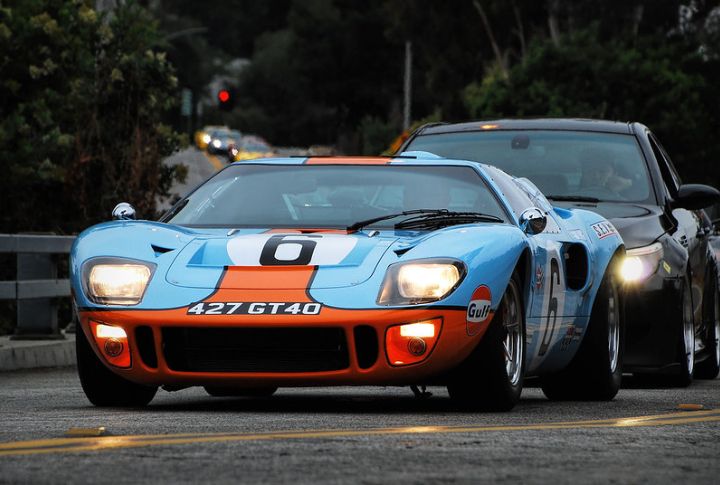
The GT40’s victories at the 24 Hours of Le Mans from 1966 to 1969 solidified its status as an icon of motorsport history. Each iteration, from the Mk I to the Mk IV, showcased Ford’s relentless pursuit of speed. Also, its rarity, with only a limited number produced, enhances desirability. Developed initially to challenge Ferrari’s dominance in racing, the GT40’s sleek aerodynamic body, low profile, and aggressive stance peaked the 1960s automotive style.
1963 Ferrari 250 GTO
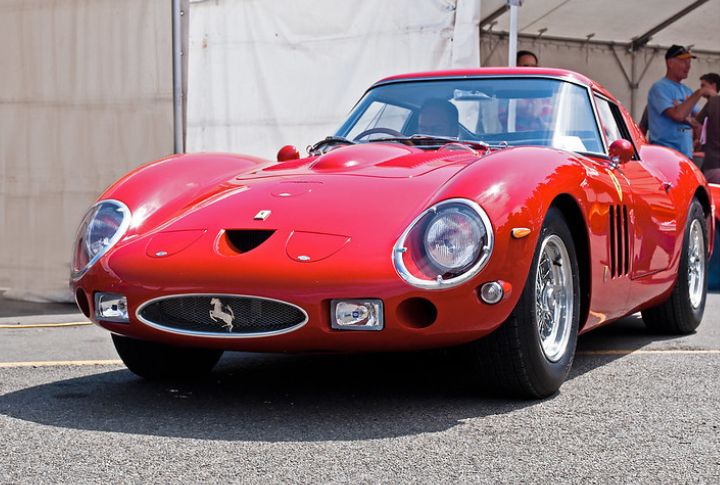
Most collectors consider the 1963 Ferrari 250 GTO the holy grail of the automotive industry. Built for homologation into GT racing, it showcases a fusion of beauty and raw performance. Its sleek, aerodynamic structure, crafted by Sergio Scaglietti, is iconic and blends curves and contours. The 250 GTO is revered for its racing pedigree, having dominated tracks with its 3.0-liter V12 engine and producing around 300 horsepower.
1967 Shelby GT500
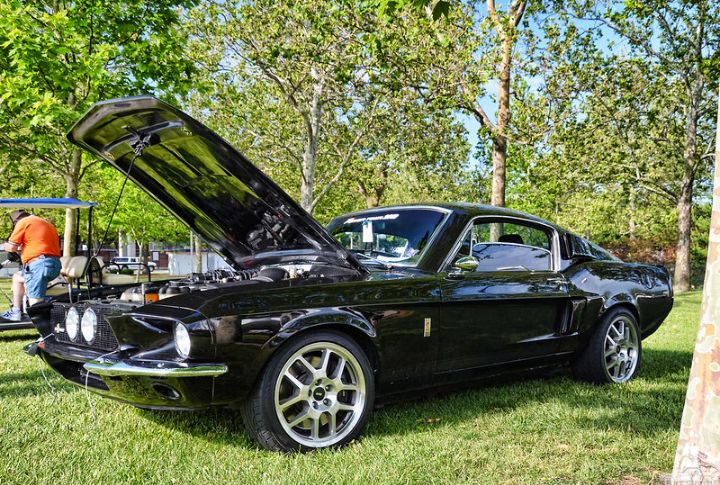
Inside the 1967 Shelby GT500 is a driver-focused cockpit featuring bucket seats, a wood-rimmed steering wheel, and specialized instrumentation. Handling was enhanced with a heavy-duty suspension and power-assisted front disc brakes. Its heart beats with a potent 7.0-liter V8 engine, producing 355 horsepower and 420 lb-ft of torque. Each GT500 was meticulously hand-built, adding to its allure and exclusivity among fans today.
1954 Aston Martin DB2/4
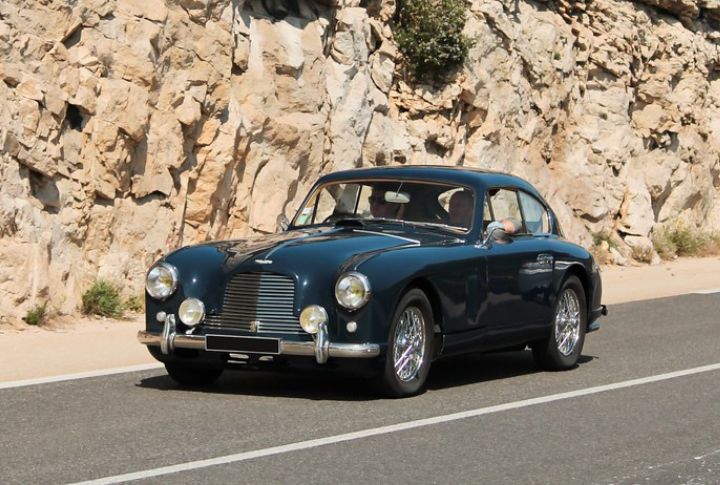
The 1954 Aston Martin DB2/4, built on Aston Martin’s racing pedigree, takes on the essence of British craftsmanship and engineering. It features a handcrafted aluminum body over a tubular steel chassis with a 2.9-liter inline-six engine. It also offers a luxurious cabin with fine leather upholstery and wood trim. One innovative feature includes the adjustable rear seats that could fold to increase luggage space.
1971 Lamborghini Miura SV
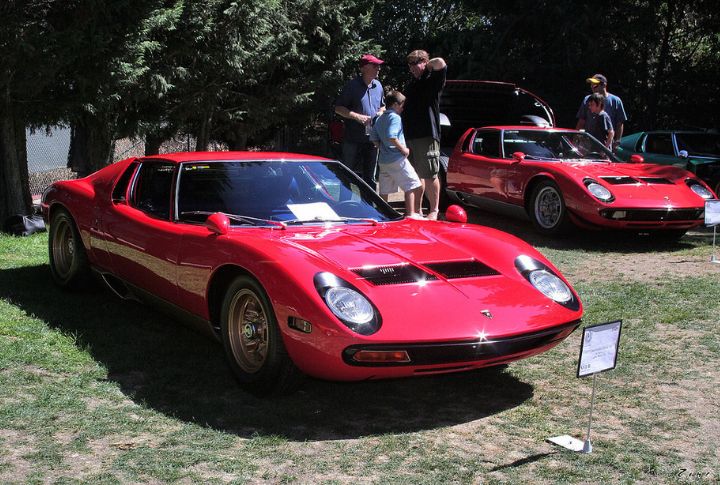
A potent 4.0-liter V12 engine, meticulously tuned to produce 385 horsepower, served as the Lamborghini Miura SV’s powerhouse. As the ultimate iteration of Lamborghini’s pioneering mid-engine sports car, the Miura features a lightweight chassis and aerodynamic styling, allowing it to achieve remarkable speeds and handling. Marcello Gandini’s visionary styling, characterized by its low, sleek profile and dramatic scissor doors, fascinates people and inspires future generations of supercars.
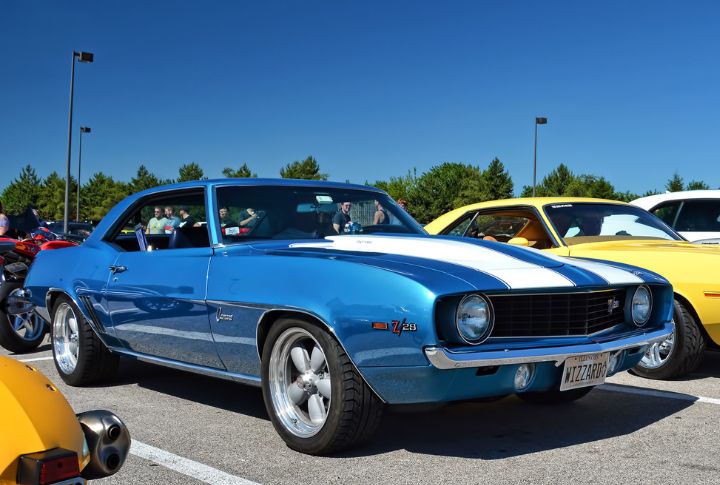
1969 Chevrolet Camaro Z/28
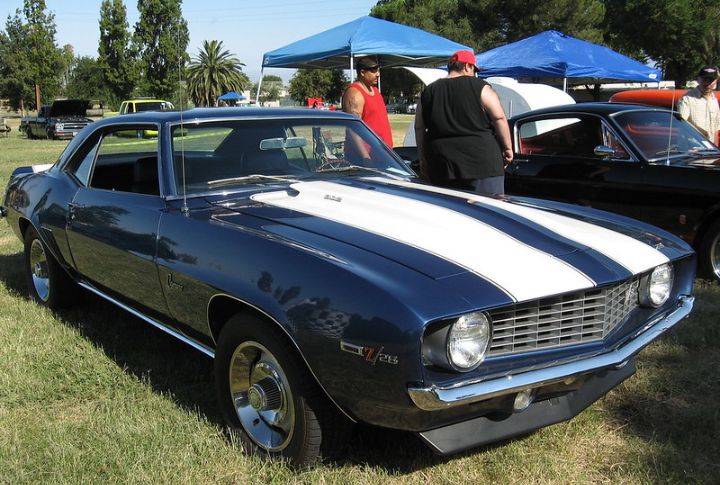
The high-revving 302 cubic-inch V8 engine, purpose-built for Trans-Am racing homologation, delivers around 290 horsepower. This powertrain combination enabled the Z/28 to be exceptionally agile and responsive. Visually, the ’69 Camaro Z/28 has an aggressive stance with unique stripes and badging. A specially tuned suspension featuring heavy-duty components and multi-leaf rear springs ensures precise cornering and stability. The driver-focused cockpit also comes with optional upgrades.
1957 BMW 507
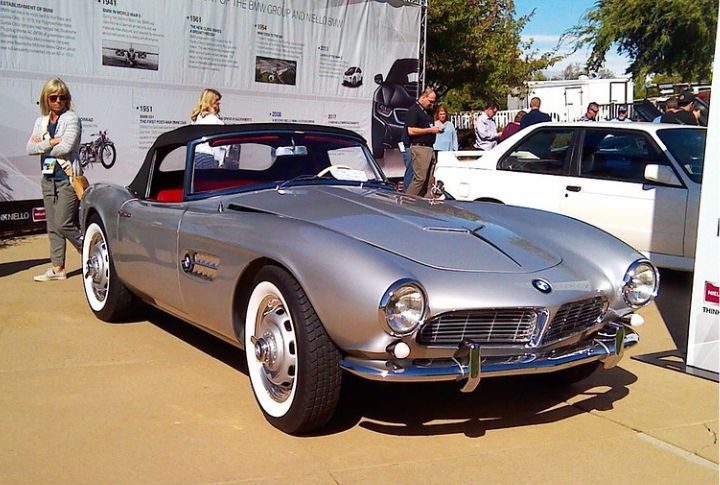
This car, designed by the famous Count Albrecht Graf von Goertz, is powered by a capable 3.2-liter V8 engine offering 150 horsepower. The engine is paired with a smooth-shifting 4-speed manual transmission. Only 252 units were produced, and each was handcrafted with meticulous attention to detail. Celebrities and notable personalities of the time, including Elvis Presley, owned one, adding to the car’s cultural significance.