City-Owned Electric Trucks Become Useless During New England Blizzard
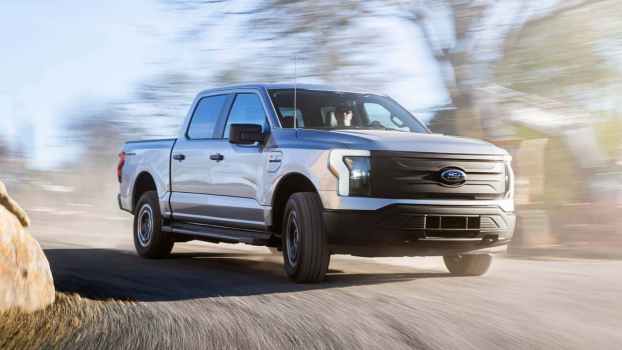
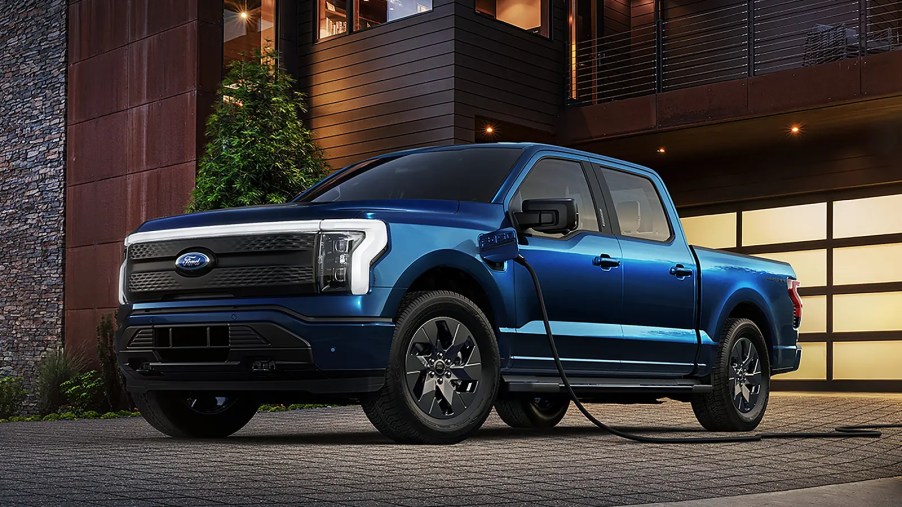
As a record-breaking blizzard blasted New England, city-owned electric trucks provided no help. Diesel and gas trucks were used to clear roads and spread salt as the EVs stayed home. Now taxpayers wonder why their money was spent on Ford F-150 Lightning models.
Electric trucks don’t help New England during blizzard
Residents demand answers about electric trucks that were funded by taxpayer money. While diesel and gas pickups provided relief during a historic blizzard in New England, the EVs just got to sit pretty.
The highway department and DPW crews relied on other city-owned vehicles to plow roads and spread salt and sand. Plus, since being provided to federal and local governments at a massive discount, the Ford F-150 Lightning has been discontinued.
Highway departments and police forces initially flocked to the Lightning to put the efficient vehicles to work. But other trucks available at the same price are better suited for work.
According to Torque News, the F-150 Lightning isn’t designed for plowing. The front fascia can’t accommodate a plow, and the electrical system can’t handle the extra load. But no electric trucks are designed for plowing.
The Town Administrator for the town that owns the trucks shares that they are “used by engineering staff and DPW admin for site visits and transportation within town and to regional meetings.”
Reportedly, it’s more cost-effective for people to use these EVs as it reduces fuel costs and the wear and tear of heavy-duty options. A maximum charge gets close to 190 to 200 miles of range in the winter and 240 miles in the summer.
But this displays another issue. The trucks are unable to hold as much of a charge during the colder months.