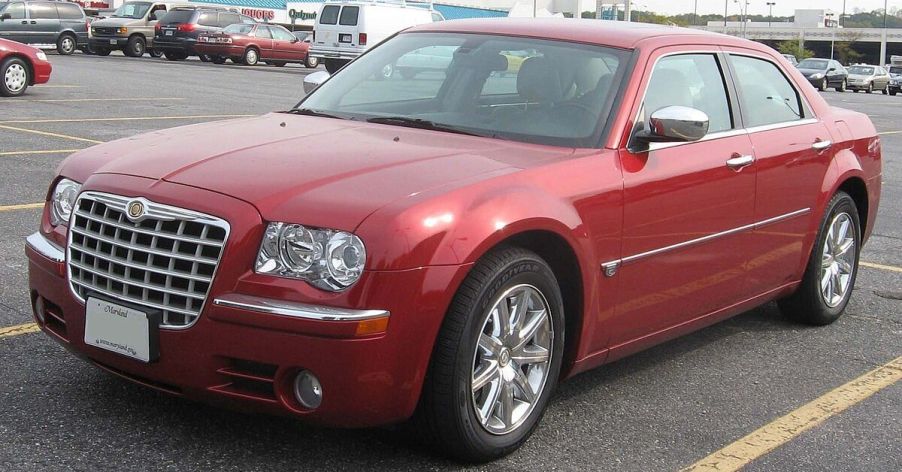
Chrysler May Be On Its Way Out And Here’s Why
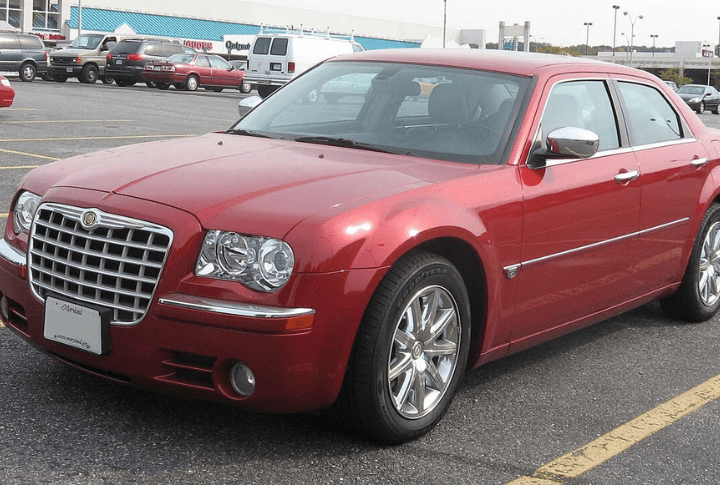
Chrysler helped define American auto culture, but these days, its future looks shaky. With only a handful of models, limited innovation, and a history of instability, the brand may not survive the next decade. Here are 20 reasons Chrysler could be headed for the exit.
Reliability Is Still Hit-Or-Miss
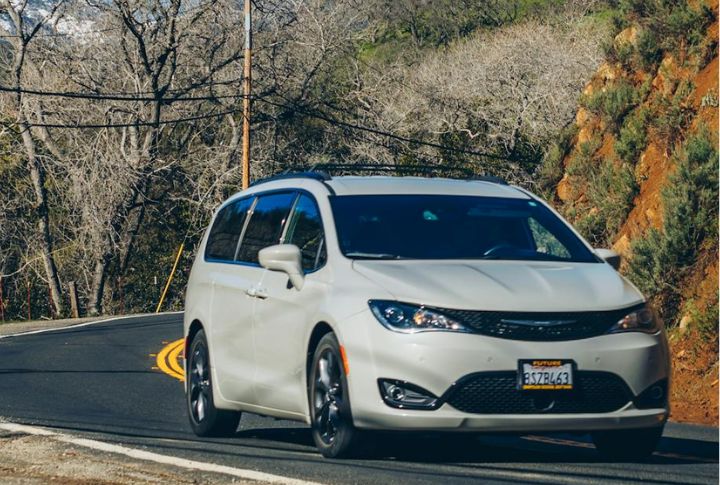
Chrysler’s reputation for reliability is uneven. Some models, like the Pacifica Hybrid, perform well, but older vehicles were plagued by issues, especially the 200 and Sebring. That history continues to hurt trust in the brand by making potential buyers hesitant, which contributes to Chrysler’s declining share in a fiercely competitive market.
Maintenance Costs Aren’t Low
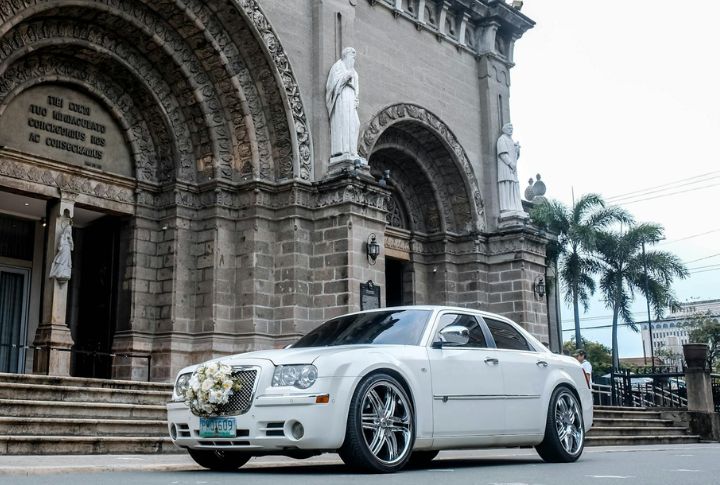
While not outrageous, Chrysler’s maintenance expenses run higher than those of many Japanese rivals. The Chrysler 300 and Pacifica don’t break the bank, but they aren’t cheap to keep in shape, either. Over time, even moderate repair bills can chip away at ownership satisfaction, especially for budget-conscious families and first-time buyers.
Resale Values Fall Fast

Chrysler vehicles tend to shed value quickly. That hits especially hard when it’s time to trade in or sell. Even well-maintained models like the 300 often depreciate faster than their class competitors. Fast depreciation doesn’t just hurt current owners—it discourages new buyers who want to make a sound investment.
Weak Brand Loyalty
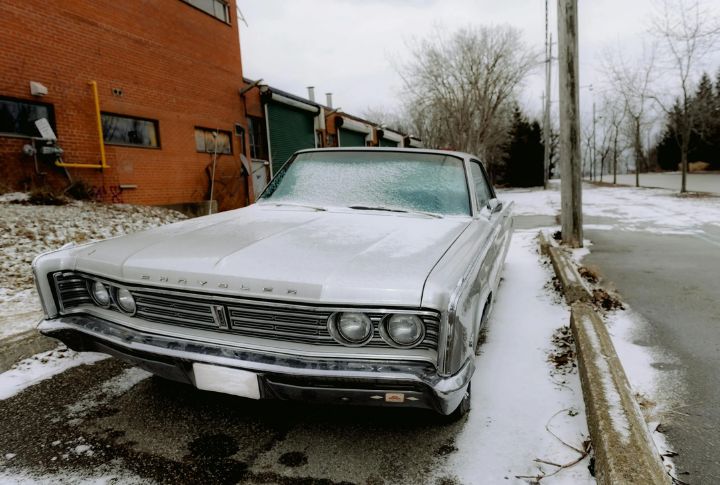
Unlike Jeep or Dodge, Chrysler hasn’t built much of a fan base. Such soft demand leaves Chrysler vulnerable in today’s market, where brand identity and community help drive long-term survival. The Pacifica has loyal minivan shoppers, but the brand as a whole lacks widespread devotion.
Electrical Issues Still Linger
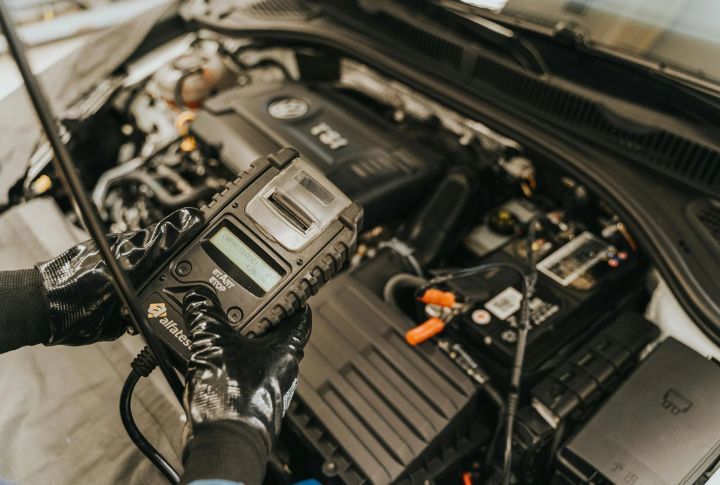
A history with electrical gremlins continues to haunt the brand. Pacifica Hybrid owners have reported early battery drain and infotainment bugs, while older models struggled with persistent system failures. These problems are more than a nuisance—they make buyers question whether the brand is keeping up with basic reliability standards.
Transmission Issues Don’t Inspire Confidence
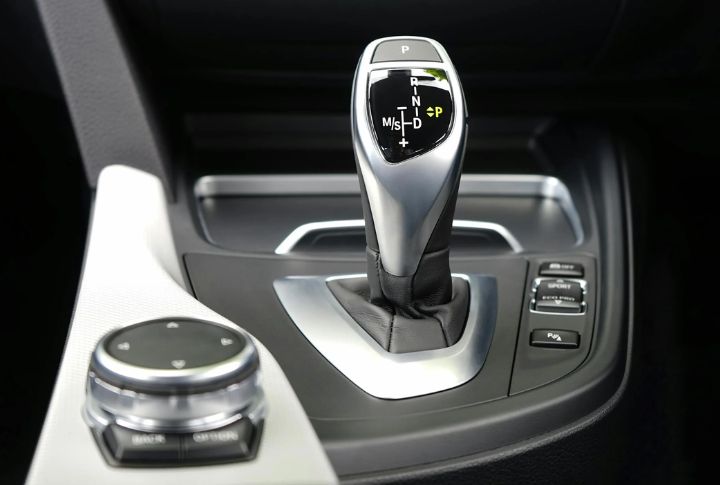
Chrysler’s 9-speed automatic caused problems in early production years, with drivers reporting rough shifts and delayed response. Although newer versions are more refined, the damage to perception was done. Mechanical concerns like these push reliability-conscious shoppers toward brands with smoother, more consistent transmission options.
Fuel Economy Is A Mixed Bag
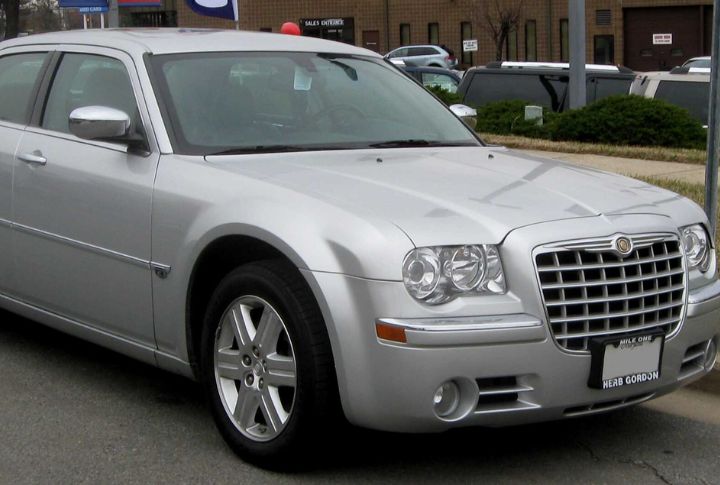
In terms of fuel efficiency, Chrysler doesn’t lead. With fuel costs fluctuating and buyers increasingly seeking efficient choices, this inconsistency weakens Chrysler’s position in a market that rewards better performance at the pump. The Pacifica Hybrid may offer excellent mileage, but gas-only versions and the Chrysler 300 fall behind.
Infotainment Strength May Not Be Convincing Enough
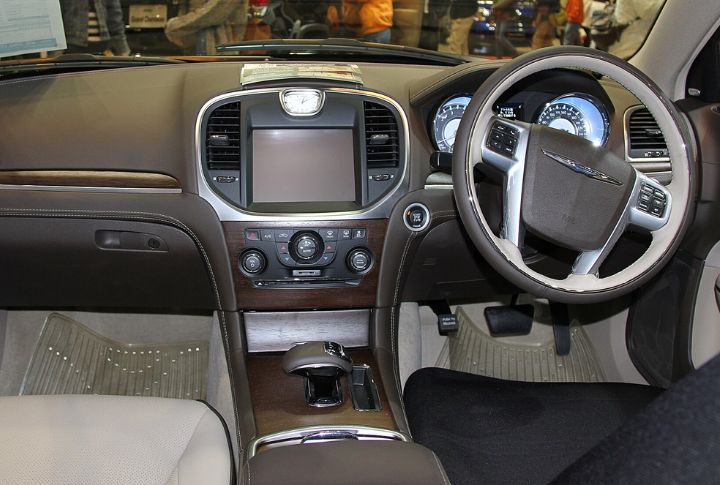
Chrysler once lagged in tech, but its Uconnect system has matured into one of the best in the industry. However, the outdated reputation persists, even though Uconnect 5 delivers quick response and modern features. Overcoming that past image remains a challenge the brand hasn’t fully shaken.
Dealership Presence Feels Sparse
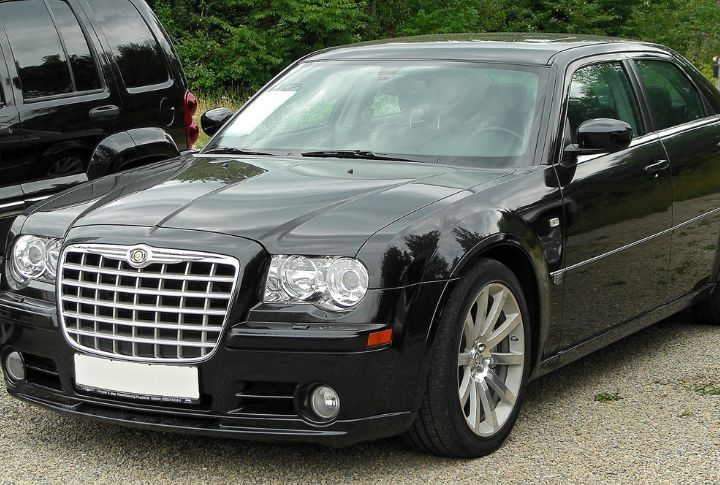
Bundled with Dodge, Jeep, and Ram under Stellantis, Chrysler rarely stands alone on dealer lots. While service isn’t hard to find, brand visibility is. A lack of standalone dealerships makes Chrysler feel like an afterthought, which limits its ability to command attention and build a distinct identity.
Insurance Isn’t Always A Bargain

Some Chrysler models carry higher premiums, especially performance-oriented trims or larger vans. Insurance costs aren’t outrageous, but they can outpace competitors like Honda or Toyota. With rising costs, shoppers are more cautious, and even slightly higher insurance quotes can steer them toward other options.
Safety Ratings Have Been Inconsistent
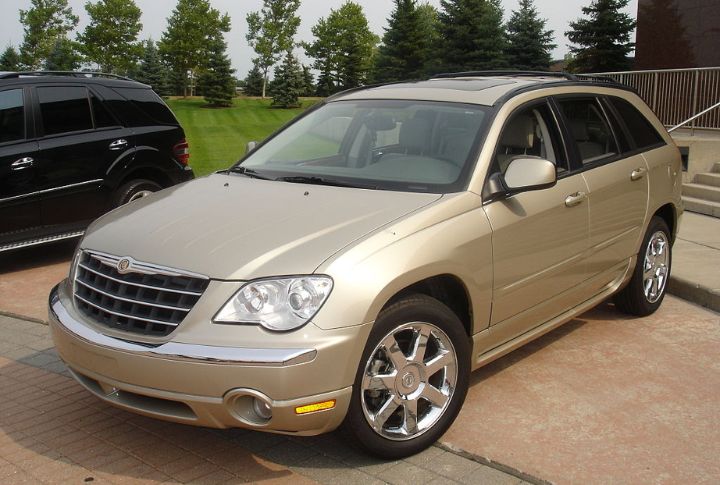
Chrysler’s safety record has improved, but older models like the 200 struggled in crash tests. In a market that increasingly prioritizes safety, any lingering doubt could continue to hurt Chrysler’s appeal. The Pacifica and newer 300s now score well, but the brand hasn’t fully escaped past perceptions.
Few Powertrain Options
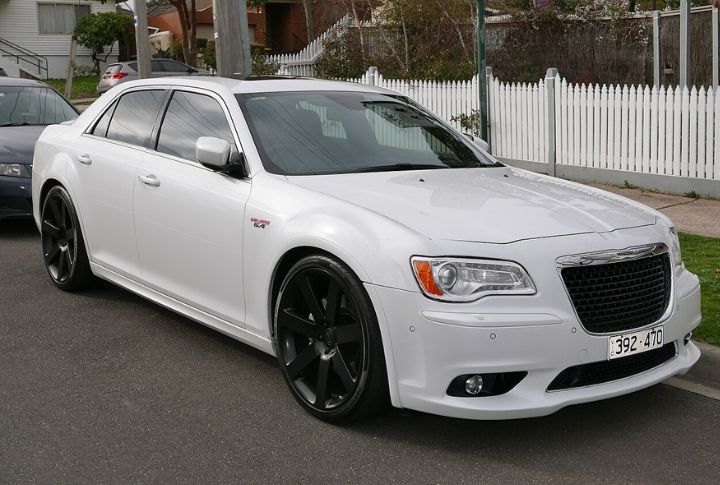
The brand’s lineup is small, and engine choices are limited. Beyond the 300 offering a V6 or V8, and the Pacifica has gas and hybrid variants, there’s little variety. In contrast, other brands cater to drivers seeking turbocharged options, all-wheel drive, or plug-in versatility.
A History Of Financial Trouble

Chrysler’s past includes two bankruptcies and several mergers. Now, under Stellantis, it has stronger backing, but skepticism lingers. Buyers may worry about long-term parts availability and the brand’s viability if corporate priorities shift. That uncertainty doesn’t help a company already fighting for relevance.
Recalls Keep Stacking Up
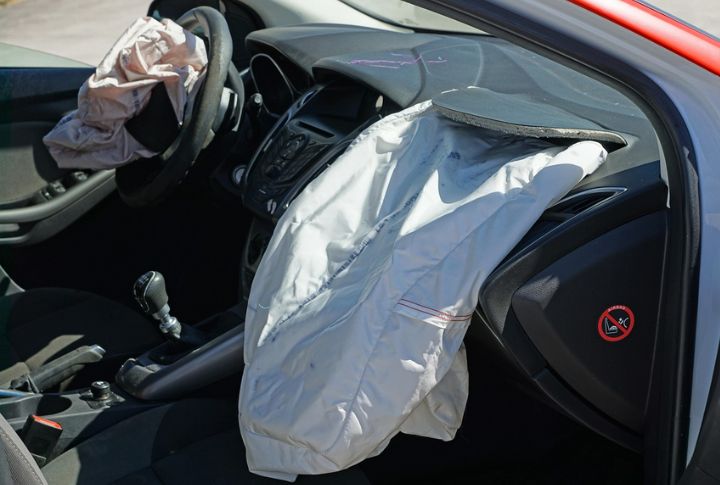
From faulty airbags to fire risks, Chrysler vehicles have faced more than their share of recalls. While many automakers deal with recalls, Chrysler’s frequency stands out. Even when issues are fixed quickly, repeated alerts make buyers uneasy and reinforce concerns about manufacturing consistency and long-term dependability.
Designs Don’t Excite
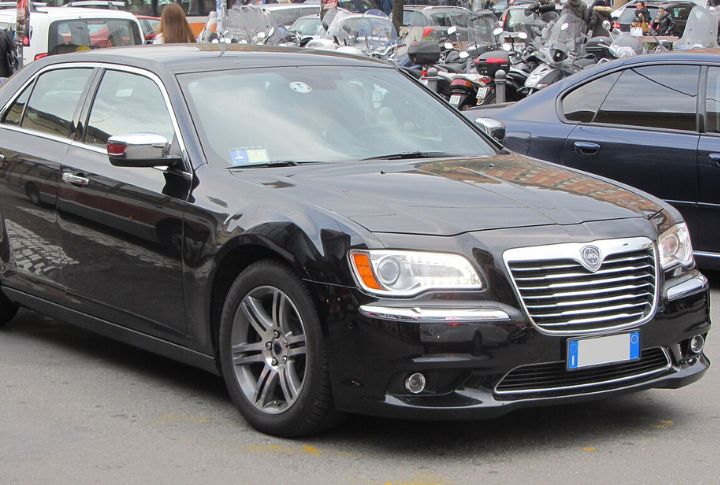
Chrysler plays it safe with styling. The 300’s look hasn’t evolved much in years, and the Pacifica, while clean, isn’t turning heads. When other brands are pushing bold design language and futuristic details, Chrysler feels stuck. Design alone won’t save a brand, but uninspired styling doesn’t help win over new buyers.
Steering Feels Vary Too Much
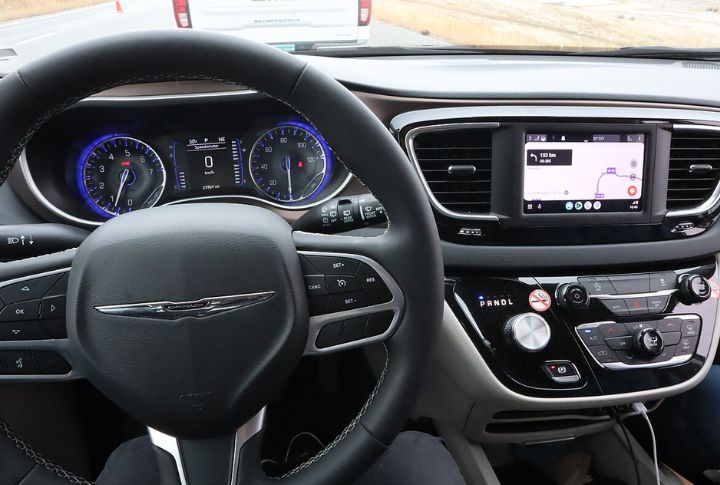
The Chrysler 300 can feel too light, while some Pacificas need more effort than expected. Driving dynamics vary widely between models. Inconsistent feedback hurts confidence and makes it harder for the brand to compete with vehicles that consistently deliver smooth, predictable driving experiences across the lineup.
Cabin Quality Falls Behind
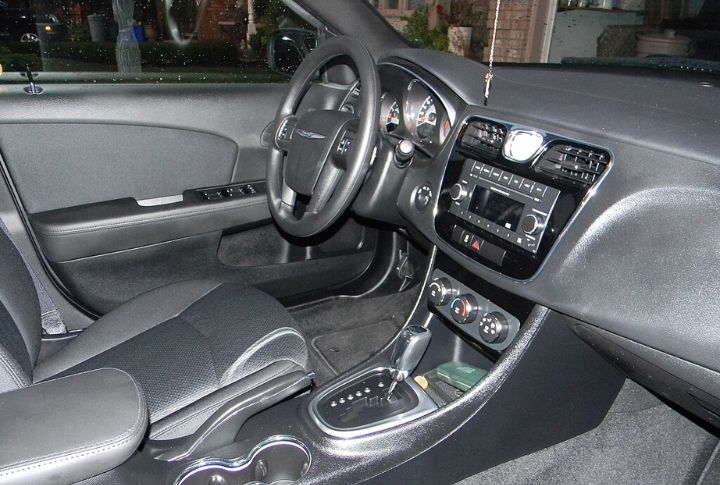
Entry-level trims feature basic fabrics and minimal visual flair. While higher trims offer soft-touch upgrades, Chrysler interiors often lag behind comparably priced rivals in perceived quality. For a brand with luxury aspirations in models like the 300, that gap is noticeable—and a turnoff for detail-conscious buyers.
Handling Isn’t A Strong Suit
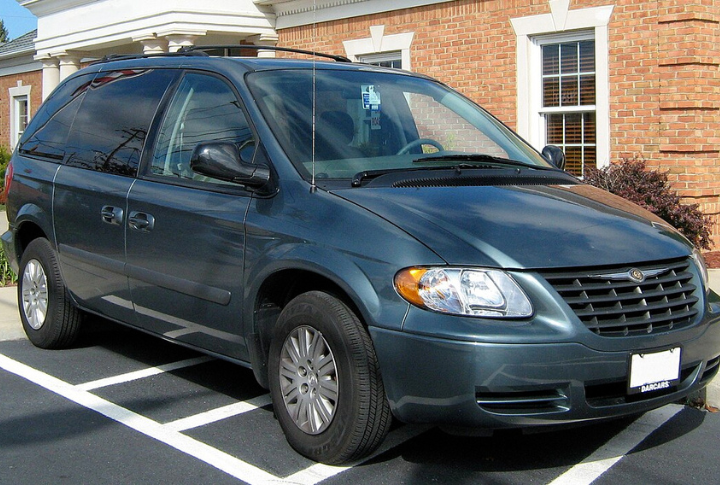
Drivers looking for agility or refined dynamics often find Chrysler’s larger offerings underwhelming behind the wheel. Their larger vehicles, particularly older minivans, tend to feel floaty and disconnected. While Pacifica has improved its steering response, it still can’t match the crisp handling of competitors like Honda.
Highway Noise Still A Problem

Cabin noise at high speeds remains an issue. Road and wind sounds often seep through, especially in base trims without acoustic upgrades. It’s not a dealbreaker for everyone, but for long-distance commuters or families taking frequent trips, the lack of a quiet ride can get old fast.
Slow Adoption Of Electric Tech
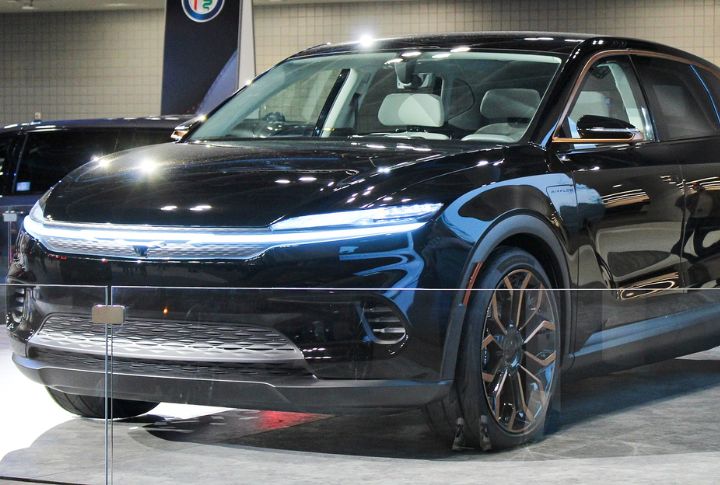
Chrysler has lagged in the race toward electrification. The Pacifica Hybrid was ahead of its time, but for years, it was the only option. A full EV is finally slated for release in 2025—but in an industry moving rapidly, Chrysler’s delay may have already cost it essential market share.