Peek inside China’s ‘dark factories’ churning out 800 EVs every day
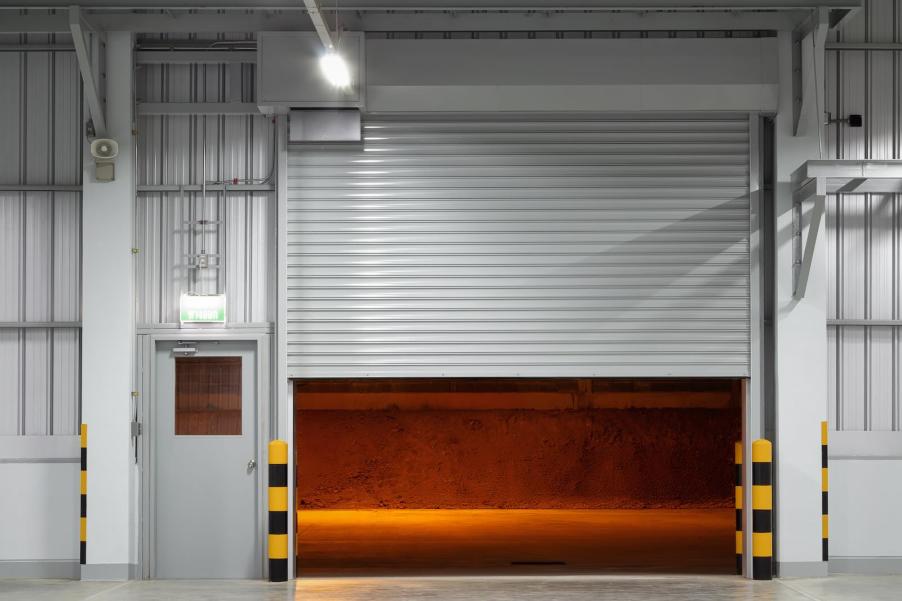
Chinese “dark factories” sound intimidating. And while they certainly have Detroit scared, there’s nothing nefarious about them. The phrase just means a factory fully staffed by robots that can operate with the lights turned off — thus “dark.” True “lights-out” EV factories aren’t yet possible, even in China. But they’re close.
Inside a dark EV factory in China
Automotive metalworking is relatively easy to automate. Zeekr is a luxury automaker founded in 2021. Zhao Chunlin, Zeekr vice president, explains, “In our welding workshop, there are more than 800 robots working simultaneously. Here, we can achieve almost complete lights‑out production.”
The Wall Street Journal counters that not every part of Zeekr’s “dark” factory is automated. “Some tasks still require a human touch, such as the meticulous assembly of the cables that run throughout the car.” And, of course, human technicians tend to the robots. “Workers also go into the factories to perform tasks like robot maintenance.”
Zeekr insists it will continue automating, striving for a fully dark factory. Why is it so focused on automation? Its flagship factory makes more than 800 cars a day. Its robot workers don’t need breaks or vacations, so it can easily assemble up to 300,000 cars a year.
The WSJ points out that it took Tesla a decade to reach this production capacity, but Zeekr did it in a few years. It also notes that China’s “levels of robotisation have grown sevenfold since 2015.” You can see the WSJ’s video of the Zeekr factory embedded below:
Detroit needs to catch up
Are these EVs built in nearly dark factories any good? Yes. Ford CEO Jim Farley admits “their cost, their quality of their vehicles is far superior to what I see in the West.”
I have already written about the decades of government investment in the lithium-ion supply chain that allow China to make the world’s cheapest EVs. Add in automated factories producing more EVs for a lower cost, and China’s lead on Detroit will only increase.
Keeping Detroit automakers competitive at home will require blockades and ever-increasing tariffs. Avoiding the necessary innovation will only doom U.S. automakers in foreign markets. The U.S. once led the world in automotive innovation and manufacturing innovation. It can lead again, but only if it decides to.