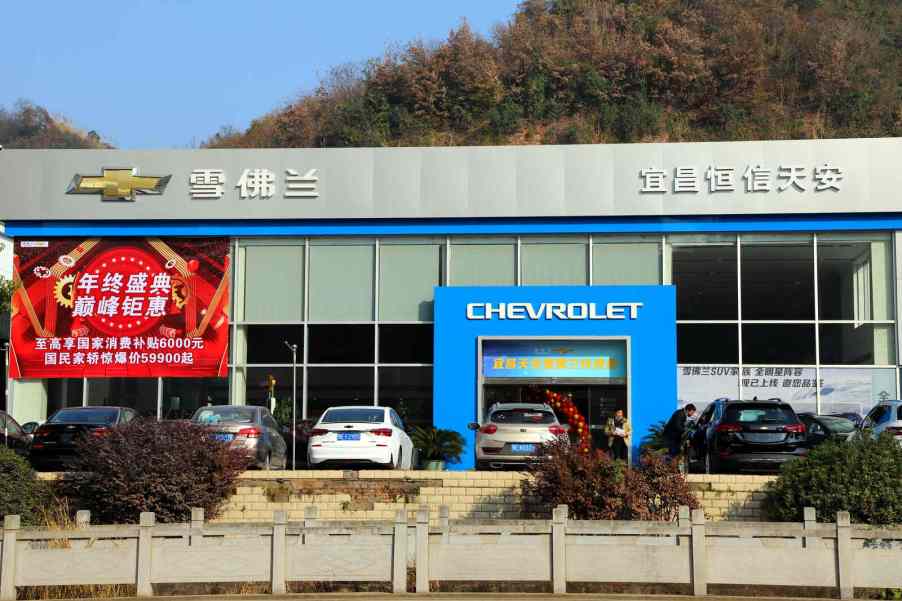
Once a major player with over 640,000 vehicles sold in 2018, the brand has all but vanished from Chinese sales figures in 2025. Only 5,314 new Chevrolet cars were sold there across the first four months of this year. This is a jaw-dropping 75.9% plummet from the same stretch in 2024. And yes, that number is for the whole country.
Most of those sales came from just one model: the Monza sedan. Even that isn’t holding up anymore.
Chevrolet sold 8,796 Monza units in 2024. The Cavalier came next, moving 12,870 units. The Malibu, once a stronger player, sold just 3,217 cars. The Trax, a small SUV, reached 2,630 sales. The Equinox Plus came in close behind with 2,613. The Blazer 48V mild hybrid saw only 872 units sold. Chevrolet’s lone EV, the Menlo, managed just 753 sales, facing a sharp drop from the year before. Overall, none of the models gained serious traction as buyers shifted toward domestic EVs.
The brand’s total sales for 2024 fell to just 52,774 units, a 68.7 percent year-over-year drop from 2023’s 168,588. What’s behind the free fall? One word: electrification.
More than half of all new car sales in China are now plug-in vehicles
China’s transition to EVs has been fast, wide-ranging, and relentless. BYD, now the third-best-selling auto brand globally, has led that charge. Local EV startups like Nio and Li Auto aren’t just surviving—they’re thriving. Chinese buyers want high-tech, electric, and connected vehicles, and they want them now.
Chevrolet, meanwhile, moved like it was stuck in traffic. The company didn’t invest in Chinese-market EVs the way its rivals did. It still relies heavily on internal combustion engine models. And when the entire market is sprinting into an electric future, that’s a quick way to get left behind.
The word on the street is that Chevrolet may be planning to leave the Chinese market altogether
Officially, SAIC-GM’s General Manager says that’s “fake news” and insists the brand isn’t going anywhere, CleanTechnica shared. But insiders have hinted that while they won’t abandon existing customers, they may stop selling new Chevrolets in China. Sounds like splitting hairs.
It’s not just about EVs, either. Chinese consumers now prefer homegrown brands. The prestige that once came with owning a Western car is fading fast. The sleekest, smartest, most innovative vehicles are now rolling off Chinese assembly lines, not Detroit or Stuttgart.
Chevrolet isn’t the only legacy automaker feeling the pressure
Many global brands that once ruled Chinese roads now face dwindling demand. The competition is younger, faster, and better suited to the tech-savvy Chinese buyer.
Unless Chevrolet pulls off a last-minute EV miracle tailored to Chinese tastes, it looks like its days in the world’s largest car market are numbered. For now, it’s hanging on…by what seems like “just barely.”