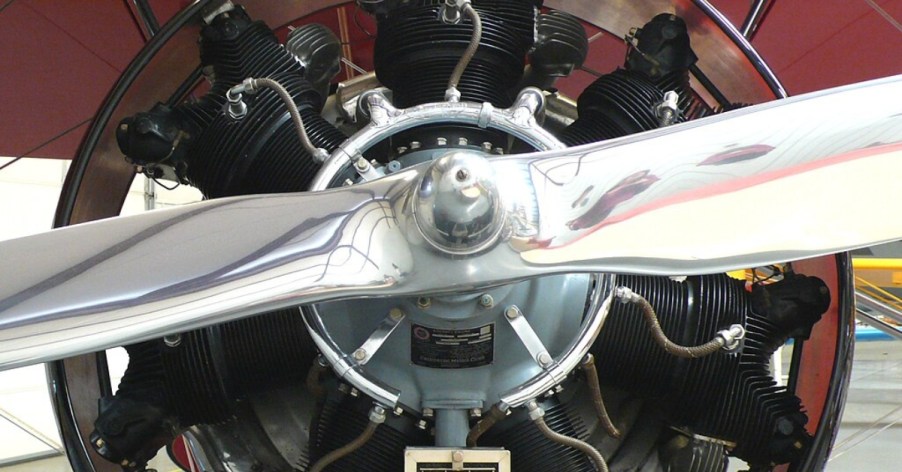
10 Challenges That Sent Radial Engines Into History
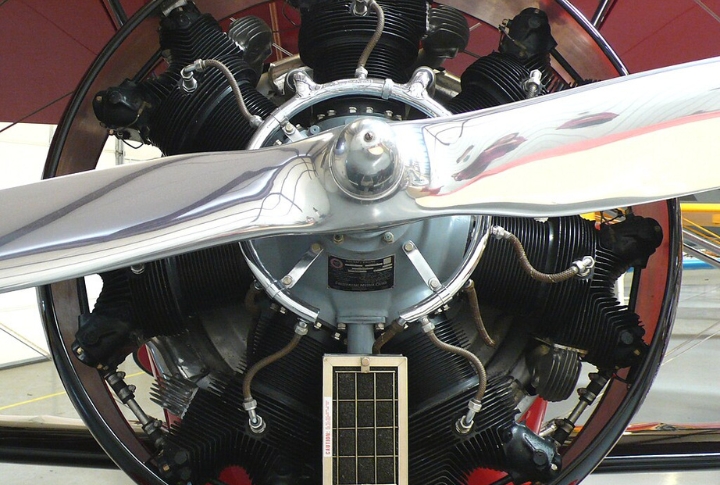
For decades, radial engines powered legendary planes through war and adventure. Beneath that fame lurked problems engineers wrestled to fix. Complex cooling and draggy shapes spelled doom when new engines promised smoother flight. Here are ten challenges that clipped the wings of radials and changed aviation forever.
Oil Leaks Plagued Seals And Bearings
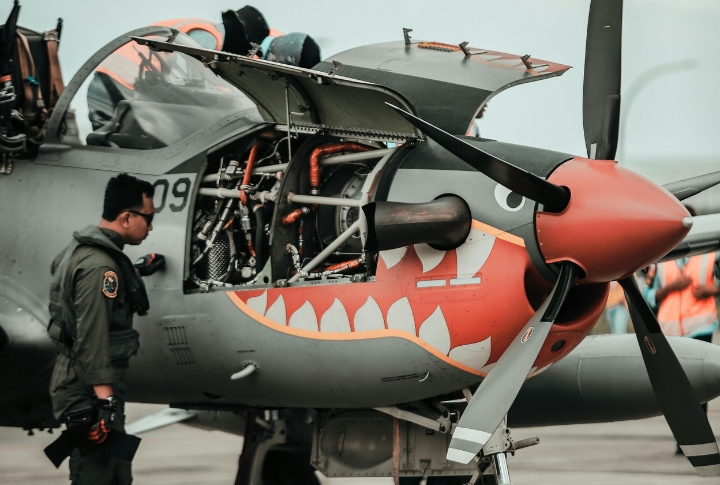
Every takeoff came with a side of oil spray. Gaskets couldn’t contain the heat, so fluid slipped past seals and coated everything in its path. Pilots kept rags in the cockpit just to wipe down windshields. After landing, puddles often trailed beneath the wings.
Cooling Fins Struggled Against Intense Heat
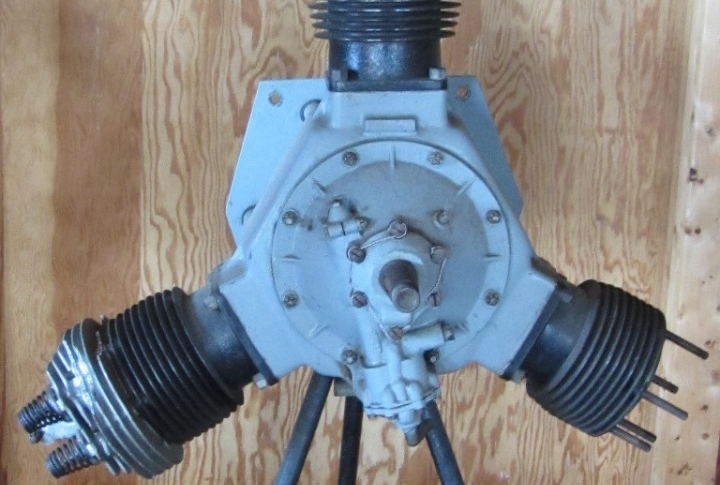
Things heated up quickly, especially on the ground. Cylinders warped when the airflow dropped, and crews rushed in with buckets just to cool them down. Long taxi times caused engines to malfunction, and in hotter zones, mechanics shut everything off between runs to prevent damage.
Pushrod Assemblies Needed Endless Adjustments
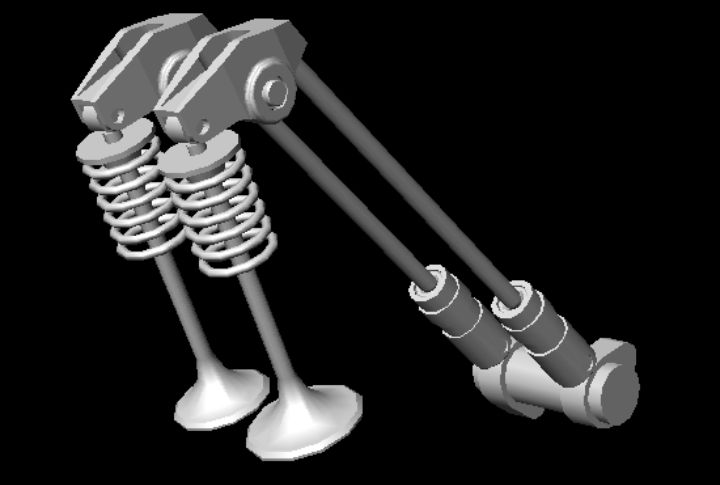
Mechanics didn’t get much rest. Pushrods slipped out of spec, throwing off timing and putting the valves at risk. Between missions, someone was always under the cowling to make adjustments. In fact, one bad rod could wreck a cylinder, and that meant the flight was over before it began.
Draggy Cylinders Slowed Aircraft Down
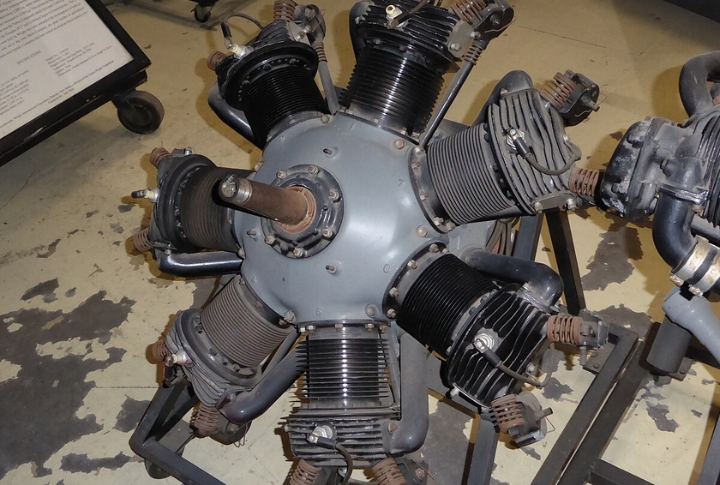
Those cylinders stuck out like open palms in the wind. They caught air, created drag, and cut into cruise range. Designers added cowlings to help, but early versions trapped heat. That started a constant battle: streamline the shape or keep the engine cool enough to survive.
Violent Vibration Shook Planes Apart
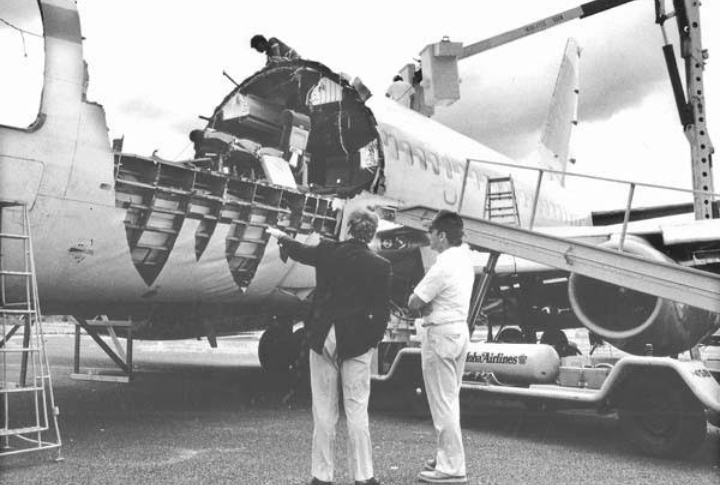
Pilots didn’t just hear the engines; they felt them. With each uneven firing, the whole airframe rattled. The screws came loose mid-mission and the welds cracked. After a sufficient number of hours, inspections revealed hidden damage that no one had seen coming—it wore planes down from the inside.
Fuel Delivery Faltered At High Altitude
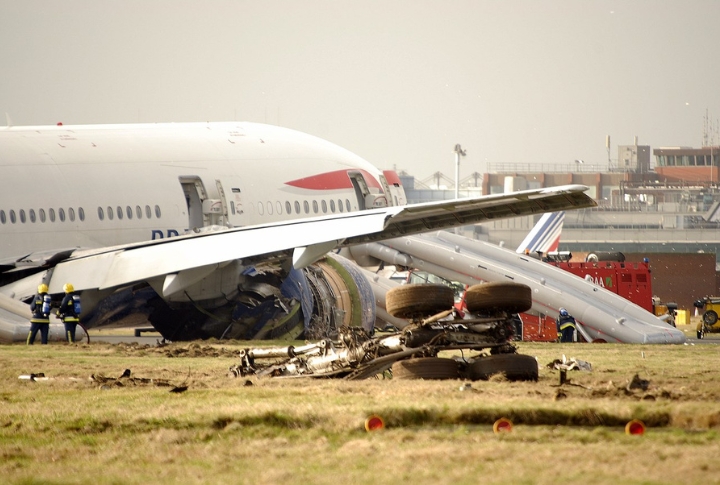
Climbing into thinner air meant the engine often struggled to breathe. Carburetors couldn’t keep up, and pilots had to manually adjust their mixtures to stay airborne. A slight delay in adjustment could lead to sputters, or worse, fuel starvation with no warning over enemy territory.
Weak Superchargers Choked Performance Up High

Altitude took a toll on power output, and early superchargers were unable to compensate. Engines gasped for more air, especially in fighters needing every ounce of thrust. Later, turbochargers improved things, but for many missions, performance simply dropped off as they climbed higher.
Cylinder Head Blowouts Were Frequent Disasters
A single-blown gasket turned deadly fast. Compression vanished, and smoke poured into the cockpit. In some cases, pilots often had to call off the mission or quickly search for somewhere safe to land. Crews dreaded the sudden roar that signaled a head had just let go.
Weight Overload Strained Wings And Gear
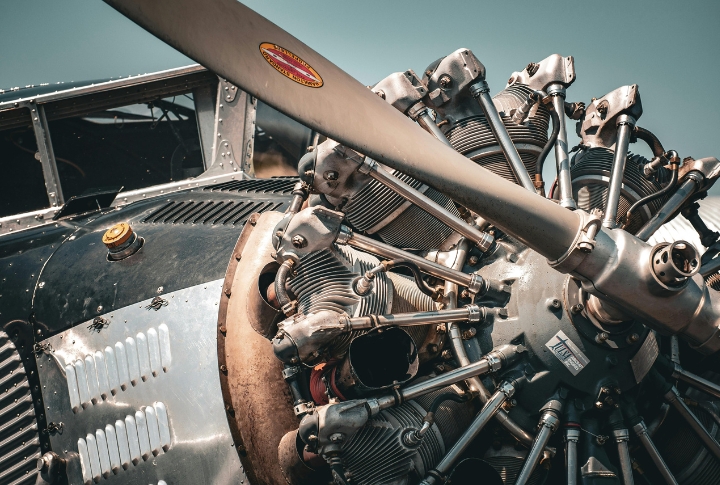
Radials packed with weight, most airframes barely tolerated. The extra structure helped support them, but it also meant carrying more mass. Some aircraft gave up bomb load or fuel just to handle the engine. Landings put so much pressure on the gear that they failed under repeated stress.
Constant Maintenance Drained Time And Money
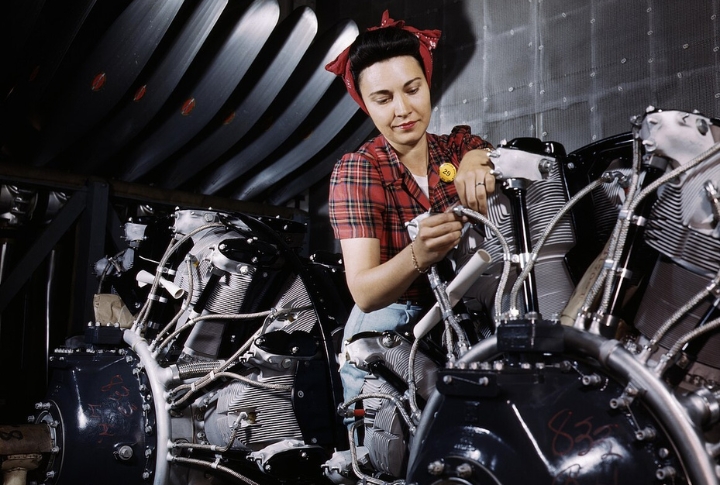
These engines demanded attention around the clock. Mechanics inspected each cylinder by hand, swapping rings, adjusting valves, or replacing entire banks. Hangars filled with parts and spare engines. Swapping out a whole radial was sometimes faster than fixing the one installed.