20 Cars With Poor Blind Spots and Why You Should Care
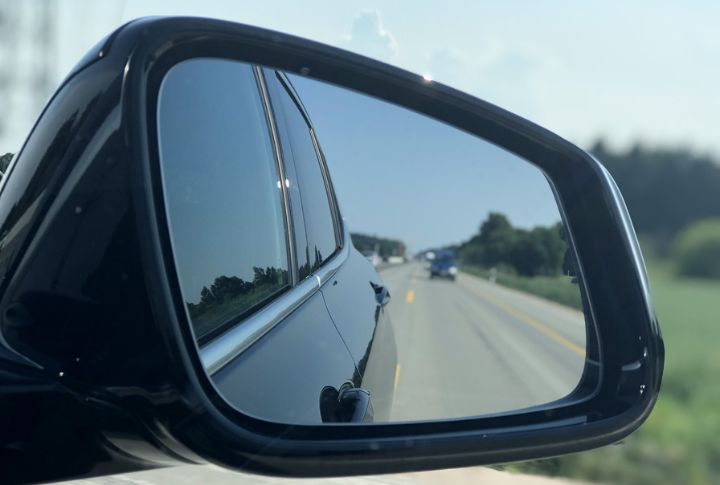
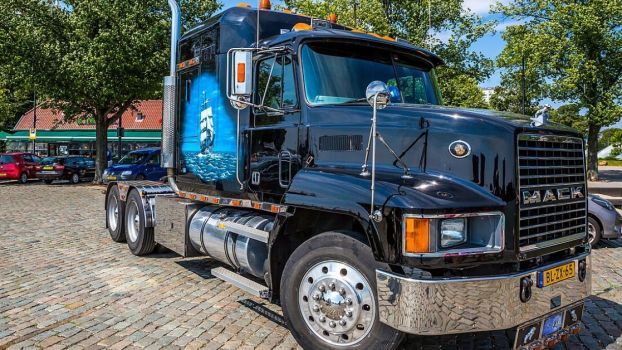
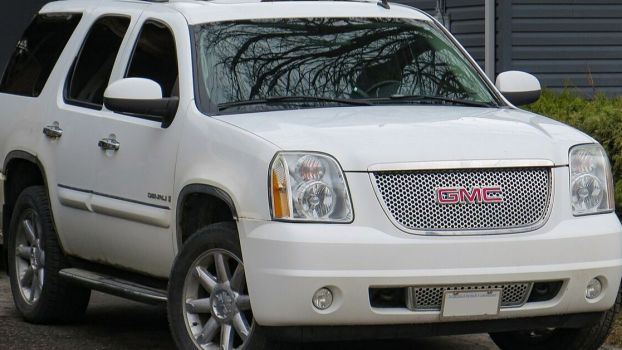
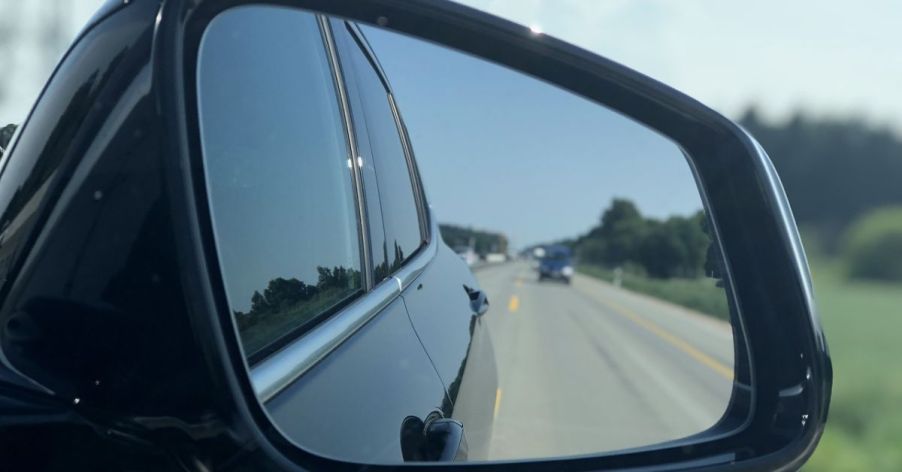
Behind the wheel, your line of sight can mean the difference between a close call and a collision. Some cars, though, make it harder than it should be with tricky blind spots and obstructed views and end up turning everyday driving into a challenge and making it a skill to know which models to watch out for.
Chevrolet Spark
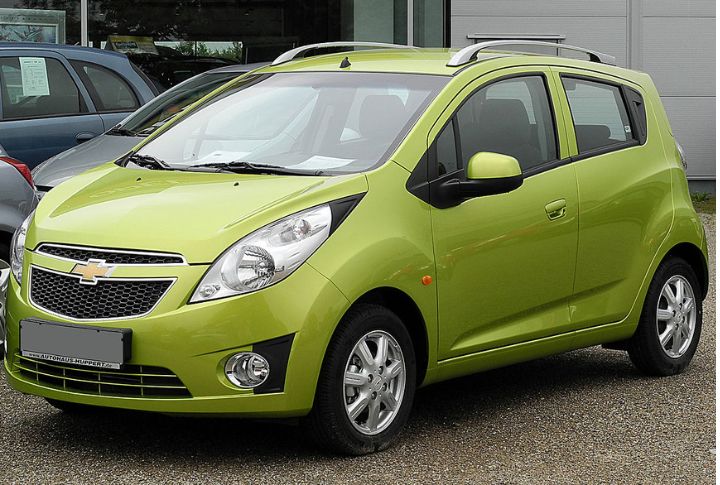
Take a look at the Spark’s side mirrors, and you’ll spot the first red flag. Their undersized design, combined with awkwardly positioned door handles, creates visibility gaps where other vehicles can vanish from view. Despite its city-friendly size, this compact car demands extra vigilance during lane changes.
Buick Encore
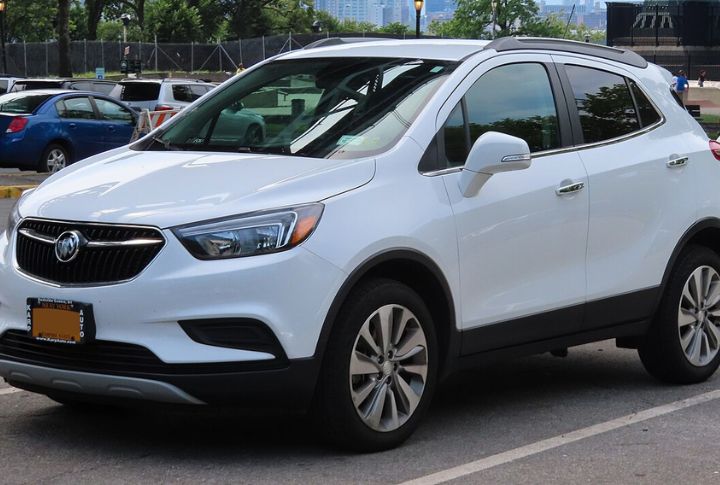
Roof supports and small rear windows create significant blind spots in the Encore, especially when reversing. Rear headrests further block the view, leaving people to rely on sensors and mirrors for guidance. It’s a compact SUV that could benefit from a clearer rear view.
Mazda3
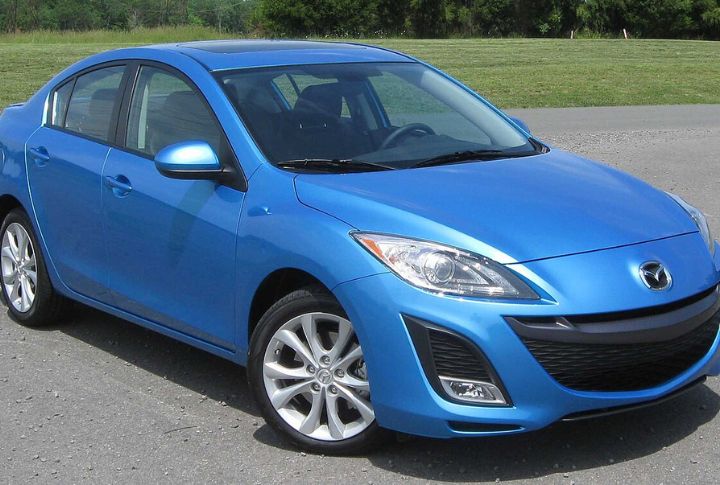
Sadly, the thick C-pillars and a shallow rear window reduce visibility significantly in the Mazda3, which makes reversing and lane changes more challenging. Drivers often report that they need extra caution to compensate for these obstructed views.
Cadillac Escalade
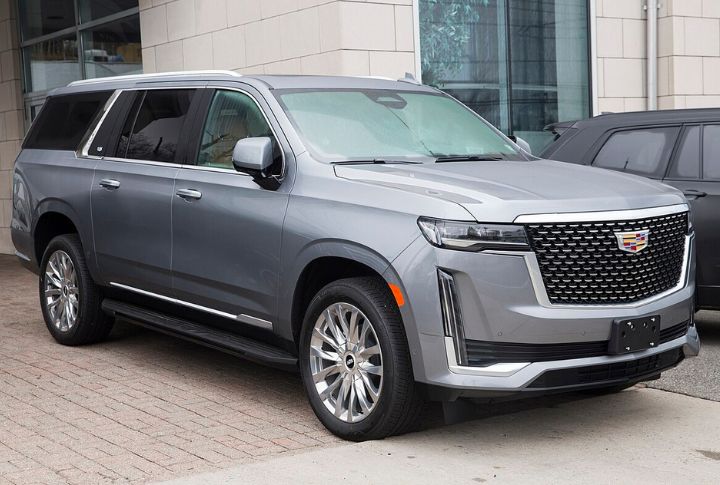
Sitting high in an Escalade might feel commanding, but there’s a catch: that huge hood and heavy front corners create a 15-foot blind zone. Small cars and pedestrians can disappear entirely from view—which is exactly what city driving demands.
Chevrolet Camaro
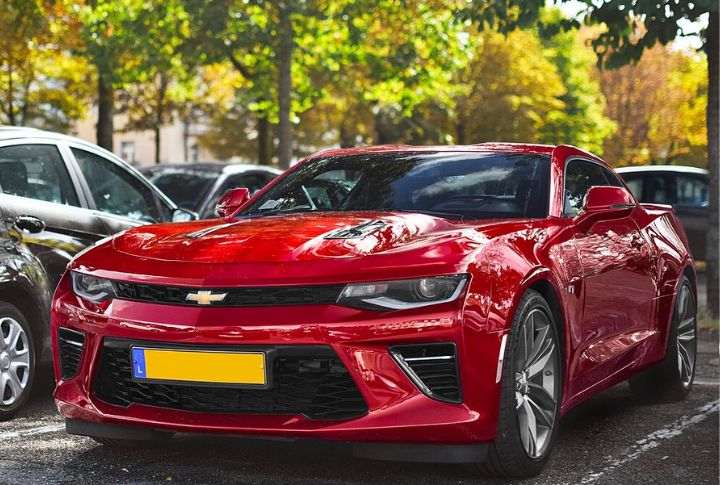
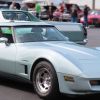
For a brand known for reliability, Camaro’s narrow windows and chunky roof supports add to its aggressive look but miss the spot and leave drivers struggling with visibility. Rearward views are especially tricky, making parking and reversing a challenge.
Mazda CX-9
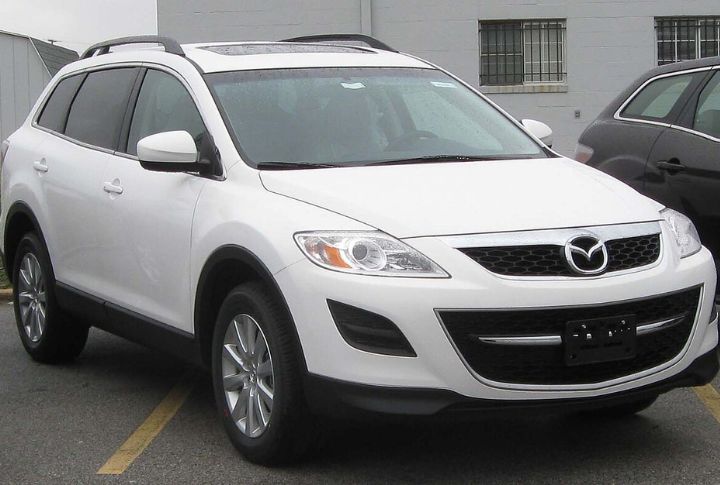
Here’s a family SUV that plays hide-and-seek with other vehicles. Broad A-pillars frame the windshield like Roman columns and create blind spots big enough to mask oncoming traffic at intersections. Is the car’s elevated driving position worth it if your sight is unclear?
Porsche Boxster
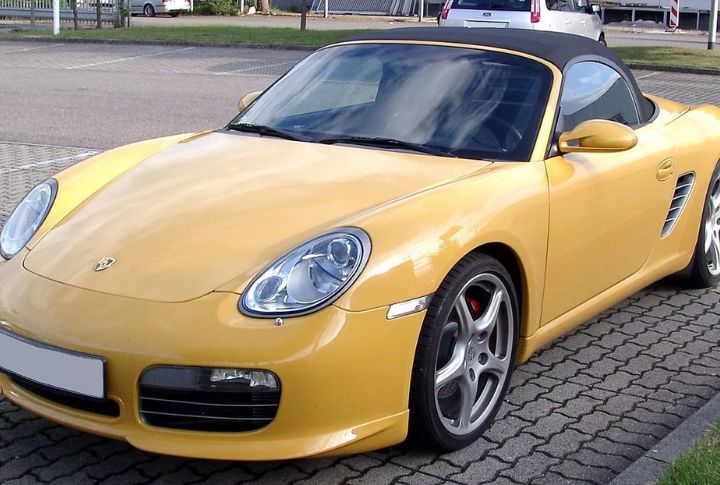
Drop the top, and this Porsche handles visibility beautifully. Raise it, and you’ll see the compromise; that sleek profile comes with thick pillars and a high trunk that blocks your rear view almost entirely. The car favors aesthetics while sacrificing practicality in the process.
Nissan 370Z
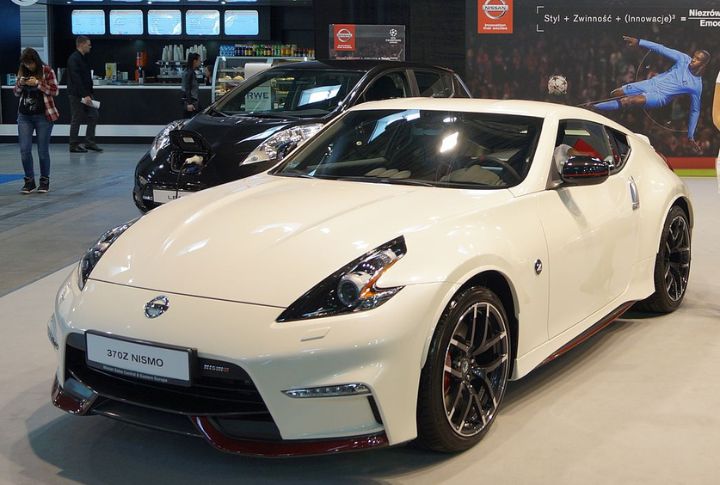
The sharp-looking car has a sloping roofline and rear pillars that make visibility a real headache. Backing out of parking spaces or merging into traffic feels like a guessing game. That tiny rear window doesn’t help much either, leaving blind spots you can’t just ignore.
Toyota FJ Cruiser
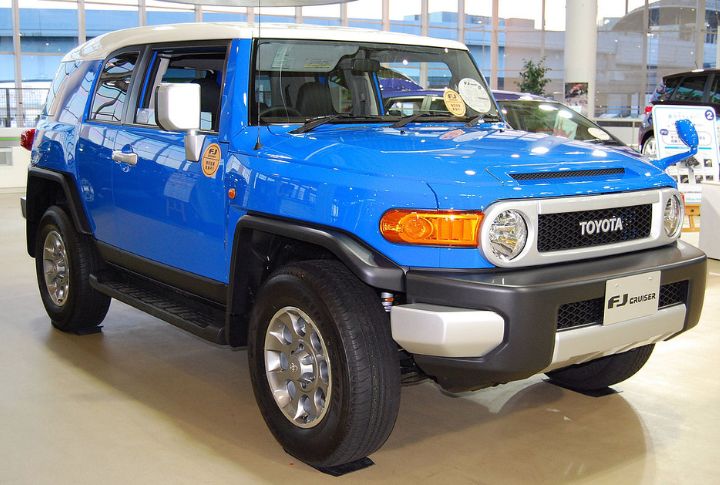
Toyota’s off-road champ lacks practicality for an urban setting. Those distinctive wide C-pillars and military-inspired narrow windows might seem tough at the outset; they restrict what you can see. Backing up? You better trust your parking sensors more than your eyes.
Kia Stinger
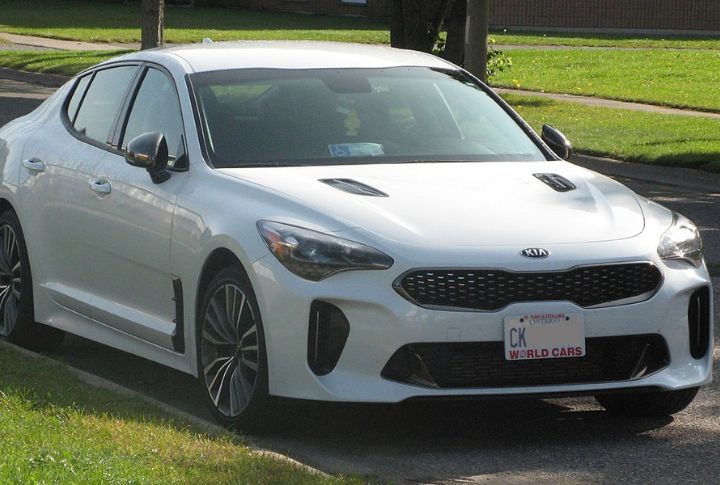
Kia has got the right name for this model because turning Kia Stinger actually stings. Under the car’s rooflines lurks a visibility puzzle. Fast-paced driving demands quick decisions, yet the limited rear view keeps drivers second-guessing their moves.
Mercedes-Benz CLA
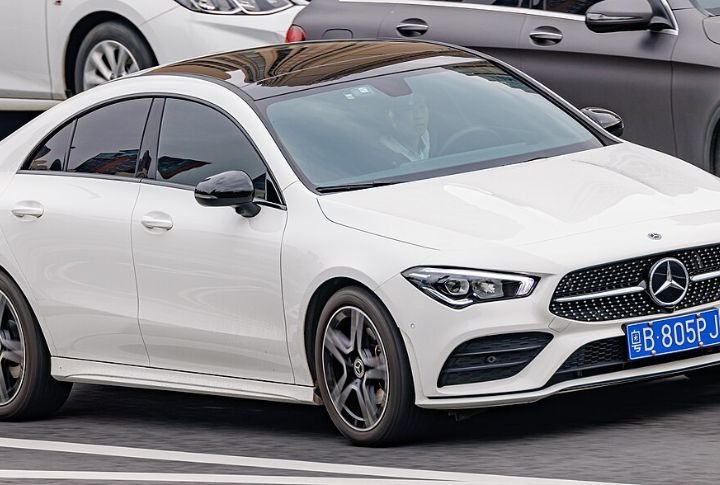
Mercedes designed the CLA to catch eyes, not expand them. Shallow windows and big rear supports make lane changes feel like calculated risks. Elegant profile aside, drivers find themselves relying more on electronic aids than actual sightlines in heavy traffic.
Nissan Murano
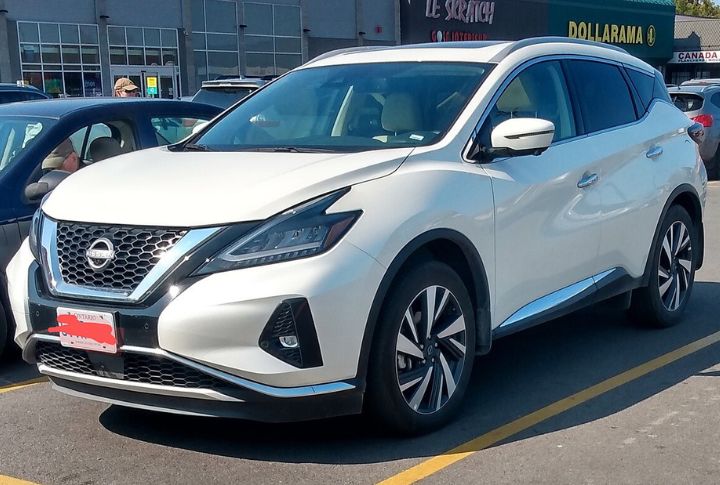
Small side windows and a chunky C-pillar make seeing out the back of the Murano tricky. So, merging or reversing often needs extra effort to check for hidden vehicles. Nissan made the SUV look so great. Shockingly, the big brand sidelined convenience.
Jeep Wrangler

The high dashboard, extended hood, and bulky rear spare tire create a trifecta of blind spots in the Wrangler. Jeep’s trail-rated SUV makes maneuvering through urban traffic or parking lots feel like a risky game. You must keep your eyes and sensors afresh all the time.
Chevy Tahoe
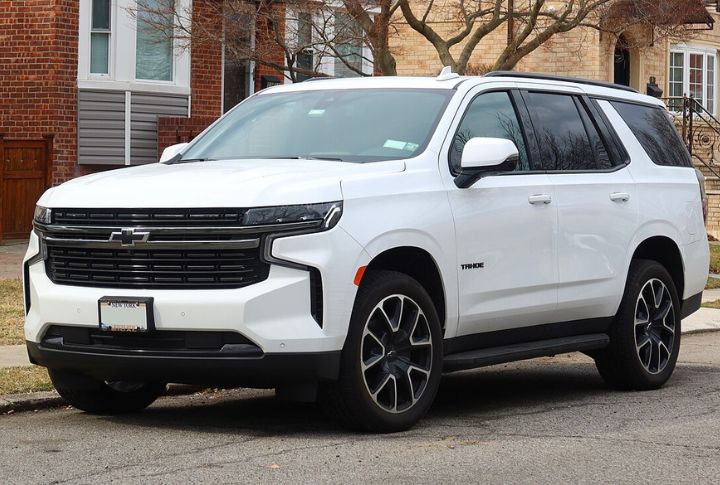
Everyone expects the Chevy to be big. However, its size comes with a price. Tahoe’s huge frame features large A-pillars and a high rear profile that obstructs the driver’s view. Blind spots in front and to the sides make city steer a task.
Toyota Tundra
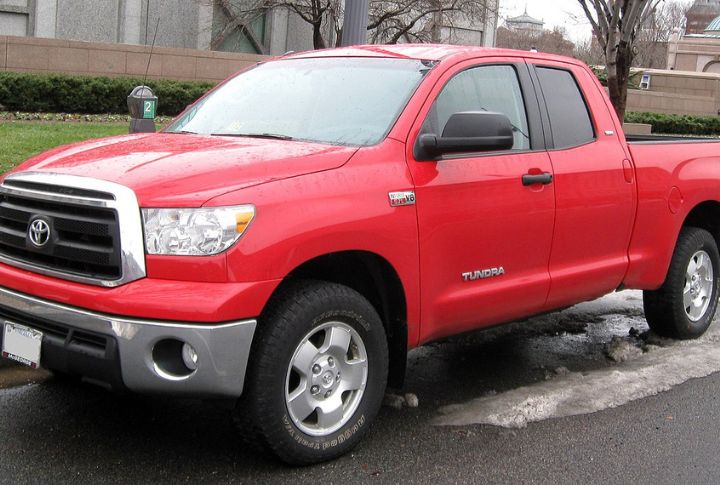
Big trucks come with big challenges, and the Tundra’s oversized hood doesn’t do drivers any favors. Spotting pedestrians or smaller cars in tight spaces can feel like guesswork. Had Toyota done it right, the Tundra would be an ideal car for all kinds of drivers.
Tesla Model X

Model X’s large windshield creates unusual reflections that can distort visibility, and the side mirrors don’t always provide adequate coverage. There’s only so much the monitoring system can help with. Many drivers report feeling disconnected from their surroundings.
Toyota Supra
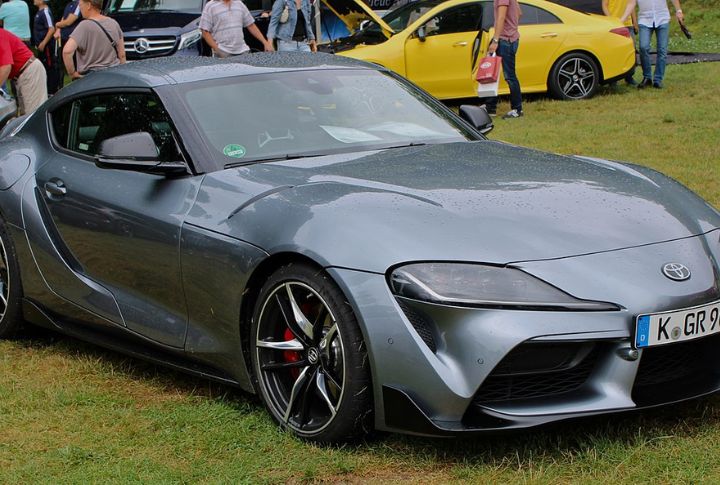
Toyota gave the Supra a striking silhouette that creates some solid visibility challenges. Beefy rear pillars and tiny rear windows leave you with major blind spots to work around. So, drivers quickly need to learn how to trust their mirrors and parking sensors.
Infiniti QX70
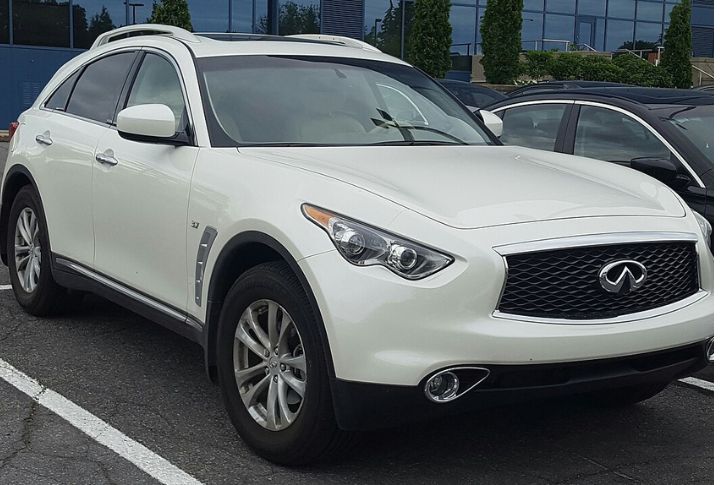
Those C-pillars and a high rear deck obstruct the driver’s sight in the QX70, which makes lane changes and merging more difficult than it should be. People find that the styling aesthetic hinders the ability to see what’s ahead & behind. This poses challenges for everyday steering.
Nissan Pathfinder
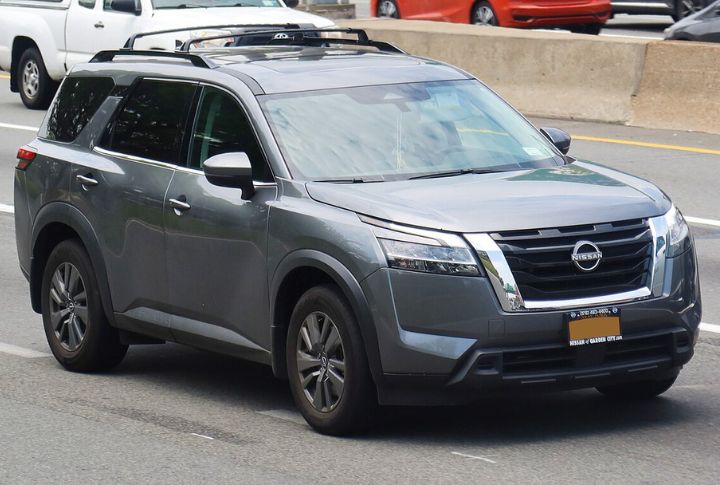
Wide roof supports and a high rear profile contribute to the Pathfinder’s visibility issues. Blind spots are especially noticeable during lane changes or turns. While modern safety features help, they don’t fully address the fundamental sight restrictions of this family SUV.
Smart ForTwo
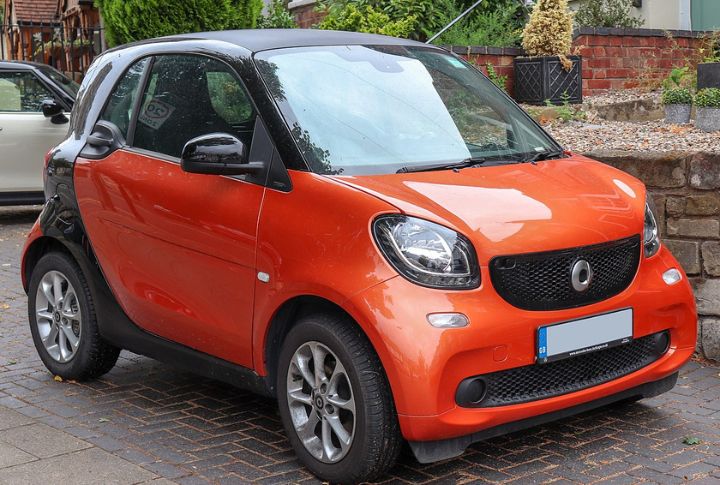
The compact size of the ForTwo doesn’t eliminate its visibility problems. A narrow rear window and thick rear roof pillars make urban cruising tricky. Reversing or changing lanes requires extra effort to ensure pedestrians or vehicles aren’t hidden from view.