10 Cars That Defined The 1940s Automotive Revolution

America’s rebuilding years didn’t just reshape cities. They transformed the roads with machines that dared to be bold, bright, and unforgettable. Decades later, their influence refuses to fade. In this article, discover ten automotive marvels from the 1940s that continue to steer hearts and history alike.
Cadillac Series 62
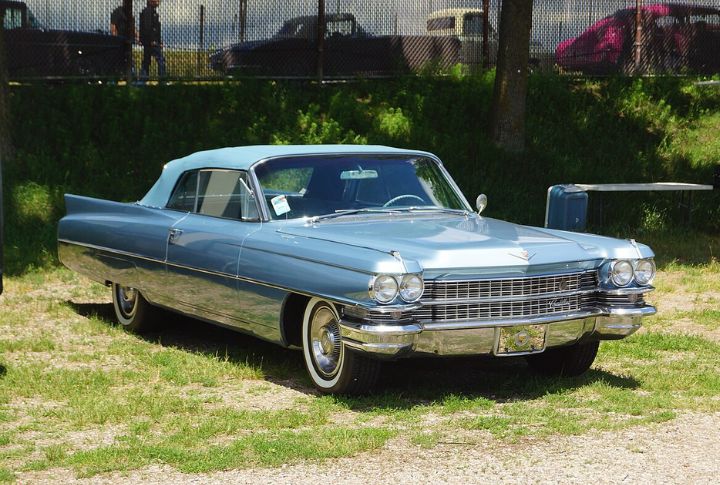
Design brilliance took center stage when the Cadillac Series 62 introduced tailfins inspired by the Lockheed P-38 Lightning. Featuring the Hydra-Matic Drive and an optional power seat, it sold nearly 40,000 units in 1947. Cadillac cemented its status as the defining emblem of the prosperity that followed.
Jeep Willys MB
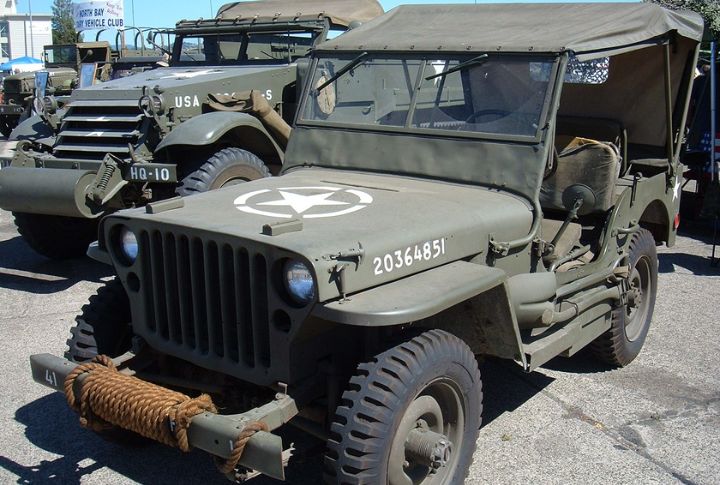
Innovation under pressure gave rise to the Willys MB, developed after the initial MA models in 1941. Full MB production ramped up after Willys secured a contract for 16,000 vehicles later that year. Weighing under 2,500 pounds with 8 inches of ground clearance, the Jeep soon became a global symbol of resilience and rugged reliability.
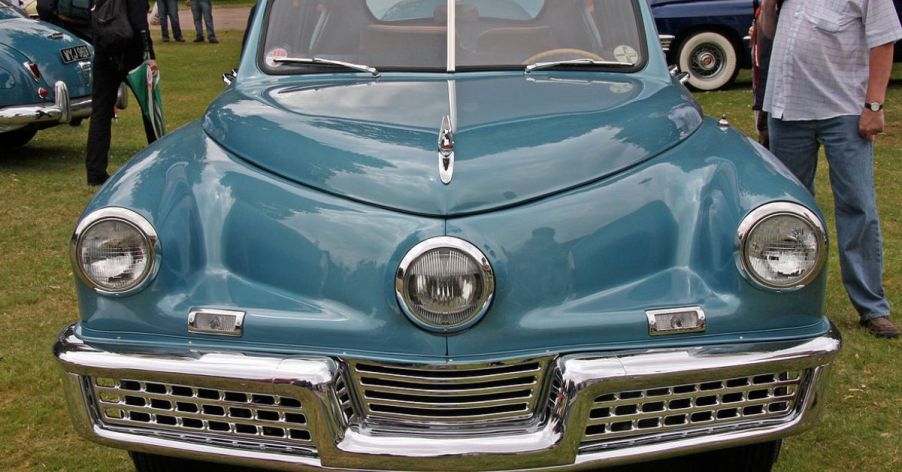
Tucker 48

Radical ideas shaped the Tucker 48, a vehicle that stunned crowds with a Cyclops-style center headlight that turned with the steering. Released in 1948, it featured a rear-mounted helicopter engine and early crash protection innovations. Of the 51 ever built, only 47 survive today—each one a symbol of Tucker’s daring vision.
Ford Super Deluxe
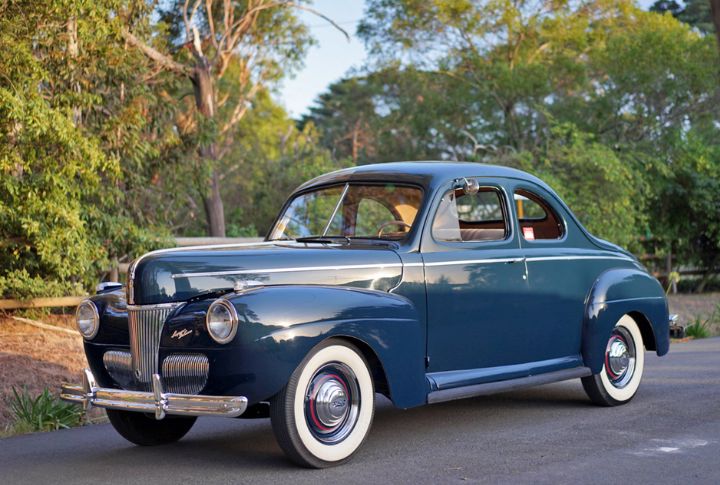
Confidence returned to American streets with the Ford Super Deluxe, offering amenities like dual windshield wipers and sealed-beam headlights. It was everywhere in 1941 until factories shifted focus. Today, the ones left behind feel like postcards from a very different time.
Chevrolet Suburban
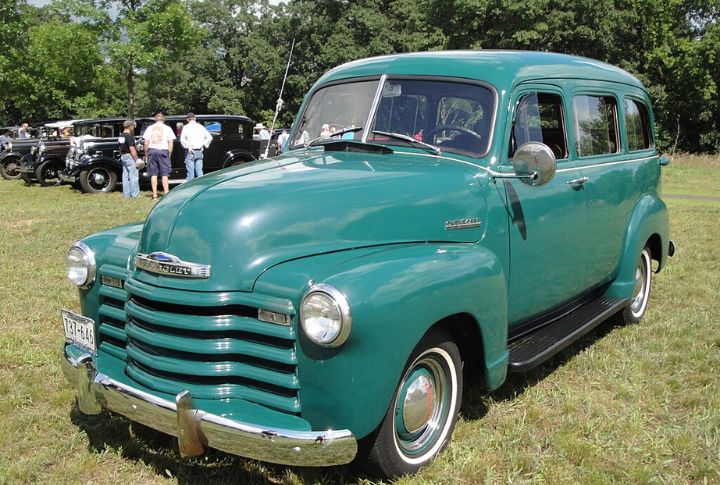
A new chapter unfolded in 1946 with the Chevrolet Suburban, capable of transporting eight passengers and hauling 1,500 pounds. It also introduced an all-steel body, replacing aging wood designs. This innovation made it the longest-running nameplate in automotive history.
Lincoln Continental
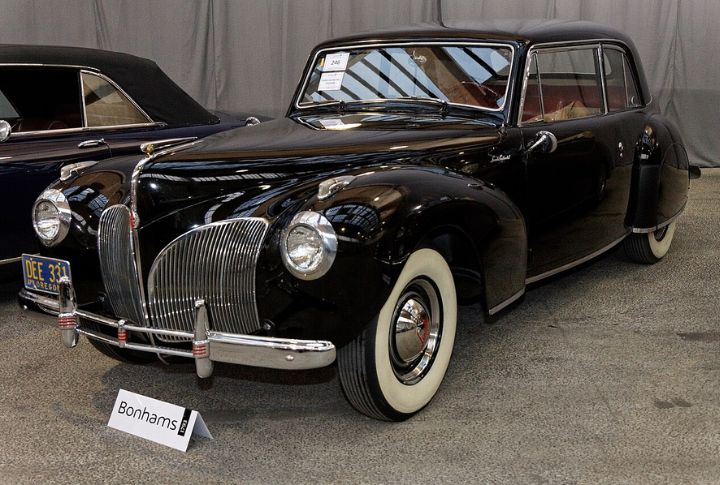
The 1940 Lincoln Continental began as Edsel Ford’s personal project, blending European sophistication with American luxury. Only 404 were built that year, with fewer than 2,000 produced before 1942. Its elegant proportions and refined styling set a new standard while shaping the direction of luxury car design for generations to follow
Oldsmobile Series 70
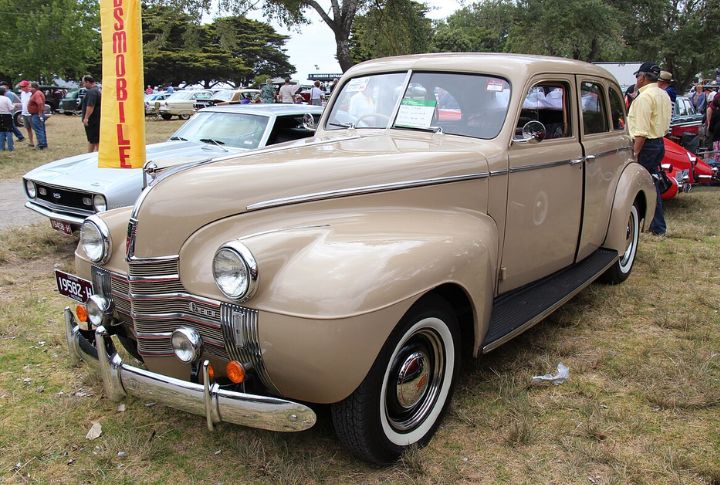
New technology roared forward when the 1940 Oldsmobile Series 70 introduced the Hydra-Matic transmission, an optional feature costing just $57. By early 1942, nearly 200,000 Hydra-Matic units had been sold, removing gear-grinding frustrations and opening the door to a new era of automotive comfort across America.
Chrysler Town And Country
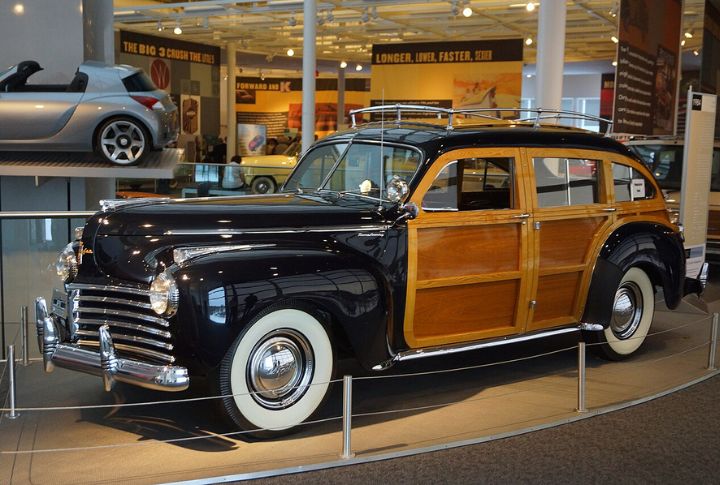
Craftsmanship met practicality in the 1941 Chrysler Town and Country, which blended genuine white ash and mahogany with modern automotive design. Fewer than 1,000 early wagons left the factory, their wood-trimmed charm now a prized feature among collectors.
Studebaker Champion
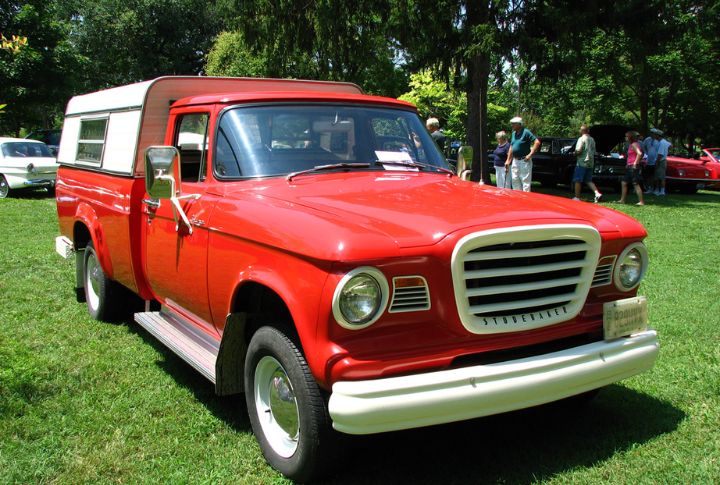
Streamlined styling changed the game when the Studebaker Champion emerged with its futuristic front-end design and lightweight frame. Delivering an impressive 27 miles per gallon in 1947, it was priced at $1,535 and ranged up to $2,060 for the convertible. This made it a relatively affordable luxury car for the average driver.
Packard Clipper
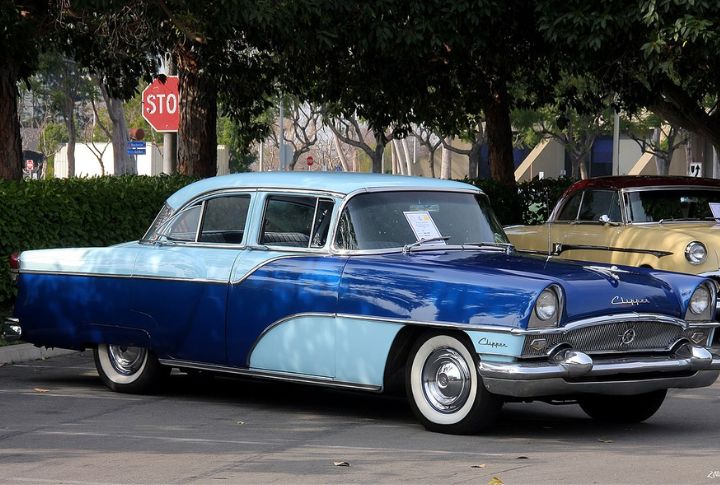
Clever engineering led to the 1941 Packard Clipper, which utilized unit-body construction to boost rigidity and cut weight. Its aerodynamic silhouette reduced wind resistance, improving both speed and fuel economy. The Clipper proved that significant automobiles could be intelligent, not just grand.