15 Cars From the ’80s That Were Just Plain Ugly
Beauty, they say, is in the eye of the beholder. But when it comes to some cars of the 1980s, one has to wonder if the beholders saw them correctly. While many autos from this era have achieved cult status, others remain cautionary tales of what happens when creativity goes unchecked. Here are fifteen cars from the ‘80s that will make you appreciate today’s designs.
Chrysler LeBaron Town & Country (1982)
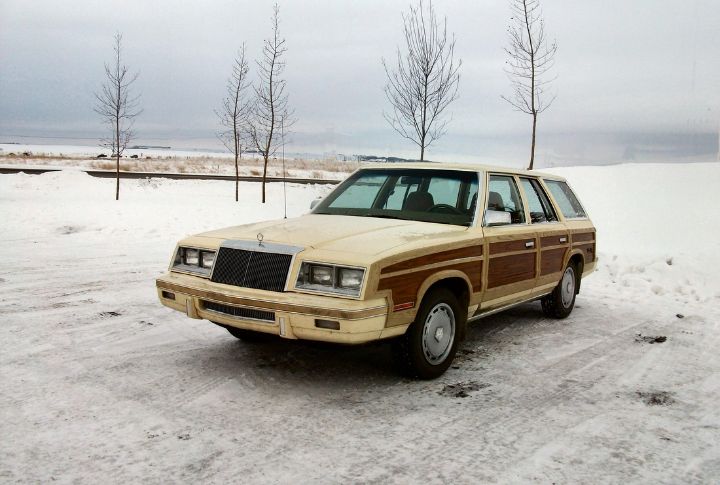
Nothing says “luxury” quite like fake wood paneling, right? Wrong. The LeBaron Town & Country was Chrysler’s misguided attempt to bring back the woodie wagon, proving that some things from the past should stay there. Trying to evoke classic American station wagons, the Chrysler LeBaron Town & Country looked dated and unattractive.
Cadillac Cimarron (1982)
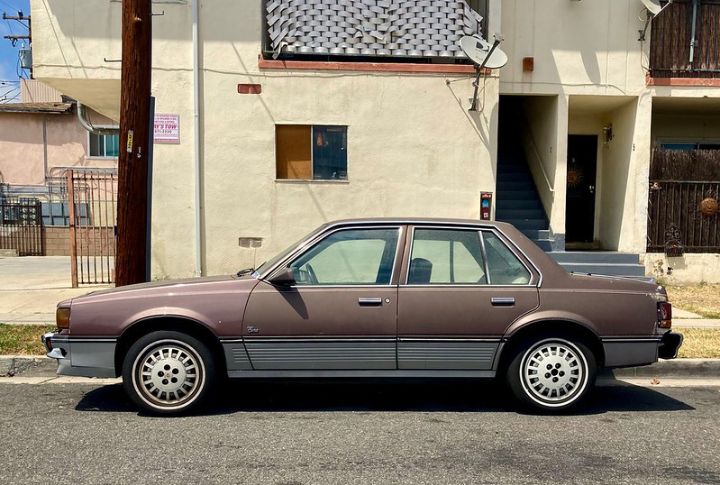
Hoping to enter the luxury compact market, GM introduced the Cadillac Cimarron. Unfortunately, it was a rebadged Chevrolet Cavalier with a higher price tag. This (supposedly) luxury compact was so underwhelming that driving a golf cart seemed thrilling in comparison. The unremarkable design did little to justify the cost, making it one of Cadillac’s biggest flops.
Toyota Corolla Tercel (1980)
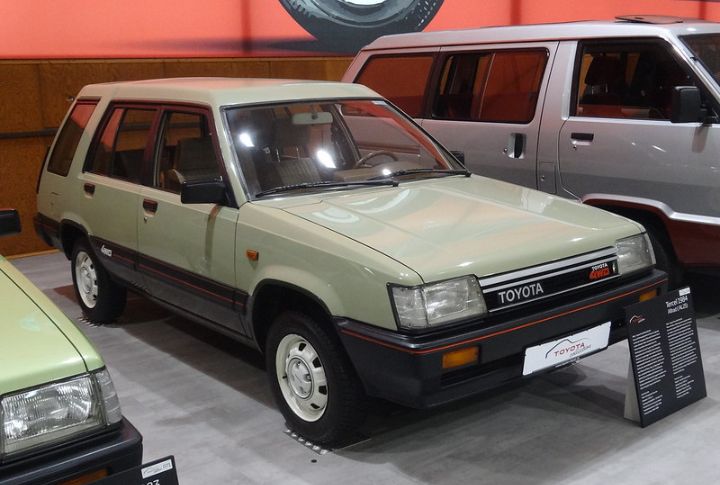
Toyota usually nails it, but the 1980 Tercel design must have been with a ruler and a protractor. Introduced in 1980, the Toyota Corolla Tercel was practical but far from pretty. Its boxy shape and lack of distinctive features made it a forgettable road presence despite its reliability and fuel efficiency.
DMC DeLorean (1981)
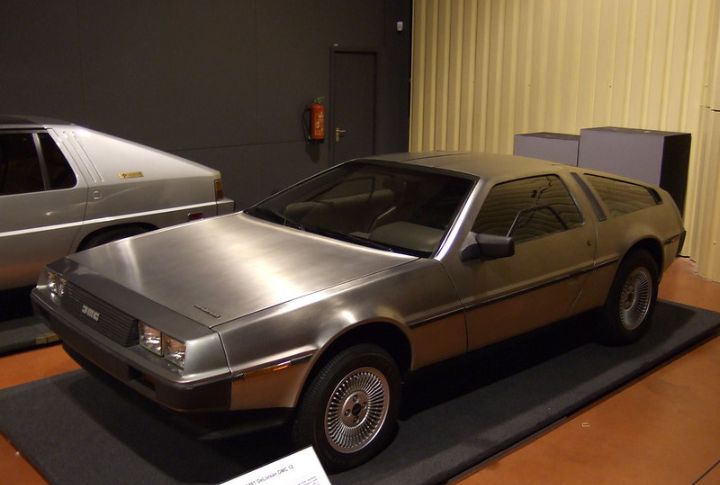
The DeLorean is an icon thanks to its role in Back to the Future. However, even with its stainless steel body and gull-wing doors, it couldn’t hide its ungainly appearance. It’s the automotive equivalent of that friend who peaks in high school—all style, no substance, and prone to breaking down at the worst possible moments.
Chevrolet Citation (1980)
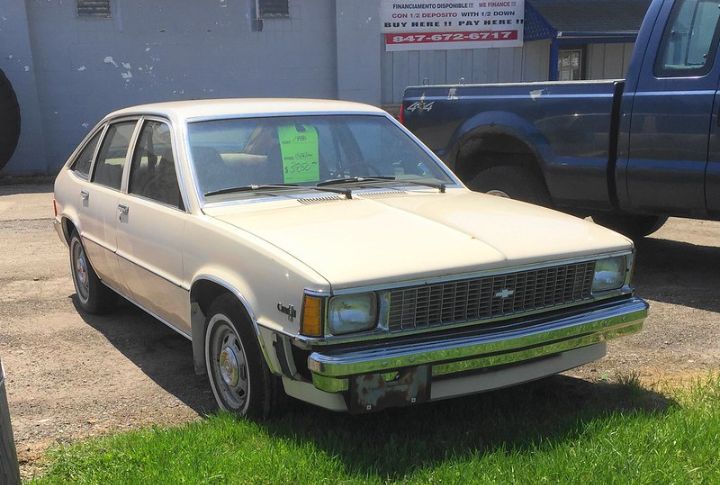
The Chevrolet Citation was GM’s valiant attempt to prove that America could make small cars, too. Unfortunately, it also proved that America could make hideous small cars. Its design was outdated and unattractive from the start, with bland and awkward proportions, marking a low point for the brand.
Excalibur Series IV (1980)

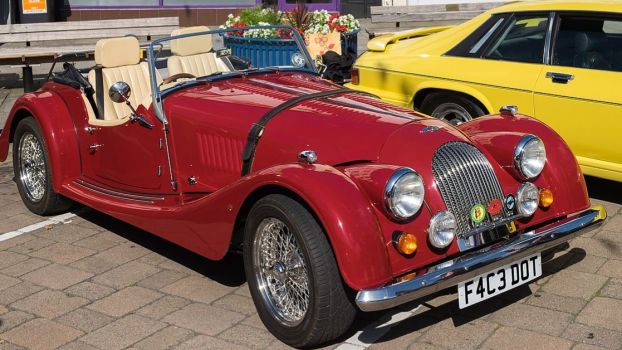
Channeling pre-war luxury elegance, the Excalibur Series IV was an odd, anachronistic vehicle. This neo-classic monstrosity tried to blend 1920s styling with 1980s. Well, more 1920s styling. Out-of-place design elements like oversized fenders and running boards made it look like a relic from a different era, a cartoon car that escaped into the real world.
Alfa Romeo Arna (1983)
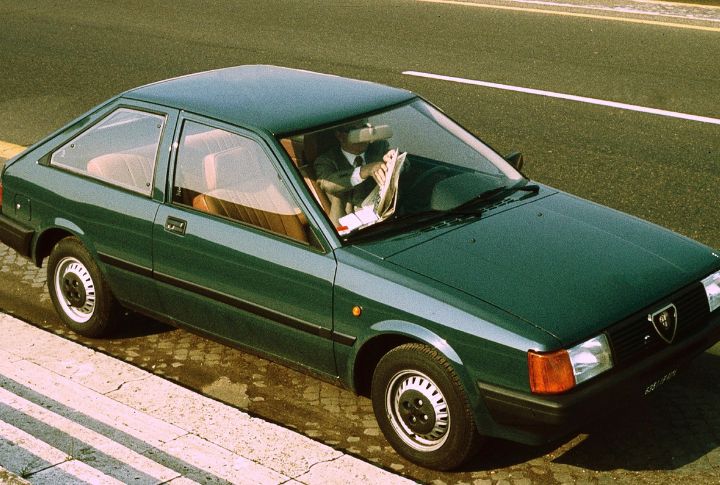
Born from an unholy alliance between Alfa Romeo and Nissan, the Alfa Romeo Arna produced an unremarkable and unattractive car, proving that sometimes, two wrongs don’t make a right. Its uninspired hatchback design and poor build quality made it so forgettable that its designers probably couldn’t pick it out of a lineup.
Cadillac DeVille (1985)
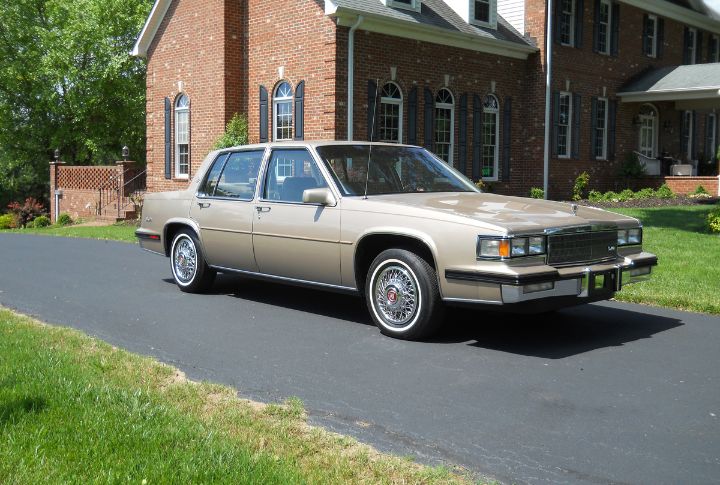
The 1985 Cadillac DeVille was living proof that bigger isn’t always better. This land yacht looked like the designer thought, “What if we made a car that’s just one long, uninterrupted slab?” The DeVille lacked grace, and its boxy, oversized design and dated styling cues failed to convey luxury despite its intentions.
Ford Escort (1981)
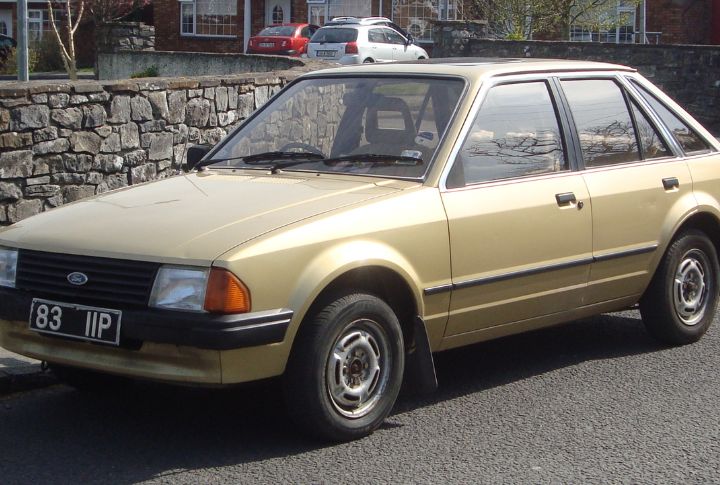
Ford’s attempt at a compact car in 1981 resulted in the Escort, which screamed “I’ve given up on life” louder than a mid-life crisis haircut. With its anemic engine and a design seemingly inspired by brick, the Escort was about as exciting as watching paint dry. Plain, box-like design and lack of personality made it a common sight.
Renault Fuego (1980)
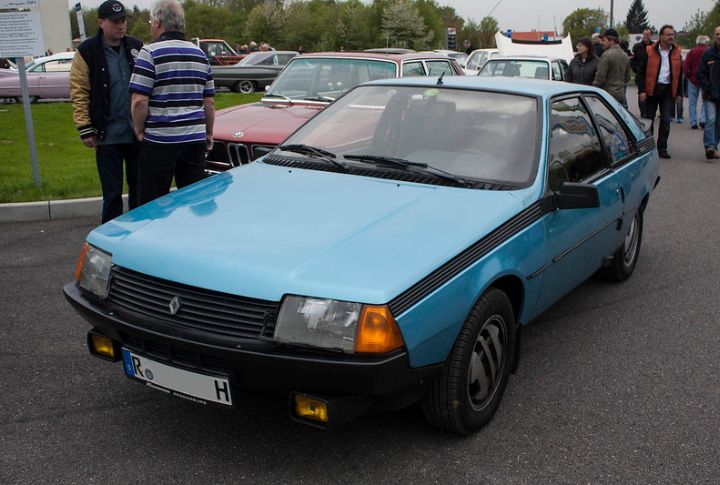
The Renault Fuego aimed to be sporty but ended up looking awkward. Its odd proportions and peculiar styling cues made it seem like it was designed by a committee that couldn’t agree on anything. The Fuego simply indicated that French design is sometimes best left to fashion and cuisine, not automobiles.
Ferrari Mondial (1980)

Ferrari’s rare misstep was the Mondial. Criticized for being too conservative and unbalanced, its long wheelbase and boxy rear end failed to capture Ferrari’s usual elegance. It was like putting a mustache on the Mona Lisa. The Ferrari Mondial is for people who want to say they own a Ferrari but don’t want to be seen driving one.
Maserati Biturbo (1981)
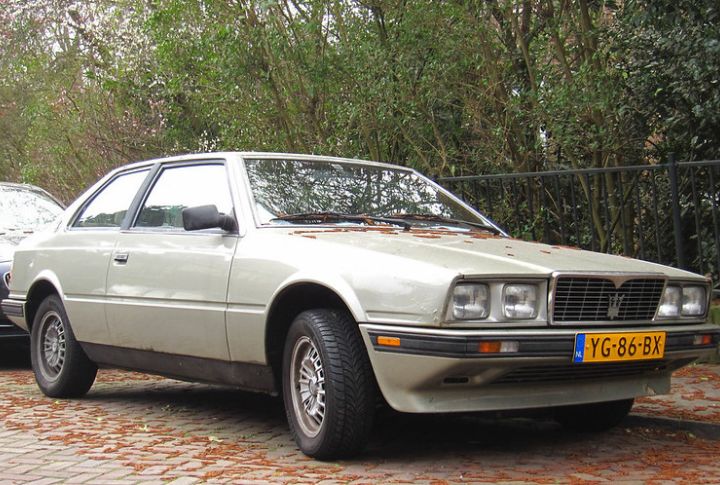
Plagued by reliability issues, the Maserati Biturbo also won no beauty contests. This cubic sedan looked designed using only right angles and a profound hatred for curves. Its bland, uninspired looks and poor performance proved that even Italian design can have an off day or decade.
Aston Martin Lagonda (1976-1989)
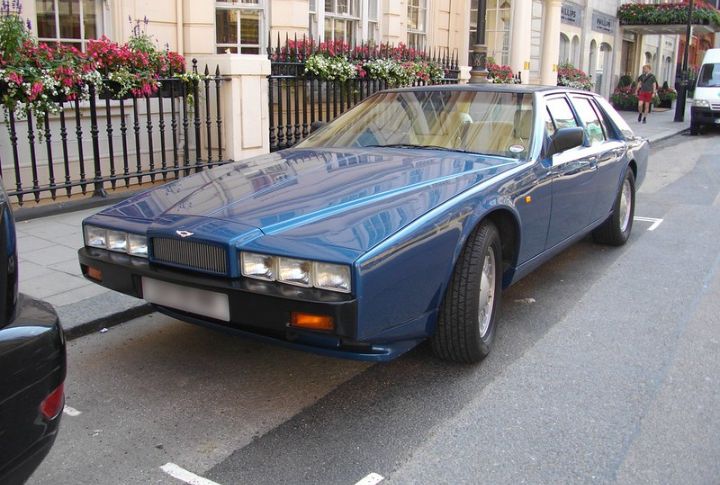
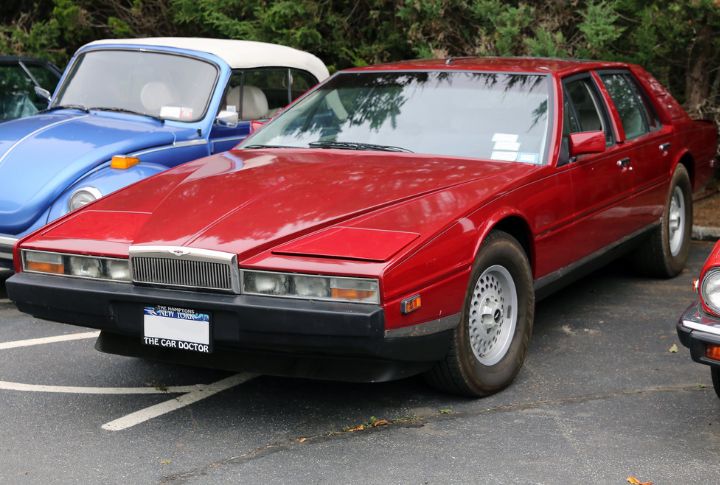
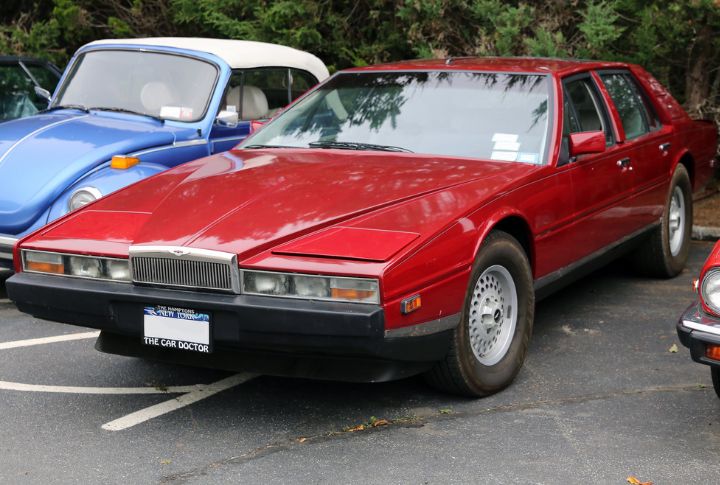
An experiment in design, the Lagonda was Aston Martin’s bold attempt to prove that not all British cars need to look good. While some appreciated its futuristic look and digital dashboard, many found it overly stubby and awkward, resulting in one of the more controversial designs.
Citroën BX (1982)
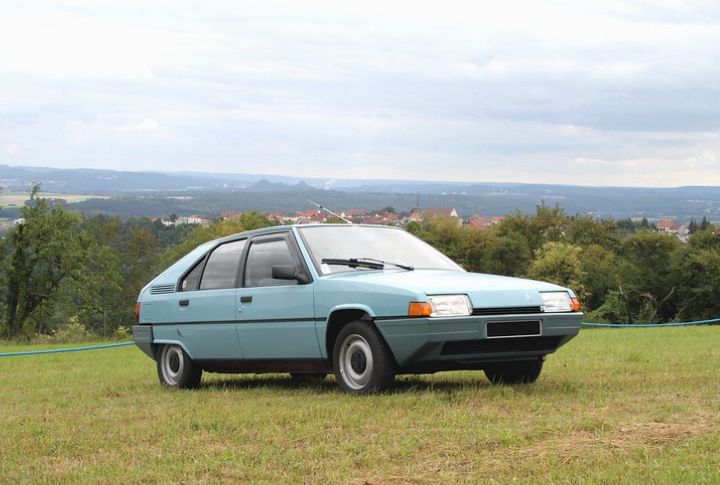
The Citroën BX is what happens when you let a ruler-obsessed architect design a car. This car stood out, but not necessarily in a good way. With its sharp angles and wedge shape, it looked less like a car and more like an origami project gone wrong, and innovative features couldn’t save it from being a misfit.
Dodge Aries (1981)
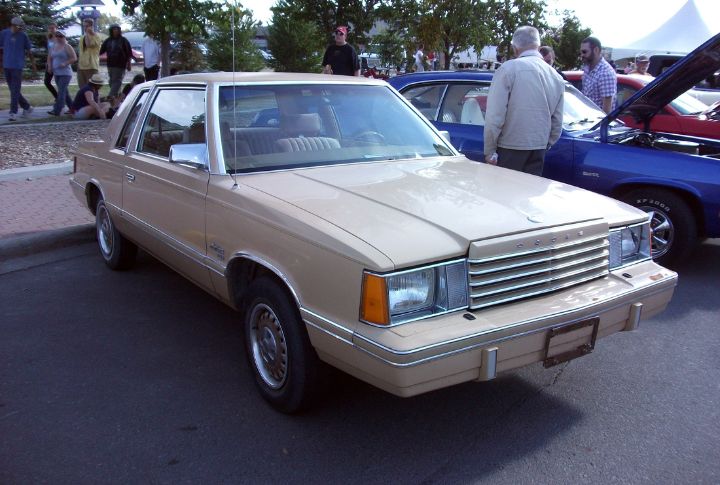
Part of Chrysler’s K-car lineup, the Dodge Aries was known for affordability and practicality. However, its design was incredibly bland, box-like, and lacked distinguishing features. It is a prime example of uninspired car design that plagued the decade.