10 Car Stinks That Could Be More Serious Than You Think
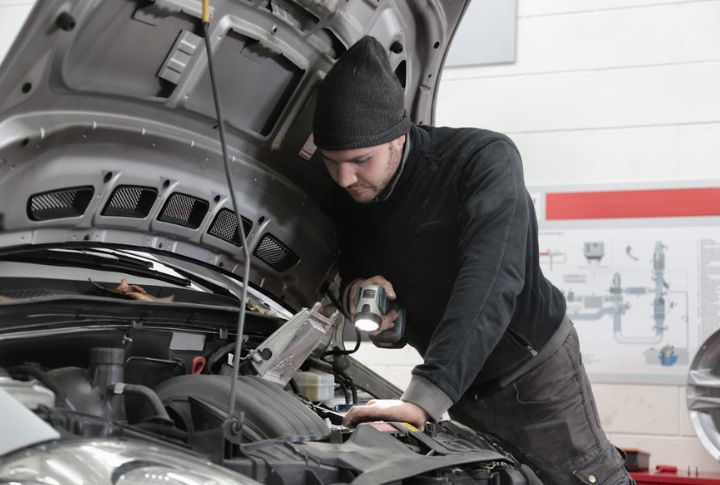
Bad smells inside a car usually get brushed off or blamed on whatever’s under the seat. Certain odors, however, signal trouble. They can point to bigger issues that your dashboard lights won’t flag. In fact, the longer the signs go unaddressed, the louder the consequences become. Curious which ones matter most? Here’s a list of car odors to avoid.
Rotten Eggs Smell
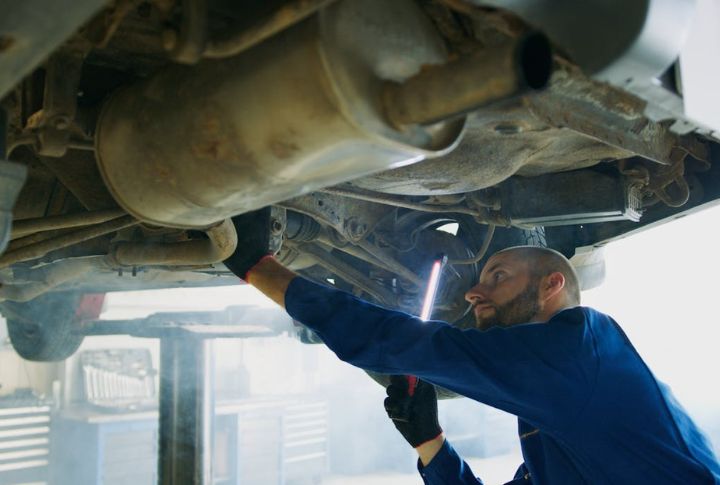
Rotten egg smells usually mean a malfunctioning catalytic converter is leaking hydrogen sulfide gas. Additionally, this toxic odor can point to battery or fuel system leaks. Ignoring the smell could lead to engine damage and excess emissions. For that reason, identifying the cause early keeps the vehicle safer and the air cleaner.
Hot Electrical Smell
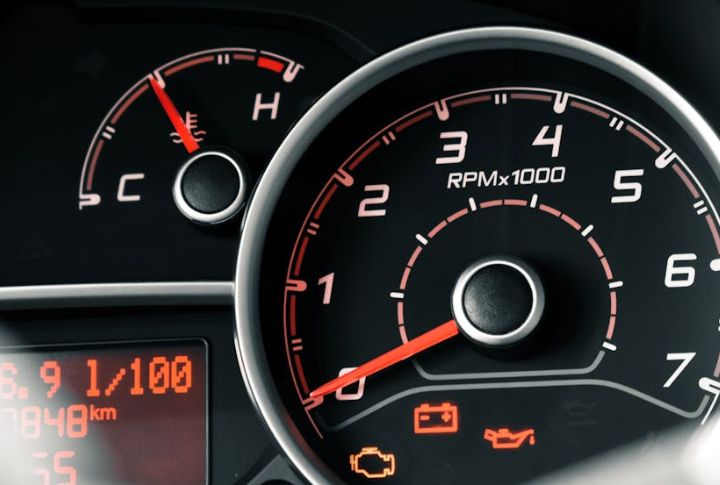
A hot electrical smell is typically a warning sign of overheated wires or failing components. Watch for flickering lights or dashboard alerts; they usually show up next. If left unchecked, the chance of an electrical fire rises quickly. Because the issue can be technical, let a professional inspect it before things get worse.
Gasoline Smell Inside The Car
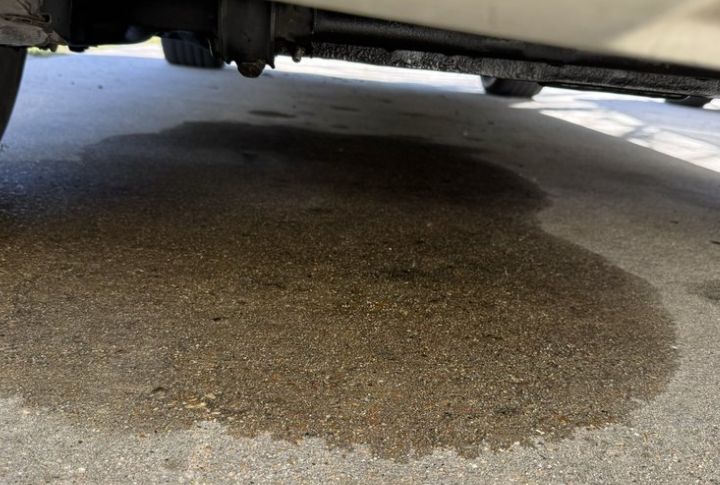
The smell of gasoline inside the vehicle usually points to a fuel leak. Common culprits include loose fuel lines or a faulty gas cap. Even minor leaks waste fuel and hurt efficiency. More seriously, they raise the risk of a fire. In many cases, the odor gets stronger after the engine has been running.
Exhaust Fumes Inside The Cabin
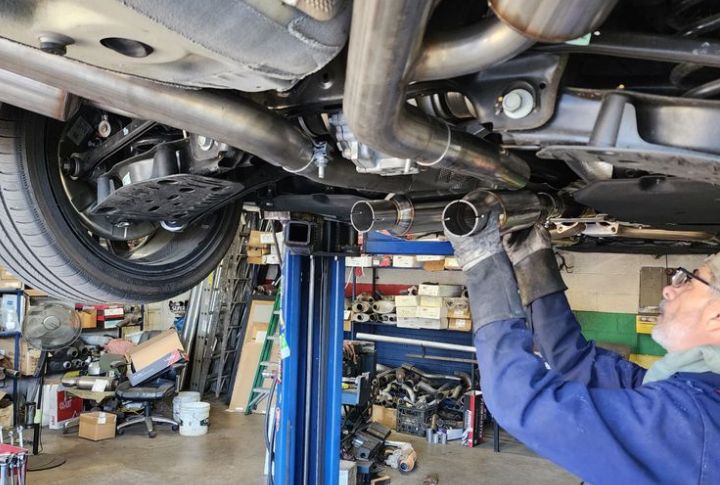
Cabin exhaust fumes indicate serious exhaust system problems. Sometimes, damaged seals or system leaks allow deadly carbon monoxide to infiltrate the interior, causing dizziness and potentially fatal symptoms. As a result, this hazardous condition threatens all occupants and demands urgent professional repair to prevent carbon monoxide poisoning and protect passenger safety.
Sweet Syrup Or Maple Smell
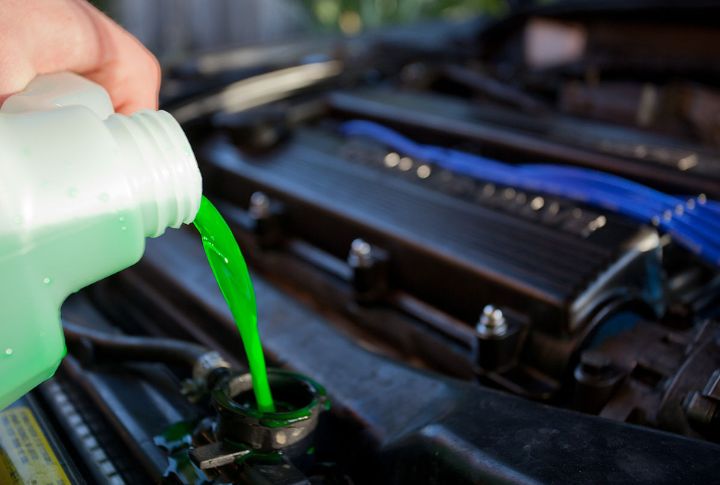
Sweet or syrup-like odors around the vehicle usually suggest a coolant leak. Typically, this happens when a radiator cracks or a hose fails. As the leak worsens, the scent may drift into the cabin. Antifreeze contains ethylene glycol, a toxic chemical that can also harm respiratory health. Leaving this leak unresolved can even lead to engine failure.
Burnt Carpet Or Upholstery Smell
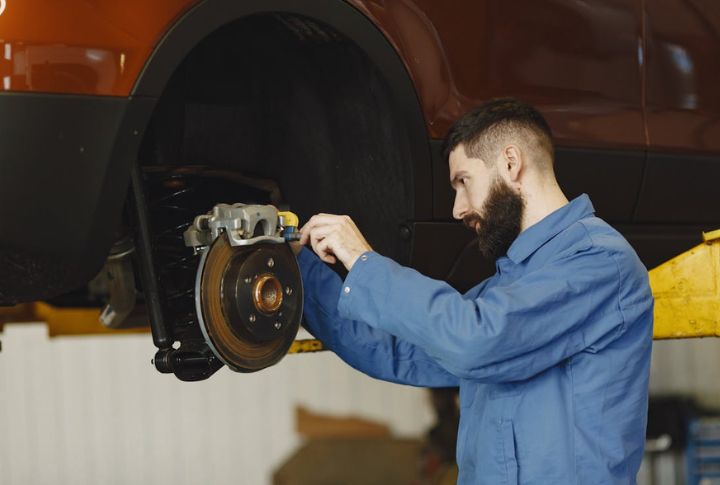
An overheated brake system frequently releases a smell similar to burnt carpet. During normal driving or after a steep descent, the odor may become noticeable. As a result of repeated or forceful braking, excess heat builds up quickly. Unaddressed, the issue increases the chance of brake failure.
Vinegar-Like Smell
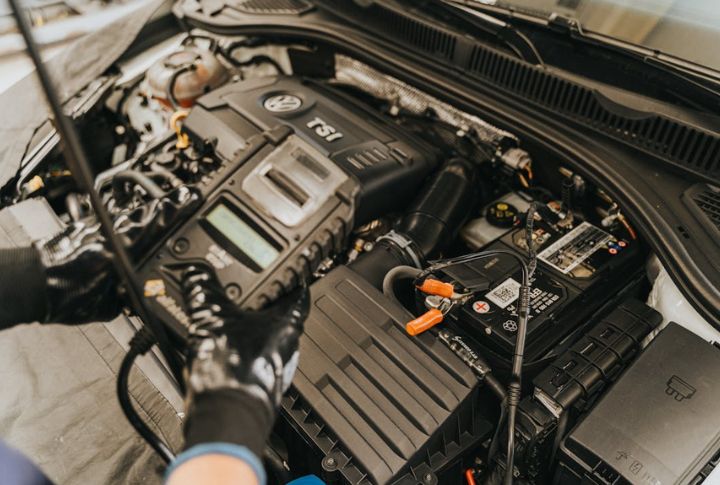
Inside the car, a vinegar-like scent may signal leaking battery acid or overheated brake fluid. Both problems lead to corrosion and pose safety risks. Fuel system issues could also be responsible. At times, exposure to these fumes may also irritate the eyes or throat, making early detection important for both the car and the driver.
Sour Milk Smell
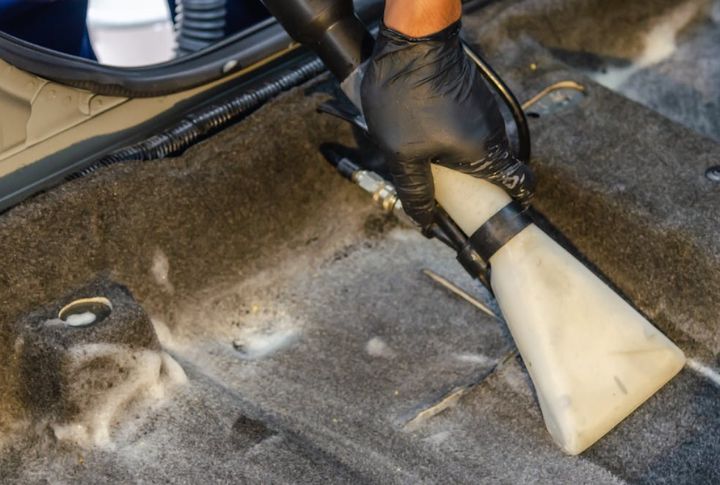
Bacteria thriving in damp upholstery or carpet frequently form a sour milk odor throughout the vehicle. Moisture from leaking AC drains or windows further creates the perfect environment. Besides being unpleasant, the smell may lead to health concerns. Repairing the source of the leak and cleaning the interior thoroughly usually resolves the issue.
Moldy Or Musty Smell
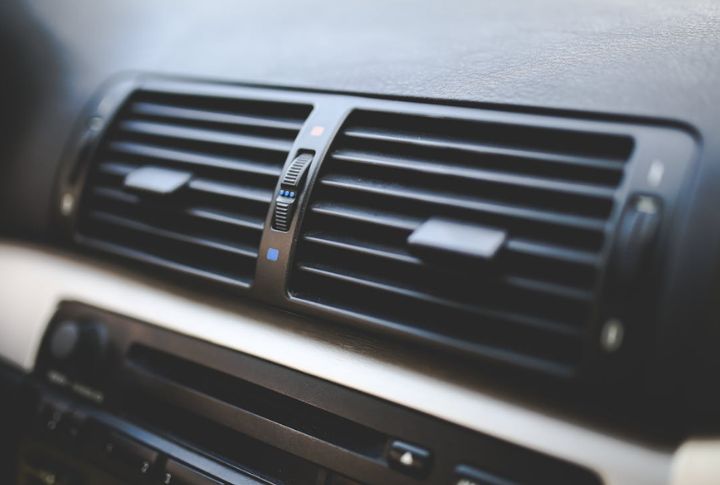
Moldy or musty odors inside the car usually point to trapped moisture in the AC system or cabin filters. As a result, mold and mildew start to grow. The smell becomes stronger after rain or during humid weather. Regular filter changes and AC maintenance reduce the risk of air quality problems.
Chemical Smell After New Car Purchase

Chemical odors in new cars come from volatile organic compounds released by interior materials. In enclosed spaces, these fumes may trigger headaches or nausea. The scent fades within a few months. However, many buyers now request odor-free interiors. Also, ventilating the cabin regularly helps clear the chemicals out more quickly.