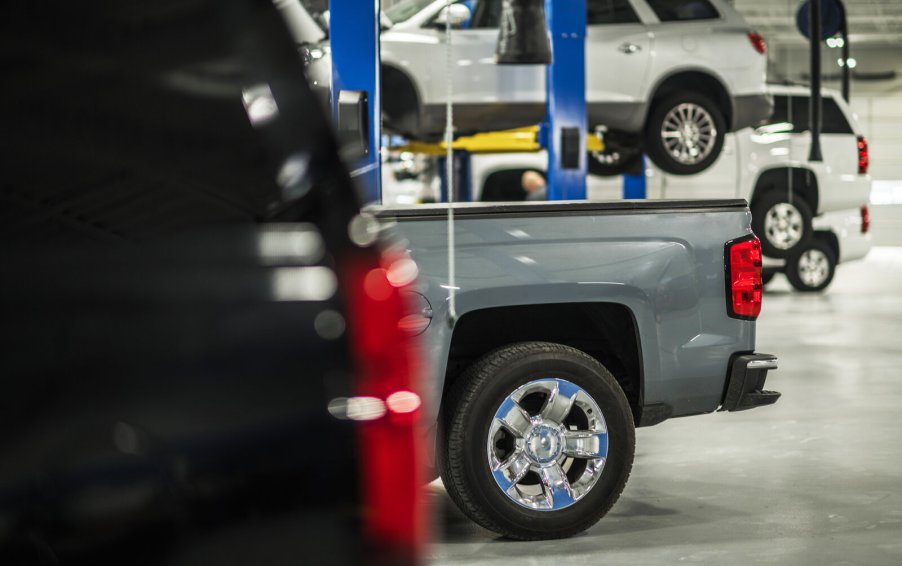
Get ready for some sticker shock at the car repair shop this summer
Starting in just a week, U.S. drivers can expect higher car repair costs as new tariffs on imported vehicle parts begin to ripple through the industry.
A 25% tariff on fully assembled vehicles took effect April 3, and another 25% tariff on certain parts begins May 3
Mitchell International says the biggest impact will likely hit mid-to-late summer.
Ryan Mandell, Director of Claims Performance at Mitchell, explained that the tariffs could change again and might include even more parts in the future. Right now, about half of all imported parts qualify under the U.S.-Mexico-Canada Agreement (USMCA), which exempts them from the new tariffs.
Several automakers like GM, Ford, Toyota, Nissan, and Volkswagen produce a lot of their vehicles and parts in North America, keeping them in the clear…for now
However, not all parts will escape the price hikes. ADAS sensors and other components that contain materials like copper, ceramics, and composite plastics will fall under the new tariff rules. These parts rely on global supply chains, and that complexity makes them more vulnerable.
Drivers could see repair bills jump by around $50 for those specific parts. Even raw material increases could add $20 to a typical repair.
The good news? Sheet metal parts like fenders, doors, and bumpers currently don’t face these new tariffs. But that might not last forever.
Vehicles manufactured in Korea and Japan could see the steepest price increases from tariffs
For example, the Hyundai Elantra and Chevy Trailblazer, both built in Korea, face the full 25% tariff. Some models from Honda and Toyota, like the CR-V and Camry, avoid most tariffs because of North American production.
New car prices will likely climb, and as buyers get priced out of that market, used car demand will rise. Mandell predicts that used vehicle prices could increase by 5 to 10 percent over the next year, Repairer Driven News shared.
Drivers and repair shops should brace for longer part delays and higher prices on paint and consumables, especially those sourced from China
Mandell recommends asking suppliers how they move parts, where they source them, and whether domestic or recycled options are available.
Tariff season is here, and it’s going to hit more than just the global supply chain…if you even just own a used car, it’s going to hit your wallet, too.