20 Car Models That Have Officially Vanished From The Market By 2025
You might not have noticed the moment they disappeared, but across showrooms and assembly lines, the automotive world quietly closed a chapter. May 2025 finalized the exit of nameplates that shaped commutes or dreams. Their stories deserve more than silence. Let’s give them a proper sendoff.
Chevrolet Camaro
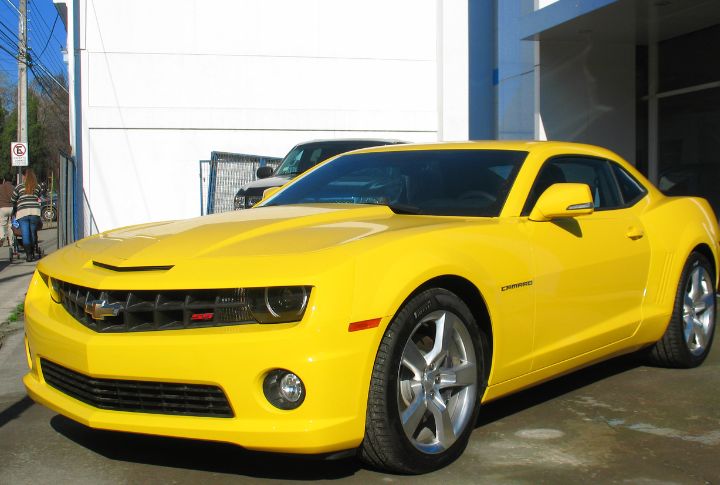
It didn’t go out quietly. After years of declining sales, the Camaro, long Chevrolet’s street icon, ended production in January 2024. Its retro-modern styling once led to a muscle car revival, but GM pulled the plug without confirming a successor.
Nissan GT-R
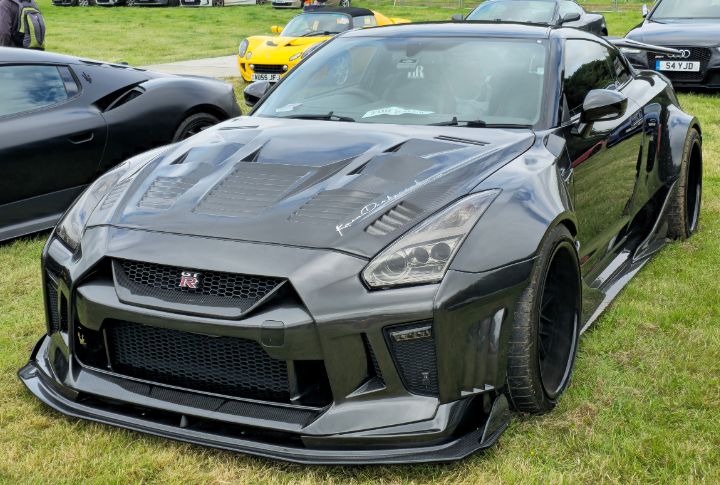
The GT-R outlasted expectations, but its R35 platform finally met the end of the line. Production ceased in early 2025, with no next-gen model confirmed. For 18 years, it reigned as a brutal, tech-laden powerhouse. Nissan may bring it back, but for now, Godzilla has vanished.
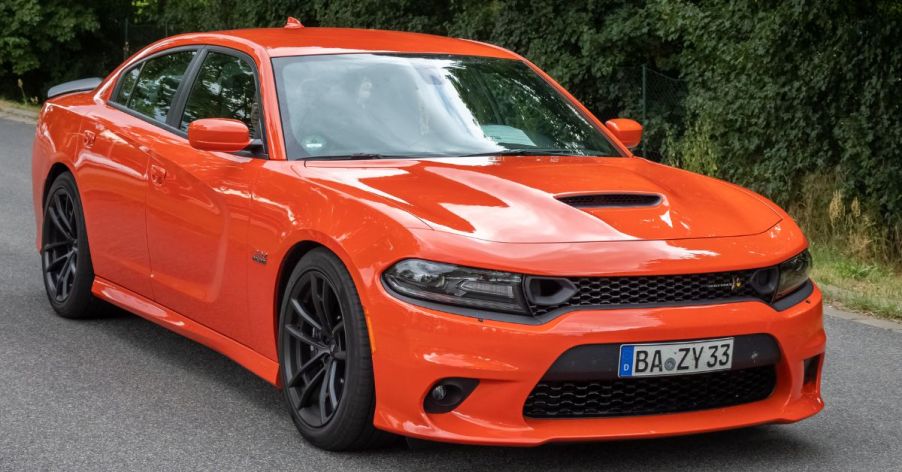
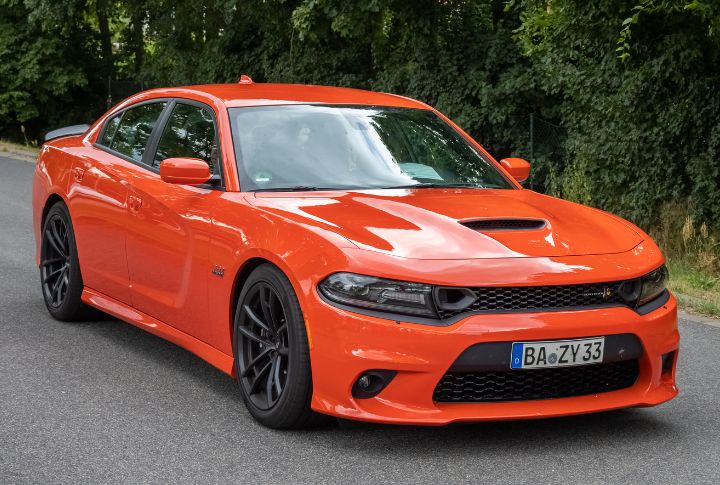
Dodge Charger
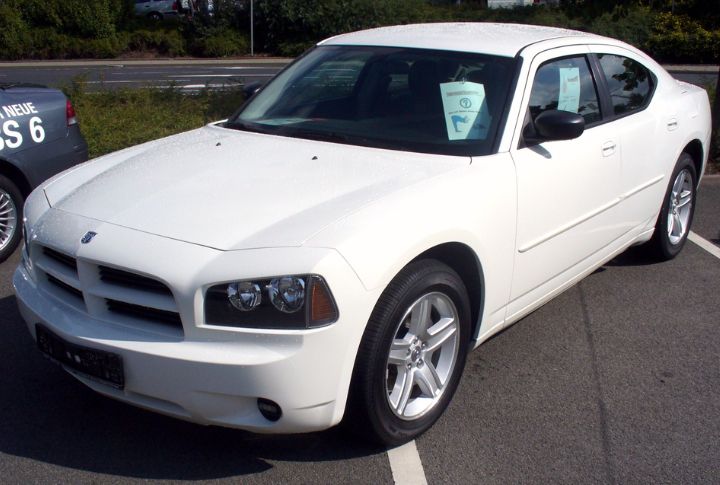
Dodge retired its V8-powered beast in 2023 to make room for a retro-styled electric version, signaling a bold shift. While muscle car purists mourn the lost rumble, others eye the EV’s promise. The badge still lives. The Charger’s exit wasn’t a death. It was a metamorphosis.
Jaguar F-Type
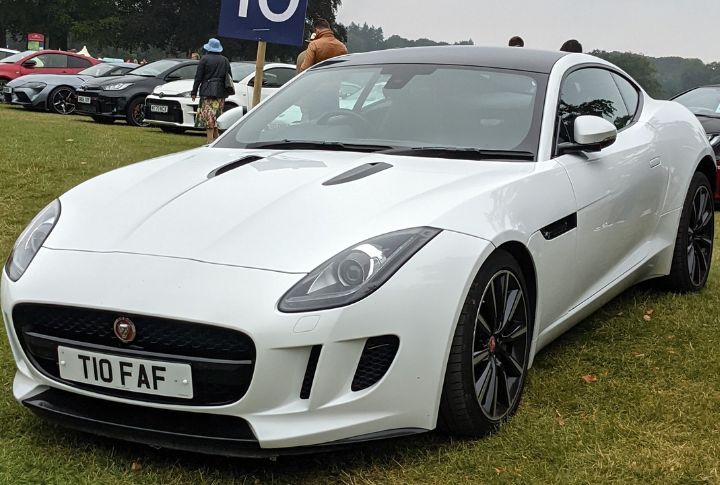
Jaguar gave the F-Type a proper farewell. A final 2024 model honored its lineage, channeling the E-Type’s legacy one last time. The sleek two-door coupe bowed out as Jaguar prepared to go fully electric. With its exit, the previous combustion-powered Jaguar sports car took its final lap.
Maserati Ghibli
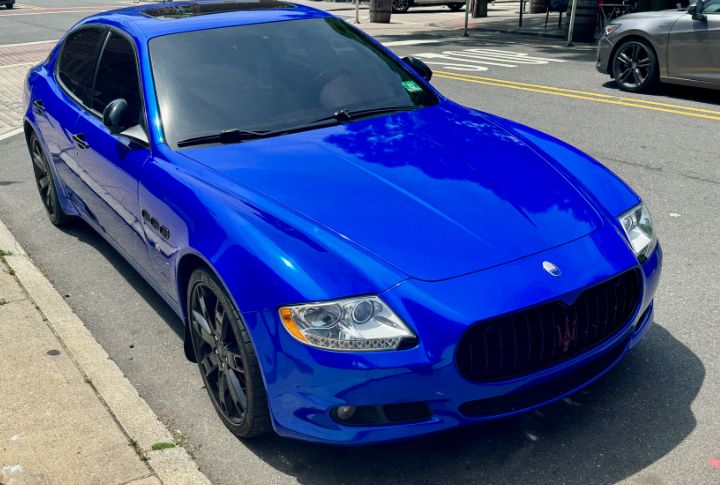
The Ghibli once gave Maserati a foot in the midsize luxury market, but its time ran out in 2024. Sandwiched between the Quattroporte and newer models, it lacked a clear role. Maserati dropped it as part of a leaner, electrified lineup strategy focused on fewer, more distinct offerings.
Alfa Romeo Giulia Quadrifoglio
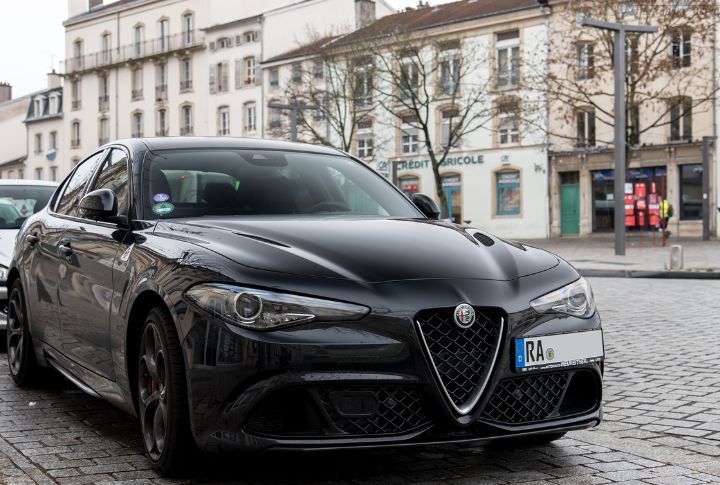
Despite its sharp handling and 505-horsepower V6, it couldn’t overcome Alfa’s limited dealer presence. It thrilled critics but never secured consistent sales, especially in the U.S. The brand now pivots toward fully electrified platforms by leaving behind the Giulia Quadrifoglio, which packed Ferrari engineering into a compact four-door.
Alfa Romeo Stelvio Quadrifoglio
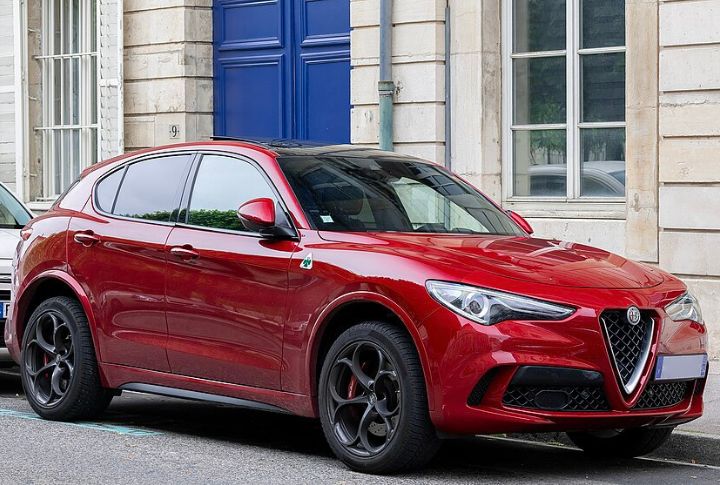
Alfa phased out the Stelvio Quadrifoglio alongside the Giulia to clear the way for a streamlined, EV-driven product lineup. It delivered on its promise to drive like a sports car. Yet, a high price and low awareness kept its niche. That ambition ultimately couldn’t sustain its place.
Jaguar XF
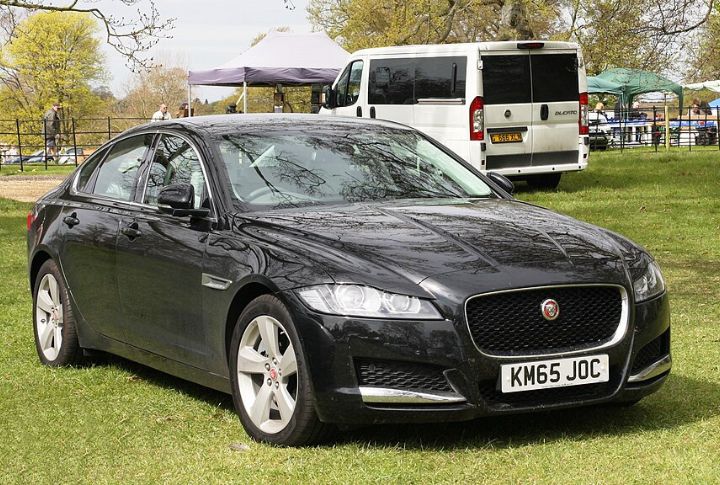
Once pitched as a refined alternative to German sedans, the Jaguar XF lost ground fast. The car struggled to stand out in a shrinking segment, and updates came too slowly. Jaguar ended its run in 2024, part of a total reboot toward smaller, all-electric luxury vehicles.
Jaguar I-Pace
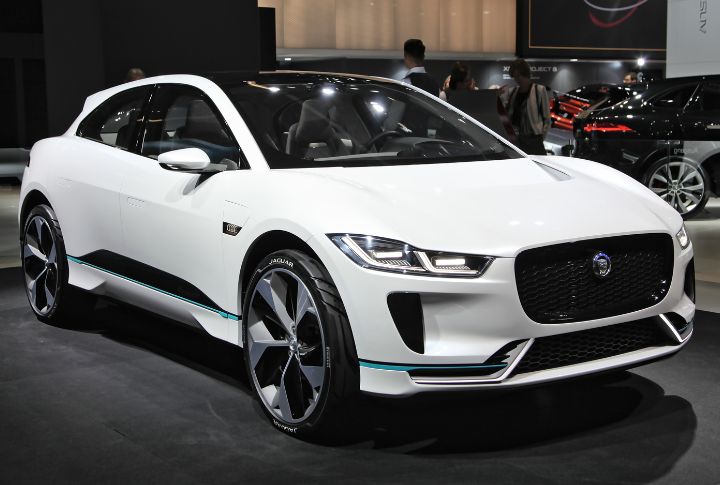
Charging speeds lagged behind newer rivals, and software updates failed to keep pace. By 2024, Jaguar decided to scrap the model and focus on building a stronger second generation of electric platforms. The I-Pace had made headlines as Jaguar’s bold EV debut, but the buzz didn’t last.
Audi A5 Convertible
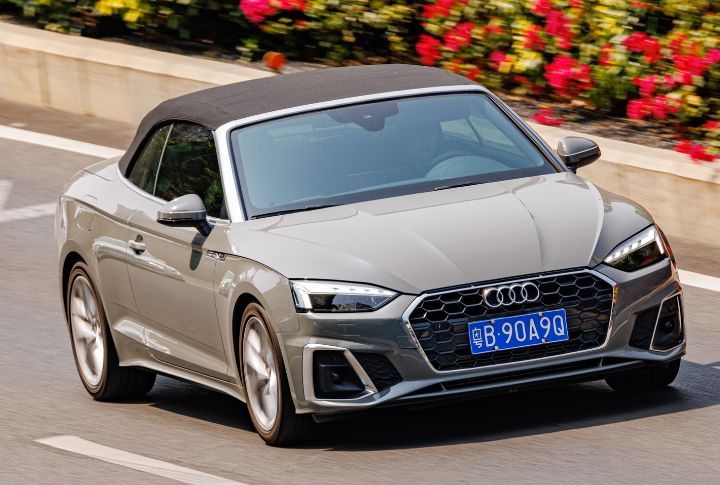
Despite its undeniable visual appeal, the A5 Convertible fell victim to shrinking demand for two-door drop-tops. Audi confirmed its discontinuation by 2025 as part of a broader shift toward practical, electrified models. Ultimately, looking good simply wasn’t enough to secure its place.
Jaguar XE
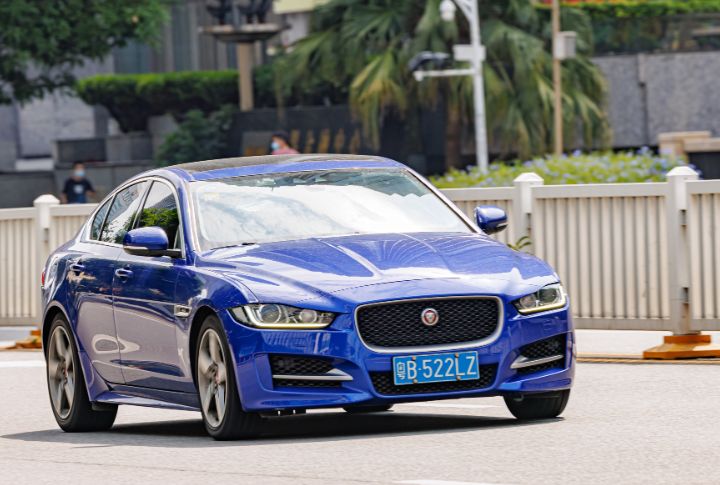
It launched with sharp lines and big ambition, aiming squarely at the BMW 3-Series. But the Jaguar XE never quite delivered on its promise. Sales remained sluggish, and internal lineup overlap diluted its purpose. By 2024, Jaguar had ended its run without much fanfare.
Toyota Venza
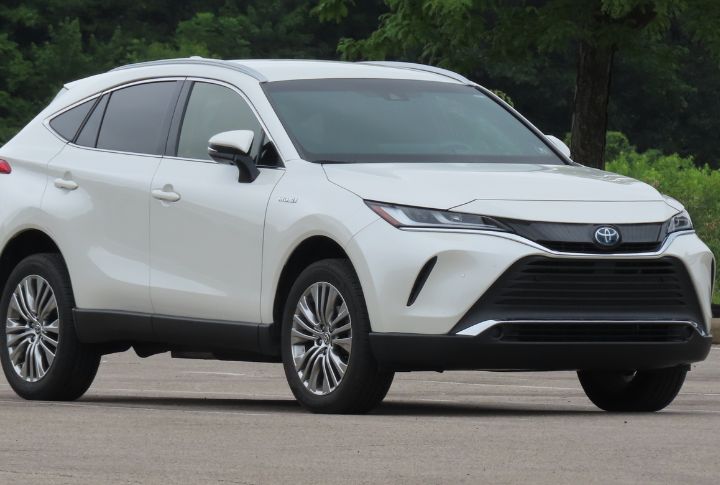
Toyota gave the Venza a second chance as a hybrid-only crossover, but it didn’t stick. Even with sleek styling and decent efficiency, it failed to build lasting traction. Production ended in 2024, with the new Crown Signia taking its place in Toyota’s evolving SUV lineup.
Suzuki Swift Sport
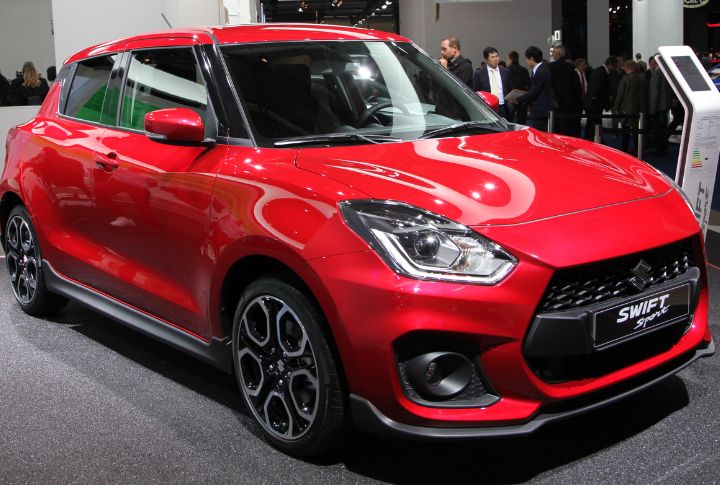
This hot hatch thrived in Japan and parts of Europe. However, it never cracked global dominance. The Swift Sport ended production in early 2025 with a limited-run Final Edition. Light and affordable, it became a cult favorite, though emissions regulations and market shifts ultimately sealed its fate.
Chevrolet Malibu
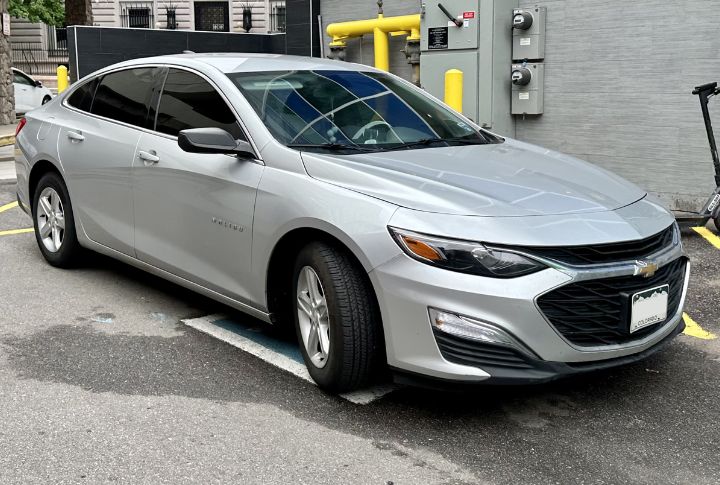
Malibu was a familiar sight in suburban driveways and rental lots for years. In 2024, Chevrolet finally retired the car. With crossovers dominating sales charts and sedans falling out of favor, even a household name couldn’t hold its ground forever.
Ford Focus
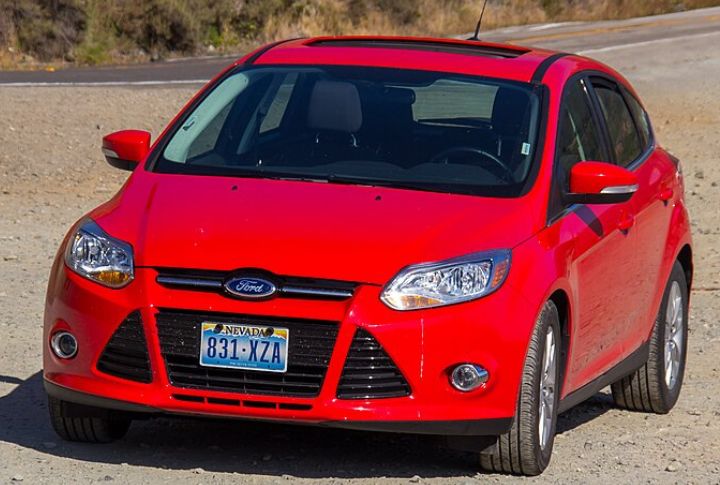
Shrinking demand and a truck-first U.S. strategy sealed the Focus’s fate. Once Ford’s global workhorse, it wore many hats—from rally icon to daily commuter. Even international markets are winding down. Now, the last Focus units are quietly rolling off the line, marking the end of an era.
Infiniti Q50
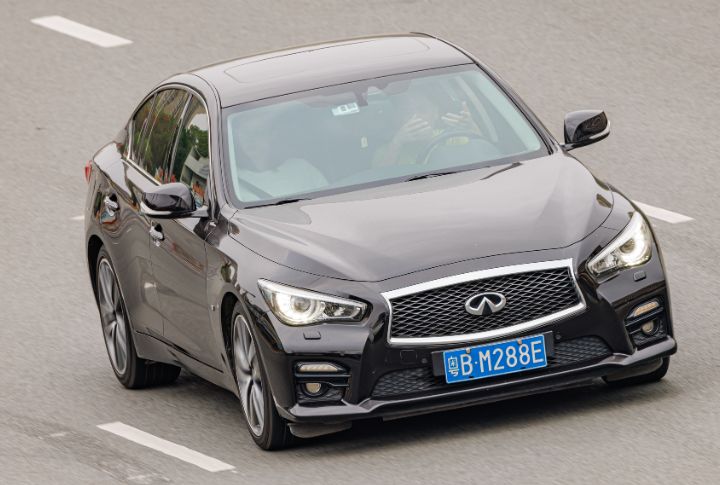
Q50 entered with promise and performance roots, but aged fast. Due to minimal updates and shifting consumer tastes, the car faded into the background. Infiniti is closing the chapter on sedans entirely, and the Q50’s departure signals a full commitment to an SUV-driven portfolio.
Toyota Avalon

Avalon was Toyota’s flagship sedan in the United States, popular for comfort and reliability. When full-size sedans fell out of favor, the car’s production ended after the 2022 model year. The Crown now fills its role by blending upscale appeal with Toyota’s electrified ambitions.
Kia Stinger
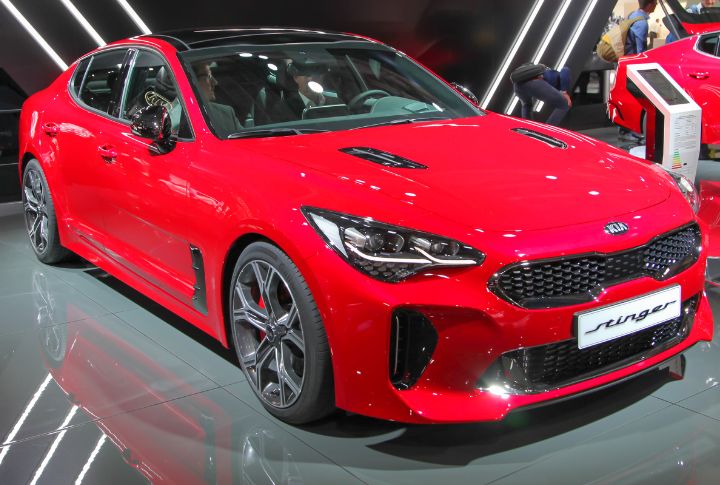
With rear-wheel drive and sharp handling, the Kia Stinger redefined what the badge could mean. Critics embraced it, but sales lagged behind the praise. Kia ended production in 2023 by wrapping up an ambitious experiment that impressed enthusiasts but never gained the traction it deserved.
Chrysler 300
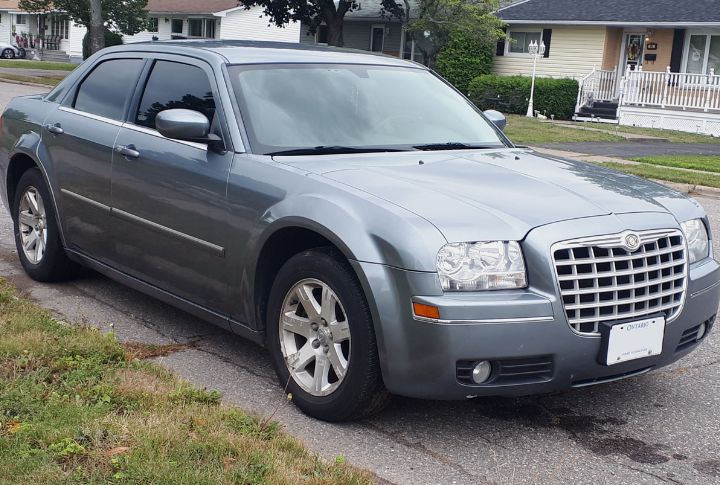
The Chrysler 300 held on longer than expected, but its classic sedan formula couldn’t weather modern tastes. With Dodge moving on from the Charger and Challenger, Stellantis ended production of the 300 in late 2023. Its rear-wheel-drive muscle and luxury quietly closed a chapter.
Buick Encore
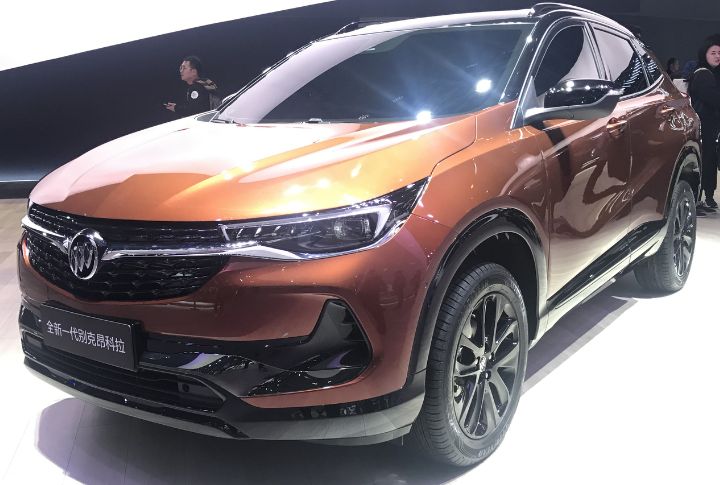
Buick’s tiny SUV once thrived as a city-friendly crossover. However, time caught up. Newer models like the Envista and Encore GX started filling the lineup, and the original Encore ended production in 2022. It served its purpose, but the segment’s evolution left no room for the aging nameplate.