
10 Car Improvements That Can Drastically Improve Your Mileage
Constantly refueling can be a pain, but it doesn’t have to be! Small adjustments to your car can have a huge impact on fuel efficiency. Want to learn how to make your vehicle more economical? Let’s take a look at the best modifications that’ll help you stretch your miles further.
Upgrade To Low Rolling Resistance Tires

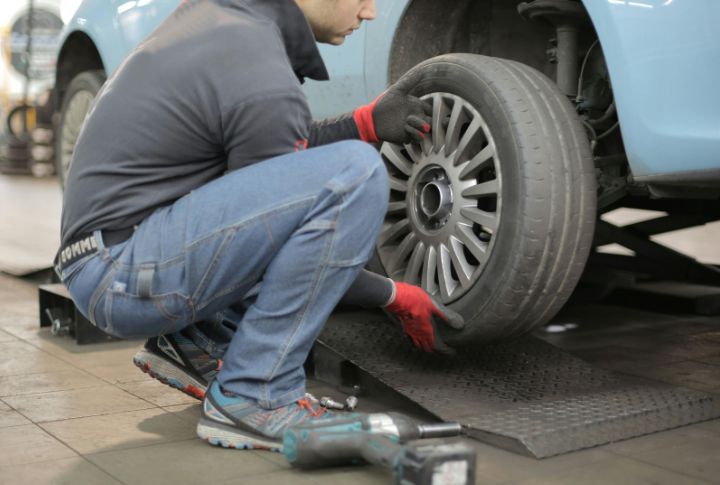
Low rolling resistance tires are essential for improving fuel economy. They reduce friction between your car and the road, allowing the engine to work more effectively. This also helps save up to 3% on gas, lowers emissions, and provides an eco-friendly benefit by reducing power consumption, which eventually leads to fewer carbon emissions.
Optimize Your Driving Habits

Optimizing your driving habits can significantly boost your vehicle’s performance and overall functionality. For instance, maintaining a consistent speed and avoiding rapid speed changes can enhance operational output. Additionally, using cruise control on highways and keeping tire pressure at the recommended level helps maximize energy usage.
Use A More Efficient Exhaust System
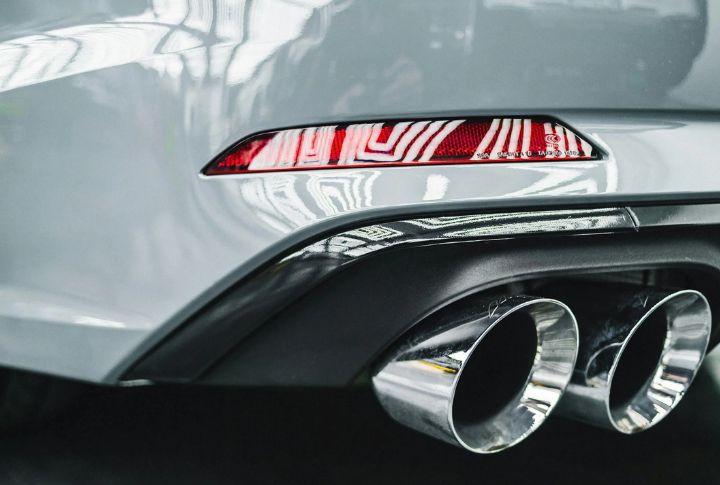
More efficient exhaust systems work wonders by reducing powertrain strain. With a high-flow system, exhaust gases exit more quickly, which means less work for your engine. The result? Quicker turbo spool (for turbocharged vehicles) and improved acceleration, leading to a more responsive setup with minimal fuel consumption.
Optimize Your Car’s Aerodynamics

Aerodynamic changes like front air dams or a lower stance help the car move through the air more easily. By reducing drag, the engine doesn’t have to work as hard to maintain speed. Better airflow also refines stability at higher speeds and makes the ride safer with easy control.
Install A Performance Chip
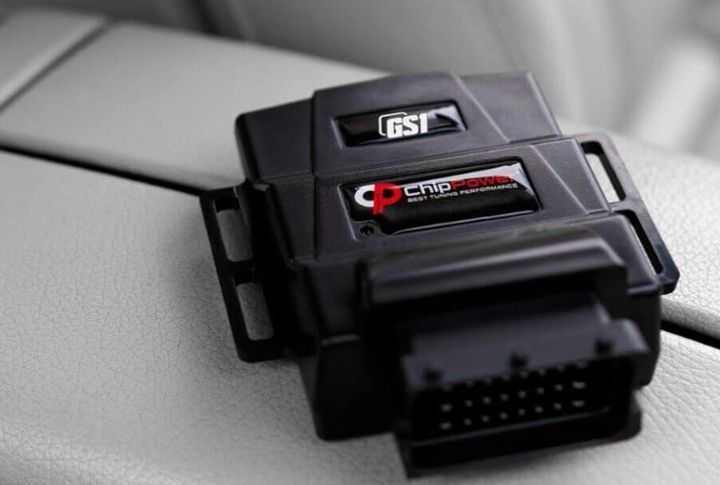
Performance chips optimize your car’s fuel management system by adjusting key parameters like fuel delivery and ignition timing. Some advanced chips, like the Edge Evolution or Superchips Flashpaq, even adapt in real-time to driving conditions—adjusting engine output based on speed, load, and terrain—to maintain a consistent power source in everyday driving.
Use A Low Drag Alternator
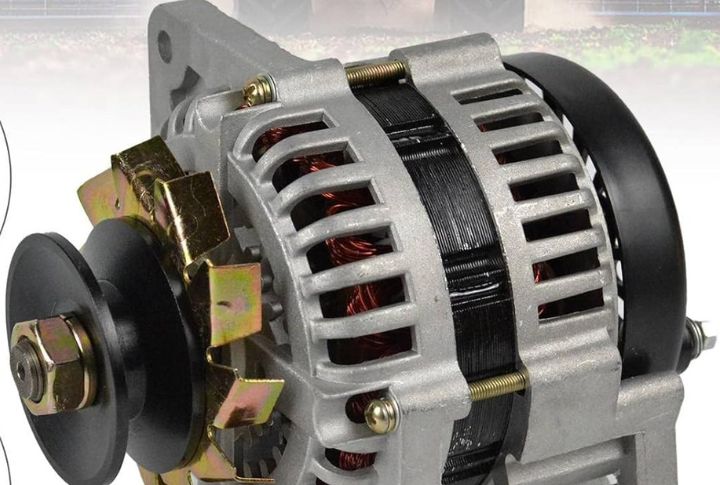
Regular alternators put a steady strain on the engine, which can hurt performance a little. Switching to a low-drag alternator means the engine doesn’t have to work as hard to make electricity. This also helps protect the car’s electrical parts by reducing extra stress on the system.
Upgrade To A Modern Engine Control Unit (ECU)
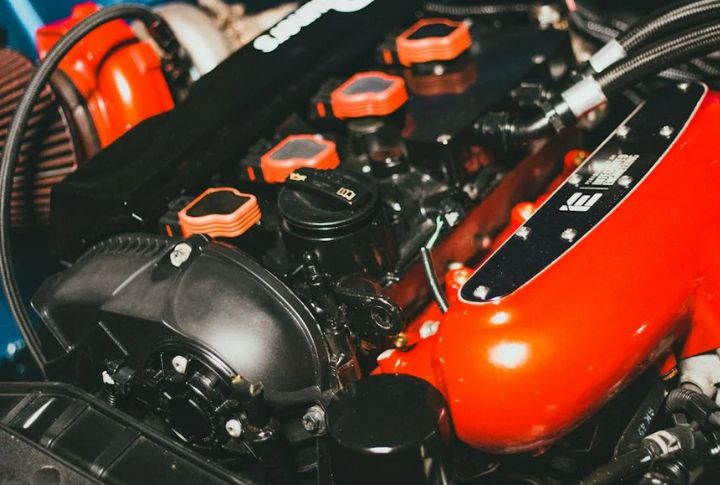
Think of your car’s ECU as the brain behind the engine. It controls things like how much fuel and air go in and when the spark plugs fire, keeping everything running smoothly. Newer ECUs also work with safety features like automatic braking, traction control, and stability systems to help you drive more safely and confidently.
Install A More Efficient Fuel Injector System
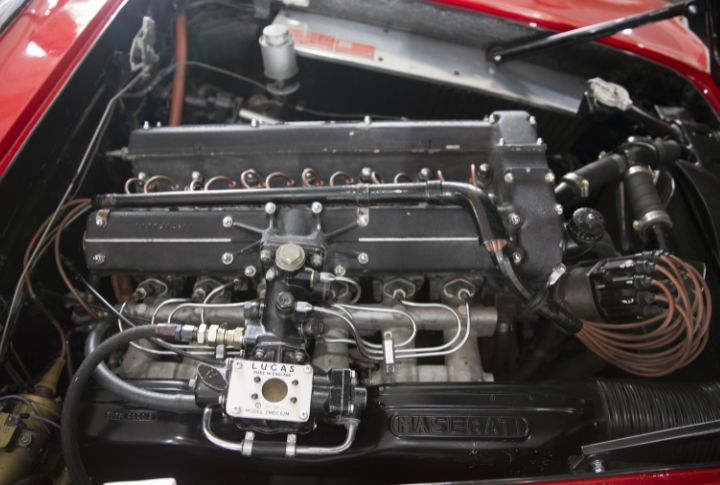
Fuel injectors that deliver fuel precisely help the engine run smoother, use fuel more efficiently, and reduce waste. Newer types can even adjust the flow depending on the kind of fuel being used. This helps keep the engine cleaner over time and can extend its overall lifespan.
Reduce Vehicle Weight

The lighter your car, the less energy it needs to operate. Remove unnecessary items or replace heavier parts with lightweight alternatives, like swapping steel for aluminum, to minimize strain on your motor. A small change like this can improve energy conservation while also enhancing handling and braking capabilities.
Upgrade To Synthetic Motor Oil
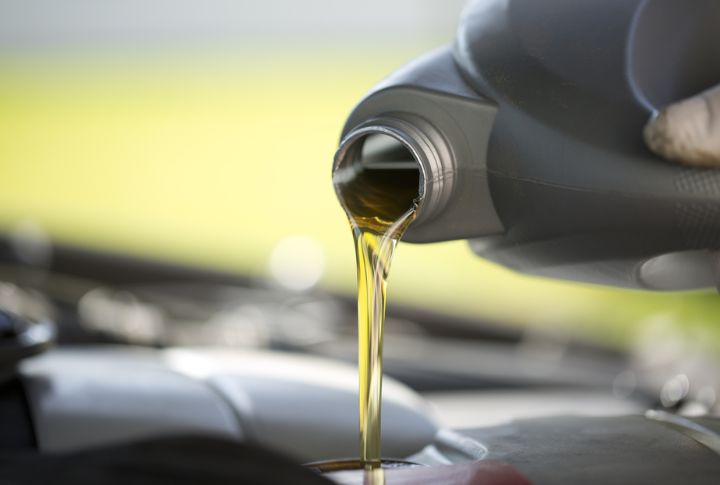
Synthetic motor oil cuts down on friction between engine parts, helping the vehicle operate with less strain. The engine doesn’t need to work as hard, which means lower fuel use and decreased wear over time. Cleaner internal movement also supports smoother driving and fewer long-term mechanical issues.